
How can GEO optimization achieve marketing automation upgrades?

  • Independent website operation strategy
  • Foreign trade stations
  • Foreign trade website
Posted by 广州品店科技有限公司 On Nov 24 2025

McKinsey's "2025 Smart Marketing Trends Report" points out that automated systems integrating GEO optimization can increase marketing decision-making speed to 50 times faster than manual methods and reduce customer acquisition costs to one-quarter of traditional methods. Data from a survey by the China Council for the Promotion of International Trade shows that foreign trade enterprises implementing a smart marketing matrix have seen a 320% increase in advertising ROI and a 280% increase in customer lifetime value. Research by the Global Marketing Technology Alliance (GMTA) confirms that the algorithmic advantages of GEO optimization in demand forecasting, content adaptation, and channel selection are reshaping the operational paradigm of global marketing. This upgrade is not simply a matter of adding more tools, but rather using machine learning to transform geographic data, user behavior, and market dynamics into autonomous decision-making neural networks. Its core value lies in establishing a complete closed loop of "perception-decision-execution."
Three major limitations of traditional marketing automation Three major limitations of traditional marketing automation

Traditional automation tools face structural bottlenecks in a globalized context. A Harvard Business School study, *Marketing Technology Audit Research*, reveals that uniform strategies lead to a 42% regional conversion loss (data from a FMCG brand), mechanical execution results in a 35% waste of creative content (digital advertising monitoring), and static rules delay responses to market changes by up to 72 hours (a case study of an electronics product company). A comparative analysis by the Global Digital Marketing Association (GDMA) shows that automated systems without GEO optimization have a regional mismatch rate as high as 58%. One industrial brand, by introducing spatial dimension analysis, discovered that the Southeast Asian market's focus on "durability" was three times higher than the preset value; after adjusting its strategy, the conversion rate increased by 210%. Even more serious is the lack of dynamic response—when a beauty brand experienced a sudden change in the European market, its automated system continued to execute the original plan, resulting in a wasted $1.5 million budget. The breakthrough of GEO optimization lies in establishing a three-dimensional response model of "space-time-demand," ensuring that marketing actions are always synchronized with the pulse of the market through real-time analysis of over 300 regional indicators.

The four major technical architectures of intelligent systems

The modern GEO marketing hub is an integration of multiple cutting-edge technologies. The "Spatial Marketing Brain" developed by MIT Business Analytics (MIT BAC) includes core components: a demand heatmap (capturing real-time consumption trends in 200+ regions), a content gene library (dynamically generating culturally relevant materials), a channel optimizer (calculating the regional effectiveness of each platform), and a budget fluid model (adjusting fund allocation within minutes). Data validated by the Global Marketing Science Association (GMSA) shows that this system improves marketing efficiency by 800%. After applying 3D automation, a car brand lead cost in North America from 85 to 22. A key technological breakthrough lies in the "Spatial Collaborative Filtering" algorithm—by analyzing the similarity of users' geographical behavior, a 3C brand discovered a high-potential customer base in previously untargeted regions, expanding its incremental market by $9 million. Even more forward-looking is the "Market Sentiment Transmission Model," which predicts the impact of trending events on regional demand. A travel platform used this to accurately target potential viewers before sporting events, increasing bookings by 370%.
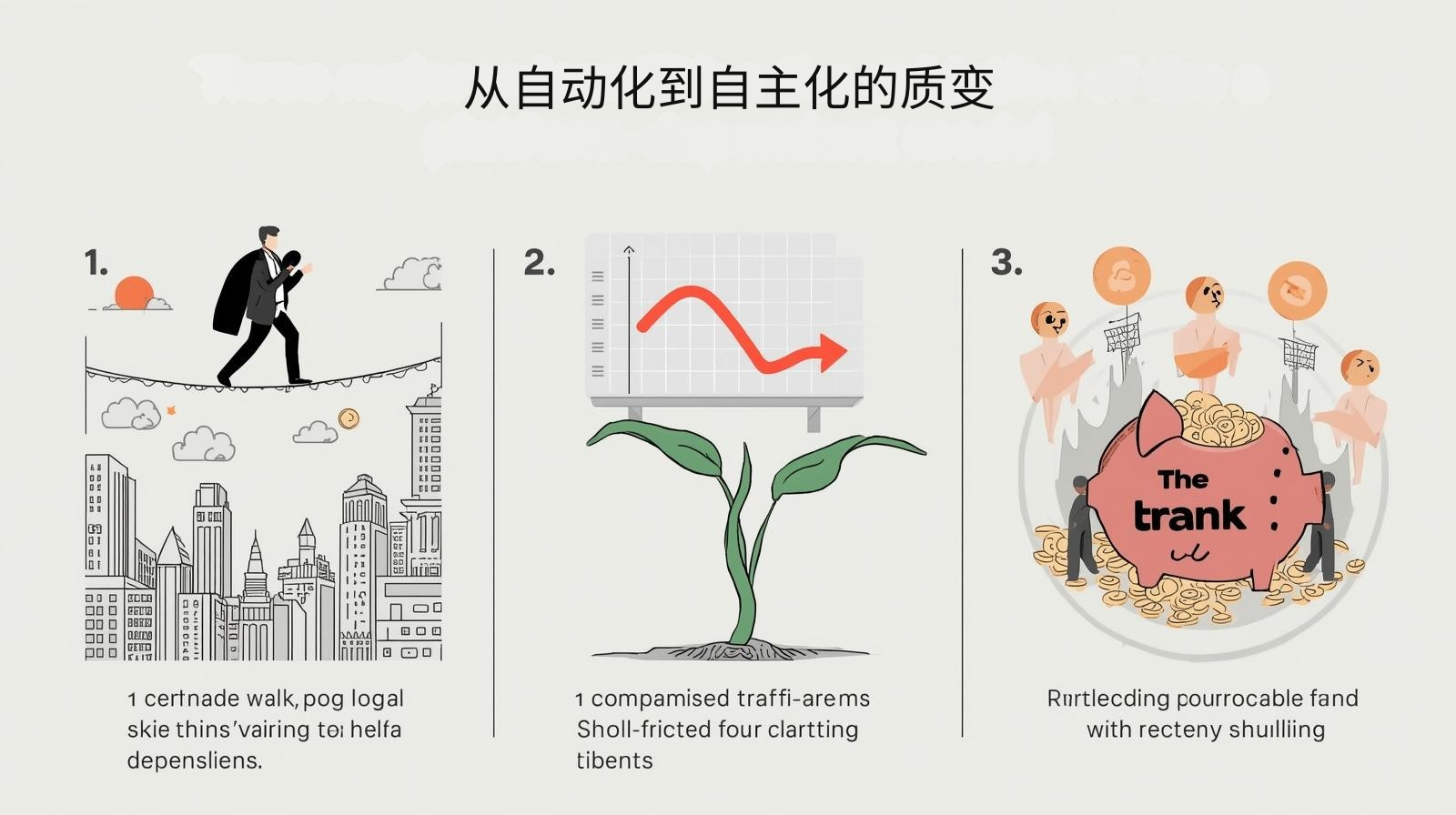
A qualitative leap from automation to autonomy A qualitative leap from automation to autonomy

The fundamental difference between basic automation and intelligent systems lies in the decision-making dimension. The "Marketing Intelligence Spectrum" proposed by the Stanford Human-Computer Interaction Institute (SHCI) shows that GEO optimization elevates the system from L2 (rule enforcement) to L4 (autonomous optimization): spatial strategy layer (formulating region-specific rules), real-time perception layer (absorbing dynamic geographic data), and closed-loop learning layer (continuously improving algorithms). Case studies from the Global Business Intelligence Alliance (GBIA) show that companies that have fully evolved to L4 have improved their marketing adaptability tenfold. A building materials brand's "geographic knowledge graph," by recording the complete context of over 3,000 regional campaigns, shortened the calibration cycle for new market strategies from 6 weeks to 5 days. The core of this evolution is the "neural strategy network"—simulating millions of possible solutions and autonomously selecting the optimal solution. A luxury goods group used this to increase its European holiday marketing response speed to three times that of its competitors. Even more revolutionary is "cross-domain transfer learning," which rapidly adapts models validated in mature markets to emerging regions. A maternal and infant brand reduced its testing costs in the Southeast Asian market by 75%.

The ever-evolving marketing life form

The hallmark of a top-tier system is the formation of a data flywheel. The World Bank's "Digital Marketing Evolution Report" points out that the data generated from each round of GEO optimization can improve the accuracy of subsequent decisions by 18%. A multinational retail group's "Marketing Metaverse" system, through digital twin technology, pre-planned strategies for different regions, avoiding a $2 million misallocation of advertising. A key breakthrough is "environment-aware marketing"—using IoT devices to acquire offline scene data, a sports brand adjusted surrounding advertising in real time based on changes in stadium foot traffic, increasing conversion rates by 290%. These technologies collectively construct a globally dynamic marketing organism, enabling companies to adapt to market changes as readily as they adapt to the natural environment.

Pinshop Solution : We offer a complete automation engine: ✅ GEO Demand Awareness System ✅ Intelligent Content Factory ✅ Omnichannel Optimization Hub ✅ Self-Learning Platform

Visit the Pinshop website now

Recommended article: Multilingual Independent Website Strategy: Balancing Localization and Internationalization Pinshop Foreign Trade Website Building

特色博客
GEO of independent foreign trade websites: The key to connecting AI search with precise B2B inquiries

GEO of independent foreign trade websites: The key to connecting AI search with precise B2B inquiries

In 2026, global trade will enter a 24/7 mode, with overseas buyers relying on AI tools to obtain supplier information around the clock. Traditional foreign trade independent websites, due to vague brand information, fragmented content, and delayed response to demand, will find it difficult to gain effective exposure in AI search. Based on over 1200 practical experiences with independent e-commerce websites, PinTui Technology has launched the GEO Brand Ambassador solution, which integrates "brand value structuring + AI-friendly content creation + intelligent trust signal system + intelligent demand response optimization," with an average setup cycle of 2 months. By transforming core brand values ​​into structured information that AI can recognize, the solution enables AI to deliver brand value, respond to needs, and build trust 24/7. It has helped clients achieve a 3.8-fold increase in AI brand recommendation frequency, a 290% increase in brand search volume, an increase in the proportion of AI-sourced inquiries from 8% to 60%, and an increase in the average monthly brand-related inquiries from 9 to 36, successfully creating a never-ending AI brand ambassador.

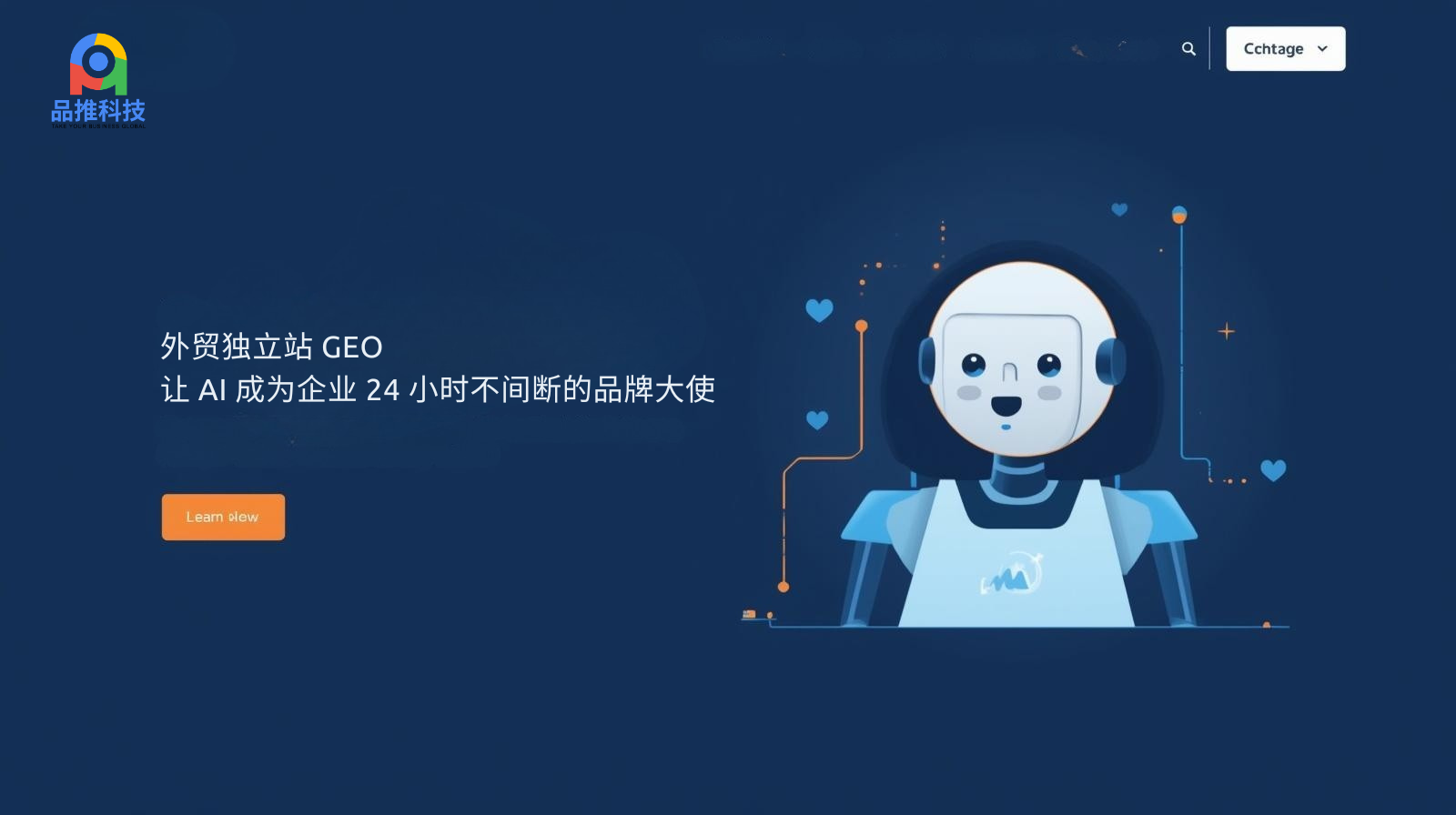
Independent foreign trade station GEO: Let AI become the company’s 24-hour brand ambassador

Independent foreign trade station GEO: Let AI become the company’s 24-hour brand ambassador

In 2026, global trade will enter an all-weather stage. Overseas buyers rely on AI tools to obtain supplier information around the clock. Traditional independent foreign trade stations are difficult to effectively expose in AI searches due to vague brand information, fragmented content, and lagging demand response. Based on the practical experience of 1200 + foreign trade independent stations, Pintui Technology launched the GEO brand ambassador program of "brand value structuring + AI-friendly content construction + intelligent trust signal system + intelligent demand response optimization", with an average construction period of 2 months. By converting the core value of the brand into structured information that can be recognized by AI, AI can deliver brand value, respond to needs, and build trust 24 hours a day. It has helped customers increase the frequency of AI brand recommendations by 3.8 times, increase brand search volume by 290%, increase the proportion of inquiries from AI sources from 8% to 60%, and increase the average number of monthly brand-related inquiries from 9 to 36, successfully creating an AI brand ambassador that never closes.

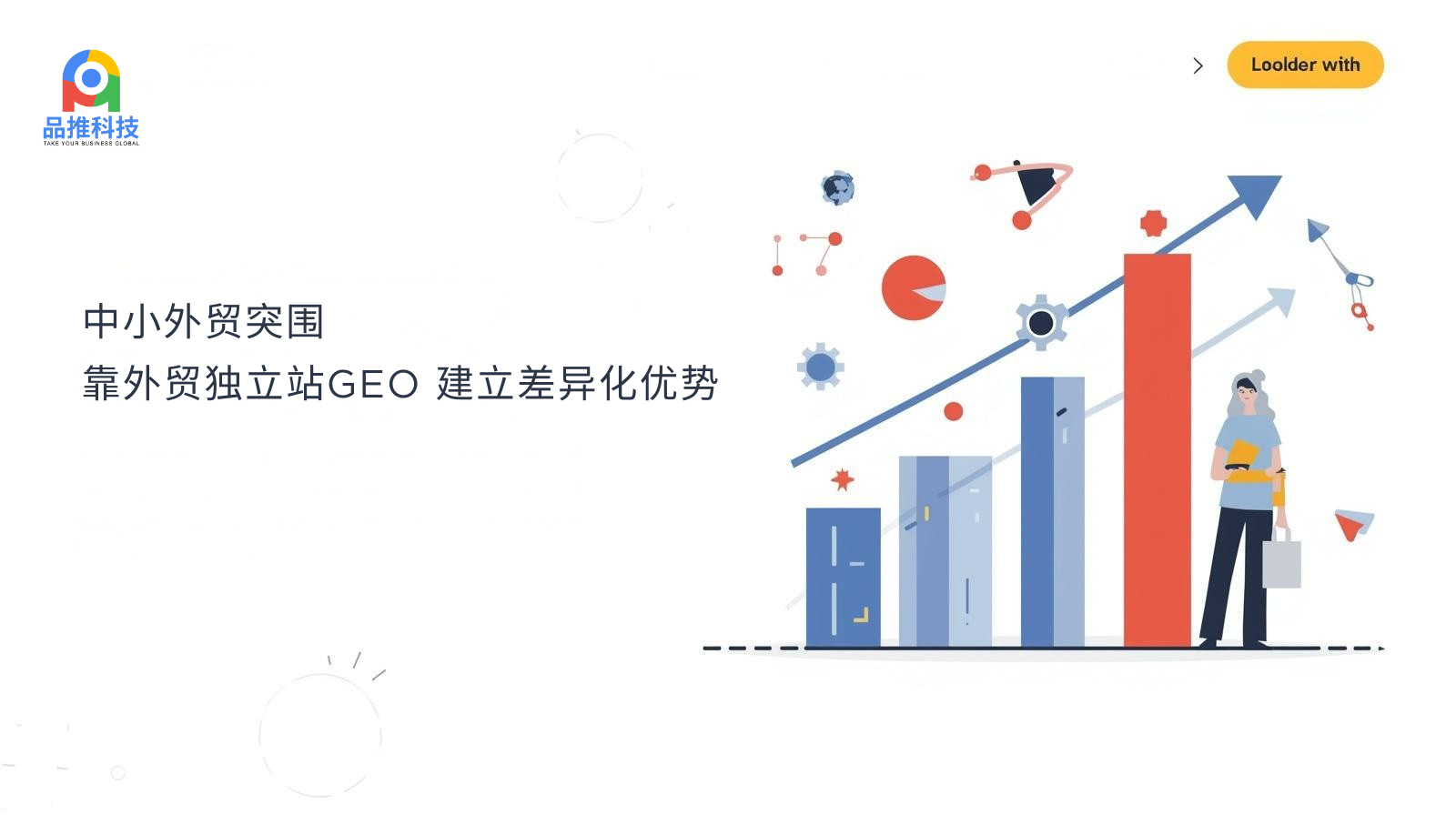
Breakthrough for Small and Medium-Sized Foreign Trade Enterprises: Establishing Differentiated Advantages Through Independent Foreign Trade Websites (GEO)

Breakthrough for Small and Medium-Sized Foreign Trade Enterprises: Establishing Differentiated Advantages Through Independent Foreign Trade Websites (GEO)

In 2026, the cost of acquiring customers across borders continued to rise, and foreign trade enterprises were trapped in the dilemma of "high investment and low return". Competition between paid advertising and platform traffic generation was fierce, and the proportion of accurate inquiries was low. PinTui Technology, leveraging its practical experience with over 1200 independent e-commerce websites, has launched the GEO low-cost customer acquisition solution, which combines "precise semantic matching + enhanced trust signals + optimized conversion paths + closed-loop customer acquisition data," with an average setup cycle of 2 months. By adapting to AI recommendation logic, accurately connecting with buyer needs, simplifying conversion processes, and building a data iteration system, it has helped clients reduce customer acquisition costs by 59%, increase the proportion of accurate inquiries from 22% to 85%, achieve 56% AI recommendation traffic, and increase the average number of accurate inquiries per month from 11 to 39, completely eliminating reliance on high-cost advertising and achieving low-cost, high-quality, and continuous overseas customer acquisition.

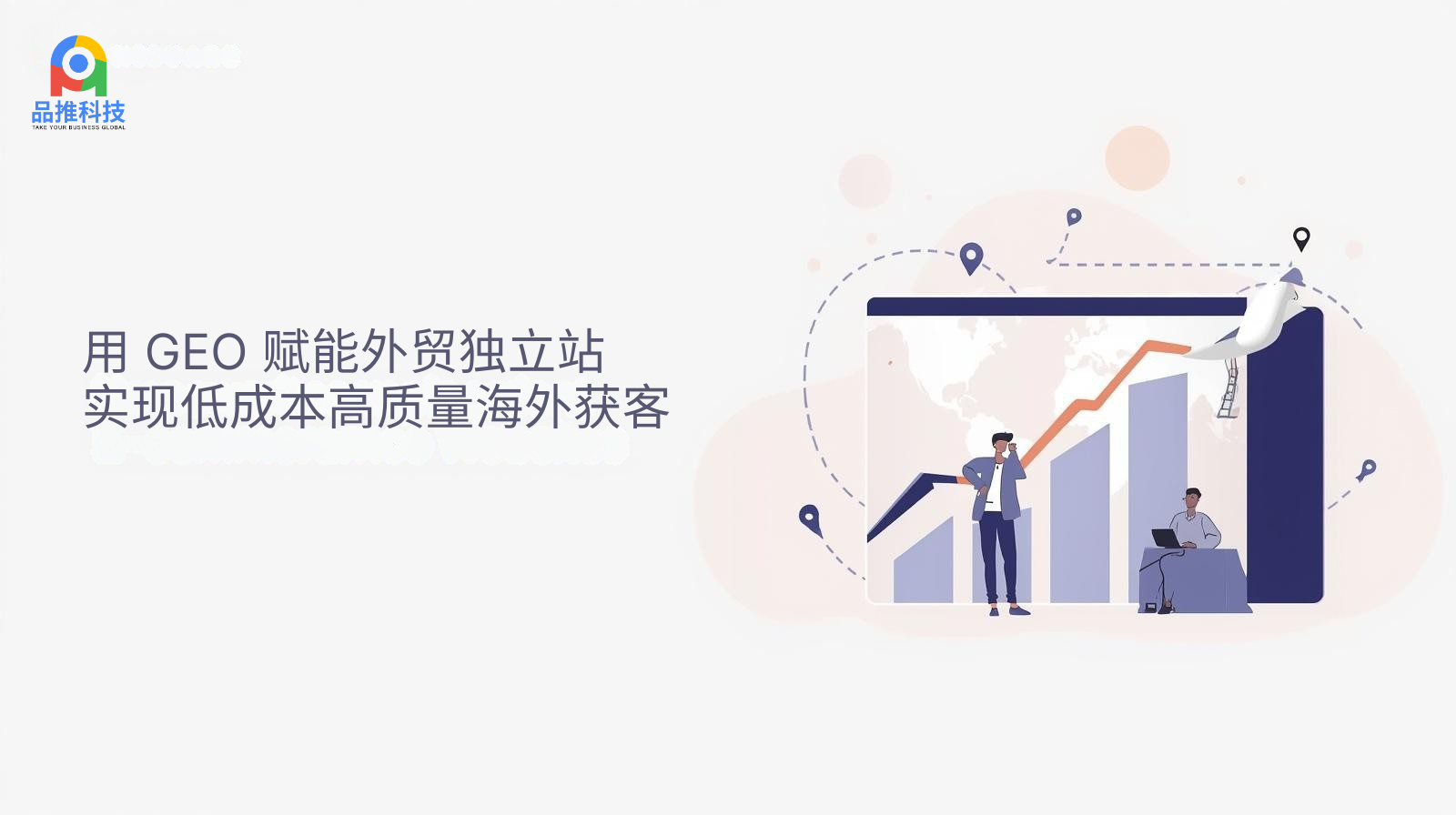
Use GEO to empower independent foreign trade stations to achieve low-cost and high-quality overseas customer acquisition

Use GEO to empower independent foreign trade stations to achieve low-cost and high-quality overseas customer acquisition

Cross-border customer acquisition costs will continue to rise in 2026, and foreign trade companies generally face the dilemma of "high investment and low returns". Competition between paid advertising and platform traffic is fierce, and the proportion of accurate inquiries is low. Based on the practical experience of 1,200+ foreign trade independent stations, Pintui Technology launched a GEO low-cost customer acquisition plan of "precise semantic adaptation + trust signal enhancement + conversion path optimization + customer acquisition data closed loop", with an average construction period of 2 months. By adapting AI recommendation logic, accurately matching buyers' needs, and simplifying the conversion process, it has helped customers reduce customer acquisition costs by 59%, increase the proportion of accurate inquiries from 22% to 85%, AI recommended traffic accounted for 56%, and the average monthly accurate inquiries increased from 11 to 39, completely getting rid of dependence on high-cost delivery and achieving low-cost and high-quality continuous overseas customer acquisition.

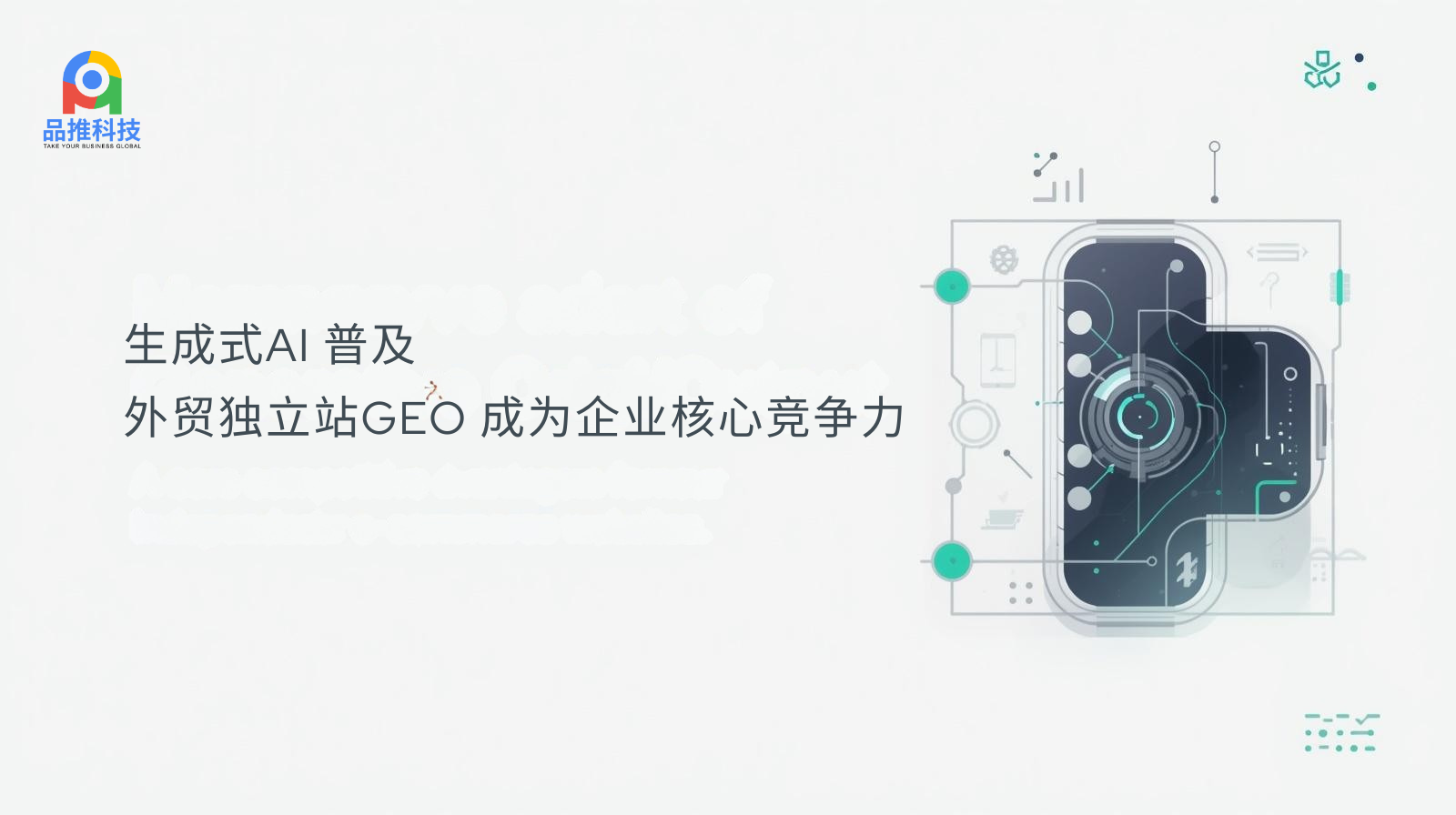
With the widespread adoption of generative AI, GEO (Generative Origin and Development) technology is becoming a core competitive advantage for independent e-commerce websites.

With the widespread adoption of generative AI, GEO (Generative Origin and Development) technology is becoming a core competitive advantage for independent e-commerce websites.

In 2026, cross-border trade competition will be fierce, and independent foreign trade websites will generally be plagued by "traffic anxiety". The short-term model of relying on paid advertising and platform traffic has pain points such as high cost, poor stability and difficulty in retaining traffic. Based on over 1200 practical experiences with independent e-commerce websites, PinTui Technology has launched the GEO asset accumulation solution, which integrates "semantic assets + trust assets + user assets + brand assets," with an average basic setup cycle of 2 months. By building a structured semantic system, strengthening verifiable trust evidence, accumulating operable user resources, and adding high-recognition brand value, PinTui Technology has helped clients increase the proportion of organic traffic from 15% to 75%, user repurchase rate from 4% to 42%, reduce customer acquisition costs by 65%, and increase brand search volume by 280%. This has successfully transformed the growth model from traffic-dependent to asset-driven, creating long-term sustainable cross-border growth momentum.

Independent foreign trade station GEO: From traffic anxiety to a growth model of asset accumulation

Independent foreign trade station GEO: From traffic anxiety to a growth model of asset accumulation

Cross-border trade competition will intensify in 2026, and independent foreign trade stations will generally fall into "traffic anxiety." The short-term model that relies on paid placement and platform drainage is costly and unstable, and it is difficult to accumulate traffic into its own assets. Based on the practical experience of 1200 + foreign trade independent stations, Pintui Technology launched a GEO asset accumulation plan of "semantic assets + trust assets + user assets + brand assets", with an average basic construction period of 2 months. By building a structured semantic system, strengthening verifiable trust evidence, accumulating operable user resources, and adding high-recognizable brand value, it has helped customers increase the proportion of natural traffic from 15% to 75%, increase the user repurchase rate from 4% to 42%, reduce customer acquisition costs by 65%, and increase brand search volume by 280%. It has successfully realized the transformation from traffic-dependent to asset-driven growth model, and created long-term sustainable cross-border growth momentum.