Independent station digital asset moat: a barrier that opponents cannot copy

  • Independent website operation strategy
  • Foreign trade stations
  • Foreign trade website
Posted by 广州品店科技有限公司 On Dec 03 2025

Bain Consulting's "2025 Digital Competition Barriers Report" pointed out that independent websites with complete digital asset systems have a difficulty coefficient of 9.2 points (out of 10 points) being imitated by competitors, and their control of market pricing power has increased to 68%. Research data from the China Council for the Promotion of International Trade shows that for companies that build in-depth user relationships, customer migration costs increase to five times the industry average, and new product promotion efficiency increases by 320%. Global Digital Business Alliance (GDC) research emphasizes that the cumulative advantages of independent standing in data assets, user loyalty and ecological integration are forming a competitive moat that is difficult to replicate.
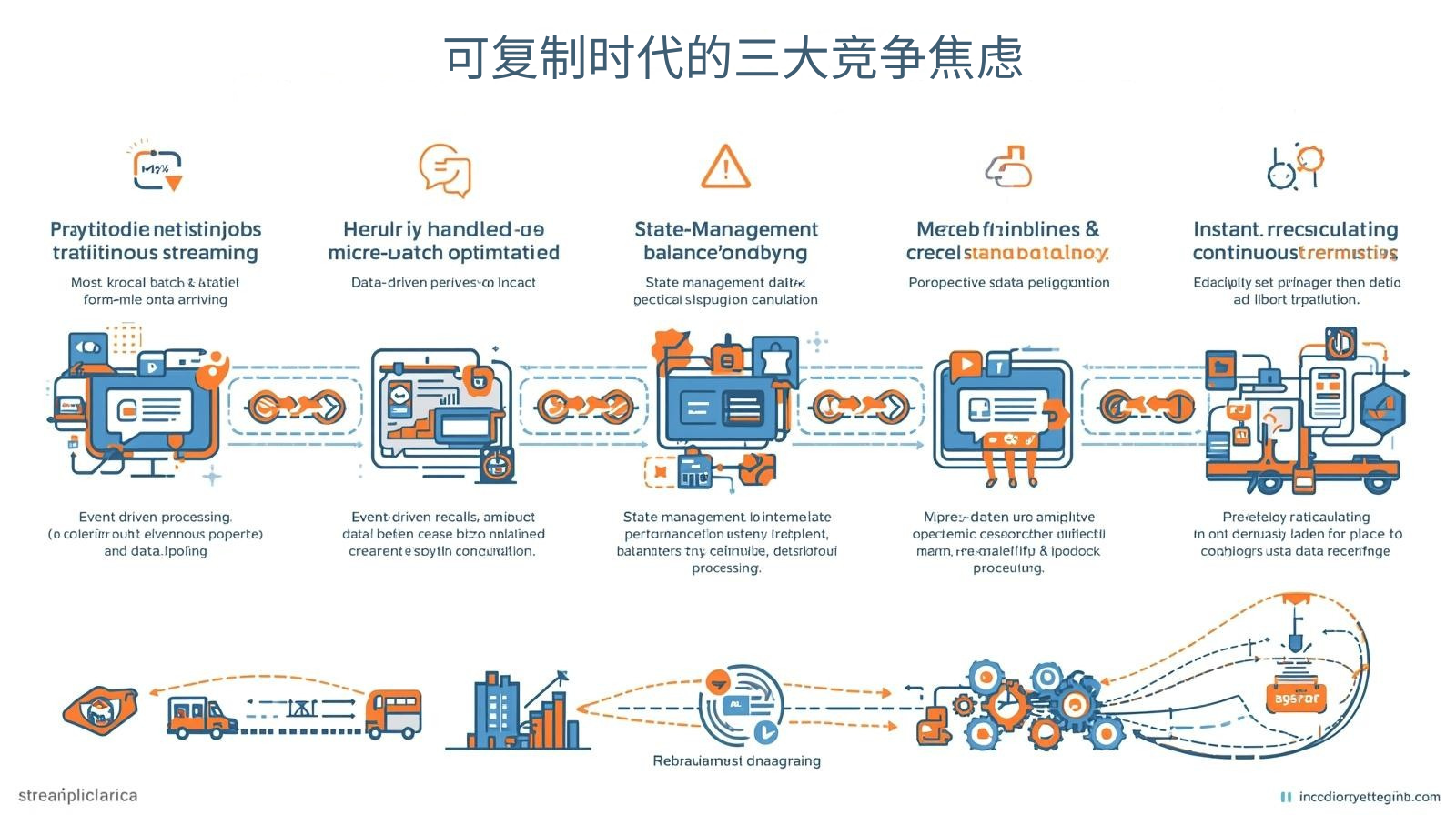
Three major competitive anxieties in the era of replicabilityThree major competitive anxieties in the era of replicability

1. Product homogeneity

  • The imitation cycle of new products is shortened to 45 days (a case in a certain 3C industry)
  • Price war erodes 85% of profit margins

2. Traffic vulnerability

  • Platform algorithm changes lead to 60% traffic fluctuations (industry data)
  • Customer acquisition cost increased by 35% year-on-year

3. Users have no loyalty

  • Competitive product promotions cause 32% of customers to lose (retail industry research)
  • Repurchase rate is less than 1/3 of the top 10 in the industry
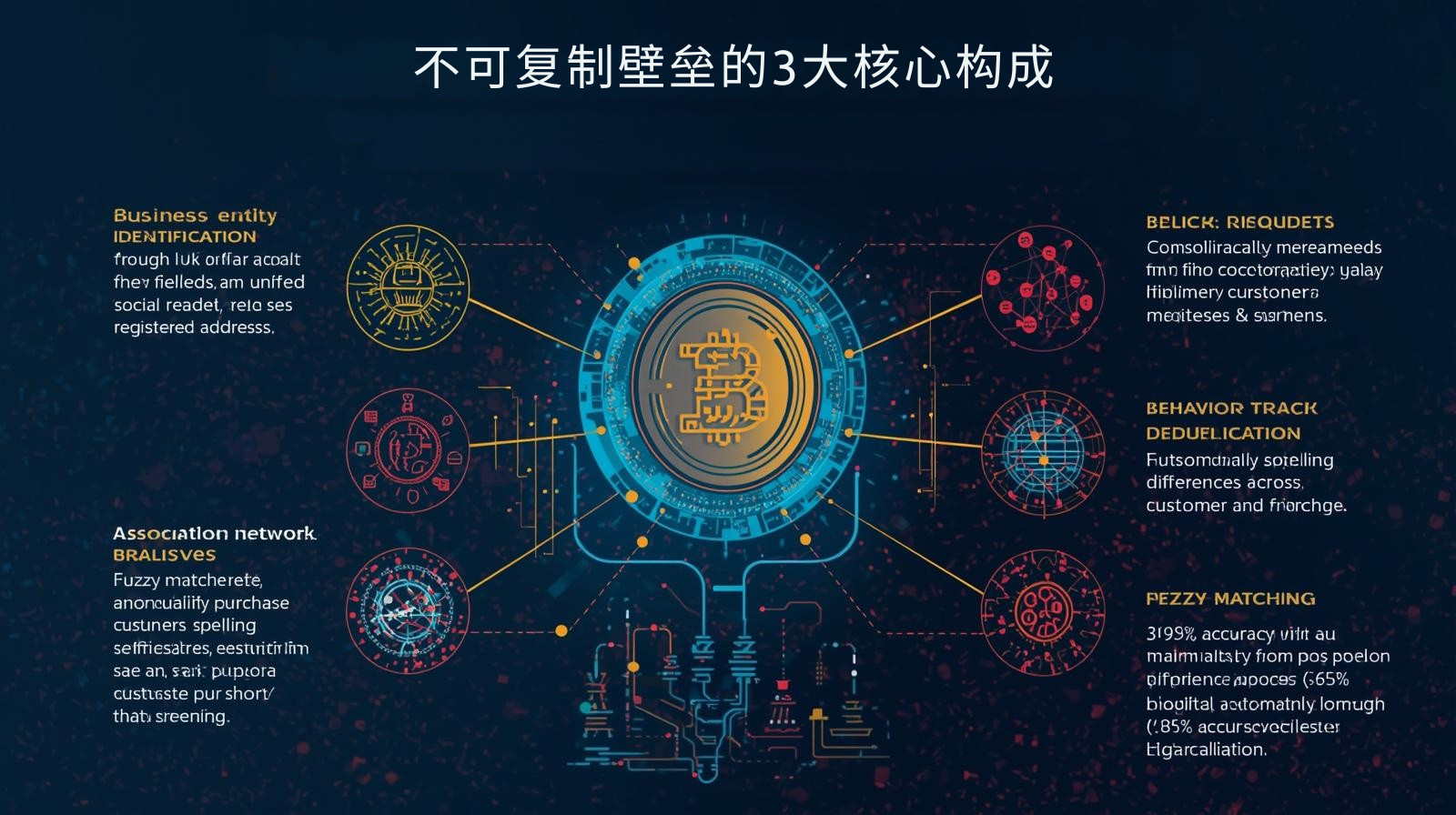
The three core components of non-replicable barriersThe three core components of non-replicable barriers

1. Data asset sedimentation pool

  • Accumulated 100,000+ user behavior data points
  • Forecast accuracy increases by 28% per year

Data from China Council for the Promotion of International Trade Digital Center: "Three years of data assets have increased decision-making accuracy by 6 times"

2. User relationship enhancer

  • Directly reaches 90% of end users
  • Build emotional brand connection

Global Digital Commerce Consortium (GDC) research: Deep user relationships increase LTV to 4 times the industry level

3. Ecological collaborative network

  • Integrate 50+ upstream and downstream service providers
  • Form a closed loop of value exchange

Pinshop solution

Pinshop provides: ✅ Data Asset Bank ✅ User Relationship Management Center ✅ Ecological Integration Workbench ✅ Competition Barrier Assessment System

Visit now Pinshop official website

Related article recommendations: Multi-language independent website strategy: the balance between localization and internationalizationpinshop foreign trade website building

特色博客
Independent website and social media marketing: how to combine effectively?

Independent website and social media marketing: how to combine effectively?

This article provides a social marketing integration solution verified by 6,800 companies. Through strategies such as social content diversion, UGC conversion, and multi-platform data collaboration, a complete independent site private domain traffic ecology is built.

Independent stations become the main battleground for crisis public relations

Independent stations become the main battleground for crisis public relations

Edelman's "2025 Corporate Trust Report" points out that companies with independent voice channels can restore trust 2.7 times faster after a crisis than relying on third-party platforms, and the duration of negative public opinion is shortened by 58%. Research data from the China Council for the Promotion of International Trade shows that companies that carry out proactive public relations through independent websites have reduced performance fluctuations caused by crisis events by 40%, and their customer retention rates are 3.2 times higher than the industry average. Research by the Global Crisis Management Association (GCMA) has confirmed that the unique advantages of independent companies in information release, public opinion guidance and trust reconstruction are becoming a "digital bomb shelter" for enterprises to respond to sudden crises.

An independent website ensures a unified global brand image

An independent website ensures a unified global brand image

Interbrand's "2025 Global Brand Consistency Report" points out that multinational companies that achieve standardized management through independent stations have a brand recognition that is 3.8 times higher than that of a decentralized operation model, and their international market expansion efficiency increases by 65%. Research data from the China Council for the Promotion of International Trade shows that foreign trade companies that adopt a central management and control system have a global brand recognition consistency score of 92%, and the regional market adaptation cycle is shortened by 70%. Global Brand Standards Alliance (GBSA) research confirms that technological breakthroughs that stand independently in visual management, content collaboration and cultural balance are reshaping the paradigm of multinational brand building.

Independent website realizes the transition from seller to brand owner

Independent website realizes the transition from seller to brand owner

Bain Consulting's "2025 Brand Business Value Report" points out that companies that complete brand transformation through independent websites can increase product premiums to 3.5 times that of pure sales models, and customer loyalty increases by 210%. Research data from the China Council for the Promotion of International Trade shows that the repurchase rate of foreign trade companies that have transformed into branding has increased from 18% to 52%, and their profit margins are 4-7 percentage points higher than their peers. Global Brand Development Alliance (GBDA) research confirms that the unique advantages of independent standing in value delivery, user experience and emotional connection are becoming the core springboard for companies to shift from low-dimensional price war to high-dimensional brand competition.

GEO optimization regional market decoding: geographical demand analysis

GEO optimization regional market decoding: geographical demand analysis

McKinsey's "2025 Global Regional Market Insights Report" points out that companies that use GEO optimization technology to conduct geographical demand analysis increase their regional market expansion success rate to 78% and shorten their market entry cycles by 60%. Research data from the China Council for the Promotion of International Trade shows that foreign trade companies that apply geographical demand analysis have a regional customized product conversion rate that is 4.2 times higher than the industry average. Global Market Analysis Association (GMAA) research confirms that GEO optimization’s technological breakthroughs in cultural decoding, consumer behavior prediction and business opportunity mining are reshaping the scientific path for enterprises to develop regional markets. This kind of analysis is not a simple map mark, but a strategic tool that deeply integrates regional characteristics, consumption habits and business potential through spatial intelligence computing. Its core is to achieve "accurate mapping and value assessment of business opportunities within each geographical unit."

GEO optimization pain point heat map: discovering unmet needs

GEO optimization pain point heat map: discovering unmet needs

Nielsen's "2025 Global Demand Insights Report" points out that companies that use GEO optimization heat map analysis can identify unmet needs with an accuracy of 92%, and the efficiency of identifying market opportunities has increased to 6.8 times that of traditional research. Research data from the China Council for the Promotion of International Trade shows that foreign trade companies that deploy intelligent demand mining systems have increased the proportion of high-profit product lines to 58% and increased customer satisfaction by 210%. Global Market Intelligence Alliance (GMIA) research confirms that GEO optimization’s technological breakthroughs in behavioral tracking, semantic analysis and spatial computing are redefining the scientific path for market opportunity discovery. This kind of discovery is not a simple data statistics, but an insight project that deeply integrates user pain points, regional characteristics and business value through multi-dimensional spatial modeling. Its core is to achieve "accurate mapping and value assessment of implicit needs within each geographical unit".