A/B Testing for Independent Websites: A Practical Guide to Continuous Optimization

  • Independent website industry application
  • Independent website operation strategy
Posted by 广州品店科技有限公司 On Aug 05 2025

In the highly competitive e-commerce environment, continuously optimizing website experience has become a key factor for success. According to VWO's 2023 E-commerce Trends Report, websites implementing systematic A/B testing saw an average increase in conversion rates of 21%. A/B testing, as a scientific method, allows you to validate hypotheses in a real-world environment, avoiding the risks of making decisions based on intuition. This guide will help you establish an effective testing process, making optimization efforts more efficient.
Identify high-value test elements

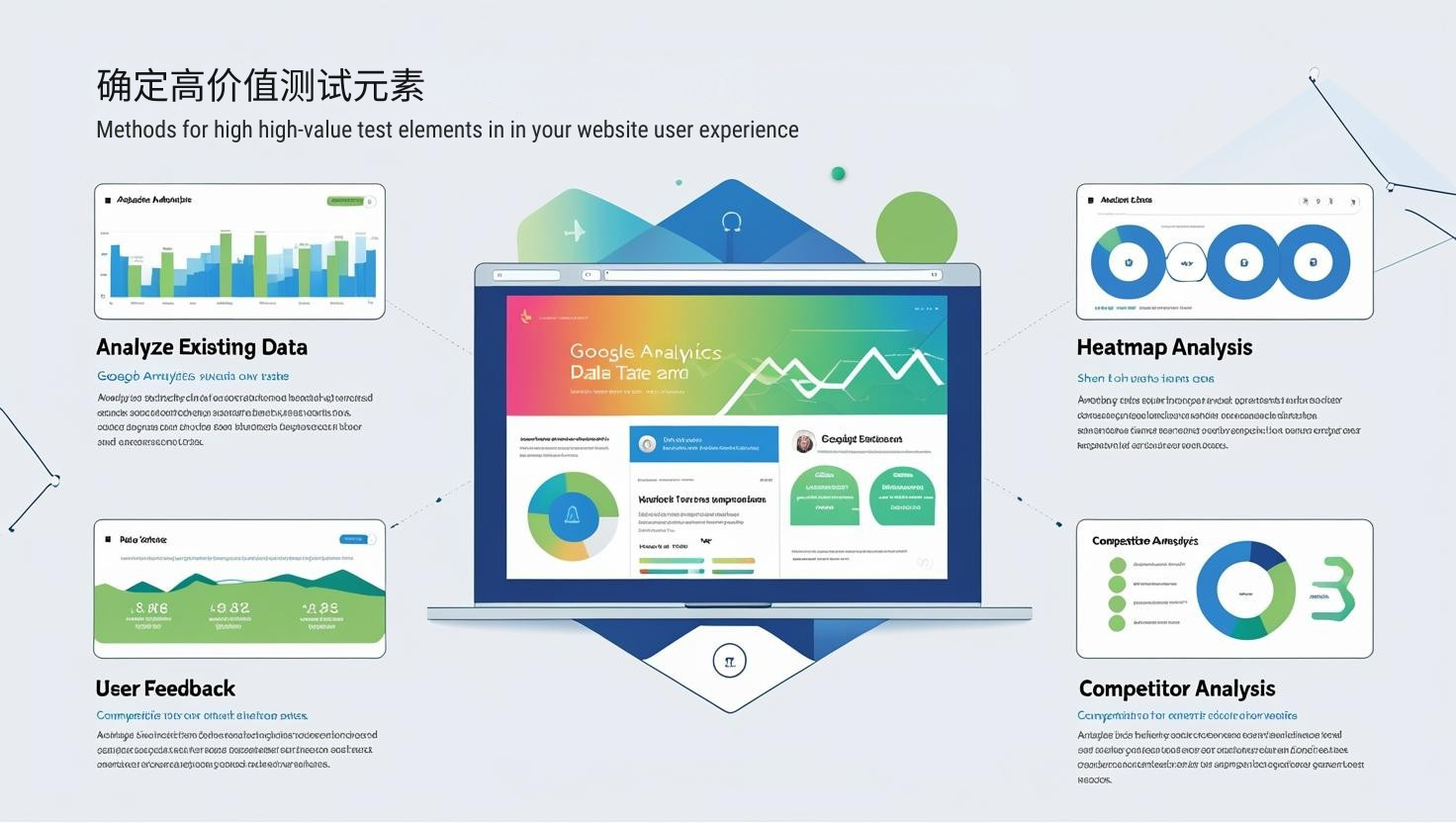
Not all tests are worth investing resources in. Methods for identifying high-value test elements include:

  1. Analyze existing data : Use tools such as Google Analytics to identify pages with high exit rates and low conversion rates.

  2. Heatmap analysis : Using tools such as Hotjar or Crazy Egg, observe how users interact with the page and discover elements that may be overlooked.

  3. User feedback : Collect direct feedback through brief website surveys to understand the points of friction encountered by users.

  4. Competitor analysis : Study the design elements and features adopted by industry leaders to identify gaps and opportunities.
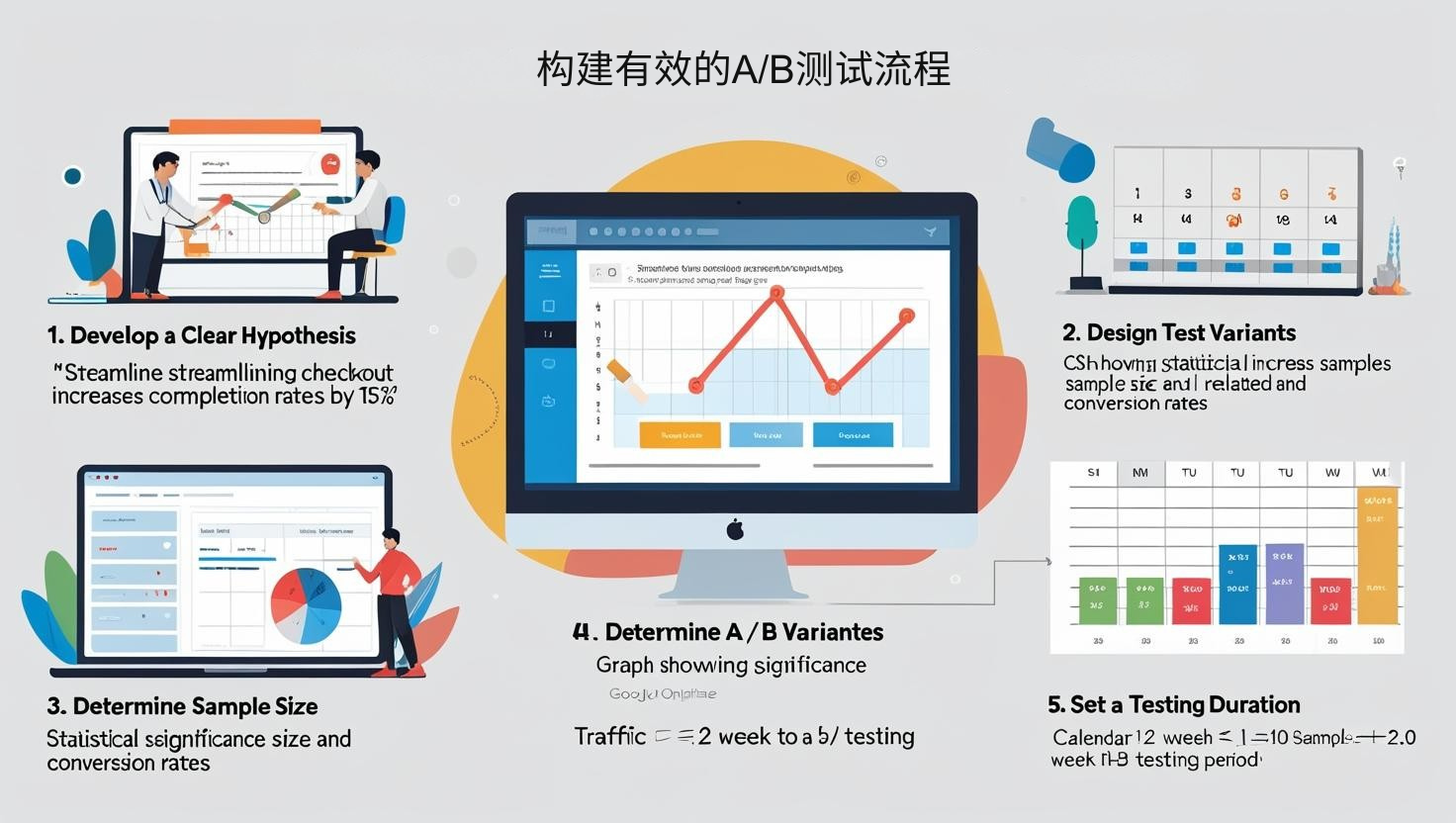
Building an effective A/B testing process

Successful testing requires a rigorous methodology:

  1. Define clear assumptions : Each test should be based on specific assumptions, such as "simplifying the checkout process will increase the completion rate by 15%".

  2. Design test variants : Create the original version (A) and at least one variant (B), ensuring that only one variable is tested at a time to accurately determine the results.

  3. Determine sample size : Use a sample size calculator to determine the number of visits required for the test. According to ConversionXL's research, at least 100-200 conversions are needed to draw reliable conclusions.

  4. Perform a split test : Use professional tools such as Google Optimize, Optimizely, or VWO to randomly allocate traffic.

  5. Set a testing cycle : Tests should cover at least one complete business cycle (usually 1-2 weeks) to capture various user behavior patterns.
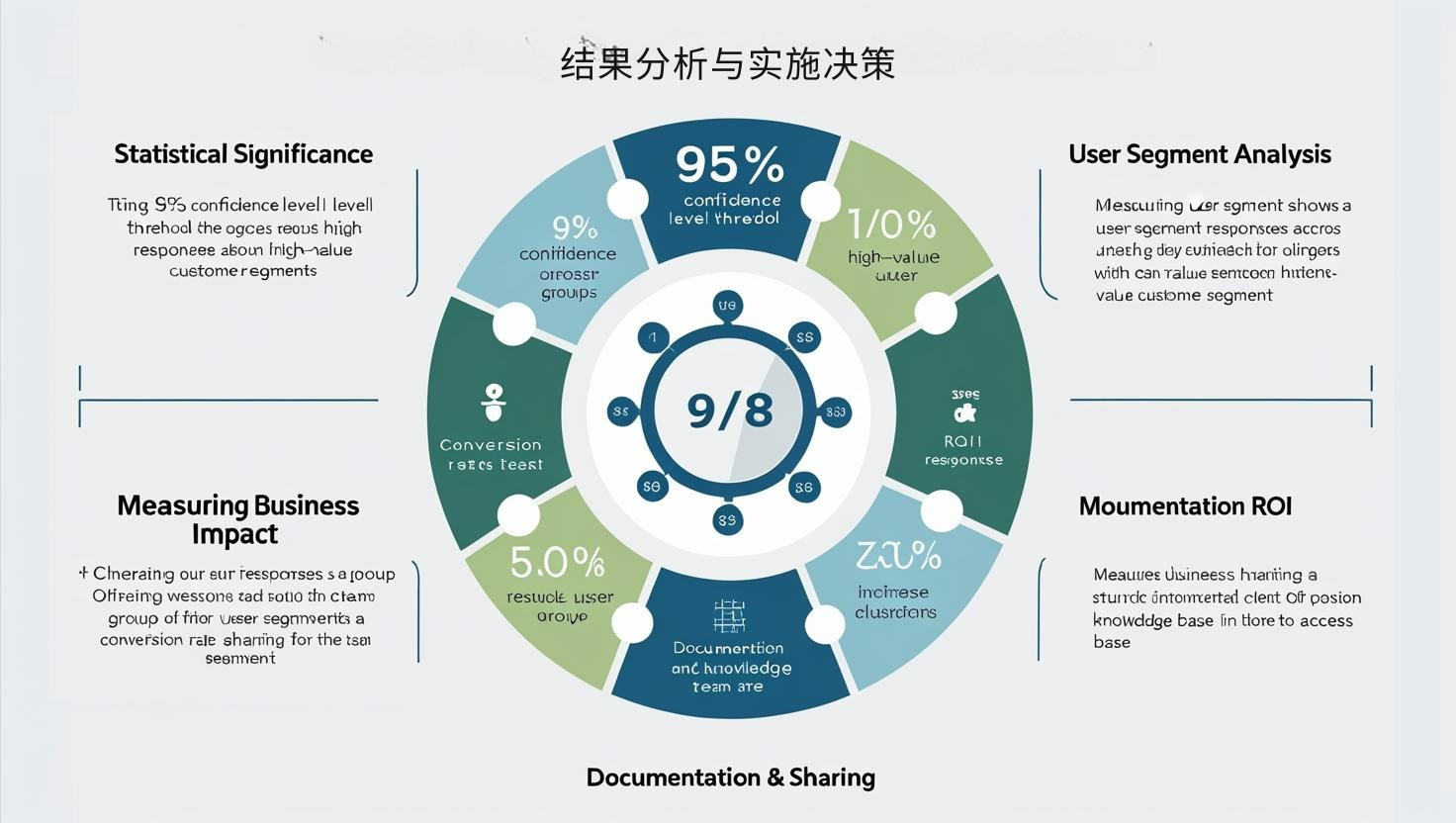
Results Analysis and Implementation Decisions

After the test, the key is to correctly interpret the data:

  1. Statistical significance : Only results with a confidence level of 95% or higher are worth implementing.

  2. Analyze user segments : Different user groups may react differently to the same change, with a particular focus on high-value customer groups.

  3. Measure business impact : Translate conversion rate improvements into tangible revenue by calculating return on investment (ROI).

  4. Recording and Sharing : Establish a test knowledge base to record all test details and results for easy learning and reference by the team.
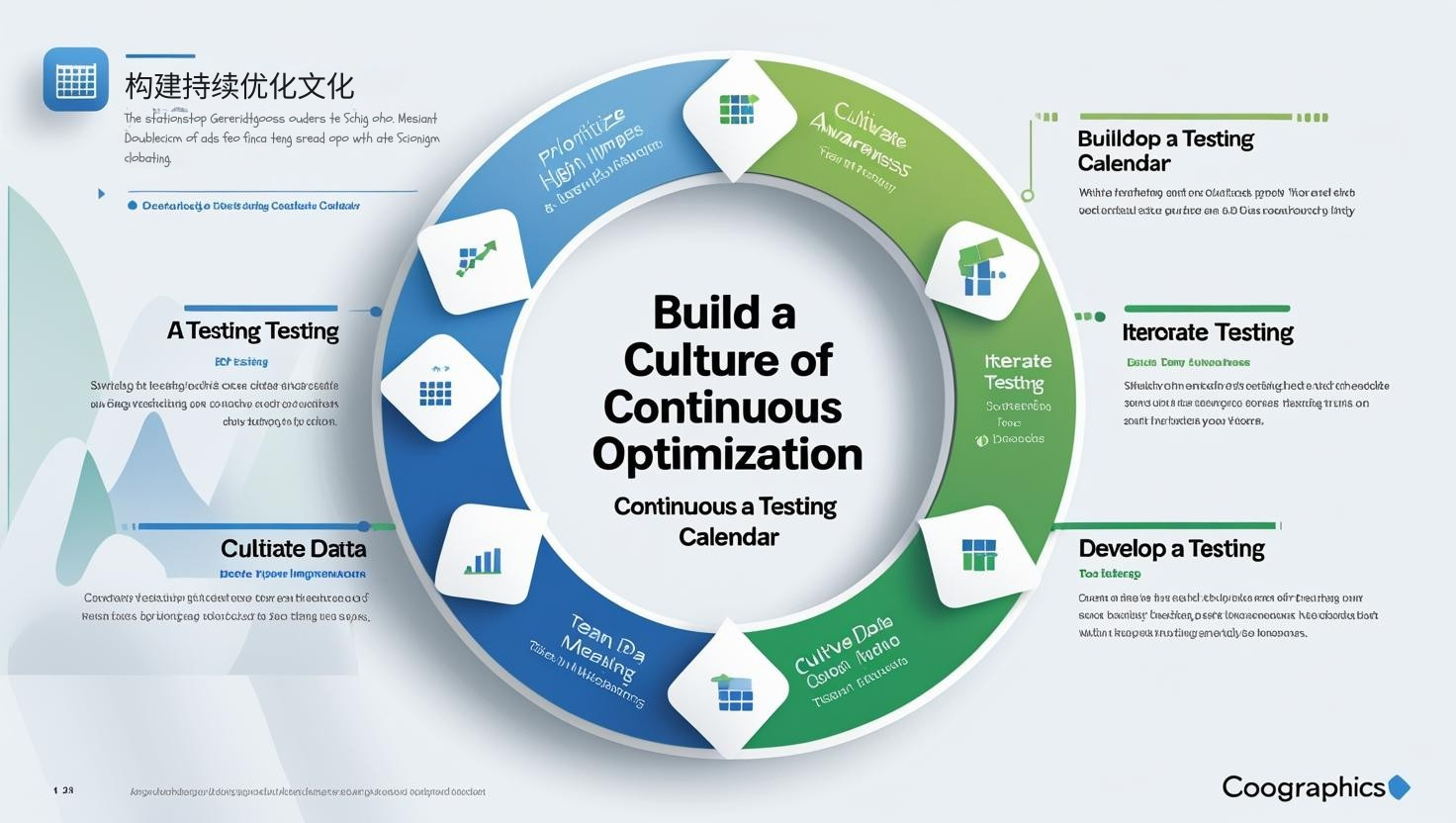
Building a culture of continuous optimization

A/B testing is not a one-time activity, but a continuous improvement process:

  1. Develop a testing calendar : Plan long-term testing strategies, prioritizing high-impact areas.

  2. Iterative testing : Design subsequent tests based on previous results to form an optimization loop.

  3. Develop data awareness : Encourage teams to make decisions based on data rather than personal preferences.

Through systematic A/B testing, you can achieve continuous improvements in website performance. Even small improvements can yield significant benefits over the long term. Start testing and let the data guide your optimization journey.

特色博客
Foreign Trade Independent Website GEO Team Configuration: How to Divide Labor Among Operations, Technology, and Content?

Foreign Trade Independent Website GEO Team Configuration: How to Divide Labor Among Operations, Technology, and Content?

In March 2026, GEO (Generative Engine Optimization) became a core capability for independent foreign trade websites to gain exposure and inquiries in AI search engines like ChatGPT. Efficient team division of labor is key to the continued effectiveness and stable iteration of GEO. This article focuses on the entire GEO workflow for independent foreign trade websites, clearly defining the core responsibilities, division of labor, collaboration processes, and performance indicators for the three main roles: operations, technology, and content. Combining OpenAI and Google's official AI crawling rules and authoritative reference links, it provides directly implementable team configuration solutions and practical processes to help foreign trade companies shift from "fragmented optimization" to "systematic GEO operations," ensuring their brands consistently appear in ChatGPT search results. The article also recommends PinDian Technology's React framework for website building and its native GEO adaptation service at the end.

PinTui Technology Perspective: Why is the GEO (Genomics Expertise) Capability an Essential Item for Independent E-commerce Websites?

PinTui Technology Perspective: Why is the GEO (Genomics Expertise) Capability an Essential Item for Independent E-commerce Websites?

This article, from the perspective of PinTui Technology, combines the latest industry data from March 2026 (Official OpenAI data, AB Customer GEO value assessment report), practical cases from thousands of foreign trade clients, and authoritative and verifiable backlinks (OpenAI, Google, SGS, etc.) to focus on the core question: "Why is GEO an essential capability for independent foreign trade websites?" It is divided into three core chapters (including sub-headings): "Industry Trends," "Core Value," and "Practical Necessity." It deeply analyzes the customer acquisition barrier role of GEO in the context of normalized AI procurement, its end-to-end empowerment value, and the drawbacks of not optimizing for GEO. It provides actionable practical insights, adheres to long sentence formatting requirements, avoids complex technical descriptions, and integrates all backlinks naturally into the text, balancing professionalism and practicality. It also provides standardized article summaries, meta descriptions, and specified slugs to help foreign trade companies understand the core value of GEO, emphasize the importance of GEO implementation, and naturally recommends PinTui's website building services at the end.

Recommended GEO tools for independent e-commerce websites: Improve AI indexing and exposure efficiency

Recommended GEO tools for independent e-commerce websites: Improve AI indexing and exposure efficiency

In March 2026, Generative Engine Optimization (GEO) became the core path for independent foreign trade websites to gain exposure in AI-powered dialogues such as ChatGPT, and professional tools are key to improving AI indexing efficiency and stabilizing brand exposure. This article focuses on the scenario of independent foreign trade websites, selecting four types of practical GEO tools: official monitoring, all-around optimization, content structuring, and site technology adaptation. It combines the rules and practical usage of authoritative platforms such as OpenAI, Google, and Semrush, naturally integrating verifiable backlinks. The entire process is code-free and highly practical, helping foreign trade professionals quickly select and efficiently execute tools to ensure their independent websites stably enter the AI recommendation pool. At the end of the article, PinDian Technology's React framework website building and GEO native adaptation services are also introduced.

Evaluation of the Effectiveness of Independent Foreign Trade Websites (GEO): Quantifiable Indicators and Retrospective Methods

Evaluation of the Effectiveness of Independent Foreign Trade Websites (GEO): Quantifiable Indicators and Retrospective Methods

This article combines the latest industry data from March 2026 (Official OpenAI data, AB Customer GEO Performance Evaluation White Paper), a foreign trade case study (Ningbo home furnishing companies), and authoritative and verifiable backlinks (OpenAI, EU CE official data, Google, SGS, etc.) to focus on the core topic of "GEO Performance Evaluation for Independent Foreign Trade Websites: Quantifiable Indicators and Review Methods." It is divided into four core chapters (including sub-headings): "Core Understanding," "Quantifiable Indicators," "Practical Review Methods," and "Pitfall Avoidance Guide." It deeply analyzes the core logic of GEO evaluation and review, breaks down four categories of quantifiable core indicators (including definitions and statistical methods), provides a four-step standardized review implementation method, and addresses four common pitfalls and their avoidance methods. Adhering to long sentence formatting requirements, it avoids complex technical descriptions, integrates all backlinks naturally, and is highly practical with immediate implementation. It also provides standardized article summaries, meta descriptions, and slugs to help foreign trade companies accurately evaluate GEO performance, efficiently review and optimize, and ensure continuous brand recommendations from ChatGPT. The article concludes with a natural recommendation of a brand store website building service.

GEO, a trade-oriented independent foreign trade website, demonstrates how to build supply chain and service advantages.

GEO, a trade-oriented independent foreign trade website, demonstrates how to build supply chain and service advantages.

This article combines the latest industry data from March 2026 (Official OpenAI data, AB Customer's GEO evaluation for trading companies), practical case studies of trading companies (Shenzhen hardware and building materials companies, Guangzhou home furnishing companies), and authoritative and verifiable backlinks (OpenAI, EU CE official data, SGS, AnswerThePublic, etc.). Focusing on the core theme of "Trading-Oriented Independent Websites: How GEOs Build Supply Chain and Service Advantages," it is divided into four core chapters (including sub-headings): "Core Understanding," "Practical Implementation of Supply Chain Advantages," "Practical Implementation of Service Advantages," and "Pitfall Avoidance Guide." It deeply analyzes the core pain points of trading companies and the value of GEO adaptation, providing standardized practical steps for building supply chain and service advantages with GEOs. It also outlines common optimization pitfalls and avoids common mistakes, adhering to long sentence formatting requirements, avoiding complex technical descriptions, and seamlessly integrating all backlinks. Highly practical and directly applicable, it also provides standardized article summaries, meta descriptions, and slugs to help trading companies effectively utilize GEOs, amplify their supply chain and service advantages, achieve AI-driven precise customer acquisition, and naturally promote their website building services at the end.

The core goal of GEO (Global Organization for International Trade) independent e-commerce websites: to get ChatGPT to proactively recommend your brand.

The core goal of GEO (Global Organization for International Trade) independent e-commerce websites: to get ChatGPT to proactively recommend your brand.

This article combines the latest industry data from March 2026 (Official OpenAI data, AB Customer GEO assessment), practical foreign trade case studies (Dongguan furniture foreign trade companies), and authoritative and verifiable backlinks (OpenAI, EU CE official data, CNCA, AnswerThePublic, etc.) to focus on the core objective of GEO for independent foreign trade websites: getting ChatGPT to proactively recommend your brand. It is divided into three core chapters (including sub-headings): "Core Understanding," "Practical Implementation," and "Pitfall Avoidance Guide." It deeply analyzes the underlying logic of ChatGPT's proactive brand recommendation, the four practical steps for GEO to achieve this goal, and outlines common optimization pitfalls and avoidance methods. Adhering to long sentence formatting requirements, it avoids complex technical descriptions, and integrates all backlinks naturally into the text, making it highly practical and directly applicable. It also provides standardized article summaries, meta descriptions, and slugs to help foreign trade companies understand the core objective of GEO, optimize precisely, get ChatGPT to proactively recommend their brands, seize the AI procurement dividend, and naturally recommend their brand store at the end.