Core of localization strategy: Independent website's cultural adaptability

  • Independent website operation strategy
  • Foreign trade stations
  • Foreign trade website
Posted by 广州品店科技有限公司 On Nov 18 2025

McKinsey's "2025 Global Localization Report" indicates that independent website brands with strong cultural adaptability see a 320% increase in repurchase rates in overseas markets, 2.8 times faster than the adoption rate in new markets. Data from the China Council for the Promotion of International Trade shows that deeply localized independent websites have users spending four times longer on their sites and achieving a 250% higher conversion rate than machine-translated versions. Research by the Global Cultural Business Alliance (GCBA) emphasizes that the precise adaptation advantages of independent websites in symbol systems, consumer psychology, and social etiquette are reshaping the development model of multinational brands.
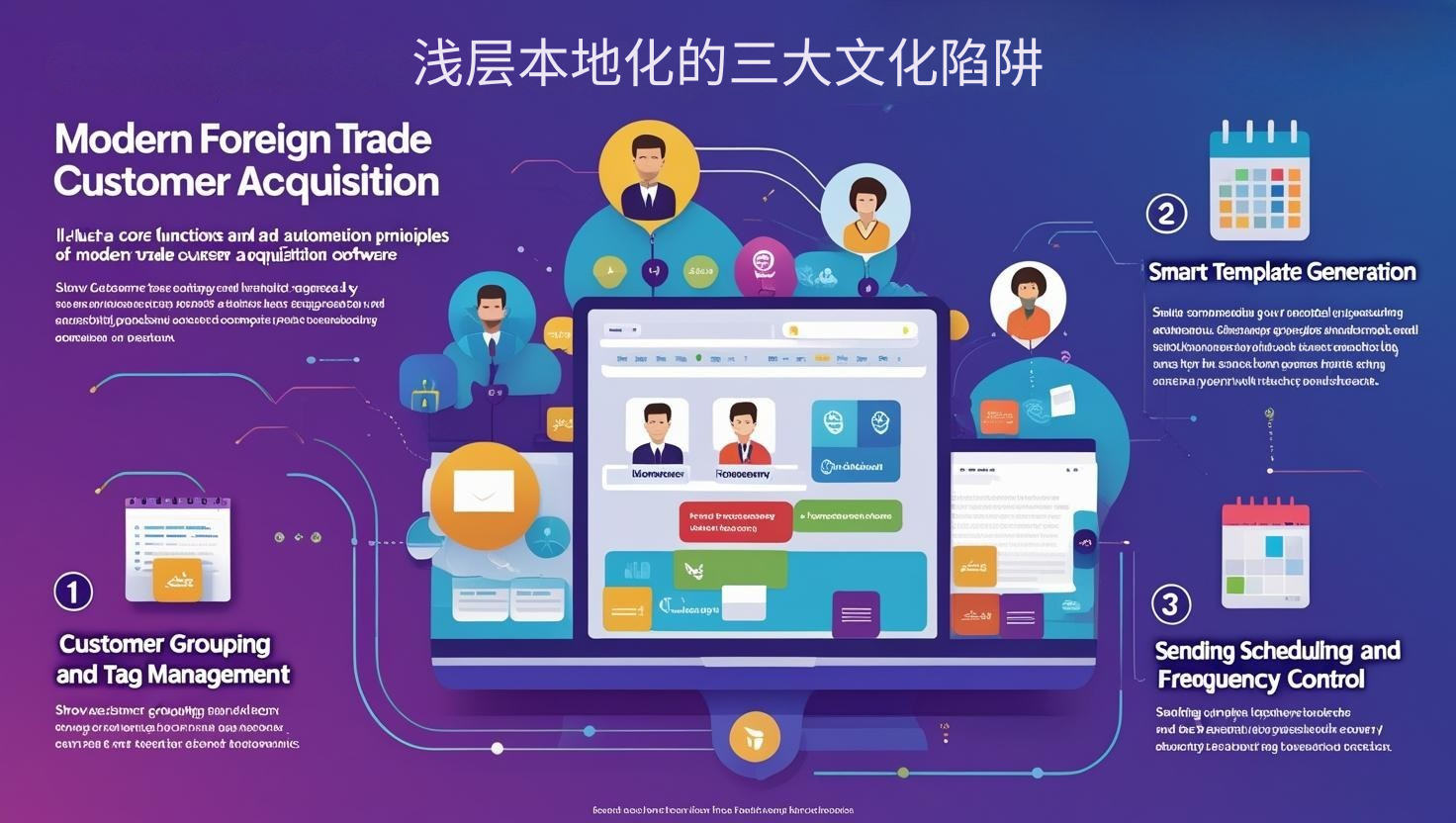
Three major cultural pitfalls of superficial localization Three major cultural pitfalls of superficial localization

1. Misalignment of symbolic cognition

  • A certain brand's green packaging caused its sales to plummet by 60% in the Southeast Asian market (a case of color taboo).
  • The semantic misunderstanding rate of icons is as high as 45%.

2. Distortion in value delivery

  • A literal translation of advertising slogans can trigger negative associations (a lesson learned by a car brand in the Middle East market).
  • The core selling point matching rate is less than 30%.

3. Discontinuity in the interactive experience

  • Customer service response time is out of step with local practices (a challenge faced by an electronics product company in the South American market).
  • The payment process bounce rate exceeds 65%.
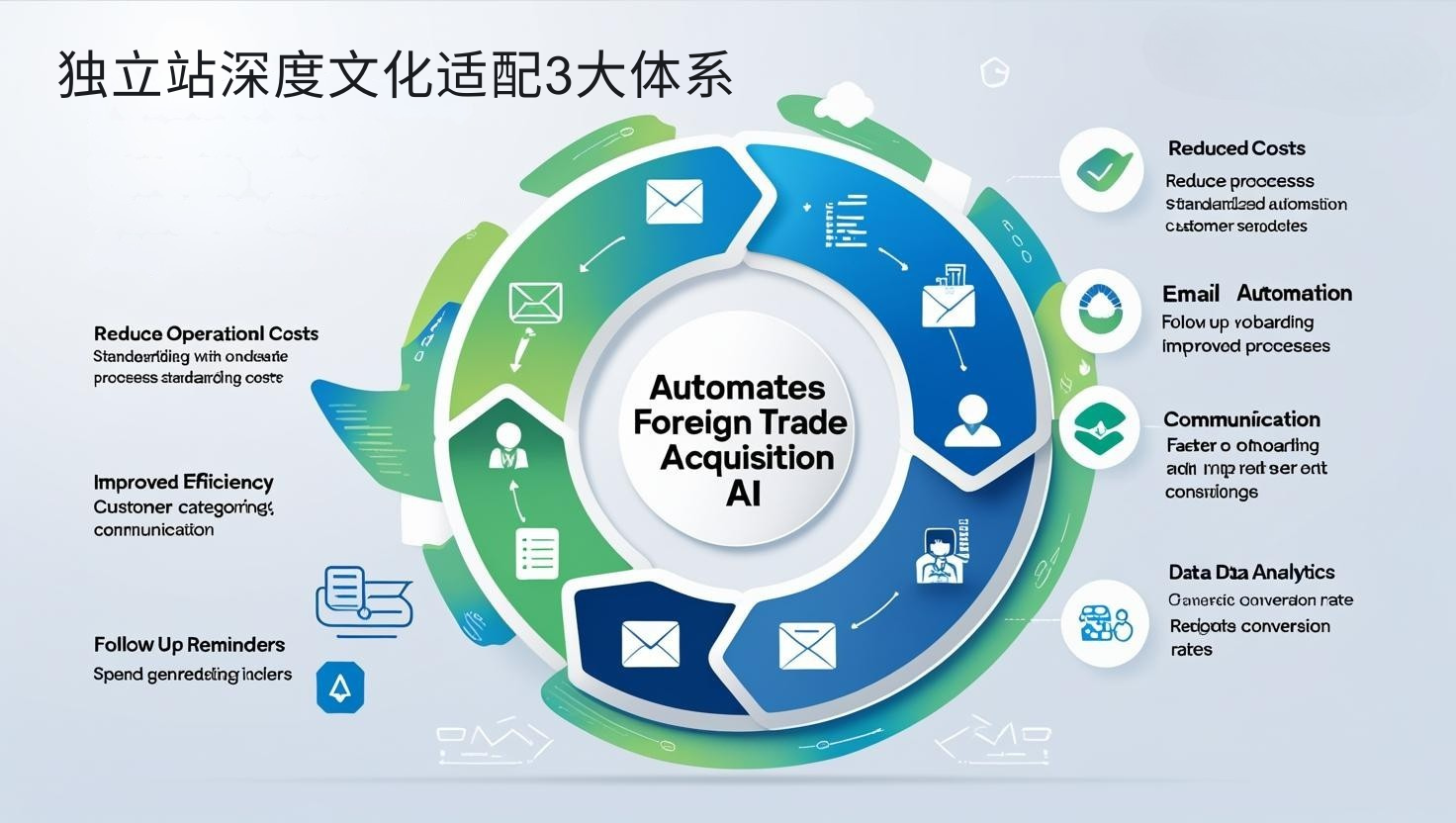
Independent website deep cultural adaptation 3 major systems Independent website deep cultural adaptation 3 major systems

1. Cultural Symbol Decoding System

  • Religious/Festival/Color Taboo Database (covering 200+ cultural dimensions)
  • Dynamic visual optimization engine

Data from the China Council for the Promotion of International Trade's Cross-Cultural Research Center shows that "symbolic adaptation increases brand favorability by 200%."

2. Context Reconstruction Platform

  • Automatic high/low context recognition (Asian vs. Western communication styles)
  • Emotional copywriting generation model

Global Cultural Business Alliance (GCBA) Research: Context Reconstruction Increases Information Transmission Efficiency by 3 Times

3. Behavioral Habit Mapping System

  • Localization of shopping paths (single-threaded vs. multi-threaded decision-making models)
  • Smart integration of social verification elements

Pinshop Solutions

Pinshop offers: ✅ Cultural Taboo Scanner ✅ Intelligent Contextual Workbench ✅ Behavioral Habit Analysis System ✅ Localization Effect Dashboard

Visit the Pinshop website now

Recommended article: Multilingual Independent Website Strategy: Balancing Localization and Internationalization Pinshop Foreign Trade Website Building

特色博客
Is it difficult to break through traditional website SEO? 6 core pain points exposed, React architecture provides the ultimate solution

Is it difficult to break through traditional website SEO? 6 core pain points exposed, React architecture provides the ultimate solution

Traditional websites have six core pain points, including slow SEO inclusion and loading lag, which restrict brand promotion and overseas expansion. Pinshop relies on the React+Next.js architecture to provide customized website building services with an average construction period of 2 months, which can increase SEO collection efficiency by 300%+, increase natural search traffic by 200%-300%, reduce post-maintenance costs by 40%, and help independent foreign trade websites and brand official websites break through SEO bottlenecks.

Is it difficult to break through traditional website SEO? Change to React architecture and see immediate results

Is it difficult to break through traditional website SEO? Change to React architecture and see immediate results

Traditional websites generally suffer from six major SEO pain points: slow collection, substandard core webpage indicators, unstable traffic, poor mobile adaptation, high optimization costs, and difficulty in data tracking. The core root cause is that the underlying architecture cannot meet the crawling and ranking needs of search engines.

Use Next.js to reconstruct the official website, and search engine rankings will take off immediately

Use Next.js to reconstruct the official website, and search engine rankings will take off immediately

Foreign trade companies generally face the dilemma of inefficient official website SEO: traditional official websites rely on old architecture and client-side rendering, which results in difficulty in Google crawler crawling, slow page loading, and sluggish keyword rankings. Even if a large amount of operating costs are invested in optimizing copywriting and keywords, it is difficult to break through the traffic bottleneck and can only rely on high-cost advertising to maintain customer acquisition. Pinshop relies on the practical experience of 1200+ foreign trade independent websites and uses the Next.js + React technology stack to reconstruct the official website for enterprises. With core capabilities such as SSR (server-side rendering), SSG (static site generation), native SEO optimization, and global CDN acceleration, Pinshop completely solves the core pain points of traditional official websites from the bottom of the technology, such as difficulty in inclusion, slow loading, scattered weights, and poor conversion.

React+Next.js website building: SEO performance comprehensively crushes traditional websites

React+Next.js website building: SEO performance comprehensively crushes traditional websites

Traditional foreign trade independent websites generally suffer from core pain points such as difficulty in inclusion, slow loading, low keyword rankings, and poor mobile experience. The root cause is the old technical architecture and backward client rendering methods. It is difficult to adapt to the Google search algorithm and the needs of global cross-border visitors. Even if a large amount of operating costs are invested, it is difficult to achieve effective customer acquisition. The React+Next.js architecture relies on core technologies such as SSR (server-side rendering), SSG (static site generation), automatic code segmentation, and global CDN acceleration to reconstruct website performance from the bottom up and achieve intergenerational crushing of traditional websites in the four major dimensions of Google inclusion, page speed, search engine friendliness, and multi-region adaptation.

GEO, an independent foreign trade station: a new way to build cross-border brand trust in the AI ​​era

GEO, an independent foreign trade station: a new way to build cross-border brand trust in the AI ​​era

Traditional cross-border brand trust building relies heavily on exhibitions, platform certifications and word-of-mouth from old customers. In the era of AI search, it has been difficult to reach new buyers. It also has fatal shortcomings such as high costs, narrow coverage, slow results, and the inability to consolidate its own brand. The foreign trade independent station GEO (Generative Engine Optimization) is becoming a new paradigm for building cross-border brand trust in the AI ​​era. Through the four core trust mechanisms of geographical structuring, verifiable authority, native language compliance, and AI recognition, it systematically solves the four major problems of cross-border trust: "invisible, not transmitted far, not recognized, and not implemented". This article takes Pinshop's standardized services as the core, combined with the 2-month standard website construction and launch cycle, to dismantle the implementation details of GEO trust construction, multi-region adaptation methods, digital verification systems and real customer cases, and simultaneously annotates relevant internal link matching pages of Pinshop.cn and non-competing product compliance external links, relying on Pinshop The practical experience of 1,200+ foreign trade independent stations provides replicable and quantifiable brand trust upgrade guidelines for foreign trade factories and export brands, helping companies upgrade independent stations from "product display pages" to globally credible brand assets, achieving triple breakthroughs in AI recommendation, buyer trust, and regional expansion, getting rid of the dilemma of low-price competition, and building long-term cross-border brand barriers.

Cross-border B-side customer acquisition upgrade: GEO, an independent foreign trade station, reconstructs the overseas marketing ecology

Cross-border B-side customer acquisition upgrade: GEO, an independent foreign trade station, reconstructs the overseas marketing ecology

Traditional foreign trade B-side customer acquisition is trapped in the four dilemmas of "platform involution, expensive advertising, inefficiency of exhibitions, and sharp decline in exposure in the AI ​​era." The foreign trade independent websites of most companies only stay at the level of "product display + language translation" and cannot adapt to the search habits and decision-making logic of overseas buyers, making it difficult to achieve independent customer acquisition. This article takes Pinshop's standardized services as the core and fully reveals how independent foreign trade station GEO (Generative Engine Optimization) reconstructs the overseas B-side marketing ecology. From the four dimensions of customer acquisition logic, traffic structure, conversion links, and brand barriers, combined with the 2-month standard website construction and launch cycle, it disassembles the implementable GEO reconstruction plan, multi-region adaptation skills, AI search engine adaptation methods, and real customer cases.