

How to use data analysis to improve customer conversion rate when building a foreign trade website

  • Independent station technology optimization
  • Independent website marketing and promotion
  • Independent website operation strategy
  • Foreign trade website
Posted by 广州品店科技有限公司 On Aug 20 2025

1. The importance of foreign trade website construction and data analysis

In an environment of increasingly fierce global foreign trade competition, companies can no longer sustain customer acquisition solely by relying on product advantages. Foreign trade website development combined with data analysis can help companies gain insights into customer behavior, optimize website layout and marketing strategies, and thus increase conversion rates.

According to data from the China Electronic Commerce Association (CECA) , companies that use data analytics to optimize their websites see an average 18% increase in potential customer conversion rates. By analyzing user access paths, dwell time, and click behavior, companies can identify potential issues and implement targeted optimizations, such as adjusting product display order or optimizing form design.
2. Key Data Indicators and Analysis Methods

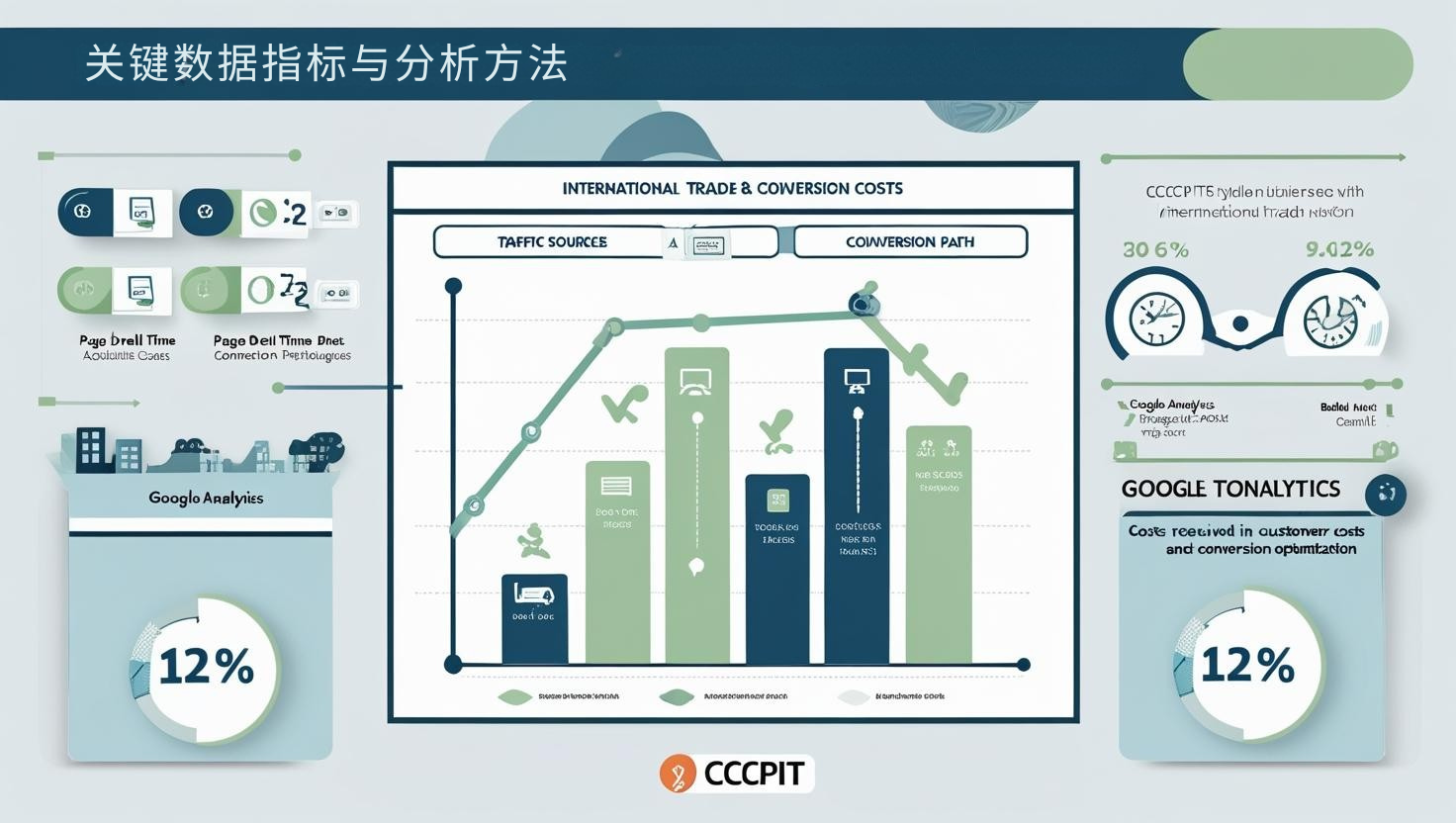
2. Key Data Indicators and Analysis Methods

Data analysis for foreign trade website development should focus on metrics such as traffic sources, page dwell time, conversion paths, and bounce rates. Companies can use tools like Google Analytics and Baidu Tongji to collect and analyze data and combine it with A/B testing to verify optimization results.

The China Council for the Promotion of International Trade (CCPIT) states that companies that regularly conduct data analysis and conversion optimization see an average 12% reduction in customer acquisition costs. Furthermore, by analyzing customer attributes and behavioral trends, companies can develop more precise marketing strategies, such as targeted content recommendations, multilingual optimization, and regional advertising.

3. Practical application of data analysis for foreign trade website construction

In practice, companies can use foreign trade website building platforms to monitor potential customer churn. For example, by analyzing data such as form completion, shopping processes, and email subscription click-through rates, they can identify customer churn points and optimize them.

Research by the China E-Commerce Research Center (CECRC) shows that by optimizing data analysis processes, independent website businesses can increase their customer return rates by an average of approximately 20%. One machinery exporter analyzed visitor hotspots and form completion rates, re-arranging page elements and significantly increasing the likelihood of potential customers completing orders.
Foreign trade website building: 4. Integrate data analysis and marketing strategy

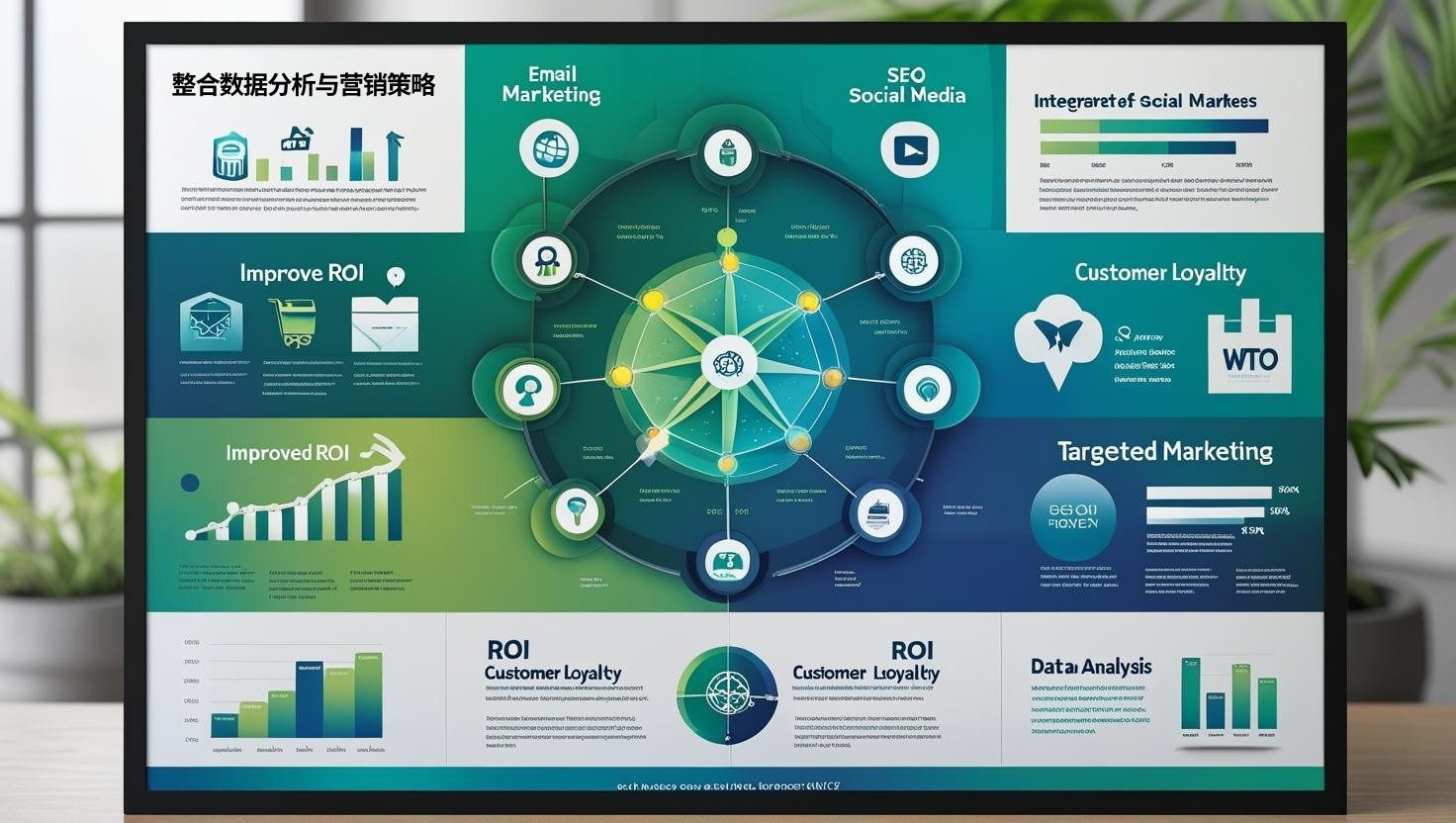
4. Integrate Data Analysis and Marketing Strategies

Through data analysis, companies can achieve targeted marketing, improve marketing ROI and increase customer loyalty. For example, based on visitor behavior data, email marketing content, social media advertising strategies, and SEO content optimization can be adjusted.

By combining international market data released by the World Trade Organization (WTO) , companies can more accurately understand the purchasing behaviors and preferences of customers in different countries. This data-driven strategy can help companies achieve targeted customer acquisition and increased conversion rates when building websites for international trade.

Summary and CTA

Combining data analysis with website development for international trade can help companies optimize user experience, increase customer conversion rates, and enhance their international competitiveness. By monitoring key data indicators, optimizing website pages and marketing strategies, and citing authoritative market data, companies can achieve sustainable growth.

Pinshop's website building platform provides full-process data analysis and optimization tools, supports independent site SEO, customer behavior monitoring, marketing automation and multilingual display, helping companies quickly improve conversion rates and international market competitiveness.


Try Pinshop now Pinshop foreign trade website

特色博客

Tag:

  • Independent station
  • Independent website traffic acquisition
  • Independent website marketing strategy
  • Independent station conversion and improvement
  • Independent station technology construction
分享
特色博客
How to write copy on the home page of an independent website so that foreigners will never forget it?

How to write copy on the home page of an independent website so that foreigners will never forget it?

In 2026, it only takes 3 seconds for overseas B-side purchasing and browsing independent websites to determine the brand value. Poor homepage copywriting, too many cliches in templates, no hierarchical logic, and no AI structured semantics are the core reasons why 90% of foreign trade websites cannot retain customers and have sluggish inquiries. Traditional WP template site copywriting only satisfies basic reading and is completely unsuitable for GEO generative engine optimization. It cannot be captured by Google SGE and ChatGPT for price comparison, and dual-line traffic continues to be lost. Pintreel React+Next native integrated website building, comes with a B-side hierarchical homepage copywriting system, automatically adapts to SEO and AI large model semantic collection, and the standardized construction cycle takes an average of 2 months.

There is no inquiry from the independent station? There may be something wrong with these 3 places

There is no inquiry from the independent station? There may be something wrong with these 3 places

Diagnostic data from thousands of independent foreign trade websites show that no inquiries are mostly caused by the combination of lost visitors due to page loading, insufficient Google inclusion, and lack of AI price comparison GEO semantics. The integrated bottom layer of pintreel React+Next simultaneously opens up three inquiry links: visitor retention, search traffic, and AI price comparison. The standard website construction takes an average of 2 months, and the expedited exhibition website can be launched in 12 days.

Building an international website for automotive parts: Effectively conveying OEM compatibility information

Building an international website for automotive parts: Effectively conveying OEM compatibility information

This article, based on the latest standards from the Society of Automotive Engineers (SAE), systematically explains how automotive parts companies can build technical trust with overseas buyers by showcasing professional compatibility information.

Website Building for Medical Device Export: Techniques for Showcasing International Certifications and Product Descriptions

Website Building for Medical Device Export: Techniques for Showcasing International Certifications and Product Descriptions

This article, based on the latest requirements of international medical device regulatory agencies, systematically explains how to build a professional and reliable medical device foreign trade platform through standardized certification display and technical document management.

Content Distribution Channel Evaluation Matrix: Where Should You Focus Your Efforts? — Precise Traffic Targeting Strategies for Foreign Trade Websites

Content Distribution Channel Evaluation Matrix: Where Should You Focus Your Efforts? — Precise Traffic Targeting Strategies for Foreign Trade Websites

Based on channel data analysis of 63 foreign trade enterprises, a four-dimensional evaluation model of "cost-quality-scale-sustainability" was constructed to provide quantifiable channel grading standards and solve the industry pain point of "casting a wide net with low conversion".

Compliance requirements for foreign trade website building for food import and export enterprises

Compliance requirements for foreign trade website building for food import and export enterprises

This article, based on the latest research from the International Food Trade Association, systematically elaborates on the seven key compliance areas that food import and export companies need to focus on during the website construction process and corresponding strategies.