
1. Clarify the core value of your landing page
The landing page is the first point of contact between a website and its customers. If the information is redundant or the value is unclear, users will quickly leave.
The title must contain core keywords and be consistent with the ad/search intent.
The first screen of the page must convey a clear value proposition.
Google Search Central clearly states that page relevance and matching are the key to search ranking and user experience.
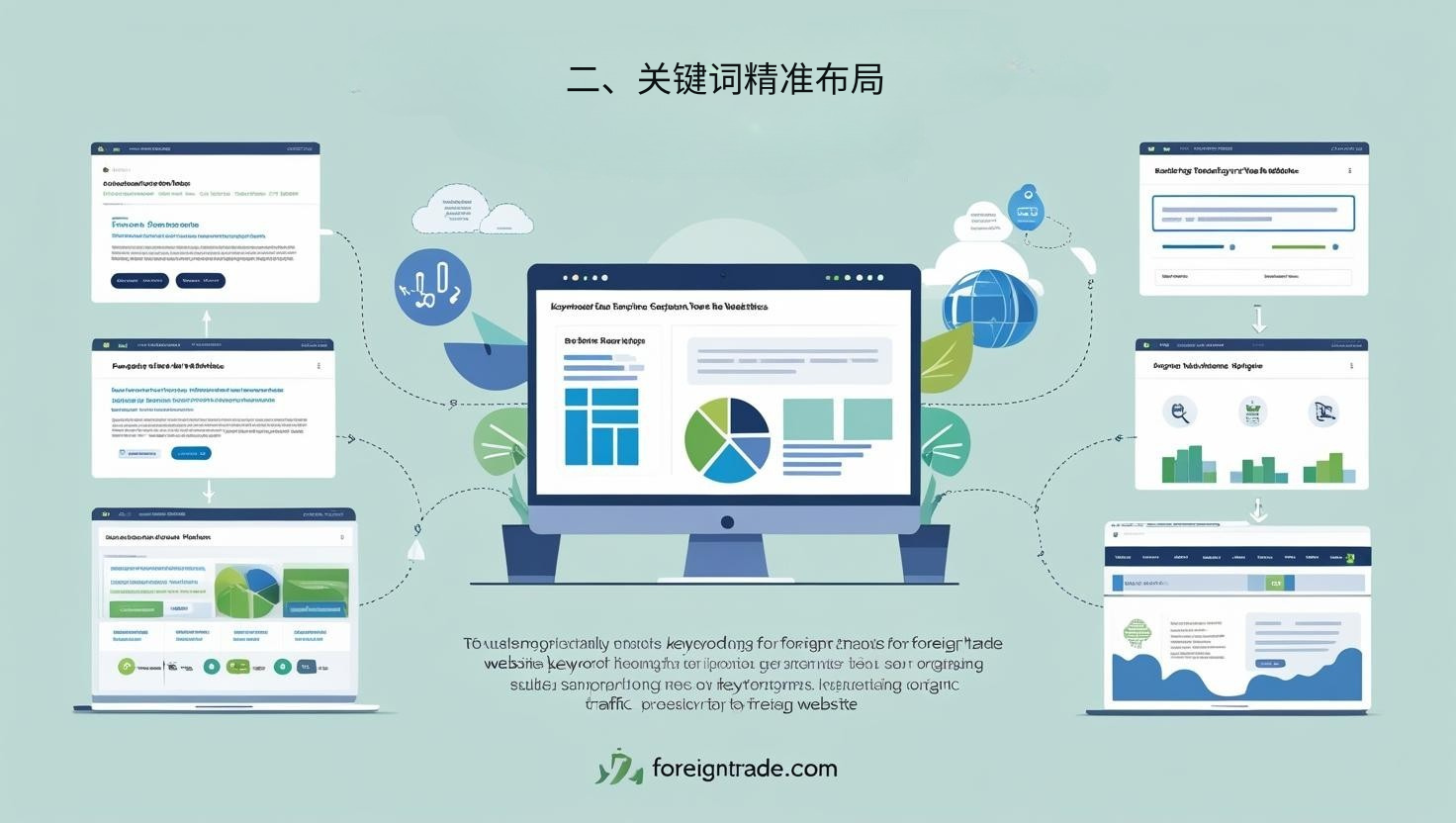
2. Accurate keyword layout
Acquiring organic traffic starts with a keyword strategy. Common mistakes are keyword stuffing or over-generalization.
Naturally embed the keyword "foreign trade website" in the title, Meta description, H1 tag and first paragraph.
Optimize long-tail keywords for different markets (such as "foreign trade website SEO optimization techniques").
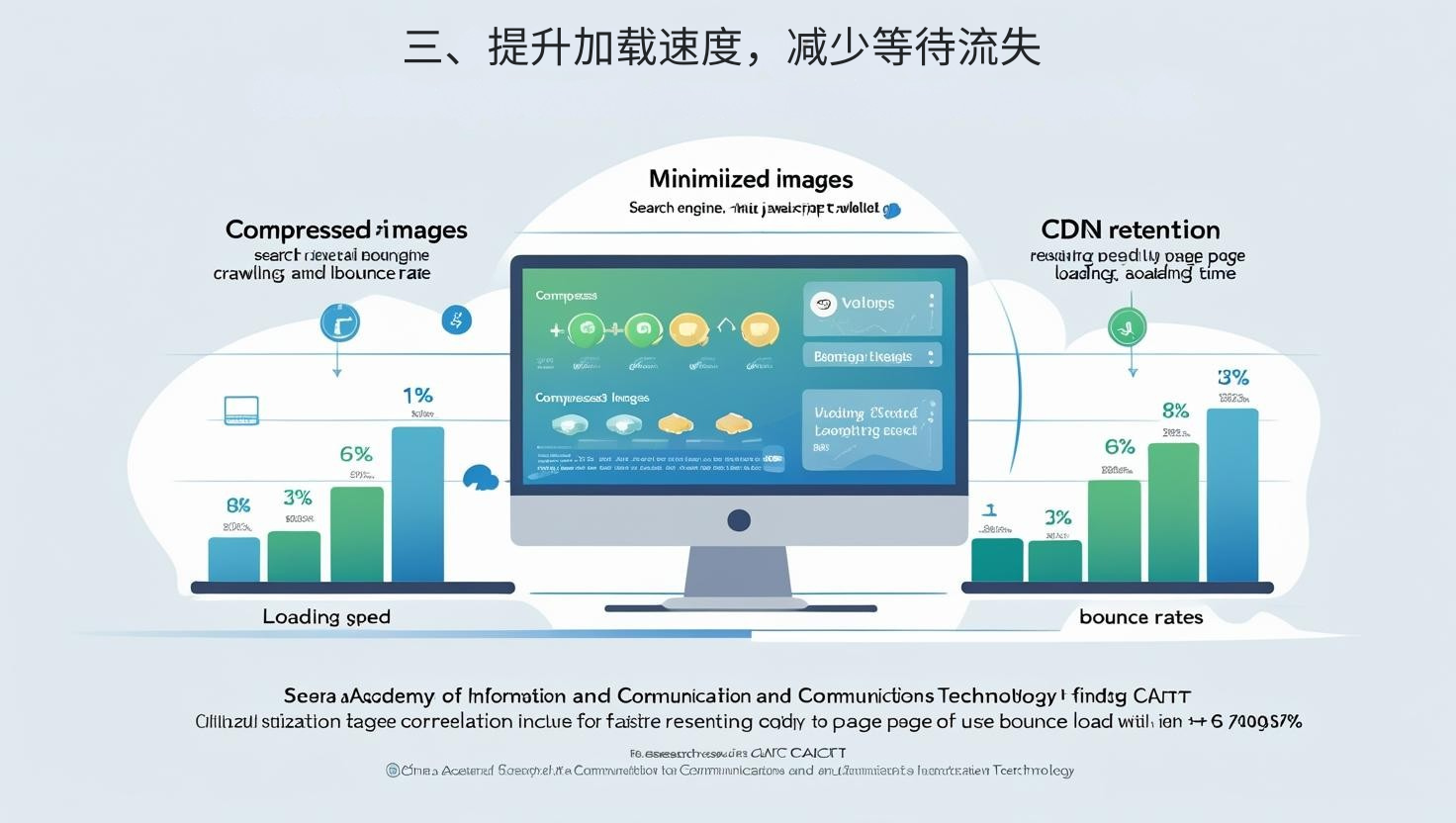
3. Improve loading speed and reduce waiting time
Slow page speed is one of the biggest culprits for bounce rate.
Compress images, reduce JS calls, and use CDN acceleration.
Research by the China Academy of Information and Communications Technology (CAICT) shows that website loading speed is highly correlated with search engine crawling efficiency and user retention time.
An efficient foreign trade website must take into account both speed and stability.
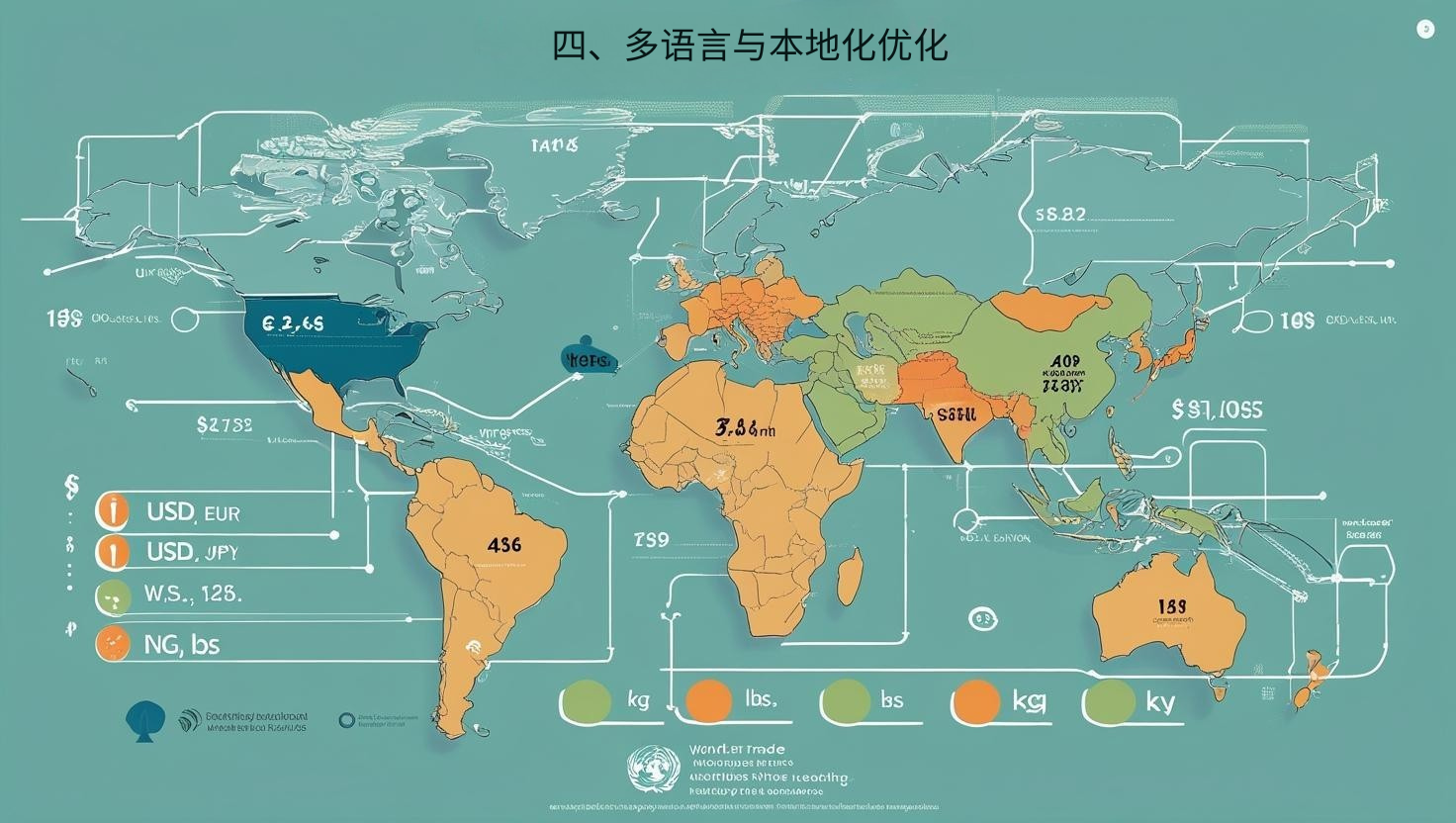
4. Multilingual and Localization Optimization
If your target customers come from multiple countries, providing only an English page is not enough.
Available in multiple languages for key markets.
Localize currency, measurement units, and content expressions.
According to research by the World Trade Organization (WTO) , multilingual localization can significantly enhance cross-border customer trust and reduce bounce rates.
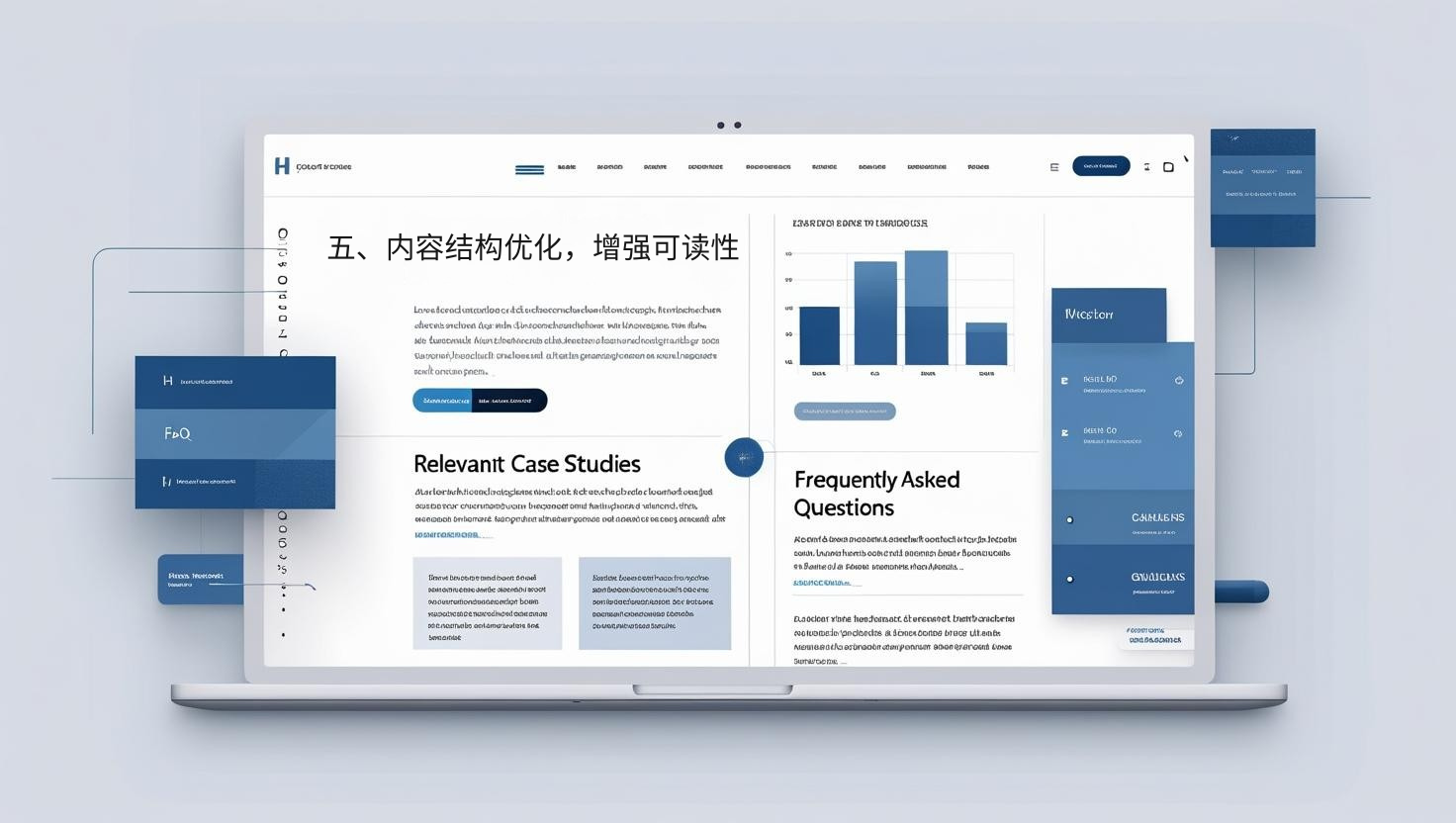
5. Optimize content structure to enhance readability
Many foreign trade websites have piled up content without a clear logical hierarchy, and users will leave quickly.
Use H2 and H3 layered layout with concise paragraphs.
Add charts, cases and FAQs to improve information readability.
Internal links to related content increase the time users spend on the site.
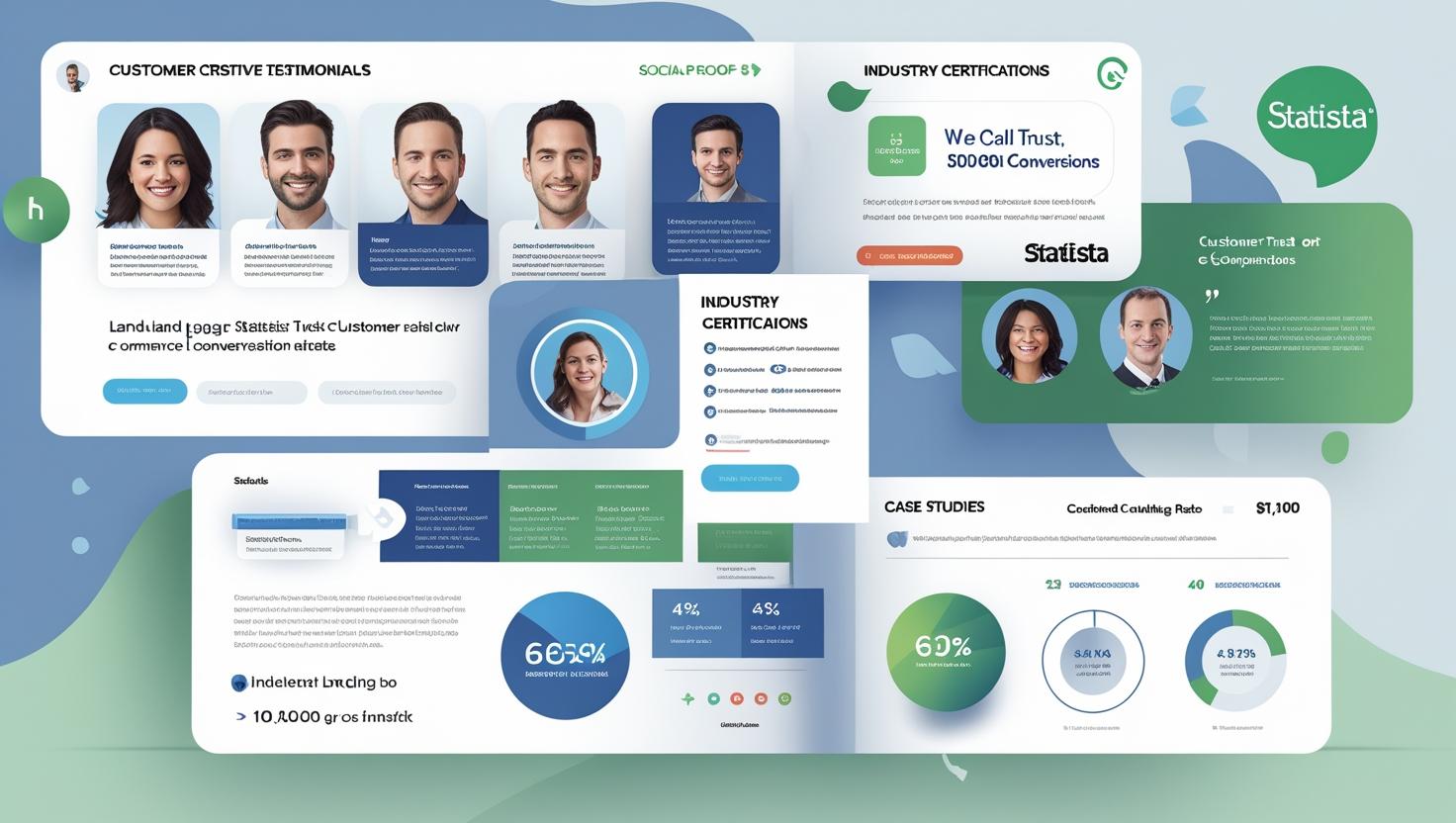
6. Social Proof and Authoritative Endorsement
Customers often lack a sense of trust when they first visit a foreign trade website.
Showcase customer testimonials, industry certifications, and collaboration cases.
Cite data from authoritative organizations (such as Statista ) to enhance your persuasiveness.
This not only reduces the bounce rate, but also increases the conversion rate brought by natural traffic.
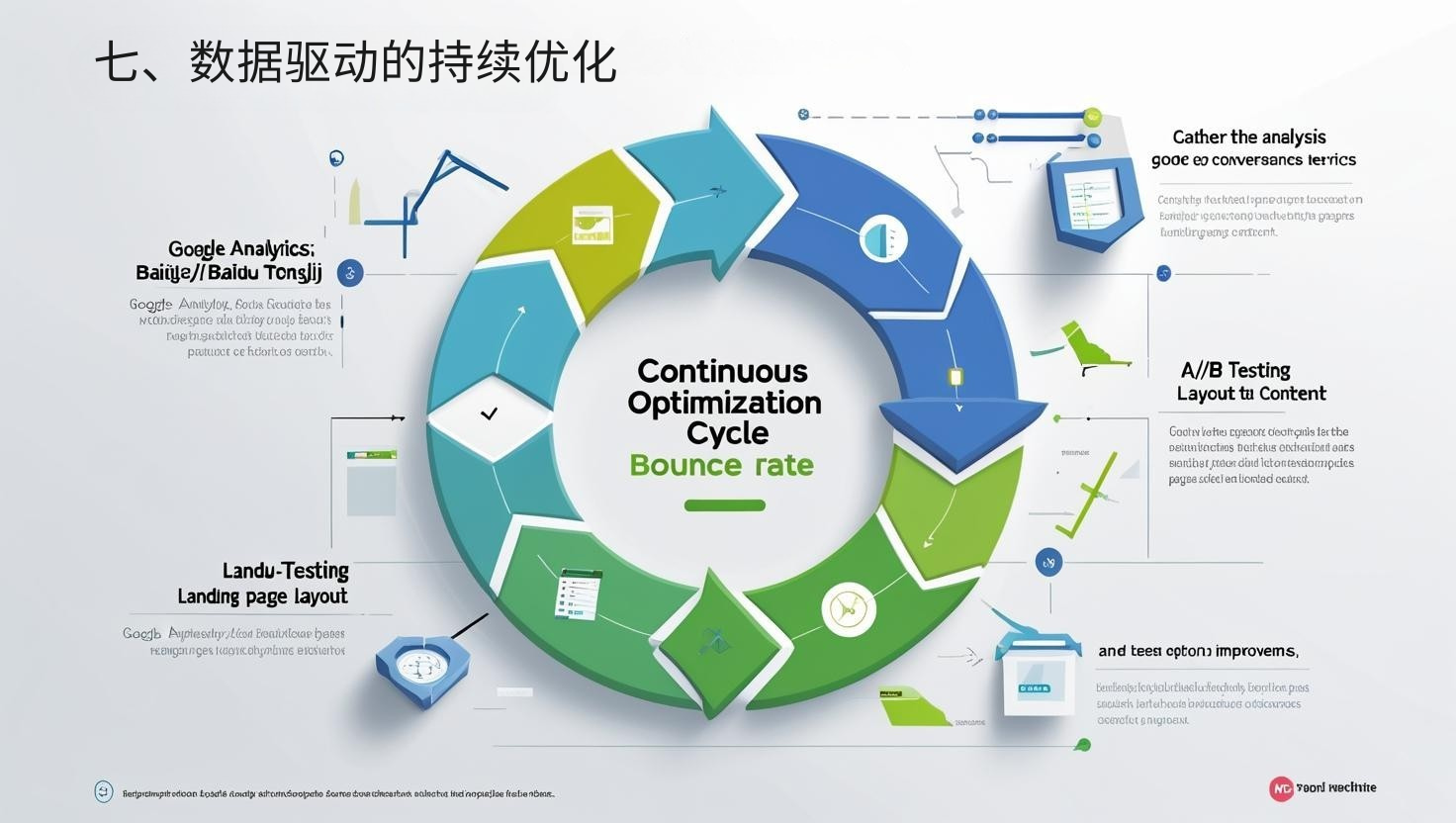
7. Data-driven continuous optimization
Bounce rate optimization is not a one-time job, but an ongoing adjustment.
Use Google Analytics or Baidu Statistics to analyze user paths and dwell time.
Observe the conversion effects of different landing pages and dynamically adjust the layout and content.
Foreign trade websites need to establish a "testing-analysis-optimization" cycle mechanism to ensure maximum conversion of natural traffic.
Recommended related articles: Foreign trade customer acquisition software + independent website: traffic conversion golden combination
Optimizing your independent website's landing page isn't simply about beautification; it's a systematic process centered around user experience, SEO techniques, and data-driven approaches. Through keyword placement, speed optimization, multilingual adaptation, content structure, and authoritative endorsements, foreign trade websites can not only reduce bounce rates but also continuously increase organic traffic and conversion rates.
👉 If you're looking to quickly build a website that adheres to SEO best practices, supports multiple languages, and automatically updates, we recommend using the Pinshop website building platform . It helps business owners and foreign trade decision-makers use intelligent tools to reduce operating costs, increase organic traffic, and achieve sustained global customer growth.