
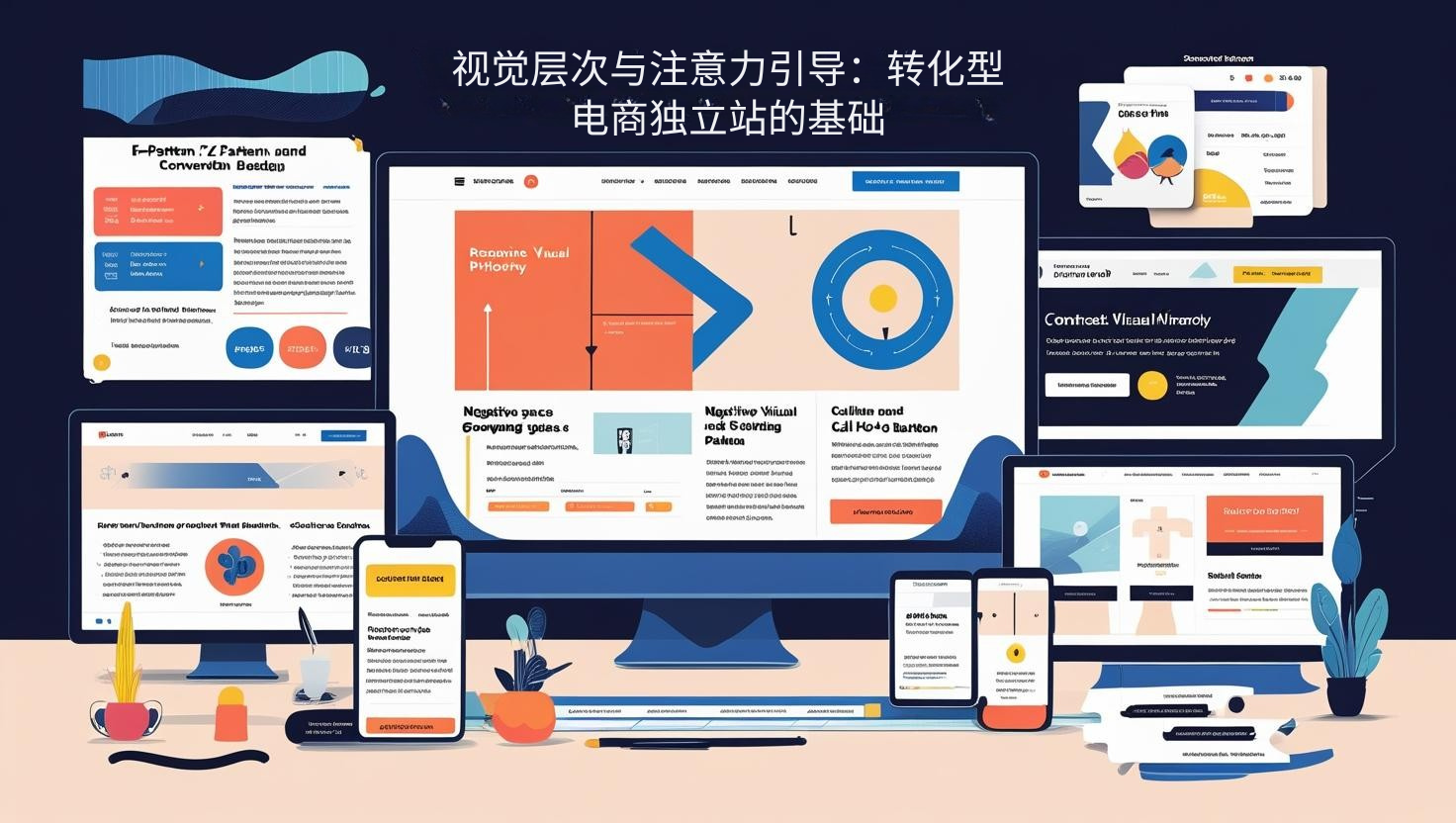
 Visual Hierarchy and Attention Guidance: The Foundation of a Conversion-Driven E-Commerce Independent Website
Visual design determines user guidance. According to research by the Nielsen Norman Group, a clear visual hierarchy can increase user task completion rates by up to 89%, directly impacting the efficiency of the conversion path.
Designing a Visual System That Guides Conversion
-
Prioritizing Key Elements and Visual Weight: Apply the F-pattern and Z-pattern eyepath design principles; establish a visual hierarchy based on size, color, and contrast; implement negative space and grouping techniques to guide attention; consider the impact of cultural differences on visual scanning patterns; optimize the unique visual hierarchy for vertical scanning on mobile devices; design responsive visual priorities for different screen sizes; and pay special attention to subtle differences in cross-cultural visual perception. A highly effective strategy is "hierarchy of contrast," which creates clear visual paths through intentional contrast. Studies have shown that this approach can increase the recognition rate of key information by approximately 42%, significantly improving user comprehension.
-
Visually Prominent Conversion Triggers: Design visual features for call-to-action buttons that are eye-catching but not obtrusive; apply color psychology principles to reinforce conversion elements; implement directional cues and visual guides; consider the attention value of dynamic elements and micro-interactions; optimize the timing of contextual visual emphasis; create a visual rhythm that controls information digestion and decision-making; and pay special attention to cultural differences in color meaning across different markets. Research shows that strategically placed CTA buttons increase click-through rates by an average of approximately 32% compared to standard designs, while appropriate visual cues can increase form completion rates by approximately 27%.
-
Visual Consistency and Brand Trust Building: Develop a sitewide visual language and design system; establish consistent standards for color, typography, and imagery; implement user experience principles of visual anticipation and pattern recognition; consider a balanced strategy of cultural adaptability and global consistency; optimize the synergy between brand visual elements and conversion factors; design a visual rhythm for progressive brand exposure and trust-building; and pay special attention to the differences in expectations of brand visual expression across different markets. A key principle is the "Visual Trust Ladder," which builds trust gradually through systematic visual elements. Data shows that this approach can increase new visitor conversion rates by approximately 24%, particularly useful for cross-border brands where brand awareness is not widespread.
 Content Strategy and Value Communication: The Persuasive Power of Building a High-Conversion, Self-Built Independent Website
Content strategy determines the persuasive power of conversions. According to research by the Content Marketing Institute, an optimized content strategy can increase conversion rates by up to six times and is a key component in building trust.
Build a persuasive content system
-
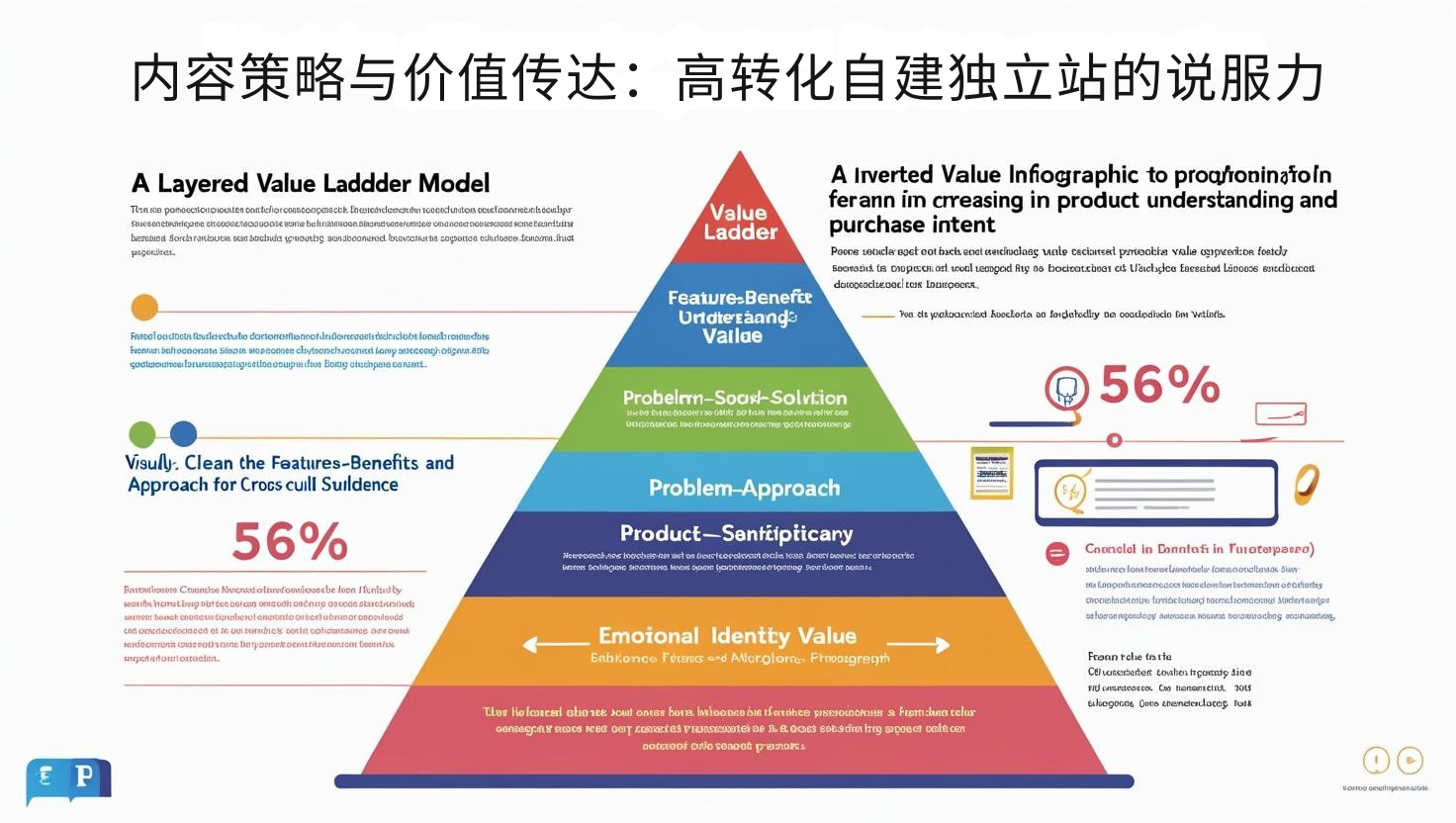
Product Value Proposition and Differentiation Communication: Develop a clear and concise core value proposition; establish a systematic presentation of the Features-Advantages-Value (FAB) framework; implement a problem-solution framework to enhance relevance; consider the value priorities and differences across different markets; optimize content strategies to balance technical and emotional value; design integrated presentations that integrate data support and authoritative evidence; and pay special attention to the nuances of cross-cultural value perceptions. An effective framework is the "Value Ladder Model," which presents value layer by layer, from basic functionality to emotional and identity value. Research shows that this structure can increase product understanding by approximately 56% and significantly enhance purchase intent.
-
User-Centered Content Structure and Scannability: Apply an inverted pyramid structure to prioritize key information; establish a multi-level heading system and information segmentation strategy; implement bullet points and concise paragraphs to improve scannability; simplify and reorganize content for mobile reading scenarios; optimize visual emphasis and typographic treatment of key information; design progressive disclosure to manage cognitive load; and pay special attention to differences in reading patterns and habits across different languages. Research shows that pages optimized for scannability increase dwell time by approximately 58% and conversion rates by approximately 39% compared to traditional, text-heavy pages, demonstrating the critical role of content structure.
-
Social Proof and Trust Content Strategy: Develop a multi-level social proof system and presentation strategy; build a combination of trust content using data, stories, and visuals; implement targeted proof for specific industries and audiences; consider the differences in trust triggers across markets and cultures; optimize the placement and contextual presentation of social proof; design a balanced approach between user-generated content and professional endorsements; and pay special attention to brand trust-building strategies in international markets. One conversion strategy is "contextual trust content," which precisely delivers relevant testimonials at points of doubt. Data shows that this approach is approximately 47% more effective than randomly distributed testimonials, significantly reducing purchase resistance.
 User Experience and Conversion Path: Smooth Experience of Cross-border E-commerce Independent Websites
User experience determines conversion completion rates. According to Forrester research, an optimized user experience can increase conversion rates by up to 400%, making it a key determinant of conversion funnel efficiency.
Designing a Frictionless Conversion Experience
-
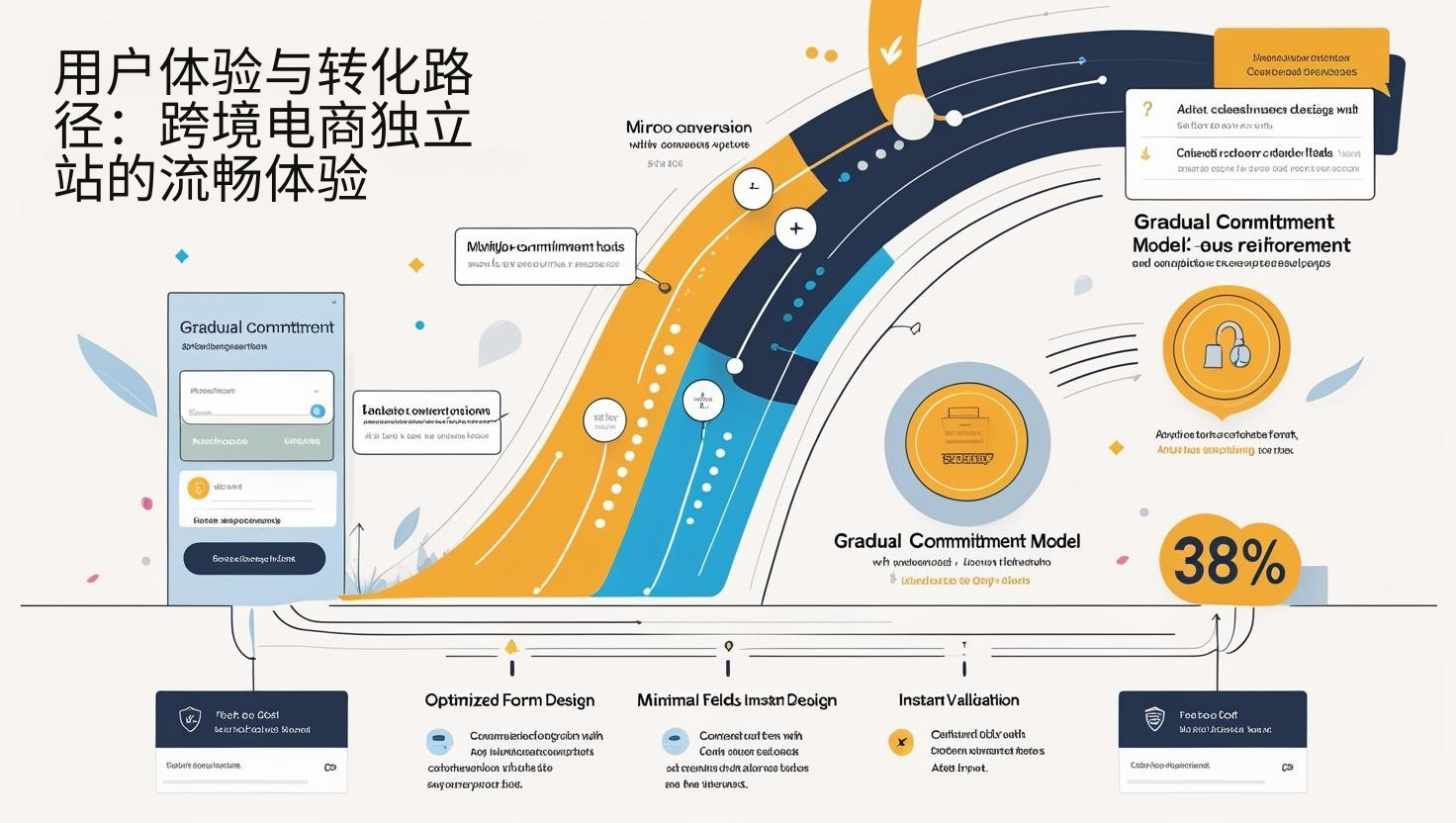
Conversion Funnel and Micro-Conversion Design: Map and optimize the complete conversion funnel path and steps; design micro-conversion sequences that guide users toward commitment; implement progress indicators and psychological reinforcement of a sense of accomplishment; consider the differences in decision paths across products and price points; optimize abandonment recovery and re-engagement triggers; create multiple entry points and contextually relevant conversion paths; and pay special attention to the differences in the pace and steps of the decision-making process across cultures. A highly effective approach is the "Gradual Commitment Model," which breaks down large decisions into small steps. Research shows that this approach can increase conversion rates for complex products by approximately 38% and significantly reduce decision anxiety.
-
Form Design and Data Collection Optimization: Implement a systematic strategy to simplify form fields and reduce required fields; apply segmented forms and progressive collection of contextually relevant fields; implement instant validation and intelligent error handling mechanisms; consider address formats and data usage in different countries; optimize the mobile input experience and keyboard type settings; design convenient options for social login and data pre-population; and pay special attention to the privacy concerns and data sensitivity of international users. Research shows that optimized form design can increase completion rates by up to 120%, while reducing each unnecessary field can increase conversion rates by approximately 7% on average.
-
Call to Action (CTA) and Decision Facilitation: Design clear and direct CTA text and psychologically-triggered language; establish a visually prominent and contextually relevant CTA placement strategy; implement effective and honest use of urgency and scarcity; consider cultural differences in responses to direct vs. indirect calls to action; optimize mobile touch experience and button size accessibility; create a visual hierarchy of primary and secondary call to action options and guide decisions; pay special attention to the differences in purchase decision triggers across different markets. One conversion strategy is "value-enhanced CTAs," which emphasize core value rather than functionality in call to action buttons. Data shows that this approach increases click-through rates by an average of approximately 36% compared to generic CTAs, significantly increasing conversion intent.
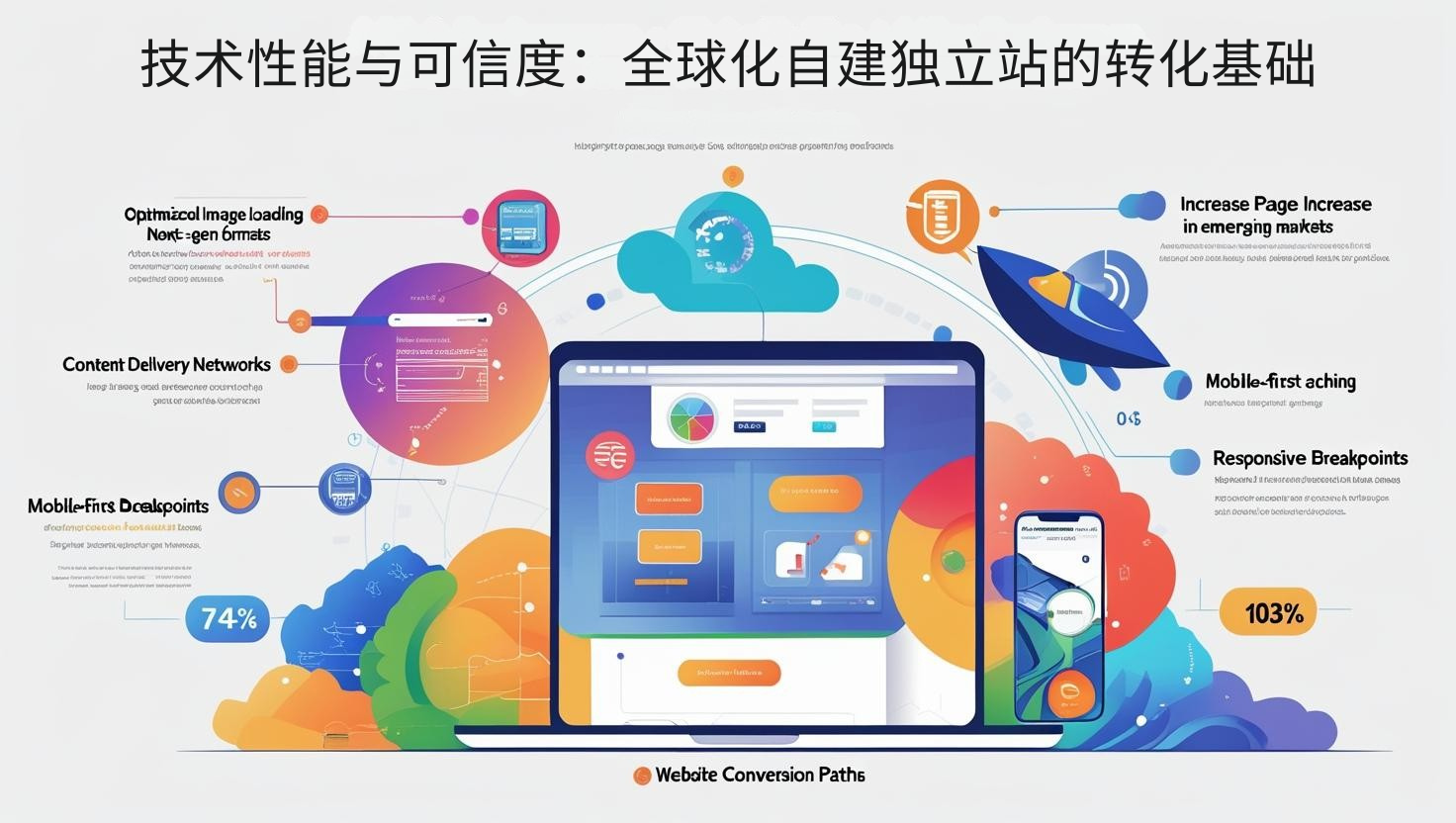 Technical Performance and Credibility: The Conversion Foundation of Global Self-Built Independent Websites
Technical performance determines user retention and conversion opportunities. According to Google research, every additional second of page load time reduces conversion rates by an average of 12%, making it a key determinant of basic conversion potential.
Building a High-Performance Conversion Platform
-
Page Speed and Responsiveness Optimization: Implement image optimization and system application of next-generation formats; establish optimization strategies for the critical rendering path and core web page metrics; implement efficient resource prioritization and lazy loading; consider network conditions and device characteristics in different markets; optimize server response times and backend processing efficiency; design a global strategy for content delivery networks and edge caching; and pay special attention to performance under mobile network conditions. Research shows that improving page load time from 8 seconds to 2 seconds can increase conversion rates by an average of approximately 74%, with the improvement being even more significant in emerging markets, reaching up to 103%.
-
Mobile Experience and Cross-Device Consistency: Design truly mobile-first interfaces and interactive experiences; establish touch-friendly element size and spacing standards; implement content prioritization and reorganization strategies for mobile contexts; consider responsive breakpoint optimization for different screen sizes; optimize the mobile conversion path and simplify the decision-making process; create a consistent experience and seamless transition mechanism across devices; and pay special attention to adapting the experience to mobile-centric consumption patterns in emerging markets. A key approach is to prioritize the core experience, focusing on cross-device consistency of the most critical features. Research shows that this strategy can increase completed purchases by approximately 43% across devices.
-
Security Signals and Brand Trustworthiness: Display clear visual signals of payment security and data protection; establish a transparent and concise privacy policy and terms; implement effective displays of industry certifications and security standards; consider market differences in the perception of specific trust symbols; optimize the clear display of contact information and corporate entities; design effective communication about customer support accessibility; and pay special attention to the unique requirements for building trust in different cultural contexts. A highly effective strategy is a "tiered trust system," displaying specific trust elements based on the purchase stage. Research shows that this approach increases conversion rates by an average of approximately 29% compared to uniformly displaying all trust symbols, creating a more targeted trust experience.
With increasingly fierce global e-commerce competition, systematic conversion rate optimization has become a key factor in the success of self-built e-commerce websites. By understanding and implementing the common characteristics of high-converting pages, from visual hierarchy to content strategy, from user experience to technical performance, companies can significantly improve their website's conversion efficiency, achieving higher returns on marketing investments and business growth. The key is to view conversion rate optimization as an ongoing, systematic project rather than isolated improvement actions. Through a data-driven approach, continuous testing, learning, and optimization can build a truly efficient conversion funnel.
Related article recommendations: https://pinshop.cn/zh-Hans/blog/what-is-independent-site-for-business