

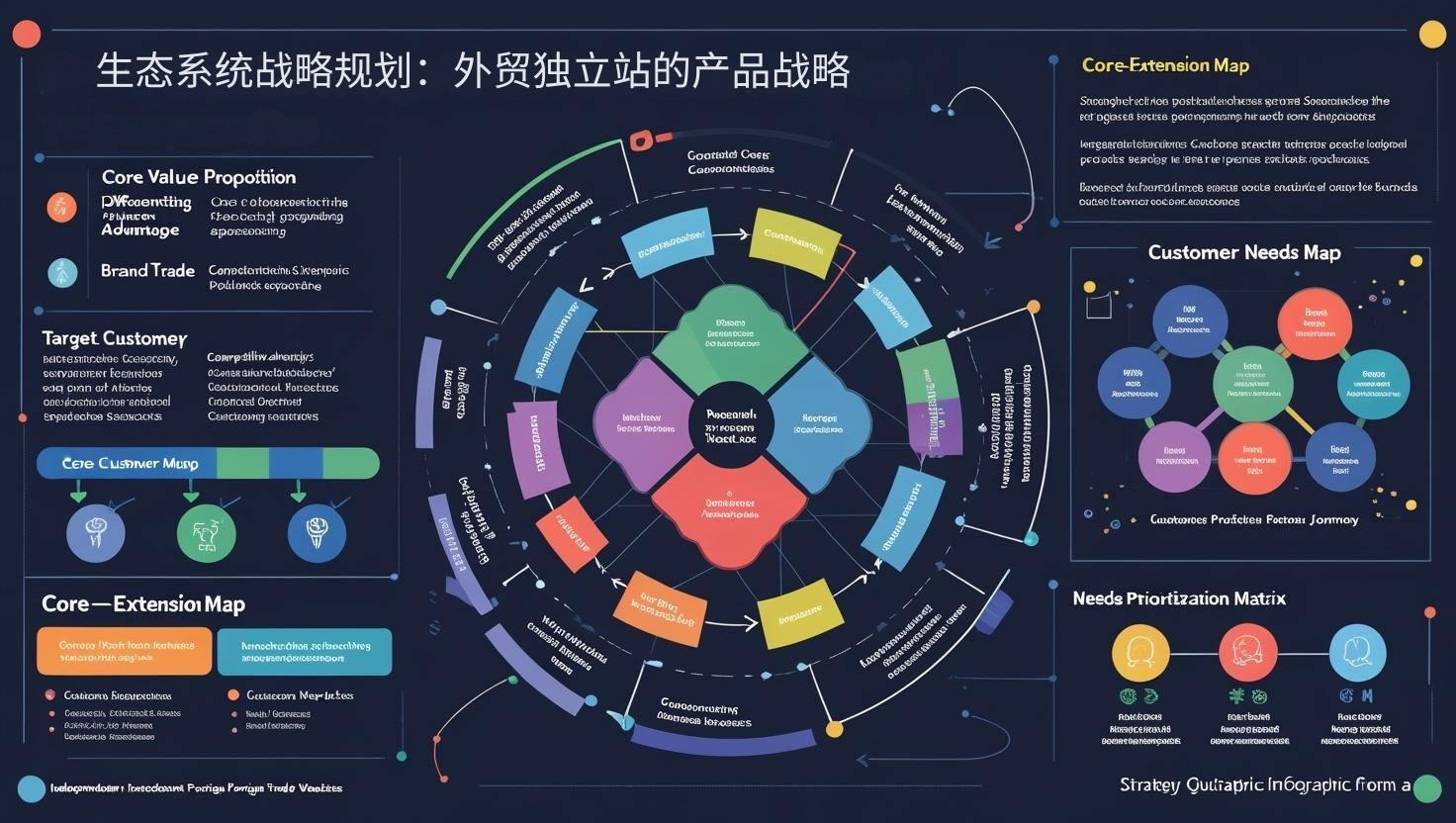
 Ecosystem Strategic Planning: Product Strategy for Independent Foreign Trade Websites
Strategic positioning determines ecosystem value. According to research by Bain & Company, brands with a clear ecosystem strategy achieve an average 53% higher conversion rate for their ecosystem products than competitors who expand opportunistically.
Building an Ecosystem Strategy for Independent Foreign Trade Websites
-
Core Value Proposition and Ecosystem Positioning: Clearly define the brand's core value proposition and differentiated advantages; establish the core product of the ecosystem and the expansion boundaries; analyze the target customer's complete demand journey and pain points; research competitors' product strategies and market gaps; assess how brand assets support ecosystem expansion; create an ecosystem vision and phased goals; and pay special attention to the impact of cultural differences in cross-border markets on ecosystem acceptance. One strategic approach is the "core-extension map," which systematically plans the expansion path from the core product outward. Research shows that this structured approach can increase the success rate of ecosystem expansion by approximately 37%, avoiding distraction and wasted resources.
-
Customer Needs Mapping and Ecosystem Opportunities: Create a detailed customer needs map to identify all relevant needs throughout the product lifecycle; analyze pain points and potential solutions across the customer journey; research complementary needs and connection points across customer life scenarios; assess the differences in needs and ecosystem priorities across different customer segments; consider the unique market needs of cross-border customers; develop a needs prioritization matrix to guide the sequencing of ecosystem expansion; and pay special attention to identifying and prioritizing high-frequency and high-value needs. Research shows that ecosystem expansion based on in-depth customer needs analysis achieves an average 48% higher market acceptance than product-oriented expansion, demonstrating the value of customer-centric ecosystem design.
-
Ecosystem Business Model: Design business synergies and value exchange models among ecosystem products; consider the pricing strategies and profit structures of the main and supporting products; evaluate bundling, cross-selling, and up-selling opportunities; analyze the cost structures and scale effects of different ecosystem components; design a long-term profitability and growth model for the ecosystem; consider integration models for partners and third-party products; and pay special attention to differences in pricing sensitivity and willingness to pay across different markets. One innovative strategy is the "value ladder model," which designs a complete customer value path from entry-level to advanced. Research shows that this model can increase customer lifetime value by approximately 57% while also strengthening long-term loyalty.
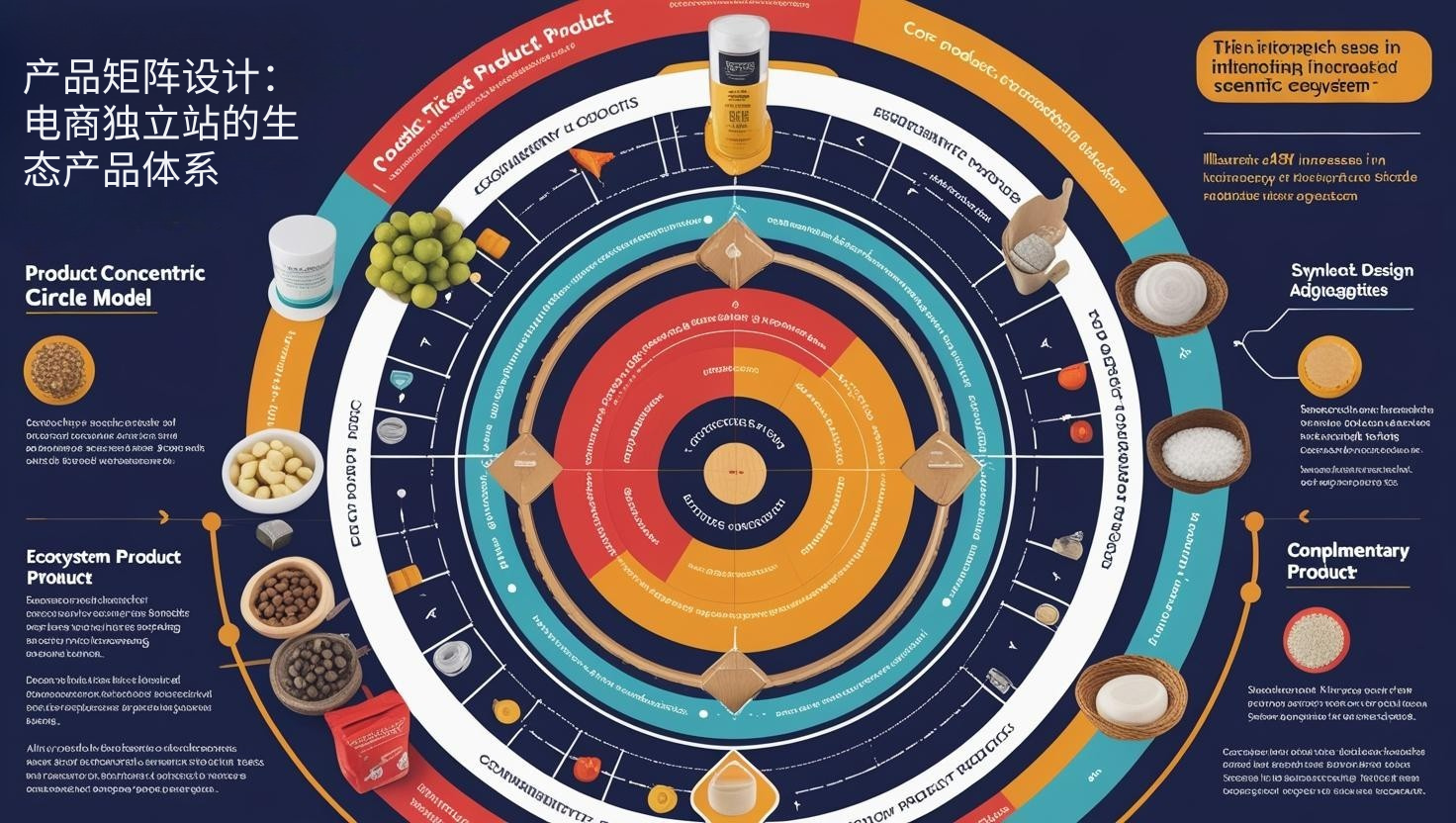 Product Matrix Design: The Ecosystem Product System for an E-commerce Independent Site
The product matrix determines the integrity of the ecosystem. According to Nielsen's global e-commerce research, a structured product matrix increases cross-sell rates by an average of 126% and customer satisfaction by 45% compared to random expansion.
Building a complementary and reinforcing product system
-
Core-Extended Product Hierarchy: Design a multi-tiered product architecture centered around the core product; establish clear relationships and value chains between the main product and its ancillary products; develop a complementary product portfolio to enhance the core product experience; consider a balanced mix of consumable and durable goods; design natural transition paths between ecosystem products; create a consistent design language across product categories; and pay special attention to differences in product portfolio acceptance across different markets. One architectural strategy is the "Product Concentric Circle Model," which organizes product hierarchies by frequency of use and core relevance. Research shows that this structure can increase perceived product relevance by approximately 41%, strengthening overall ecosystem awareness.
-
Product Differentiation and Co-design: Create product variants at different price points and levels of functionality; design complementary, non-overlapping product features and value propositions; develop synergistic usage scenarios and enhancements across products; consider product tailoring for specific customer segments; evaluate the product portfolio's market coverage and competitive advantage; establish a plan for product upgrade and replacement cycles; and pay special attention to cross-cultural usage scenarios and demand differences. Research shows that highly synergistic product portfolios increase the average purchase rate of the portfolio by 72% compared to isolated products, demonstrating the value of carefully designed product complementarity.
-
Supply Chain and Inventory Strategy: Design a flexible supply chain network that supports multiple product lines; consider the production complexity and economies of scale of the product portfolio; evaluate inventory management strategies and turnover targets for different product lines; develop flexible fulfillment capabilities for product bundling and combination; establish quality control and consistency across products; consider the regional adjustments required for a global supply chain; and pay special attention to the impact of seasonality and promotions on inventory across multiple product lines. An advanced strategy is "dynamic product portfolio management," which continuously optimizes the product portfolio based on sales data and market feedback. Research shows that this approach can improve inventory efficiency by approximately 32% while also boosting portfolio profitability.
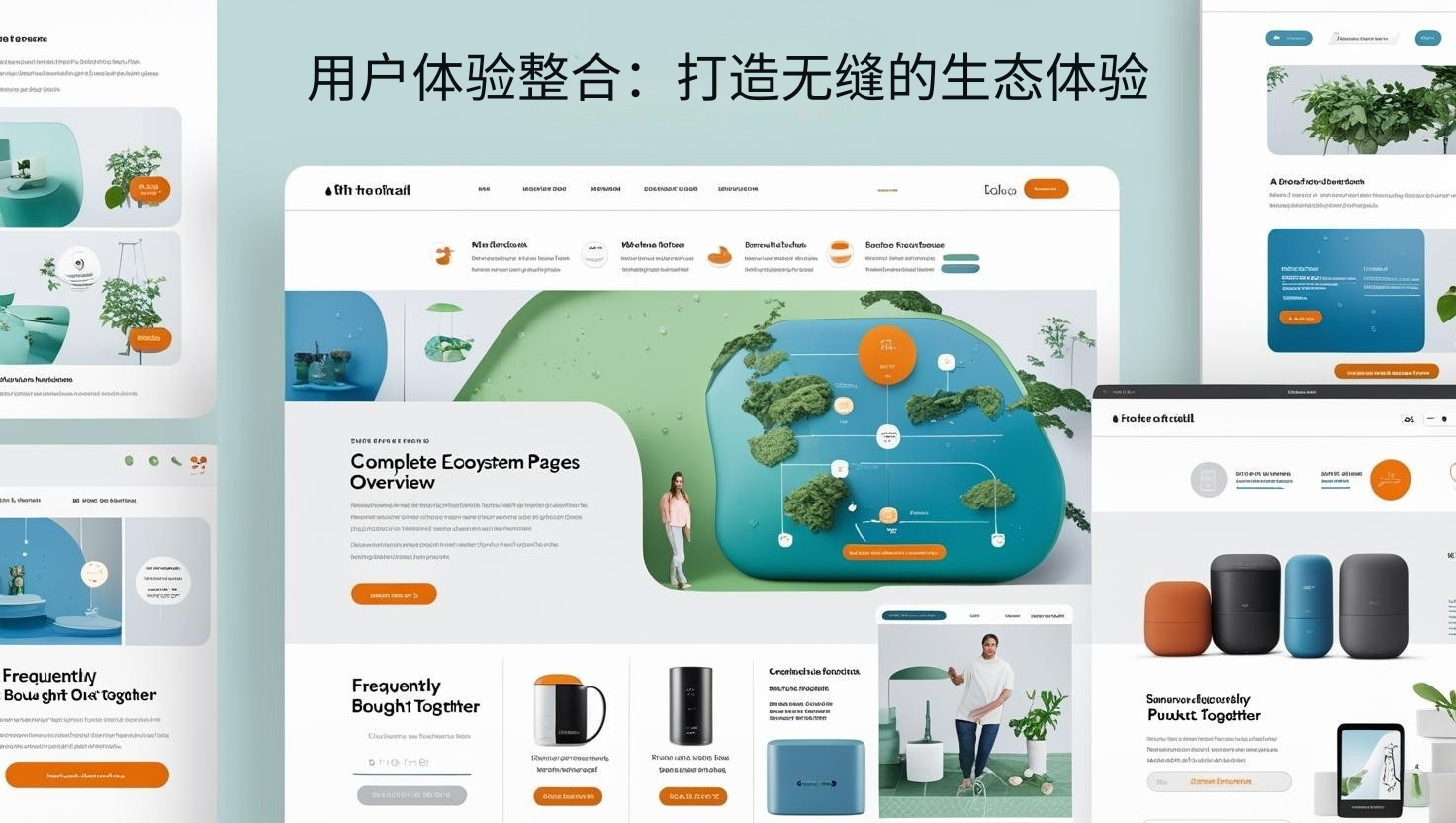 User Experience Integration: Creating a Seamless Ecosystem Experience
Experience integration determines ecosystem stickiness. According to Gartner research, product ecosystems that offer an integrated user experience achieve, on average, 87% higher customer loyalty and 61% higher repurchase rates than those with fragmented experiences.
Building an Integrated Ecosystem Experience
-
Product Display and Related Presentation: Design a website information architecture that reinforces relationships between products; create product family pages to showcase the complete ecosystem; develop contextual content to showcase product combinations in specific scenarios; consider product related recommendations and "Frequently Bought Together" displays; establish a product comparison system to guide appropriate choices; design visual product relationship diagrams and ecosystem maps; and pay special attention to accurately conveying related information in multilingual environments. One design strategy is "contextual storytelling," which tells the value story of a product combination through real-world usage scenarios. Research shows that this approach can increase ecosystem understanding by approximately 49% and significantly increase the willingness to purchase multiple products.
-
Cross-Product User Journey Design: Create a natural customer journey from a single product to an ecosystem; design guided paths for multi-product discovery and exploration; consider the different decision support needs of first-time and repeat purchases; develop product combination testing and configuration tools; establish a consistent shopping process and experience across products; consider simplified purchase paths for bundled products; and pay special attention to the multi-product browsing and purchase experience on mobile. Research shows that optimized cross-product journeys increase ecosystem conversion rates by an average of 43% compared to standard experiences, demonstrating the importance of a seamless experience for ecosystem sales.
-
Ecosystem Integration and Value Delivery: Design messaging and content that highlight the advantages of the product portfolio; create ecosystem-specific pricing and bundle discounts; develop cross-product points and loyalty programs; consider ecosystem-specific services and value-added experiences; establish incentives for product upgrades and cross-purchases; design unified packaging and unboxing experiences for ecosystem products; and pay special attention to cultural differences in the perception of value bundling. A high-level strategy is a "value-added ladder," providing increasing value and experience as customers adopt the ecosystem. Research shows that this progressive reward can increase ecosystem adoption by approximately 35%.
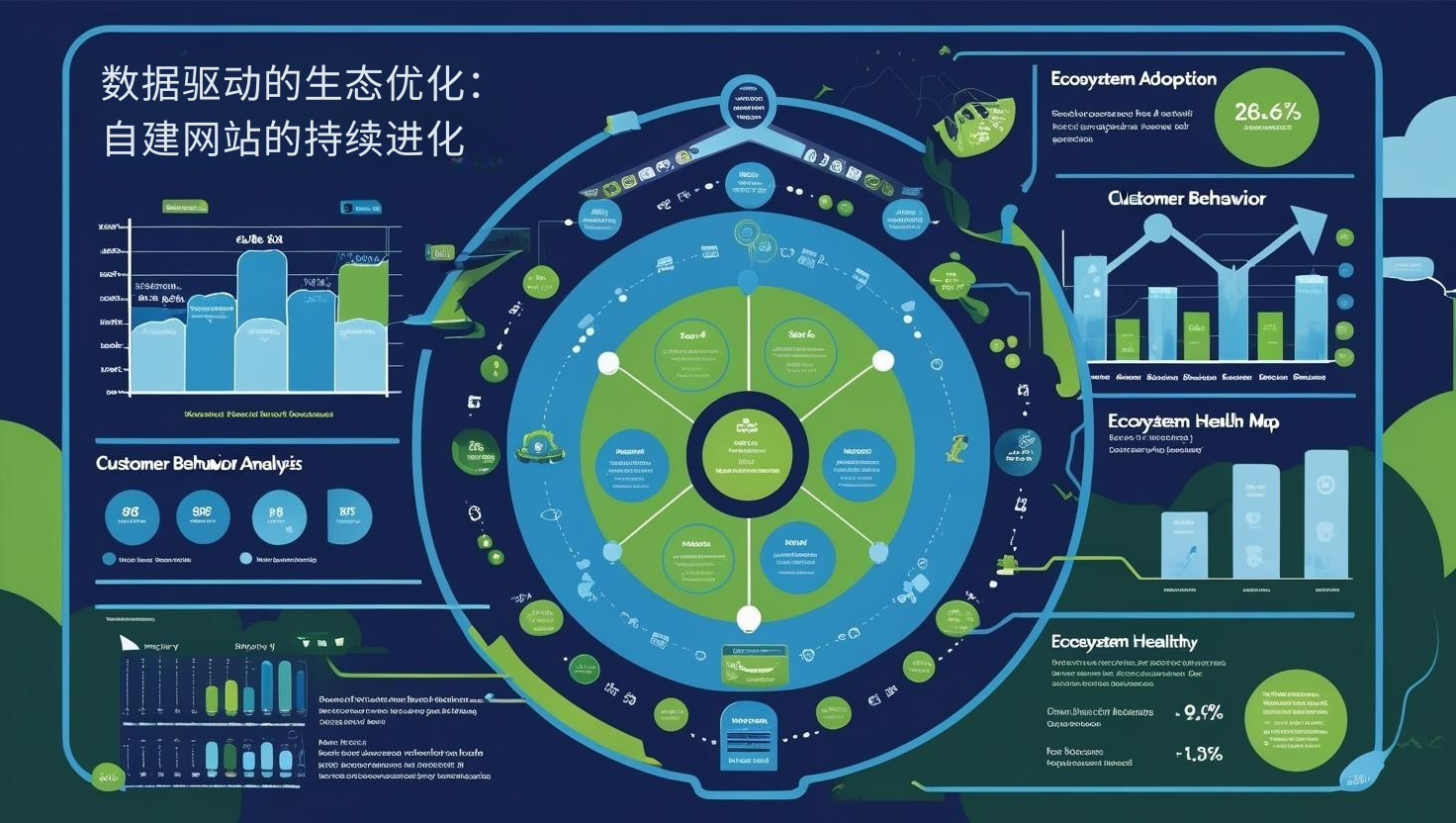 Data-Driven Ecosystem Optimization: The Continuous Evolution of Self-Built Websites
Data analysis determines ecosystem development. According to Aberdeen Group research, companies that use advanced data analytics to optimize their product ecosystems achieve an average 73% higher ecosystem product attach rate than those using experience-based decision-making.
Building a continuously evolving data system
-
Ecosystem Performance Indicators: Establish comprehensive cross-product performance indicators and an evaluation framework; track core metrics such as ecosystem adoption, penetration, and completeness; analyze conversion paths and related purchasing patterns across products; assess customer satisfaction and retention across different product portfolios; examine the effectiveness and perception of ecosystem value delivery; create an ecosystem health dashboard for real-time monitoring, with a particular focus on differences in ecosystem acceptance across different markets and customer segments. An advanced analytical framework, the "Ecosystem Health Map," comprehensively assesses ecosystem performance across all dimensions. Research shows that this holistic view can identify approximately 42% of typically overlooked optimization opportunities.
-
Customer Behavior Analysis and Insight Extraction: Analyze customer browsing and purchasing patterns within the ecosystem; study the order and combination preferences for ecosystem products; identify the ecosystem adoption paths and characteristics of high-value customers; evaluate the impact of different marketing channels and messaging on ecosystem sales; examine product differences in price sensitivity and discount effectiveness; build predictive models to identify the next most likely product to be purchased; and focus on analyzing ecosystem churn points and roadblocks. One data strategy is "customer ecosystem journey mapping," which tracks how customers move and evolve within the ecosystem. Research shows that this type of analysis can improve cross-selling accuracy by approximately 57%.
-
Ecosystem Iteration and Expansion Decision-Making: Data-driven identification of ecosystem gaps and next expansion targets; evaluation of the impact of new product additions on the existing ecosystem; analysis of the performance and return on investment of different product lines; consideration of decommissioning or repositioning underperforming ecosystem components; development of data-driven product portfolio and pricing experiments; establishment of rapid market feedback and product adjustment mechanisms; and special attention to the differentiated ecosystem needs across global markets. One strategic approach is a "data-driven ecosystem roadmap," which uses predictive analytics to guide the long-term development of an ecosystem. Research shows that this forward-looking planning can increase the success rate of new products by approximately 39%.
With increasingly fierce global e-commerce competition, product ecosystems have become a key strategy for establishing a lasting competitive advantage for self-built e-commerce websites. Through systematic ecosystem strategic planning, coordinated product matrix design, seamless user experience integration, and data-driven continuous optimization, companies can transcend the single-product sales model, establish true competitive barriers, increase customer lifetime value, and achieve sustainable growth. The key lies in understanding that a product ecosystem is not simply about adding more products, but rather creating an organically connected, holistic solution that more comprehensively meets customer needs and builds deeper brand relationships.
Related article recommendations: https://pinshop.cn/zh-Hans/blog/what-is-independent-site-for-business