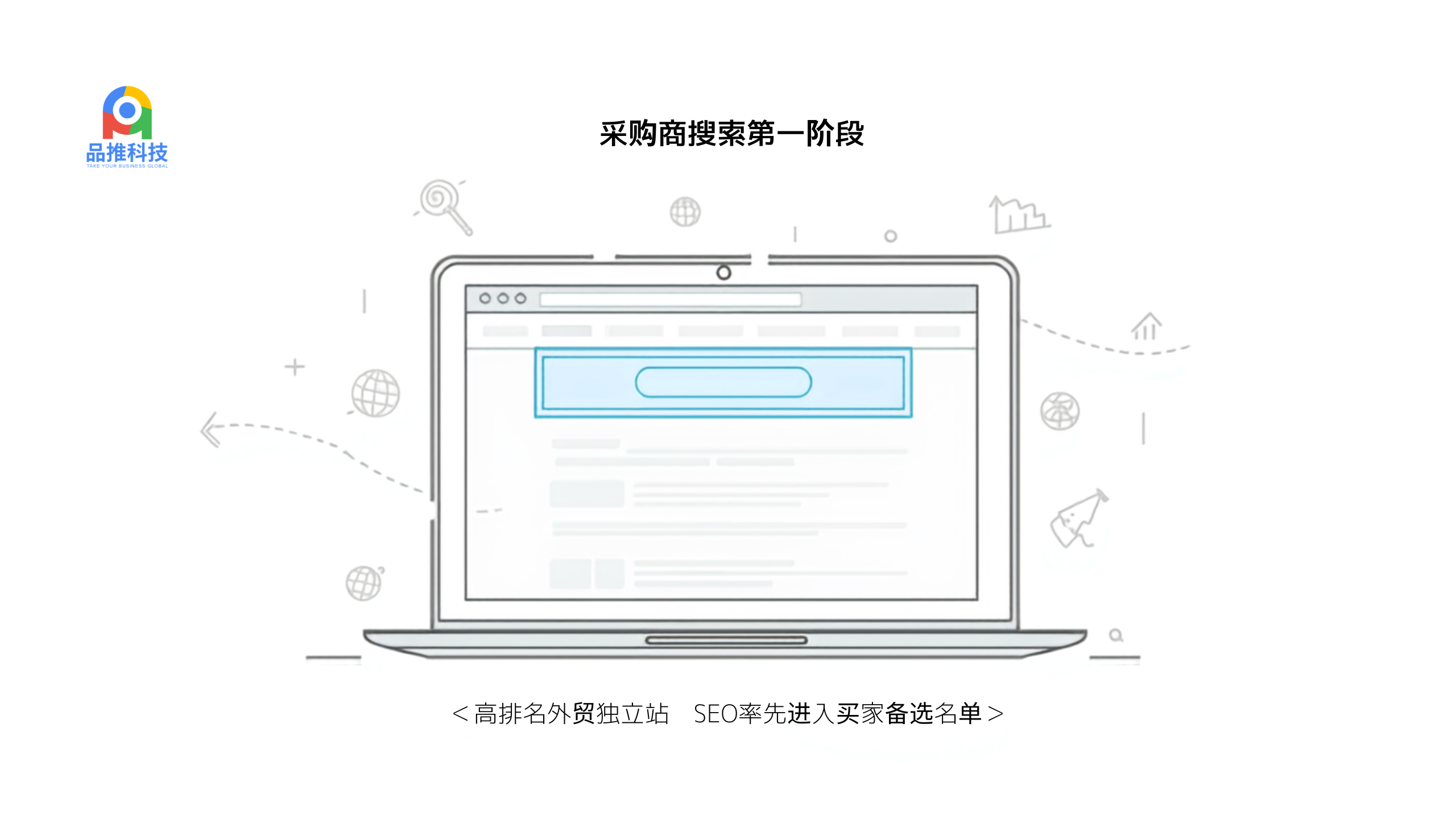

Build a Strategic Keyword System
-
Multi-level Keyword Architecture Design: Create a comprehensive structure of core keywords, long-tail keywords, and semantically related keywords; develop keyword maps for different purchase stages (awareness, consideration, and decision); analyze competitor keyword strategies and coverage gaps; consider keyword characteristics across different markets and languages; evaluate keyword trends and seasonality; establish keyword prioritization and resource allocation models; and pay special attention to and adjust for differences in search intent across regions. An advanced strategy is "keyword clustering," which organizes related keywords into topic groups. Research shows that this approach can increase topic authority by approximately 43% while optimizing content planning efficiency.
-
Search Intent and Commercial Value Analysis: Conduct in-depth research on the user search intent behind keywords (informational, navigational, transactional); assess the commercial conversion potential and value of different keywords; analyze search results page features to understand Google's interpretation of intent; create content types and formatting plans that match intent; consider intent differences and cultural adjustments across different markets; establish a keyword commercial value scoring system; and focus on identifying and strategically addressing mixed-intent keywords. Research shows that content that precisely matches search intent achieves an average 57% higher click-through rate and 68% longer dwell time than average-quality content, demonstrating the critical value of intent matching.
-
Competitive Analysis and Differentiation Opportunities: Systematically analyze the competitive intensity and difficulty of target keywords; examine the content characteristics and gaps of leading rankings; identify low-competition, high-value keyword opportunities; assess the competitive landscape in specific markets and languages; consider the balance between time investment and potential returns; develop short-, medium-, and long-term keyword strategies; and pay particular attention to early deployment of emerging trends and problem-oriented keywords. One strategic approach is "blue ocean keyword mining," systematically searching for high-value keywords that competitors overlook. Research shows this method can increase early ranking success rates by approximately 35% while reducing the time required to build rankings.
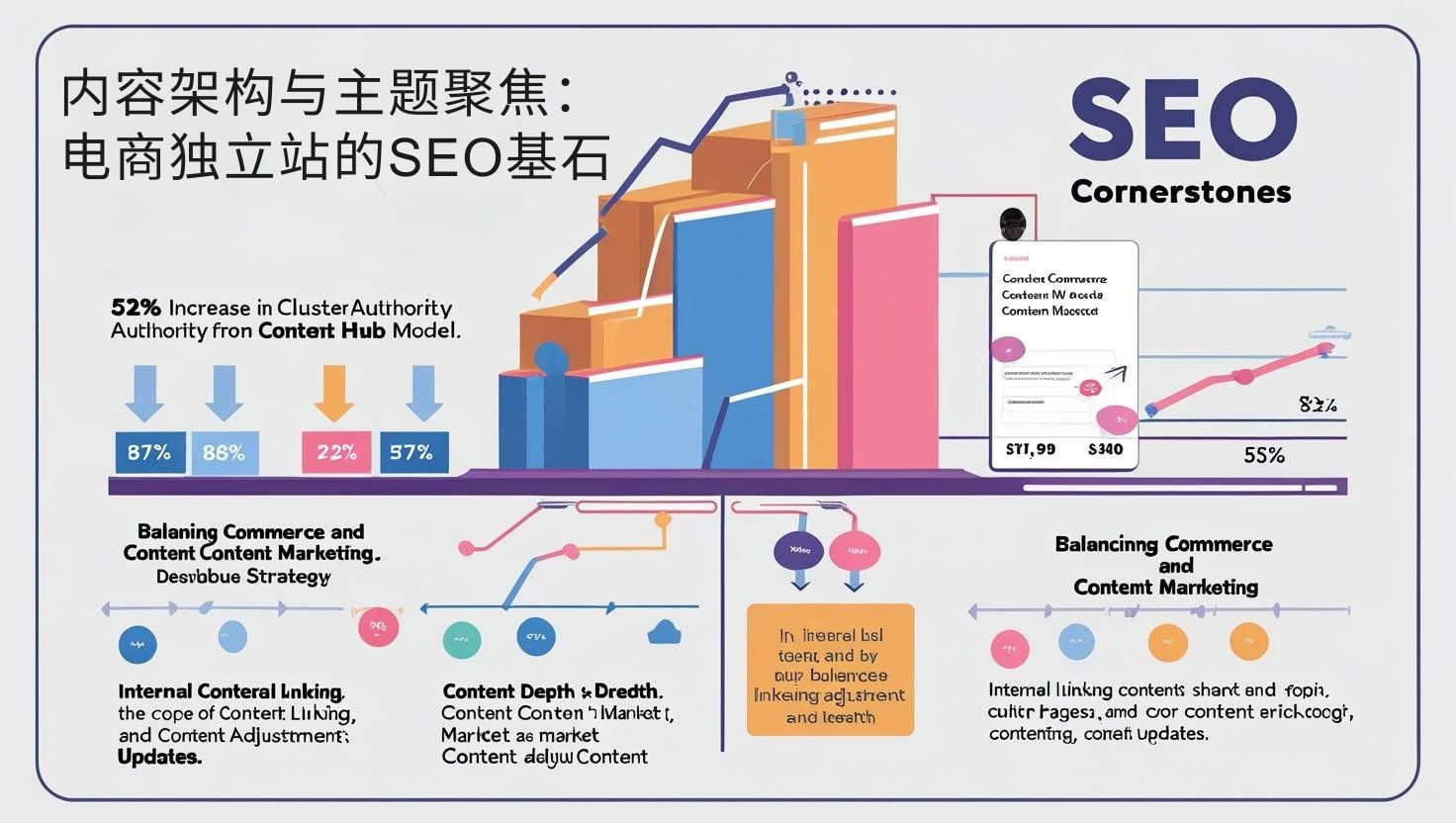 Content Structure and Topic Focus: The SEO Cornerstones of an E-commerce Independent Website
Content structure determines authority building. According to research by the Content Marketing Institute, structured content can increase topic authority by up to 87%, making it a key factor in long-term rankings.
Designing an Effective SEO Content Structure
-
Pillar Content and Cluster Model: Design a comprehensive structure of core pillar pages and related subtopics; create an internal linking strategy to establish a flow of topic authority; develop pillar content frameworks for different product categories; assess the optimal balance between content depth and breadth; consider content structure adjustments for different markets; establish a systematic mechanism for content updates and expansion; and pay special attention to the comprehensiveness and differentiated value of pillar content. An effective architecture is the "content hub model," which builds a network of supporting content around core business pages. Research shows that this structure can increase the authority of core pages by approximately 52% and significantly enhance the ranking ability of business conversion pages.
-
Balancing Commercial Pages and Content Marketing: Optimize SEO elements and content depth for product and category pages; create transaction-focused SEO content, such as buying guides and comparison articles; design a synergistic strategy for informational and transactional content; evaluate the ROI of different content types; consider the long-term value of content assets to brand building; establish a content funnel from education to conversion; and pay special attention to market differences in their acceptance of content depth and commerciality. Research shows that content that combines informational value with commercial elements generates an average of 43% higher organic traffic and 29% higher conversion rates than purely commercial pages, demonstrating the value of a balanced approach.
-
Content Differentiation and Competitive Advantage: Analyze content gaps and improvement opportunities in search results; create a content strategy that delivers unique perspectives and expert insights; consider the value of original research, case studies, and expert opinion; evaluate the differentiating potential of visual content and interactive elements; develop authority-building strategies based on user-generated content; design a balanced approach to content depth and user experience; and pay special attention to market preferences for content format and style. A highly effective approach is the "value layering strategy," systematically adding unique layers of value to existing content. Research shows that this approach can increase content effectiveness by approximately 47% while reducing the creative burden.
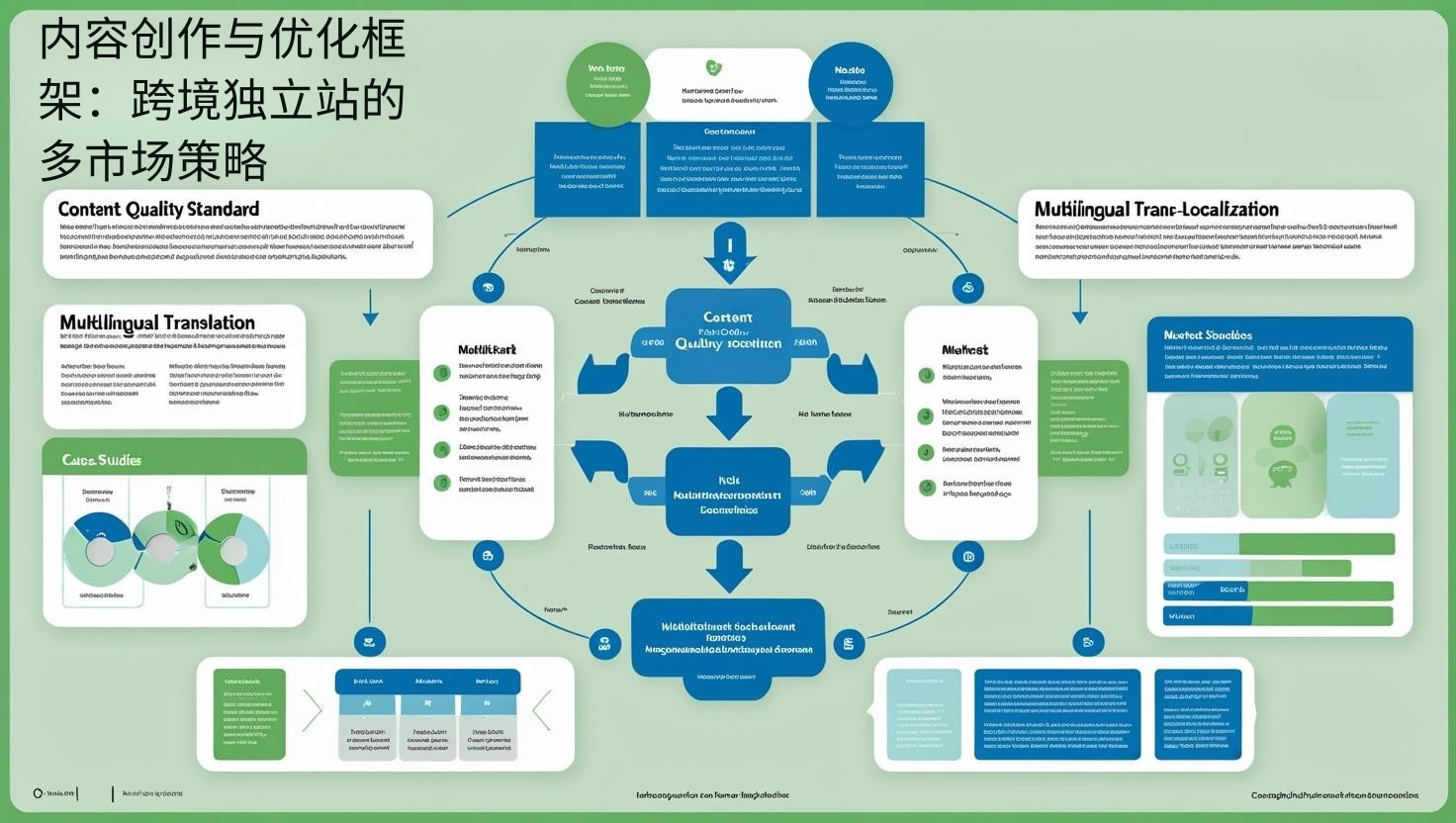 Content Creation and Optimization Framework: Multi-Market Strategy for Cross-Border Independent Websites
Content quality determines user value. According to Search Engine Journal research, high-quality content receives an average of 2.35 times more organic traffic and shares than average content, making it a key factor in search rankings.
Building an Effective Multi-Market Content System
-
Content Quality and Structure Standards: Create content standards and checklists for Expertise, Authoritativeness, and Trustworthiness (E-A-T); design content structure and formatting guidelines for scannable content; develop content templates that meet different search intents; consider mobile-first content display and interactive design; assess the balance between content depth and reading experience; establish a consistent style guide and brand voice; and pay special attention to reading preferences and content expectations across different markets. One effective framework is "modular content design," which creates consistent content based on standardized components. Research shows that this approach can increase content creation efficiency by approximately 38% while ensuring quality standards.
-
Multilingual and Localization Strategy: Design a multilingual translation and localization process for core content; consider cultural adaptation rather than simple translation; assess the content depth and expertise requirements for different markets; develop market-specific case studies, data, and references; establish technical standards and best practices for multilingual SEO; consider keyword density and natural expression in different languages; and pay special attention to content strategies for language variants and regional differences. Research shows that deeply localized content achieves an average of 67% higher engagement and 54% higher conversion rates than simple translations, demonstrating the value of true localization.
-
Content Production Process and Scale: Design an efficient content creation, review, and publishing process; consider the optimal combination of internal teams, external experts, and AI-powered support; develop a content calendar and priority management system; establish a systematic mechanism for content updates and re-optimization; assess the resource requirements and return on investment for different content types; design a strategy for content asset reuse and cross-channel adaptation; and pay special attention to the coordination and consistency of content production across multiple markets. One successful strategy is the "core-variant model," which creates market-specific variations based on core content. Research shows that this approach can increase multi-market content effectiveness by approximately 43% while maintaining essential local relevance.
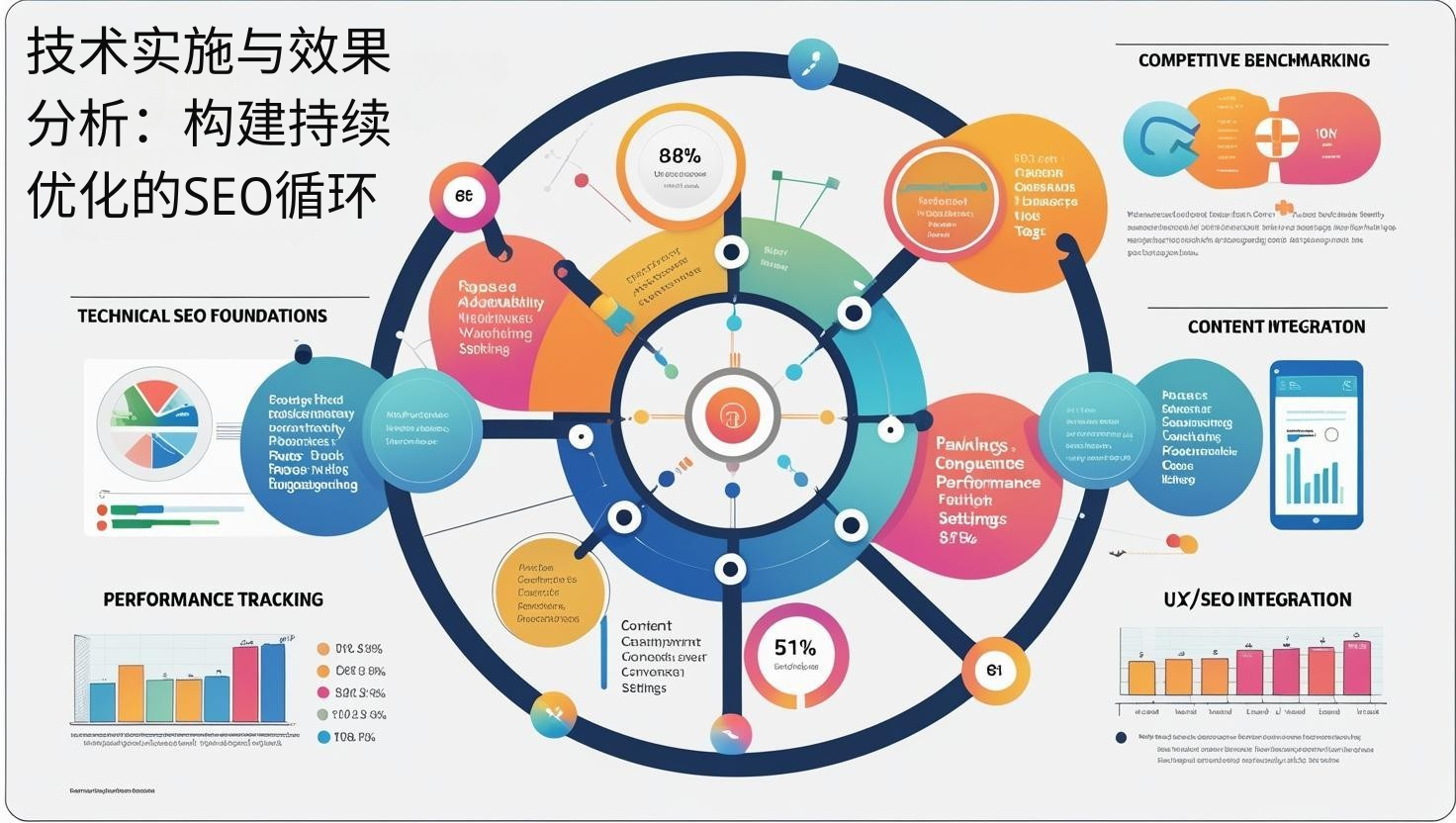 Technical Implementation and Effectiveness Analysis: Building a Continuous SEO Optimization Cycle
Technical optimization and analysis determine long-term success. According to Moz research, websites that combine content and technical optimization achieve an average 68% higher SEO performance improvement than a content-only strategy.
Build a data-driven continuous optimization system
-
Technical SEO Foundation and Content Integration: Ensure key technical factors, such as page speed and mobile adaptation, are optimized; implement structured data markup to enhance search results; optimize site architecture and internal linking; consider the SEO-friendliness of content organization and URL structure; evaluate image optimization and multimedia content loading performance; establish standardized meta tags and on-page SEO element templates; and pay special attention to internationalization technical settings, such as hreflang tags and regional targeting. A core strategy is "UX and SEO integration," ensuring that technical optimization simultaneously improves user experience and SEO-friendliness. Research shows that this win-win approach can increase combined results by approximately 51%.
-
Performance Tracking and Analysis Framework: Establish a comprehensive SEO metric monitoring system and KPI framework; track multi-level metrics such as rankings, traffic, engagement, and conversions; create competitive benchmarking and market share assessments; evaluate the relative performance of different content types and topics; develop methods for analyzing keyword combinations and long-tail effects; establish an early warning system for search trends and seasonal changes; and pay special attention to differences in search behavior and performance across different markets. Research shows that companies that implement systematic SEO analysis improve their overall SEO performance by an average of 39% compared to ad hoc checks, demonstrating the value of a data-driven approach.
-
Continuous Optimization and Content Update Strategy: Create a data-driven content optimization and update mechanism; design a process for refreshing and re-optimizing historical content; consider adaptation strategies and risk management for search algorithm changes; assess competitive dynamics and response mechanisms to market shifts; establish a systematic approach to content experimentation and A/B testing; develop lifecycle management strategies for different content types; and pay special attention to the differentiated update needs of different markets. A highly effective practice is the "cyclical optimization model," which views content as a continuously evolving asset rather than a static product. Research shows that this approach can increase long-term SEO value by approximately 63%, significantly extending the effective lifecycle of content.
In today's increasingly competitive world, a systematic SEO content strategy has become a key cornerstone for cross-border e-commerce companies to establish sustainable growth. Through strategic keyword research, structured content architecture design, a high-quality content creation framework, and data-driven continuous optimization, companies can build a true organic traffic engine, reduce customer acquisition costs, enhance brand authority, and achieve long-term business growth. The key lies in transforming SEO from an isolated technical activity into an integrated growth strategy, making content a true business asset rather than a disposable product.
Related article recommendations: https://pinshop.cn/zh-Hans/blog/what-is-independent-site-for-business