

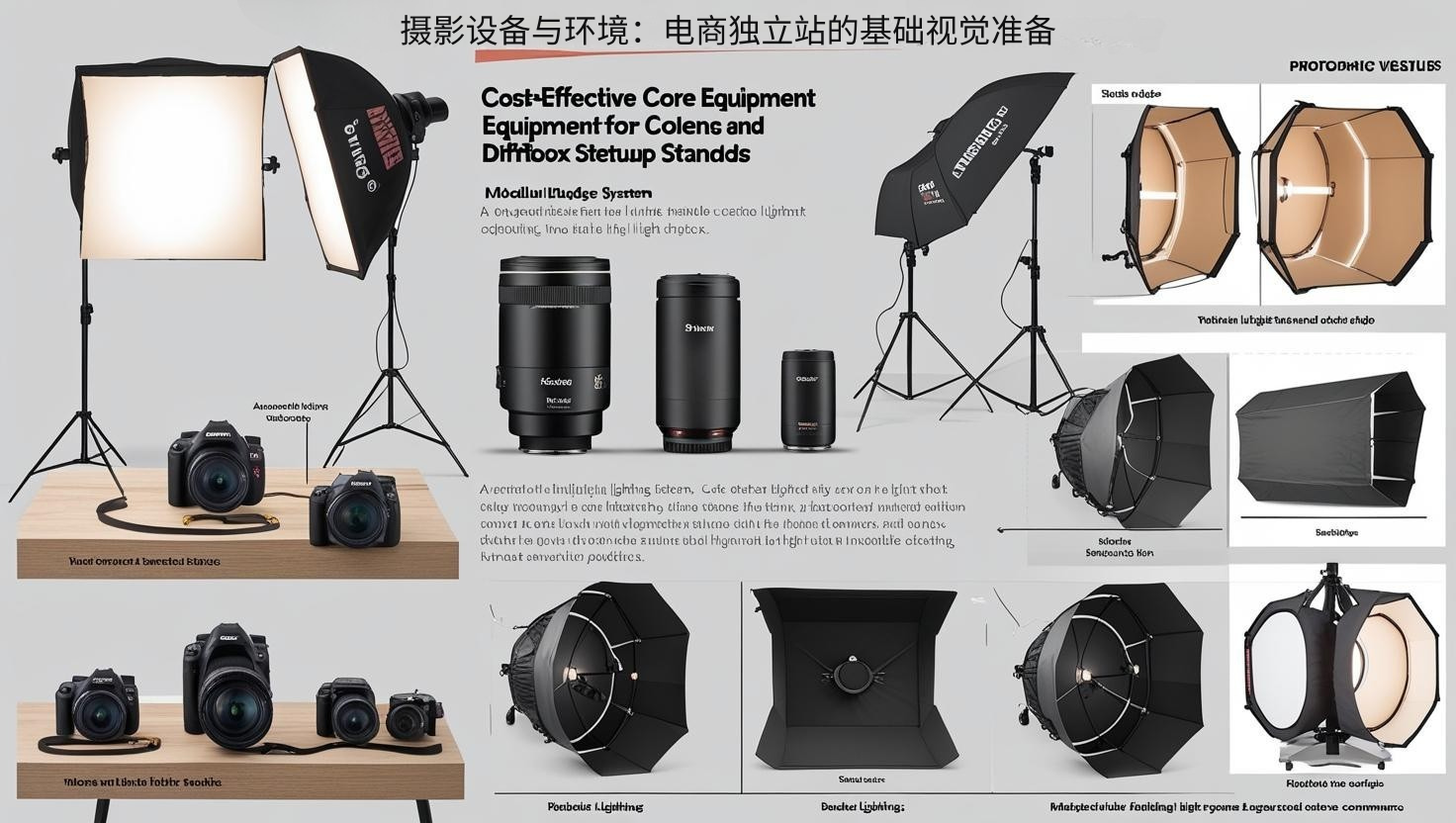
 Photography Equipment and Environment: Basic Visual Preparation for an E-commerce Independent Website
The equipment environment determines image quality. According to Pixpa research, even simple but correct equipment configuration can improve the professionalism of e-commerce images by 84%, which is the primary foundation for improving conversion rates.
Building an Effective Product Photography System
-
Cost-Effective Equipment Selection Guide: Analyze the ideal equipment combination for different budget levels; evaluate the practical advantages of camera types (DSLR vs. mirrorless vs. high-end smartphones); consider the impact of lens selection on product detail and visual impact; balance the necessary investment and return on investment for lighting equipment; evaluate the practicality and versatility of background systems and rigs; consider the flexibility and consistency of mobile vs. fixed studios; and pay special attention to the specific equipment requirements of different product types. A highly effective strategy is a "modular equipment system," starting with core equipment and gradually expanding as your business grows. Research shows that this approach can reduce initial investment by approximately 62% while maintaining basic image quality standards.
-
Photography Environment and Lighting Control: Create a stable, consistent lighting environment and control reflections; design versatile background systems and adjustable settings; consider the appropriate scenarios and product matches for natural vs. artificial light; evaluate professional solutions for color temperature control and white balance management; research the relationship between shadow hardness and product texture; develop tools to assist with product positioning and angle adjustment; and pay special attention to the differences in how different materials and surfaces react to light. Research shows that a stable, controllable lighting environment improves product photography quality by up to 3.7 times more than expensive camera equipment, demonstrating the critical importance of the environment setup.
-
Consistent Workflow and Standardized Settings: Establish shooting specifications and parameter templates for product categories; create photography checklists and quality control standards; consider the efficiency optimization process for batch shooting of multiple products; evaluate standardized guidelines for shooting angles and composition; research camera setting presets and quick recall solutions; develop file naming and organization systems to ensure a smooth workflow; and pay special attention to the differences in image specifications required by different markets and platforms. One systematic approach is "Photography SOP Development," which creates standard operating procedures for each product category. Research shows that this standardization can increase photography efficiency by approximately 47% while significantly improving image consistency.
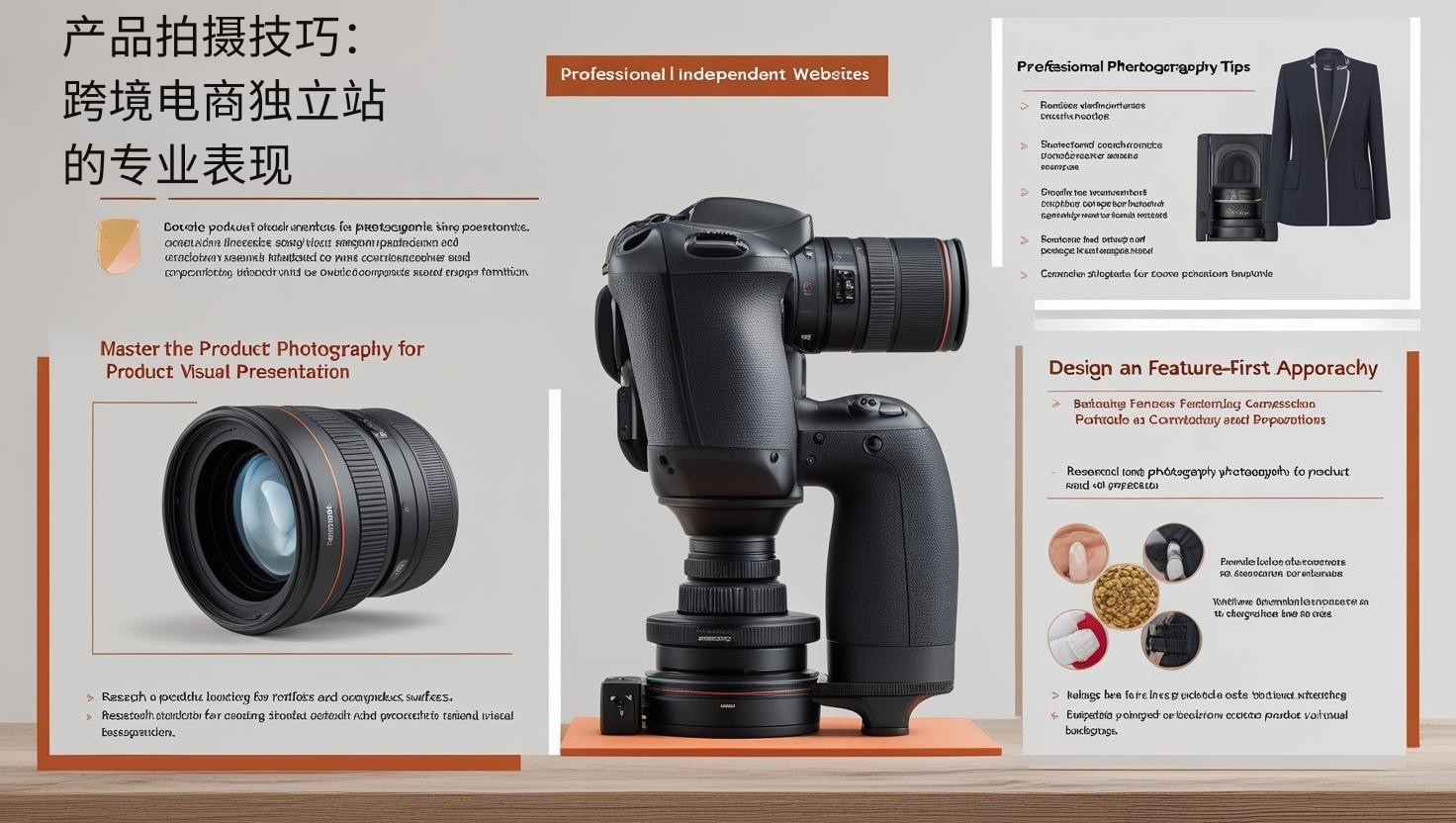 Product Photography Techniques: Professional Performance on Cross-border E-commerce Independent Websites
Photography techniques determine product presentation. According to Etsy seller research, professional photography techniques increase product appeal by an average of 93% and purchase intent by 64% compared to simple documentary photography.
Mastering Core Methods for Product Visual Expression
-
Product Type-Specific Photography Guide: Analyze the optimal shooting angles and number of viewing angles for different product categories; consider the visual focus of different categories, such as apparel, electronics, and home furnishings; research specialized techniques for handling transparent, reflective, and complex surfaces; evaluate effective methods for expressing product size and proportion; design strategies for visually emphasizing product features and details; create compositional principles for product portfolios and scenario-based presentations; and pay special attention to the impact of cultural differences on product visual perception. An advanced method is the "feature-first approach," which identifies and highlights a product's most compelling visual features. Research shows that this focus can increase user attention and retention by approximately 52%.
-
Visual Strategy for Balancing Creativity and Commercial Purpose: Design an image style that combines creative expression and sales function; consider a balanced presentation of brand consistency and product uniqueness; examine the strategic application of color psychology in product visuals; evaluate the use and proportion of contextualized photography versus pure white backgrounds; analyze the impact of lifestyle images on product value perception; design image sequences that create visual narratives and emotional connections; and pay special attention to the subtle differences in aesthetic preferences across different markets. Research shows that a hybrid image strategy combining pure product and lifestyle scenes increases conversion rates by an average of approximately 38% compared to a single image style and enhances brand recall by approximately 45%.
-
High-Converting Details and Supporting Visual Elements: Create intuitive visual expressions of product size and proportion; design close-up presentations of material textures and details; consider consistent presentation methods for color variations and options; examine the effective presentation of product usage scenarios and context; evaluate the value and design of transparent overlays and callouts; analyze the implementation of interactive visual elements and 360-degree displays; and pay special attention to the universality of visual symbols and indicators across cultures. One conversion strategy is the "doubt elimination method," which specifically showcases common points of doubt in user decision-making. Research shows that this method can reduce shopping cart abandonment rates by approximately 34% and significantly increase purchase decision speed.
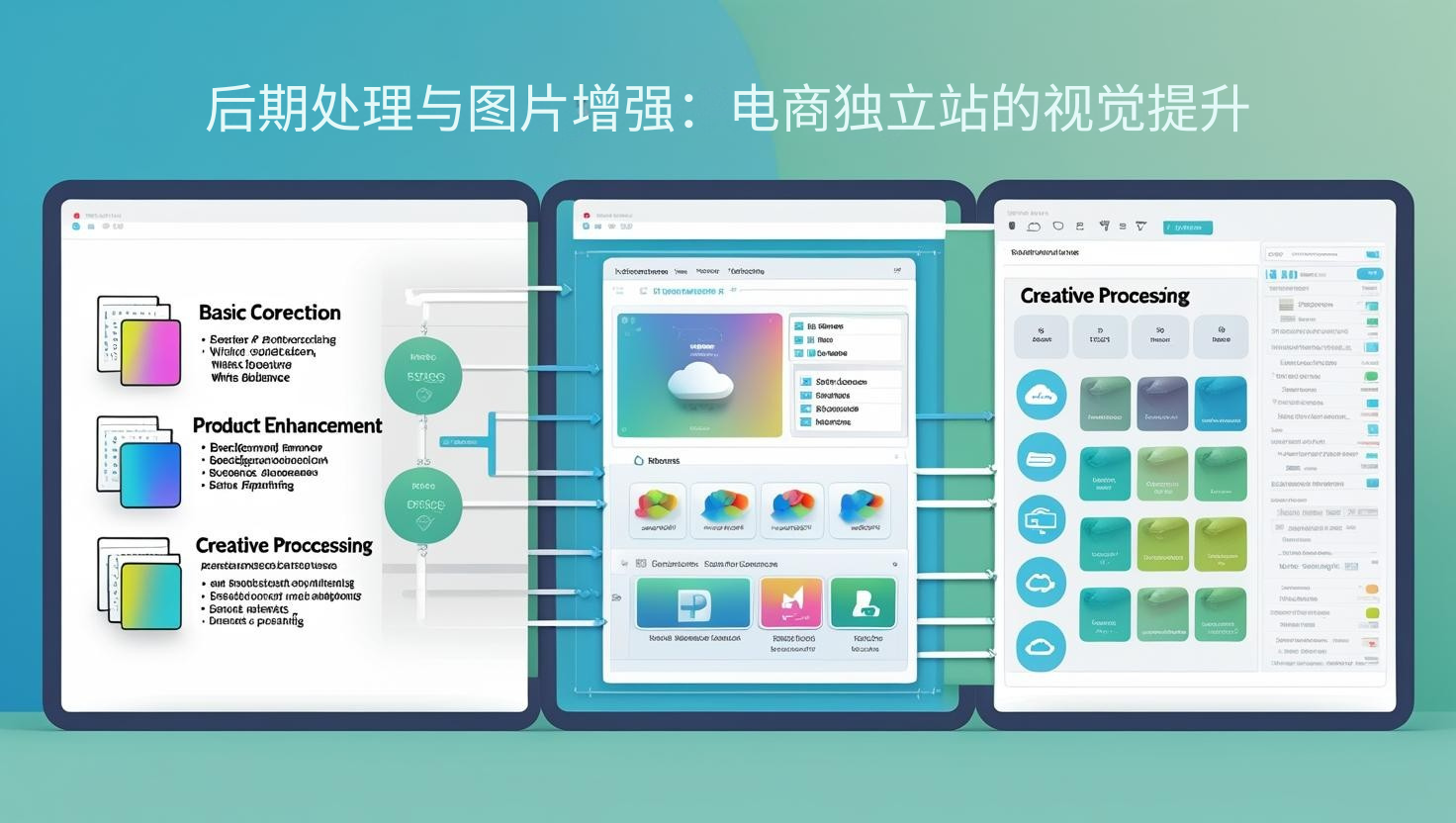 Post-Processing and Image Enhancement: Visual Enhancement for E-commerce Independent Websites
Post-processing determines professionalism and consistency. According to Adobe research, proper post-processing can improve the professionalism of product images by up to 78% and enhance brand recognition by 47%.
Mastering an Efficient Image Editing Workflow
-
Professional Editing Process and Tool Selection: Compare the features and learning curves of different levels of image editing software; create batch processing and automated workflow designs; consider the efficiency and collaboration balance between cloud-based and local editing; research best practices for non-destructive editing and version management; evaluate the use of templates and presets for maintaining consistency; develop editing standards and quality control for multi-person teams; and pay special attention to the challenges of color management across platforms and devices. An effective approach is a "tiered editing system," which divides editing tasks into three levels: basic corrections, product enhancements, and creative processing. Research shows that this structure can increase editing efficiency by approximately 56% while also improving quality consistency.
-
Key Retouching Techniques and Brand Consistency: Master professional techniques and shortcuts for background manipulation and removal; establish standard processes for color correction and white balance adjustments; consider ethical boundaries for product cleaning and blemish repair; investigate natural methods for optimizing shadows and reflections; evaluate the appropriate application of sharpening and detail enhancement; design a consistent application of the brand's color palette and visual style; and pay special attention to the texture fidelity and realism of different product materials. Research shows that establishing a consistent brand visual style improves brand recall by an average of approximately 62% compared to high-quality images alone, while also enhancing perceptions of professionalism and trust by approximately 43%.
-
Multi-Platform Optimization and Variant Automation: Design automated image variant generation for different sales channels; create responsive design and mobile-first cropping strategies; consider the unique proportions and visual requirements of social media platforms; investigate thumbnail optimization and clear expression of visual hierarchy; evaluate systematic approaches to A/B testing different visual treatments; design file naming and organization systems to support multi-channel management; and pay special attention to image adaptation and cultural considerations for international markets. One systematic strategy is the "master image-variant model," which generates platform-specific variations from a high-quality master image. Research shows that this approach can reduce multi-channel image management time by approximately 67% while maintaining optimal display across all channels.
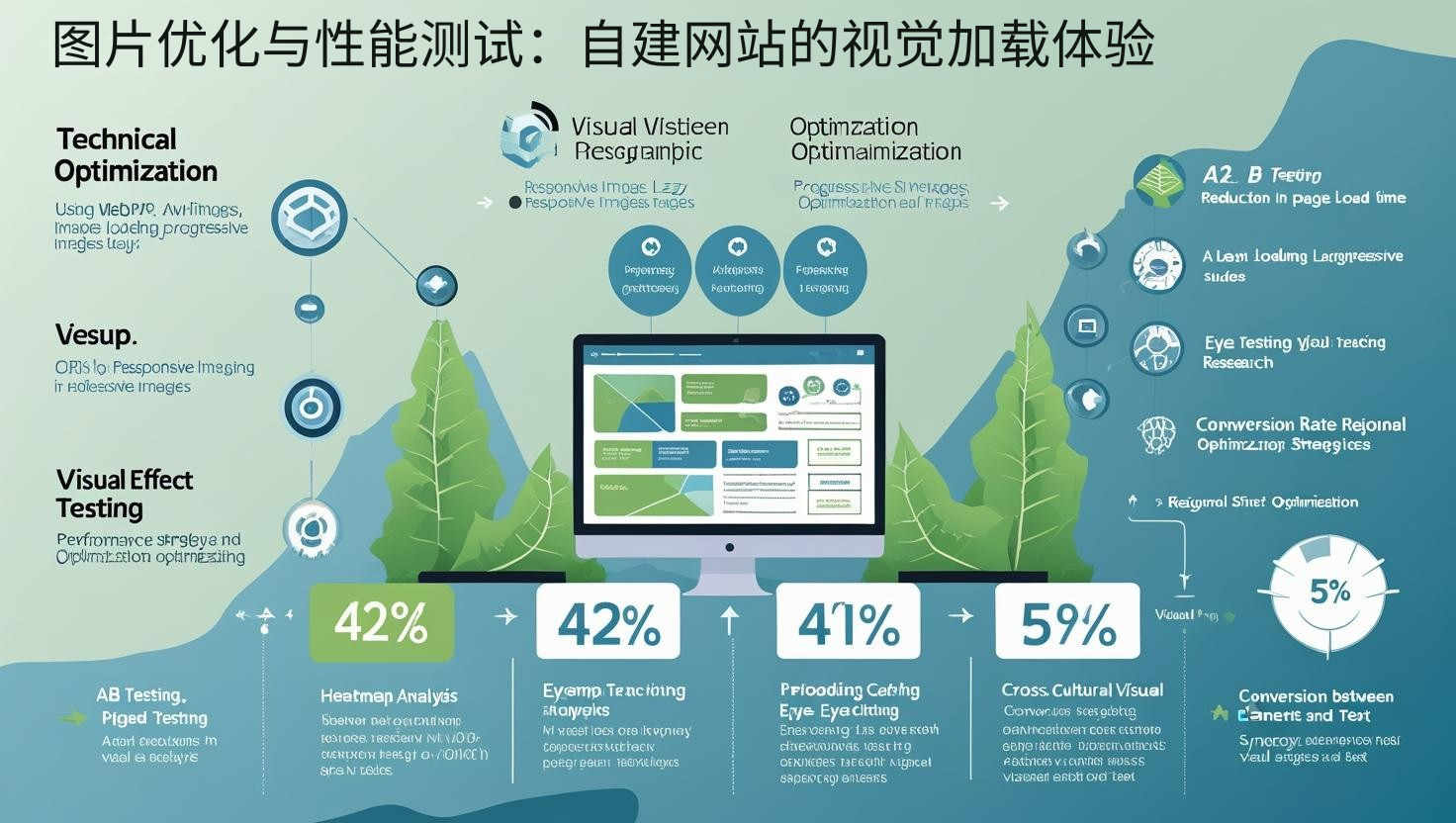 Image Optimization and Performance Testing: Visual Loading Experience of Self-Built Websites
Image performance determines user experience. According to Google research, optimized image loading strategies can reduce page abandonment rates by 38% and increase mobile conversion rates by up to 27%.
Balancing Visual Quality and Loading Performance
-
Technical Optimization and File Management: Master the balanced use of modern image formats (WebP, AVIF) and traditional formats; create responsive images and implement size-adaptive technologies; consider the user experience benefits of lazy loading and progressive images; research performance improvements for image CDNs and global distribution; evaluate best practices for balancing image compression and quality; design strategic image caching and preloading; and pay special attention to international speed differences and regional optimization strategies. Research shows that systematic technical image optimization can reduce page load times by approximately 42% while maintaining a visual quality degradation of no more than 5%, resulting in significantly better user experience and search rankings.
-
Visual Testing and Conversion Optimization: Design a systematic approach for A/B testing different image styles and presentations; create a framework for implementing heatmap analysis and user attention studies; consider the value of eye tracking and user research for deeper insights; examine differences in visual preferences across markets and cultural backgrounds; assess the conversion rate balance between image quantity and quality; design optimization tests for the synergy between visual elements and text; and pay special attention to the visual experience differences between mobile and desktop. A data-driven strategy is "image conversion funnel analysis," which tracks the complete path from image viewing to purchase. Research shows that this method can identify approximately 37% of visual conversion barriers, providing guidance for targeted optimization.
-
Continuous Improvement and Visual Asset Management: Establish an organizational and version control system for your product image library; create a continuous update mechanism for your visual style guide and quality standards; consider image update strategies based on seasonality and marketing campaigns; investigate opportunities to integrate user-generated content with professional images; evaluate visual trends and conduct regular analysis of competitive benchmarks; design a system for collecting and applying image performance data; and pay special attention to the consistency and evolution of brand visual assets. A systematic approach, "visual asset lifecycle management," treats images as strategic assets. Research shows that this approach can increase the return on visual marketing investment by approximately 49% while reducing duplication of effort and wasted resources.
With increasingly fierce global e-commerce competition, professional product visuals have become a core competitive advantage for self-built e-commerce websites. Through systematic photography equipment selection, professional product photography techniques, high-quality post-processing, and scientific performance optimization, companies can create both beautiful and professional product visuals that convert well, establish brand differentiation, and enhance user trust and purchase decisions. The key is to upgrade product photography from a simple record to a strategic marketing tool, maximizing the positive impact of product visuals on conversion rates through conscious visual design and a systematic optimization process.
Related article recommendations: https://pinshop.cn/zh-Hans/blog/what-is-independent-site-for-business