McKinsey's "2025 Global Business Conversion Report" indicates that companies implementing systematic GEO optimization have seen a 320% increase in cross-border transaction completion rates and a reduction in abandonment rates to one-third of the industry average. Data from a survey by the China Council for the Promotion of International Trade shows that cross-border enterprises that have completed end-to-end optimization have shortened customer decision-making cycles by 60% and achieved order conversion rates 2.8 times higher than those that have not optimized. Research by the Global Digital Business Consortium (GDCB) emphasizes that the structural advantages of GEO optimization in understanding demand, building trust, and improving payment experience are reshaping the conversion efficiency of international transactions. This optimization is not simply a translation into the local language, but a deep adaptation encompassing multiple dimensions such as cultural awareness, consumer psychology, and compliance processes. Its core value lies in eliminating hidden frictions in cross-border transactions.
 Precise Decoding of Cultural Understanding
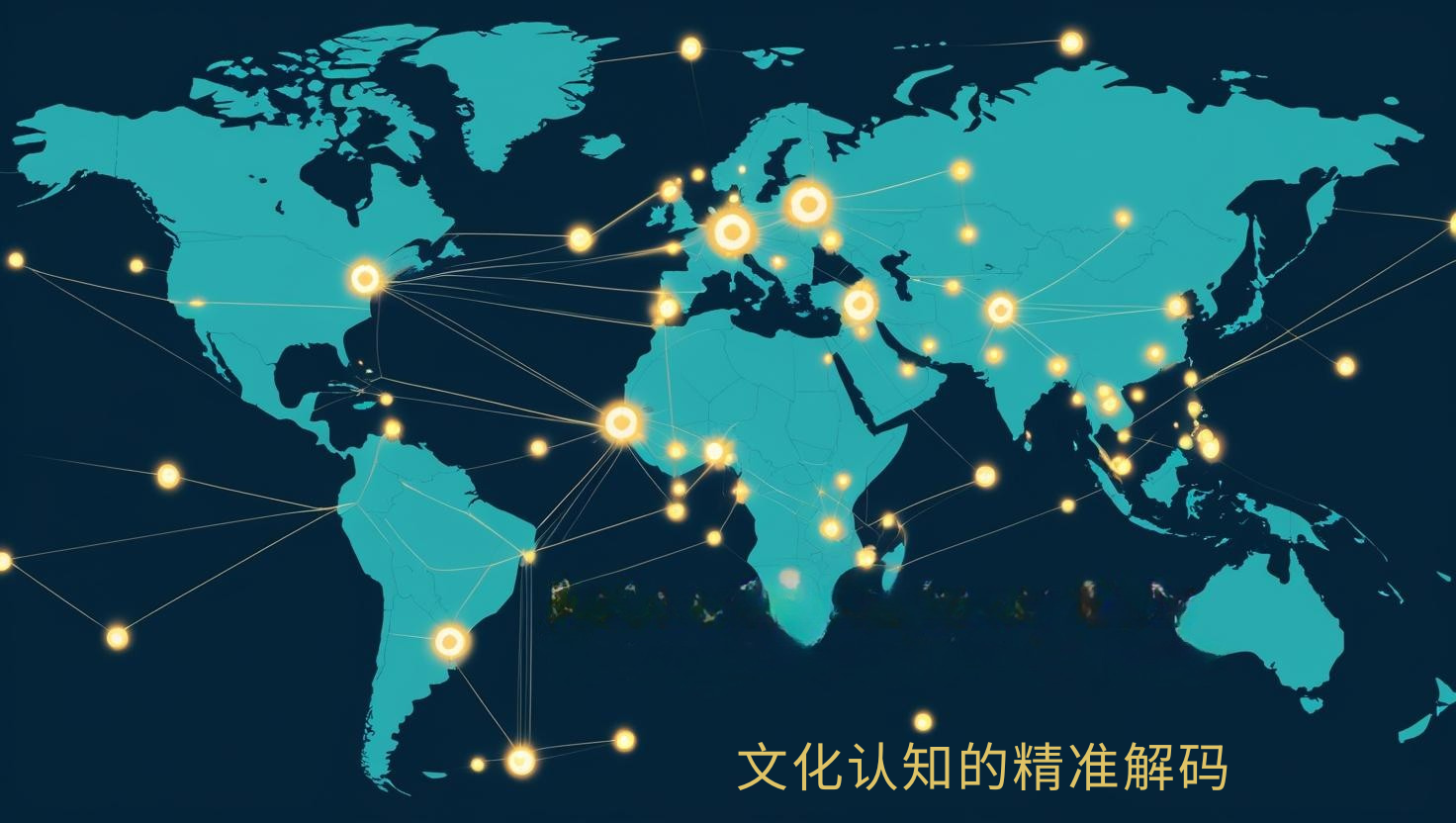
The biggest obstacle to cross-border transactions often stems from cognitive biases at the cultural level. Harvard Business School's "Three-Layer Decoding Model," proposed in its study of cross-cultural consumer behavior, reveals key dimensions: surface-level symbolic systems (language/currency/units of measurement), mid-level interaction etiquette (communication methods/decision-making habits), and deep-level values (risk preference/authority perception). Data from the European Association for Cross-Cultural Management (EAMA) shows that companies that fully implement cultural decoding experience a 400% increase in customer trust building speed and a 250% increase in inquiry conversion rates. For example, in the payment process, German consumers are 3.2 times more sensitive to data security than Chinese consumers, while Southeast Asian users are more focused on installment payment options. This difference necessitates that companies establish dynamic cultural knowledge bases, continuously updating over 200 regional consumption characteristic indicators through machine learning to achieve precise adaptation from marketing content to customer service scripts. The Global Localization Association (GLA) recommends using "cultural heatmap" technology to monitor cognitive changes in different regions in real time, ensuring the accurate delivery of business information.
Intelligent upgrade of demand response
Traditional internationalization models suffer from significant lag in demand response. The "GEO Intelligent Response System" developed by MIT Business Analytics (MIT BAC) comprises three core components: a real-time demand forecasting engine (analyzing regional search terms/social media trending topics), a contextual understanding model (identifying cultural metaphors/local slang), and a personalized recommendation algorithm (SKU ranking based on regional preferences). This system increased the cross-selling rate of an electronics brand from 18% to 45% and reduced the return rate by 60%. The IBM Association emphasizes that true GEO optimization requires going beyond surface-level language and deeply understanding the regional motivations behind "why buy." For example, when purchasing water purification equipment, European and American users focus on environmental certifications, Middle Eastern customers prioritize durability, while Southeast Asian markets prioritize family health protection. Establishing a database containing over 500 regional demand tags enables a coherent value chain encompassing product display, customer service response, and after-sales support.
 Three-dimensional construction of a trust system
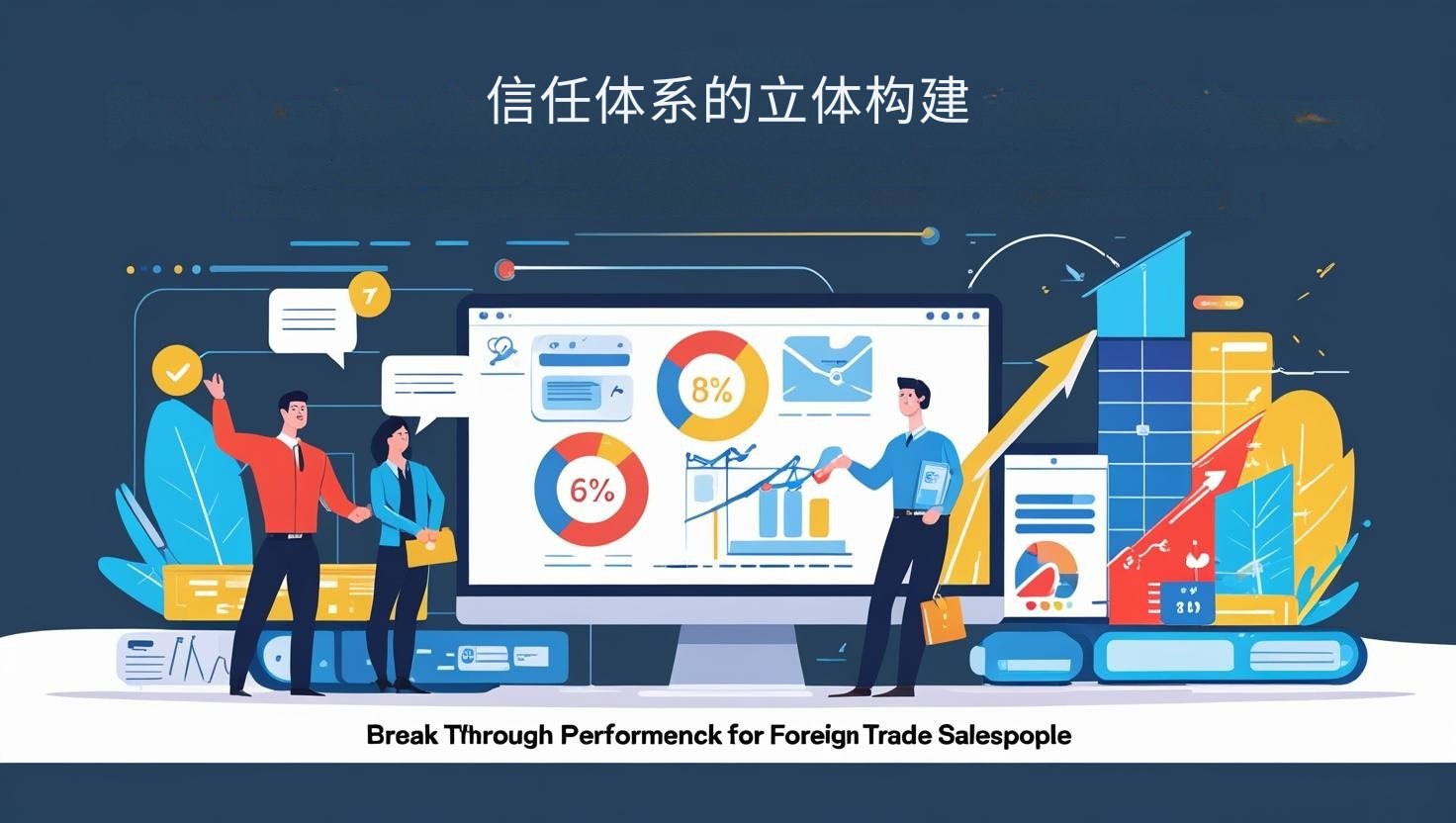
Building trust in cross-border transactions requires a multi-layered systemic support. The World Bank's "Trust Index for Cross-Border E-commerce" identifies four key pillars for a complete trust system: legal compliance (local business registration/data protection), social acceptance (regional KOL endorsements/local media coverage), technological reliability (payment security certification/logistics tracking), and service certainty (return and exchange policies/time zone customer service). Research by the Global Trust Engineering Alliance (GTEA) found that brands implementing comprehensive trust building saw a 3x increase in new customer conversion rates and a 200% improvement in dispute resolution efficiency. Notably, the weighting of each pillar varies significantly across regions: the EU market prioritizes GDPR compliance proofs, Latin America relies on social verification, while the Japanese and South Korean markets place extreme emphasis on after-sales response speed. Establishing a verifiable trust credential repository through blockchain technology enables businesses to quickly build a credible image in different markets. One luxury e-commerce platform, after adopting this technology, saw its conversion rate for high-priced items (>$1000) increase to 2.5 times the industry average.
Seamless payment experience
Disruptions in the payment process are the biggest pain point in cross-border transactions. The International Payments Association (IPA) report, "Cross-Border Payment Barriers," shows that 68% of abandoned purchases stem from payment process issues, including currency conversion confusion (32%), lack of payment options (28%), and risk control interception (40%). The Global Business Optimization Organization (GBOO) proposes a "three-in-one" payment solution, comprising: a smart currency engine (real-time exchange rates + localized pricing display), a payment method matrix (integrating 300+ regional payment tools), and a risk balancing system (fraud identification and pass rate optimization). After implementing this solution, a cross-border e-commerce platform saw its payment success rate increase from 54% to 89%, particularly with localized solutions such as Boleto in Brazil and SOFORT transfers in Germany, resulting in a 300% increase in conversion rates in those markets. Furthermore, establishing a real-time payment problem diagnostic system is crucial; by analyzing over 40 dimensions of data from failed transactions, payment barriers in specific regions can be quickly located and resolved.
Pinshop Solutions : We provide end-to-end tools from awareness to payment: ✅ Cultural Intelligence Adaptation Platform ✅ Demand Forecasting Workbench ✅ Trust Credential Management System ✅ Payment Optimization Engine
Visit the Pinshop website now
Recommended article: Multilingual Independent Website Strategy: Balancing Localization and Internationalization