
Yesterday afternoon at 3 PM, when your potential German client entered "looking for Chinese manufacturers that can produce 500 sets of solar streetlights" into Microsoft Copilot, two of the three names recommended by the AI were your direct competitors—this situation is becoming increasingly common.
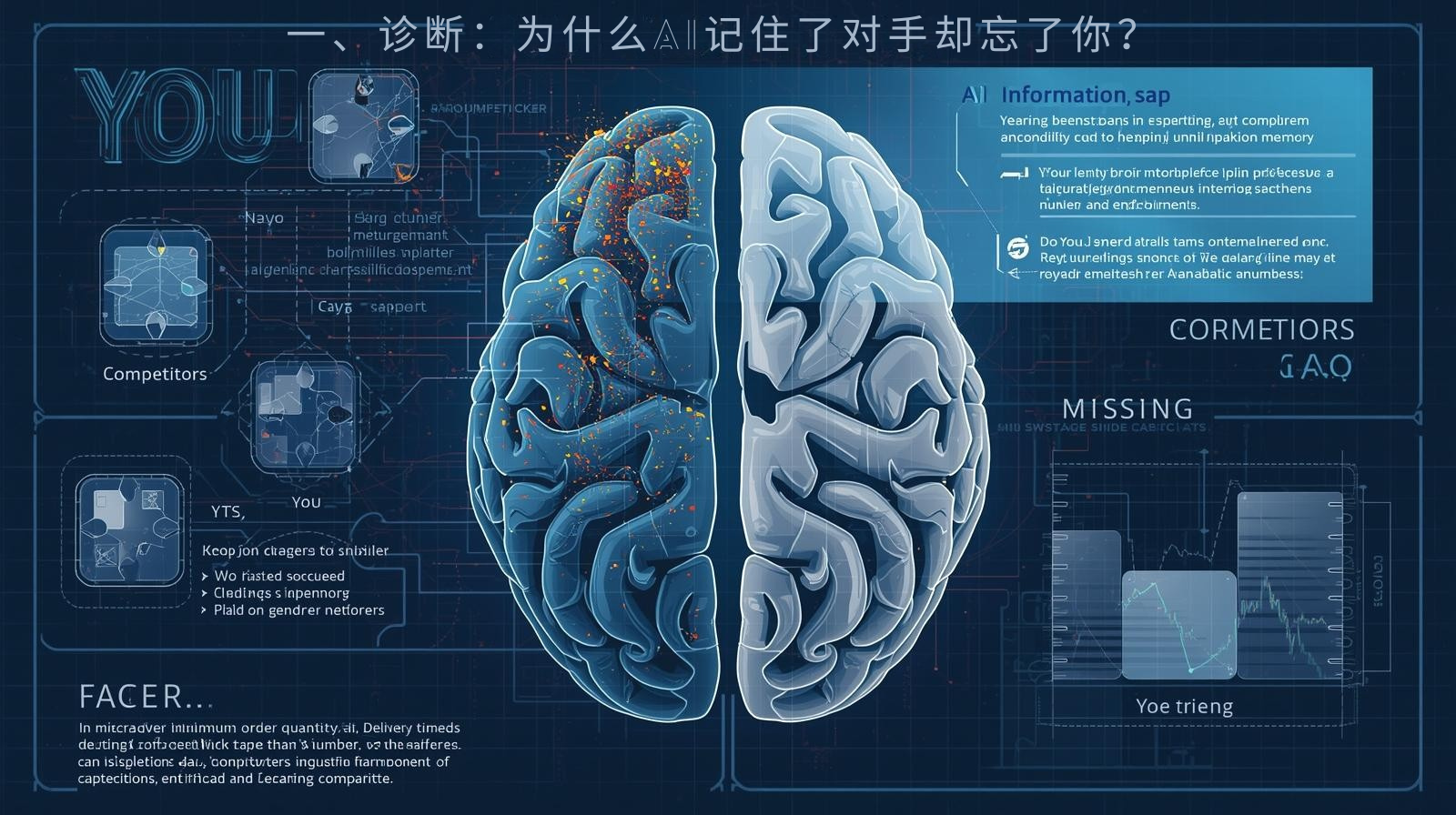
I. Diagnosis: Why does AI remember its opponent but forget you?
When you repeatedly test various generative engines and find that your competitors have a clear advantage, it usually means that there are problems in the following three areas:
Information gaps : Your website may be missing some key information, such as a clear minimum order quantity, specific delivery time, or verifiable certification number.
II. GEO's Three-Step Emergency Response: Regaining AI Attention in 48 Hours
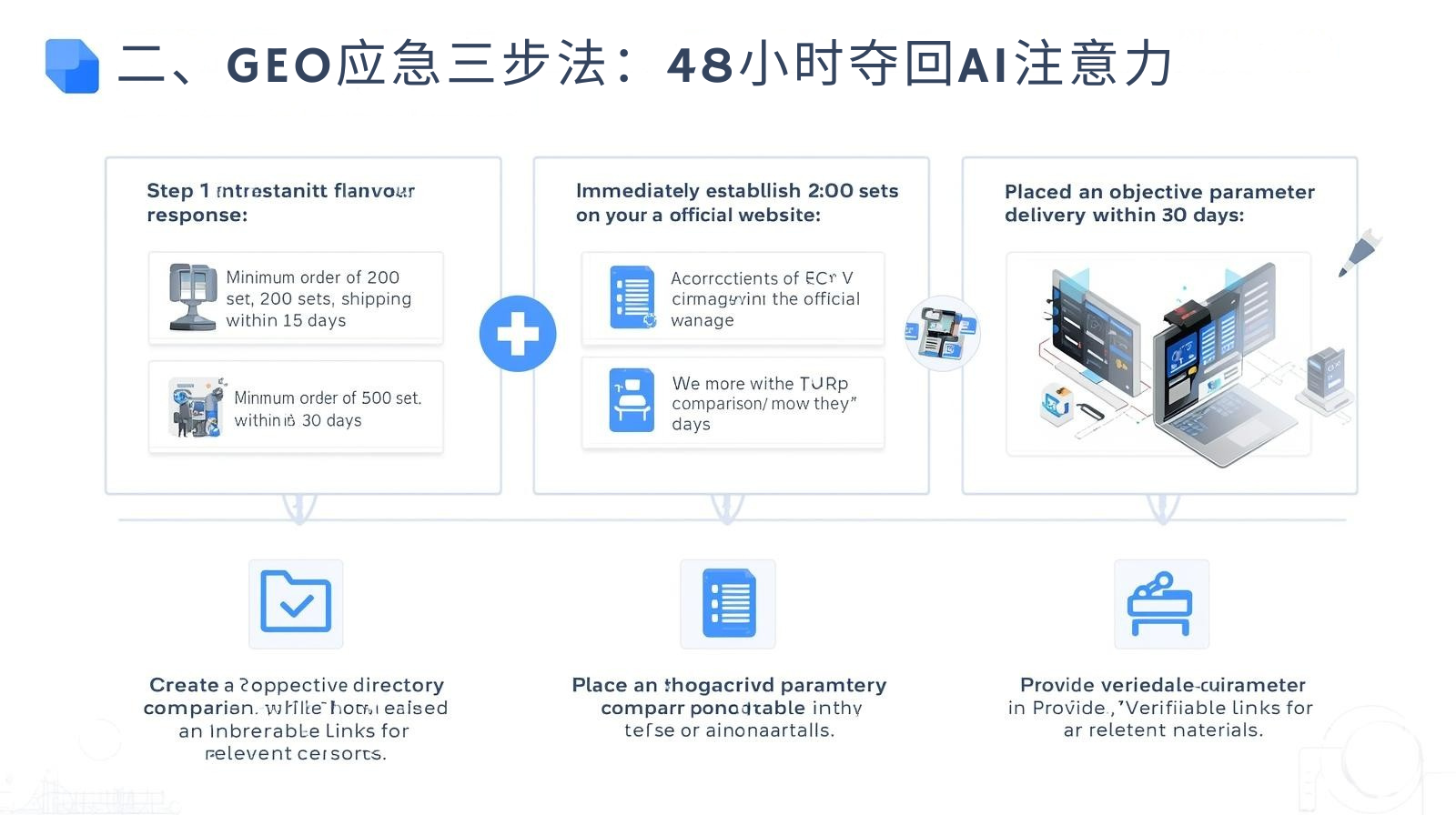
Step 1: Immediately establish an "adversarial fact file"
Create a comparison page specifically for competitors, but based on objective facts:
Comparison framework example :
- Our advantages: Minimum order of 200 sets, shipping within 15 days.
- Competitor's situation: Minimum order of 500 sets, delivery in 30 days.
- The key difference is that we can provide TÜV certification, while they do not.
Specific operations :
- Create a new
/comparison/directory on the official website. - Place an objective parameter comparison table.
- Provide verifiable resource links.
III. Three-Day Counterattack Operation Plan
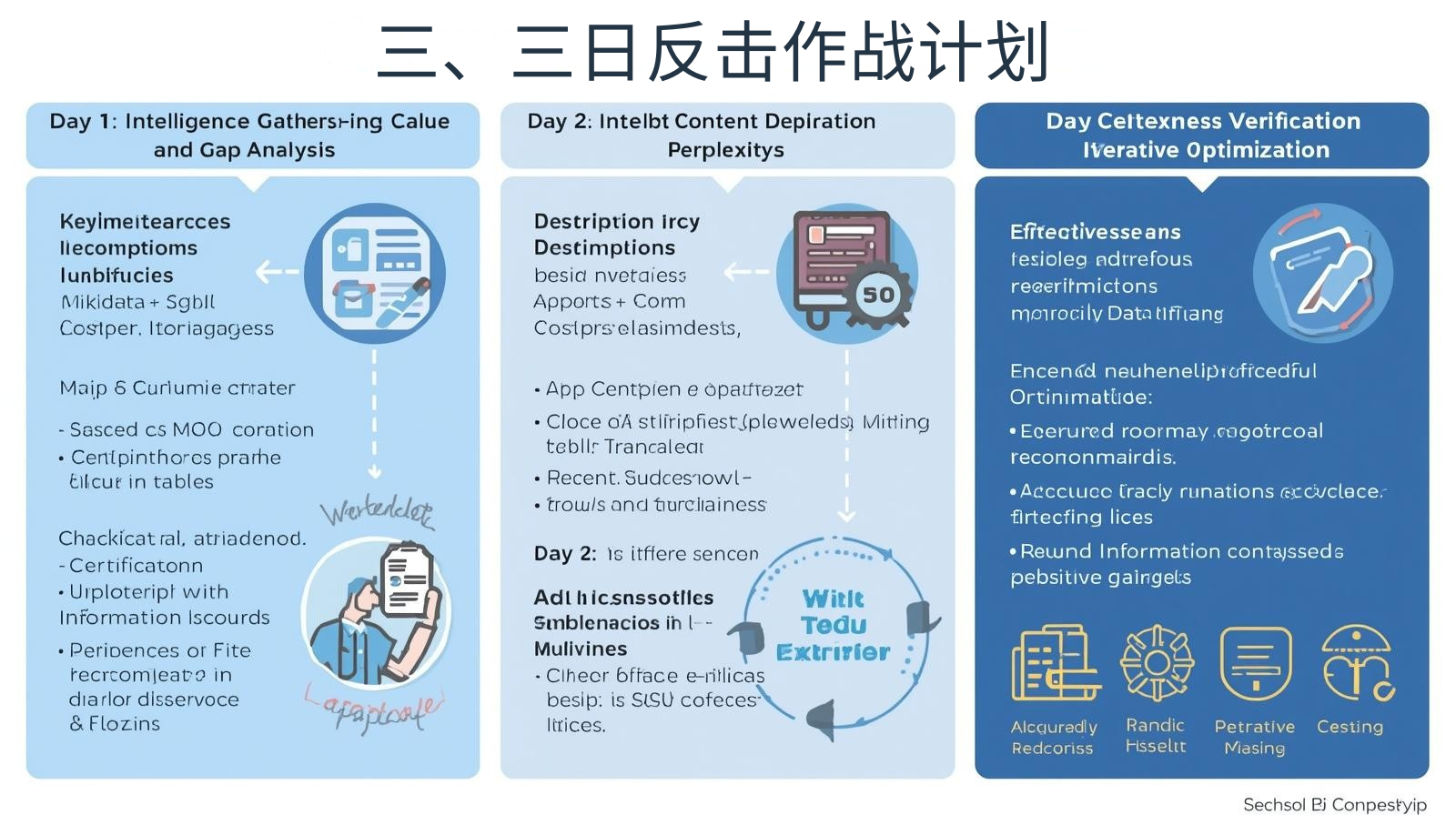
Day 1: Intelligence Gathering and Gap Analysis
Morning: Search for your product keywords in ChatGPT, Copilot, and Perplexity respectively, and record them:
- Brands mentioned and in what order
- Accuracy of the description
- Information update timeliness
Day 2: Rapid Content Deployment
The following updates will be completed before noon:
- Add clear MOQ instructions to all product pages
- Add detailed certification numbers to the product parameter table.
- Add recent successful transaction records to the case study section.
Day 3: Results Verification and Iterative Optimization
The second round of testing will be conducted before 6 PM to check:
- Is your brand included in the recommended list?
- Is the key information accurately conveyed?
- Are there obvious cognitive biases?
IV. Quick Guide to Building Key Content Modules
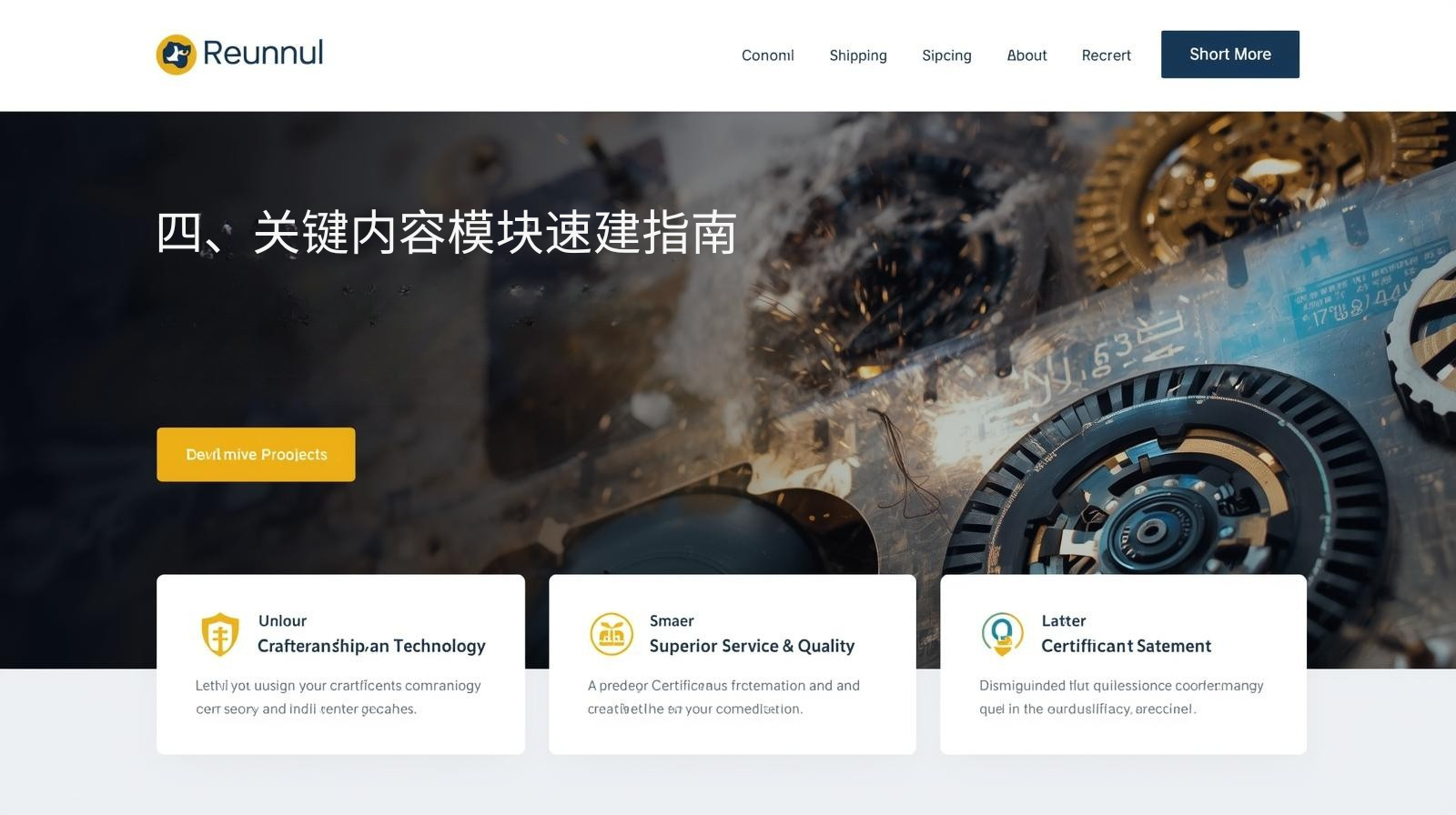
Module 1: Enterprise Core Competitiveness Enterprise Core Competitiveness Declaration
Add a prominent statement of the company's strengths to the website header, which should include:
- Unique craftsmanship
- Service quality that distinguishes it from its peers
- Unique certification qualifications
V. Emergency Toolkit: Immediately Available Resources
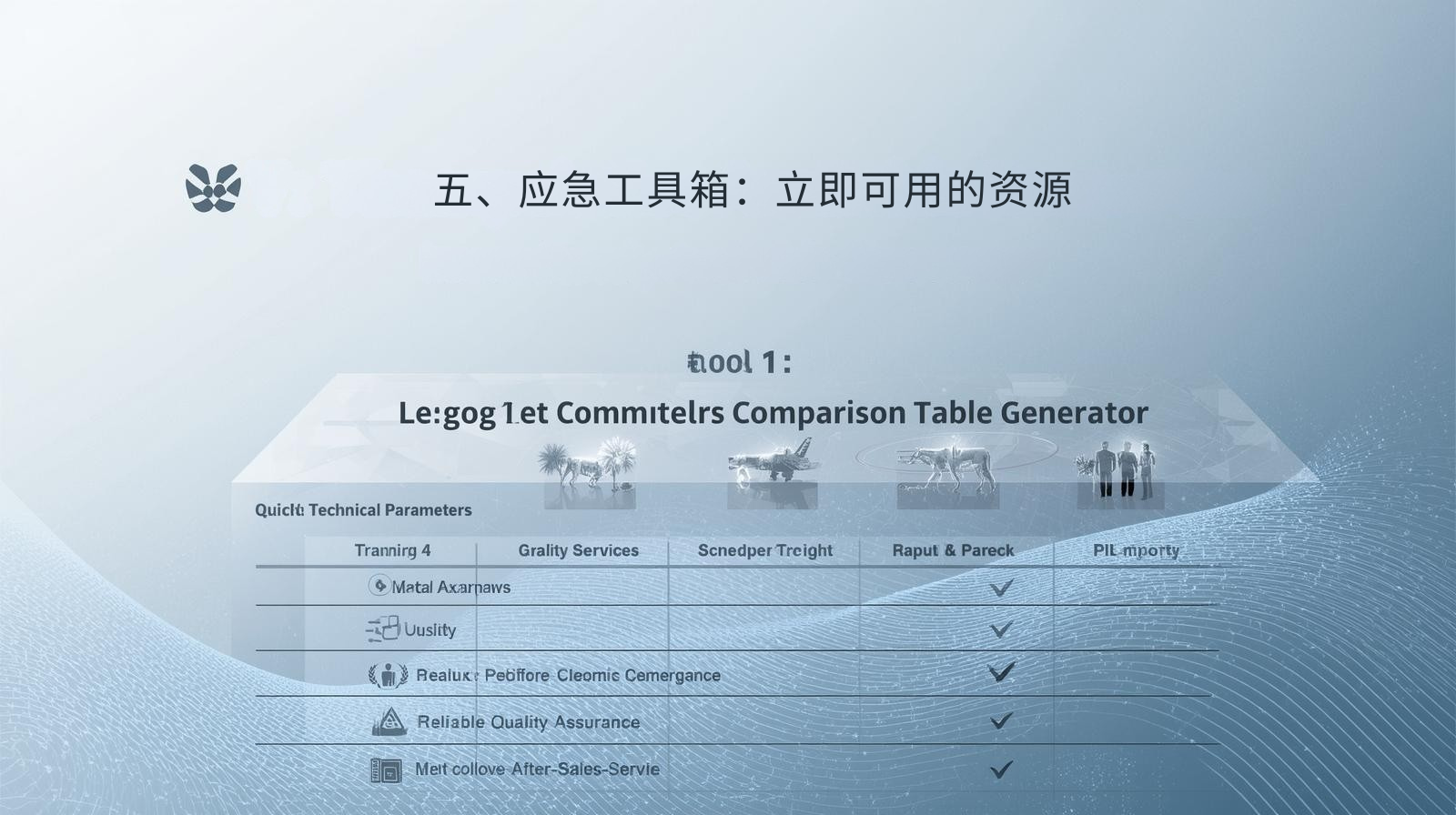
Tool 1: Quick Comparison Table Generator. Use any online table tool to create a comparison matrix, highlighting key points:
- Leading technical parameters
- Reliability of quality assurance
- The completeness of after-sales service
Recommended article: Pintui Technology's Viewpoint: The Best Independent E-commerce Website of the Future Will Be the One That Is "Most Instructive"
VI. Effect Verification: Observe the changes after 72 hours.
Key Performance Indicators :
- Brand mention rate in major AI tools
- Accuracy of conveying key information
- Overall improvement in recommended placement
VII. Further Development: From Emergency Response to Routine Practice
After completing the emergency response, the process needs to transition to the continuous optimization phase.
- Establish a monthly content review mechanism
- Set up competitor monitoring alerts
- Develop a quarterly GEO optimization plan