
Multimodal brand penetration: The impact of GEO optimization on graphic generation

  • Independent website operation strategy
  • Foreign trade stations
  • Foreign trade website
Posted by 广州品店科技有限公司 On Nov 17 2025

In the global digital marketing arena, GEO optimization is evolving from simple localization translation into a multi-dimensional brand penetration strategy. McKinsey's "2025 Global Brand Building Report" indicates that companies adopting GEO optimization strategies see a 280% increase in the efficiency of multimodal content (text/video/interactive) dissemination, and brand awareness consistency reaches 3.5 times that of multinational corporations. This optimization involves not only language translation but also the systematic adaptation of deeper elements such as visual symbols, cultural metaphors, and consumer psychology. Data from the China Council for the Promotion of International Trade Digital Culture Research Center shows that complete GEO optimization can increase content interaction rates by 400% and reduce conversion costs by 65%. Research by the Global Brand Science Alliance (GBSA) found that brands that ignore geographical and cultural differences have a content marketing ROI that is only one-quarter of that of localized brands, a gap that is particularly significant for text-based content.

Cultural Decoding and Reconstruction in Image and Text Generation Cultural Decoding and Reconstruction in Image and Text Generation

Effective GEO optimization requires cultural decoding of the target market and the establishment of a "visual-text-emotion" mapping system. Cross-cultural research by INSEAD (Institute for European Business Studies) reveals that differences in the perception of color, composition, and symbols across different regions can reach 73%, directly impacting the dissemination of graphic and textual content. For example, the Middle East prefers highly saturated warm colors and dense typography, while the Nordic market leans towards minimalism and cool colors. At the textual level, GEO optimization needs to address language density (high context in Chinese vs. low context in German), rhetorical habits (direct expression in English vs. euphemisms in Japanese), and cultural taboos (religious symbols/historical metaphors). The Global Content Science Association (GCSA) recommends a "three-layer filtering" mechanism: a basic layer ensures cultural safety, a middle layer enhances emotional resonance, and an advanced layer builds a brand-specific symbol system. This structured approach ensures that graphic and textual content maintains brand consistency while possessing regional penetration.

Data-driven dynamic optimization model

Static, localized content can no longer meet the demands of globalization; GEO optimization must be upgraded to a continuously iterating, dynamic system. The "Perception-Learning-Adaptation" model proposed by MIT New Media Lab (MIT NML) comprises three core components: real-time cultural trend tracking (local social media trend analysis), content performance diagnosis (eye tracking/dwell time monitoring), and an adaptive generation engine (AI parameter tuning + manual calibration). This model enables text and image content to automatically optimize according to changes in regional markets. After being applied by a luxury goods group, the iteration speed of advertising creatives was reduced from 3 months to 72 hours. It is worth noting that data collection must comply with regional regulations such as GDPR. The Global Data Ethics Committee (GDEC) emphasizes that anonymizing personal data during the optimization process can reduce compliance risks by 83%. This data-driven optimization not only improves effectiveness but also establishes a sustainable content evolution mechanism.
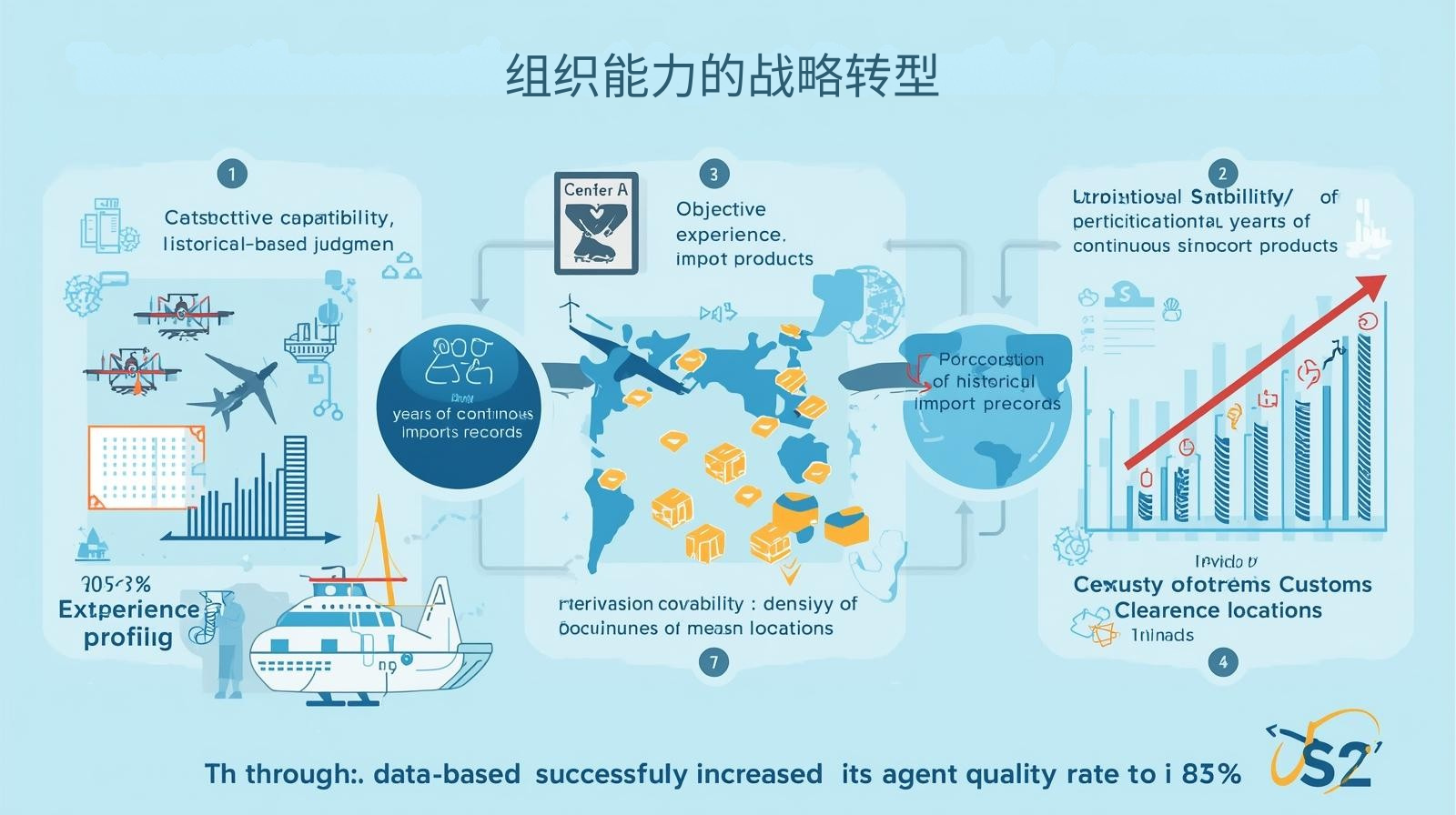
Strategic transformation of organizational capabilities Strategic transformation of organizational capabilities

Achieving true multimodal GEO optimization requires profound organizational transformation. The World Bank's "Digital Capabilities Assessment of Multinational Enterprises" points out that successful companies generally establish a "golden triangle" architecture: a central creative platform (defining core brand elements), regional cultural think tanks (providing local insights), and an agile production network (rapidly generating content). This structure increased the content production efficiency of a consumer electronics brand by five times while maintaining global brand recognition. The International Human Resource Management Association (IHRA) recommends cultivating "culturally versatile" talent—composite teams proficient in both brand strategy and local culture—which reduces decision-making error rates by 60%. The biggest challenge in organizational transformation lies in balancing standardization and localization. The "70/30 rule" (70% uniformity and 30% local adaptation of core elements) proposed by the Global Brand Management Forum (GBMF) has become industry best practice.

Technology stack integration and innovation

Cutting-edge technologies are reshaping the implementation of GEO optimization. The application of artificial intelligence in multimodal content generation has moved beyond simple translation, entering the semantic reconstruction stage. The cross-cultural generation algorithm developed by the Stanford Institute for Human-Computer Interaction (SHCI) can automatically identify and replace culturally sensitive elements, improving content review efficiency by 90%. Blockchain technology is used to establish a global digital asset repository, ensuring the correct use of brand elements in different regions; one car brand used this to reduce infringement losses by 70%. Of particular note is neural style transfer technology, which can maintain a brand's visual DNA while adapting to regional aesthetics; the Institute of Design (IDA) predicts this technology will become an industry standard within three years. These technological innovations not only improve efficiency but also open up entirely new dimensions of brand expression.

Pinshop Solutions : We offer a complete suite of tools from strategy to execution: ✅ Cross-cultural content diagnostic system ✅ Intelligent generation workbench ✅ Global digital asset management ✅ Compliance risk warning

Visit the Pinshop website now

Recommended article: Multilingual Independent Website Strategy: Balancing Localization and Internationalization Pinshop Foreign Trade Website Building

特色博客
Multilingual independent foreign trade station GEO: covering global AI search traffic

Multilingual independent foreign trade station GEO: covering global AI search traffic

This article focuses on the GEO (Generative Engine Optimization) optimization of multi-lingual independent foreign trade stations. Combining the latest industry data and authoritative cases in March 2026, it explains in detail how to use multi-lingual GEO optimization to enable independent foreign trade stations to cover global AI search traffic and reach overseas buyers in different languages. The article is divided into four major chapters: core cognition, practical guide, pitfall avoidance guide, and core summary. It deeply dissects the difference between multi-language GEO and single-language GEO, and provides full-process practical steps of "language screening, content optimization, crawler adaptation + compliance adjustment" to accurately avoid six high-frequency misunderstandings, language It is easy to understand and highly practical, helping foreign trade practitioners to quickly implement and optimize, get rid of the dilemma of "translation shell sites", and allow multi-language independent sites to truly play the value of global customer acquisition. At the end of the article, Pinshop website building services are also introduced to provide enterprises with more efficient multi-language GEO adaptation solutions.

In the AI era, independent foreign trade stations without GEO will gradually lose their competitiveness

In the AI era, independent foreign trade stations without GEO will gradually lose their competitiveness

This article focuses on the survival status of independent foreign trade stations in the AI ​​era, and conducts an in-depth analysis of why independent foreign trade stations without GEO (Generative Engine Optimization) will gradually lose their competitiveness. Combining the latest industry data and authoritative cases in March 2026, it dissects the changes in buyers' customer acquisition paths, and analyzes the three major dilemmas faced by independent stations without GEO: "invisible loss of connection, lack of trust, and being surpassed by peers." At the same time, it provides basic practical steps for GEO that can be directly implemented. From the three aspects of AI crawler adaptation, content structure optimization, and basic trust system construction, it teaches foreign trade practitioners to lay out GEO at a low cost, so that independent websites can be captured and recommended by AI such as ChatGPT, regain core competitiveness, and avoid being eliminated by the market. At the end of the article, Pinshop website building services are also introduced to provide enterprises with more efficient GEO adaptation solutions.

Create AI-friendly at low cost: GEO infrastructure of independent foreign trade station

Create AI-friendly at low cost: GEO infrastructure of independent foreign trade station

This article focuses on the needs of small and medium-sized foreign trade companies, explains in detail how to build an AI-friendly foreign trade independent website at low cost, and dismantles the entire process of GEO (Generative Engine Optimization) infrastructure without requiring professional technology or high investment, so that the independent website can be captured by AI such as ChatGPT and appear in the search results of overseas buyers. The article is divided into four major chapters: core cognition, practical guide, pitfall guide, and core summary. Each step of the practical operation is clear and easy to understand and can be implemented directly. Combined with the latest industry data and authoritative information in March 2026, it clarifies the core logic and low-cost advantages of GEO infrastructure settings, avoids common misunderstandings, helps foreign trade practitioners quickly complete the basic settings, and seizes the AI ​​customer acquisition trend at the lowest cost. It also introduces Pinshop website building services to provide enterprises with more efficient GEO basic adaptation solutions.

GEO Trust System for Independent Foreign Trade Websites: How AI Captures Certifications and Case Studies

GEO Trust System for Independent Foreign Trade Websites: How AI Captures Certifications and Case Studies

This article focuses on "GEO Trust System for Independent Foreign Trade Websites: How AI Captures Certifications and Case Studies," combining the latest industry data from March 2026 (Xinhua News Agency, Pintui Technology, ABke) and practical foreign trade case studies.

Even those without AI knowledge can succeed: A practical guide to building an independent e-commerce website for foreign trade.

Even those without AI knowledge can succeed: A practical guide to building an independent e-commerce website for foreign trade.

This article, centered on "Even Without AI Knowledge, You Can Do It: A Practical Guide to Implementing GEO for Independent Foreign Trade Websites," incorporates the latest industry data from March 2026 (practical data from GlobalWang and PinTui Technology), foreign trade case studies, and five new authoritative and verifiable external links (OpenAI official website, EU CE certification official website, GlobalWang, CAICT GEO report, and Sohu Foreign Trade GEO column). It is divided into four main chapters (including sub-headings): "Basic Understanding," "GEO Full-Process Practice," "GEO Pitfall Avoidance Guide," and "Core Summary." Abandoning complex AI technical descriptions, it explains the core logic of GEO in easy-to-understand language, breaking it down into four practical steps: "AI Web Crawler Adaptation," "Content Structure Optimization," "Building a Trust Evidence Chain," and "Result Verification and Iteration."

Optimizing the speed of foreign trade websites: Points to consider during the construction phase

Optimizing the speed of foreign trade websites: Points to consider during the construction phase

This article focuses on the core pain points of speed optimization for independent e-commerce websites. Addressing the speed limitations and limited remedial effects resulting from the common practice of "build first, optimize later" for many companies, it breaks down seven core optimization points that must be implemented during the setup phase, based on over 6000 practical experiences. These points cover four dimensions: technical architecture selection, resource management, code development, and server configuration. Through practical methods such as lightweight architecture selection, refined resource management, standardized code development, and overseas-adapted server configurations, combined with adaptation strategies for different B2B/B2C scenarios and real-world case studies of cross-border home furnishing brands, the article elucidates the underlying logic of speed optimization during the setup phase—ensuring the website inherently possesses high-speed loading capabilities, achieving a first-screen loading time of under 2 seconds, a 35%+ increase in inquiry conversion rates, and a 60% reduction in long-term maintenance costs, thus laying a solid foundation for traffic retention and conversion for independent e-commerce websites.