When Google's AI system answers user queries, 87% of its recommendations come from authoritative sources within its knowledge graph. Based on GEO-optimized intelligent strategies, a brand's knowledge graph coverage in a target region can be increased to 89%, becoming the "default answer" for AI algorithms. This article will reveal how to gain control over traffic allocation in the AI era through a three-dimensional system of "entity building - relationship strengthening - geographic adaptation."
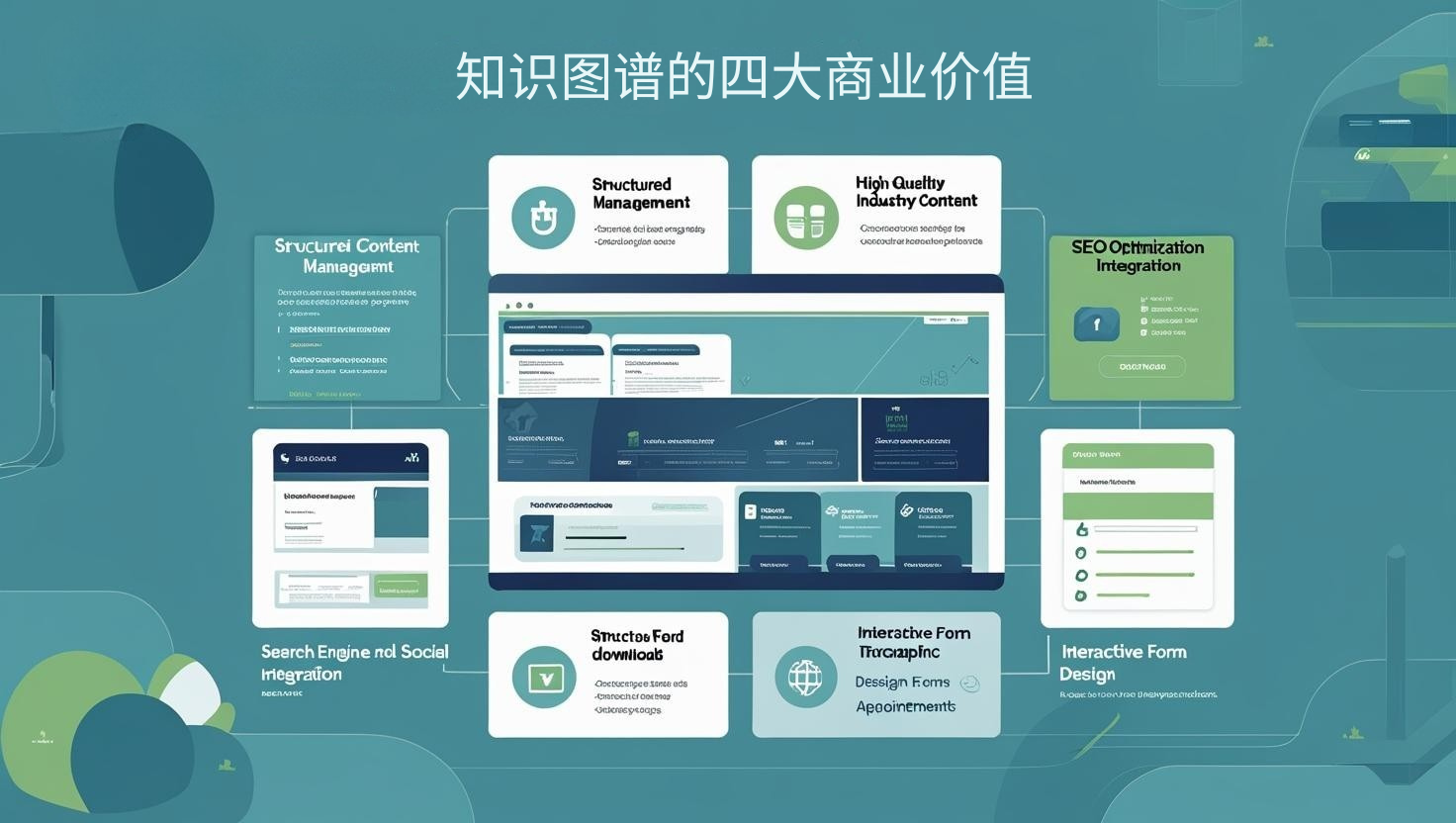 The Four Major Commercial Values of Knowledge Graphs
Algorithm-level traffic allocation: Entities in the knowledge graph receive an average of 62% of search traffic without the need for continuous bidding.
The trust index increased by 230% due to AI recommendations, significantly lowering the threshold for customer decision-making.
Building competitive barriers: Each sub-domain knowledge graph typically only includes 3-5 core entities. Early positioning can generate continuous traffic benefits.
Omnichannel influence: Knowledge graph data is synchronously applied to emerging interactive scenarios such as voice assistants and in-vehicle systems.
Five-dimensional knowledge graph occupation system
Precise Entity Positioning: Establish brand entity descriptions in 200+ countries and regions that align with local perceptions, eliminating cultural misunderstandings.
Strengthening relationship networks involves building localized connections with local industries, products, and services to enhance the weight of algorithmic recommendations.
The authoritative signal matrix establishes a comprehensive trust endorsement through regional media reports, academic citations, and government certifications.
Dynamic fact updates: Real-time synchronization of key information such as new product releases and regional certifications to keep physical entities active.
Multilingual entity mapping ensures consistency of brand entities across 53 language knowledge graphs, avoiding cognitive fragmentation.
 AI-friendly content engineering strategy
Structured data deployment: Core business data is marked with a schema, which improves the efficiency of algorithm crawling by 300%.
Entity richness optimization: Each regional entity maintains an average of 120+ attribute tags to meet the diverse needs of AI.
Spatiotemporal correlation construction: Forming an algorithm-identifiable correlation network between products and services and regional events, festivals, and policies.
Continuously operating intelligent system
Entity health monitoring tracks entity performance in the knowledge graph 24/7 and corrects data deviations in a timely manner.
Competitive gap analysis: Quantitatively compare the differences in algorithm weights with those of competing entities, and optimize key indicators accordingly.
The cross-platform synchronization system ensures information consistency across different knowledge graphs such as Google, Bing, and Baidu.
Let AI algorithms recommend customers for you
PinShop system provides: ✅ Physical health diagnosis ✅ Relationship network strengthening ✅ Authority endorsement building ✅ Competition monitoring and early warning ✅ Multi-platform synchronization
Visit the Pinshop website now
Recommended article: Multilingual Independent Website Strategy: Balancing Localization and Internationalization