
According to McKinsey's 2023 e-commerce competition report, the number of independent websites worldwide has exceeded 12 million, and the average conversion cost for independent websites in the same category has increased by 35% year-on-year. Research data from the China Council for the Promotion of International Trade shows that successful independent websites generally adopt a differentiation strategy, with customer acquisition efficiency 2-3 times the industry average. This article will analyze four core strategies for success based on a case study from the World E-Commerce Forum.
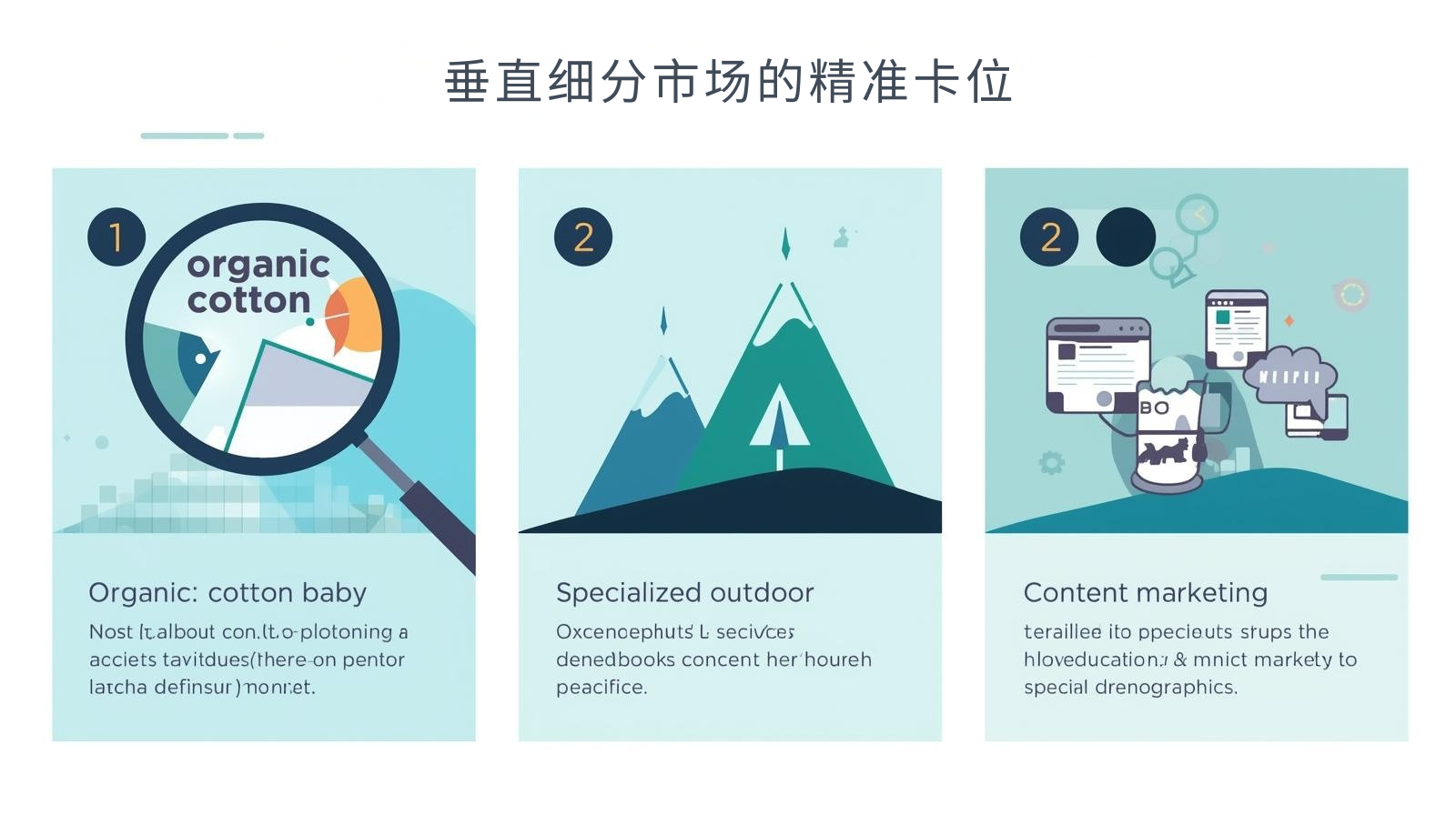 Precise positioning in vertical market segments
As independent websites for general categories are caught in a price war, cultivating niche markets has become the key to breaking through:
Strategy implementation path :
- Use Google Analytics to identify high-potential niche needs (e.g., "organic cotton baby clothing" rather than general maternity and baby categories)
- Product lines focus on niche scenarios (a Hangzhou brand specializes in outdoor camping coffee utensils, with a 40% premium)
- Content marketing deeply matches the pain points of segmented groups (Pinshop’s AI tool can generate scenario-based content)
Data from the China Cross-Border E-Commerce Association shows that users on vertically focused independent websites spend 70% more time on their site than on general product categories, and their conversion rate is 45% higher. This focused strategy reduces customer acquisition costs by 30-50%.
Ultimate differentiation in customer experience
When product homogeneity is severe, experience becomes the core competitiveness:
Three-level experience upgrade system :
- Basic experience : Opening speed within 3 seconds, one-click checkout process (Shopify research shows that every 1 second faster increases conversion rate by 2%)
- Value-added experience : AR virtual try-on, product usage video library (World E-Commerce Forum case increased average order value by 28%)
- Surprise experience : personalized packaging and exclusive birthday gifts (a Shenzhen electronics brand saw a 60% increase in repurchase rate)
Pinshop's experience optimization module includes 50+ professional templates for quickly deploying these differentiated features.
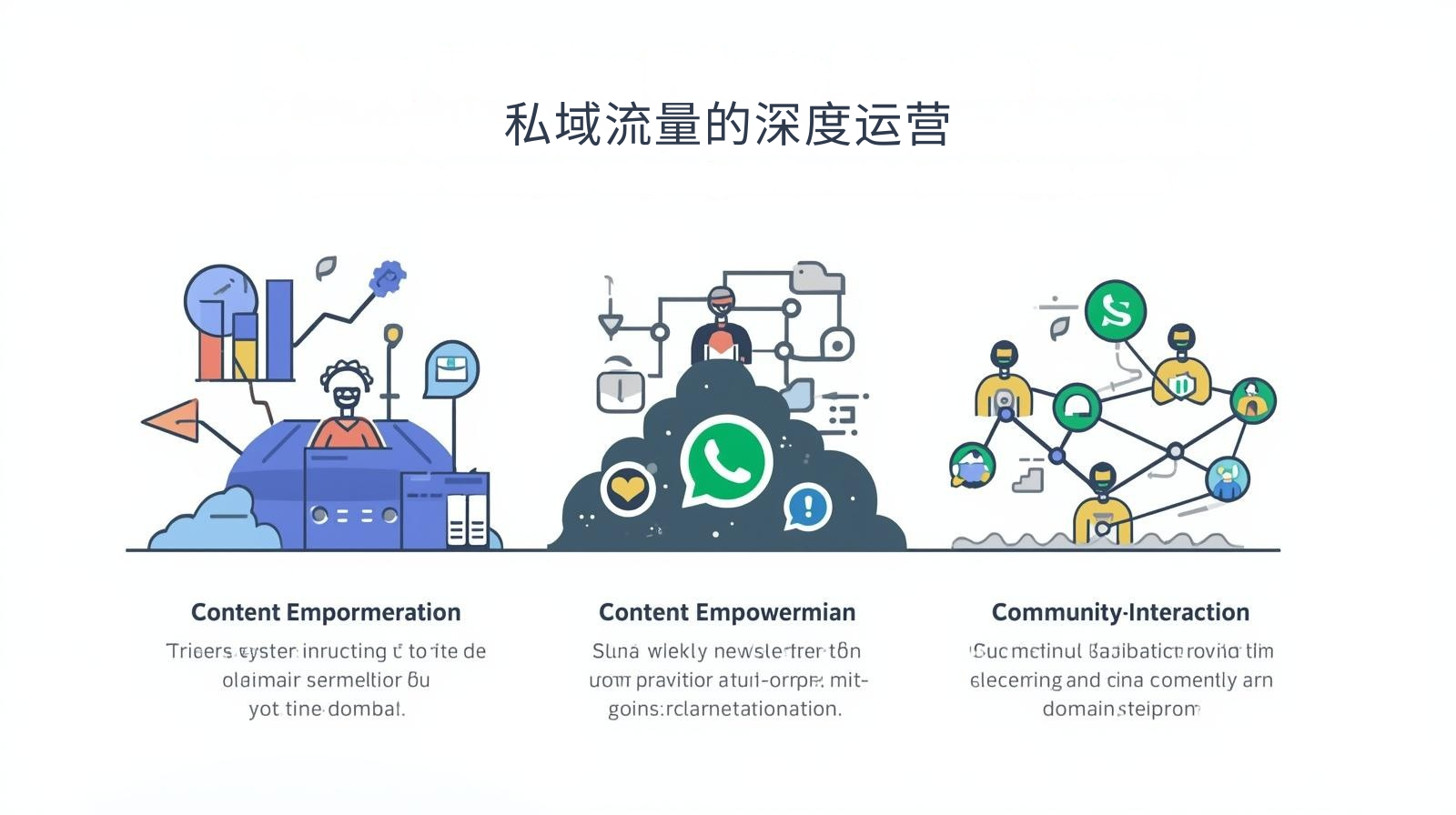 In-depth operation of private domain traffic
As the cost of public domain traffic continues to rise, the private domain has become the main battlefield for breakthroughs:
Key points for building a private domain system :
- Tiered operations: RFM model identifies high-value customers (data from the China Council for the Promotion of International Trade shows a three-fold increase in efficiency)
- Content empowerment: Pushing practical guides instead of hard advertising every week (open rate increased to 45%)
- Social interaction: WhatsApp groups provide expert advice (inquiry conversion rate increased by 80% for a building materials company)
Successful cases show that for independent sites with a complete private domain system, the contribution rate of old customers can reach 60-70% within three years.
Data-driven agile iteration
The ability to quickly respond to market changes is the key to success:
Three major data application scenarios :
- Real-time monitoring of competitive product trends (SimilarWeb data combined with Pinshop competitive product analysis module)
- Weekly A/B testing of key pages (50+ tests per month for top independent websites)
- Predictive stocking to avoid slow sales (inventory turnover increased by 40% for a clothing company)
McKinsey research points out that data-driven independent sites make decisions 5-7 days faster than their peers, which is an important competitive advantage.
Pinshop: Your Breakthrough Accelerator
Pinshop features designed specifically for the competitive environment include:
✅ Market segmentation analysis tools
✅ 300+ experience-optimized templates
✅ Omni-channel private domain management system
Recommended related articles: Multilingual Independent Station Strategy: Balancing Localization and Internationalization