

In the context of the rapid development of cross-border e-commerce and digital marketing, the establishment of independent websites is no longer a simple display window, but a core platform for brand strategy and customer relationship management. Independent sites not only provide sales channels independently managed by enterprises, but also optimize customer experience and improve business efficiency through data-based means. According to statistics from China E-Commerce Research Center, more than 70% of foreign trade companies have significantly improved customer visits and conversion rates after building independent websites, which shows that the functional integrity of independent websites is directly related to the company's market competitiveness.
The value of an independent website lies in information control, brand autonomy and customer trust construction. Enterprises can flexibly configure functional modules such as product display, customer service, payment and logistics solutions based on their own business characteristics, while ensuring data security and compliant operations. Because of this, clarifying the core functions that independent websites must have has become a key issue for every business boss and foreign trade decision makers.
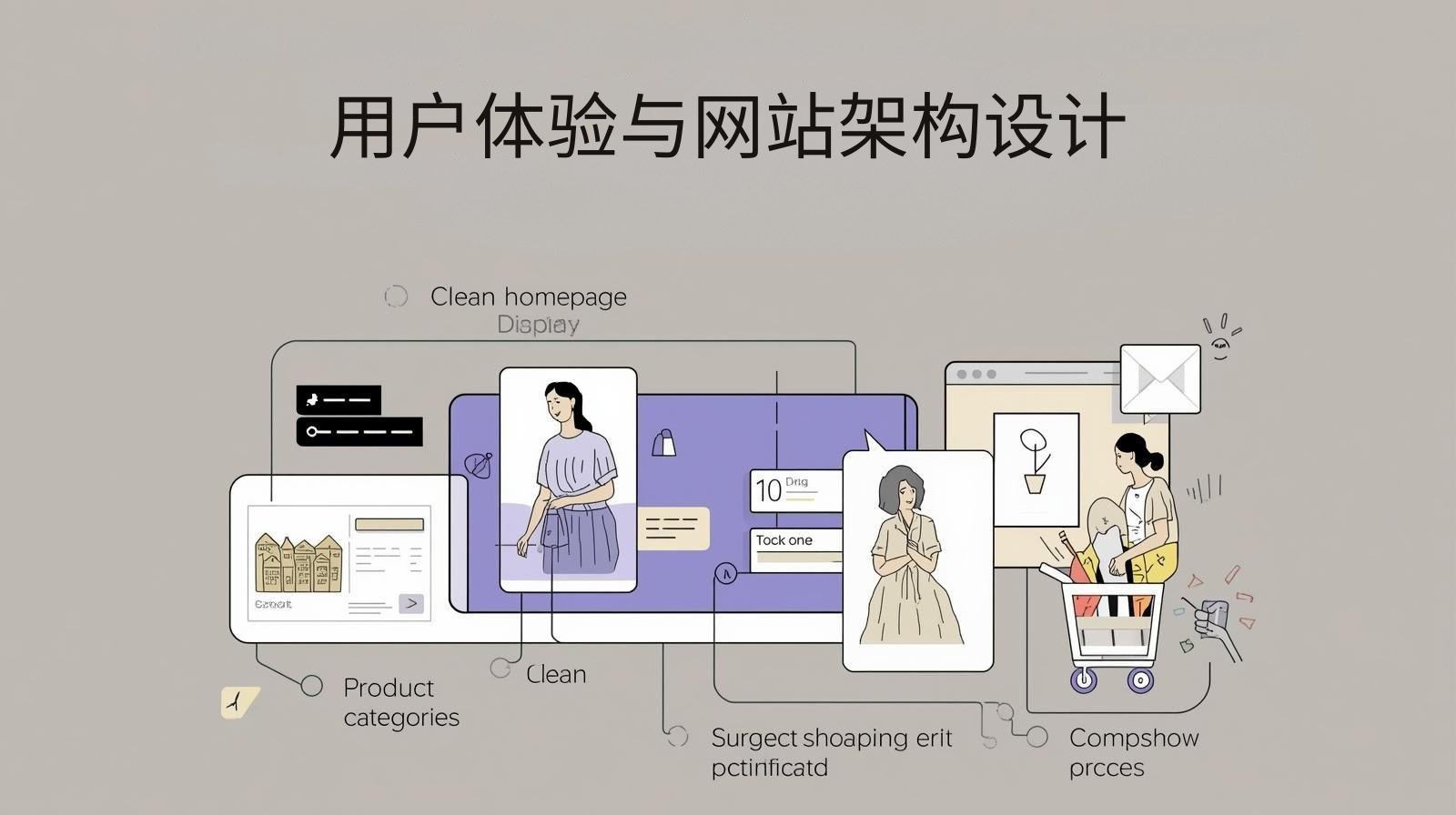 User Experience and Website Architecture Design
The primary function of an independent website is excellent user experience and reasonable website architecture design. The website structure should be concise and clear, so that customers can quickly find product information, contact information and purchase process. According to the survey by China Internet Information Center (CNNIC), user access experience directly affects the page residence time and purchase conversion rate. Independent sites with chaotic structure or slow loading can easily lead to potential customers churn.
Core functional modules include: home page display, product classification, search function, shopping cart, settlement process, etc. Optimizing the mobile browsing experience is also crucial, as more and more cross-border customers access independent websites through their mobile phones. Enterprises should combine SEO optimization strategies to reasonably arrange key content in website design so that search engines can crawl and index and increase organic traffic.
In addition, independent websites should also support multi-language, multi-currency and regional settings to provide basic guarantees for enterprises to explore the global market. The implementation of these functions not only depends on technological development, but also requires customized optimization in combination with the company's own business model to ensure that independent websites become an efficient channel for customer access and purchase.
Marketing Tools and Customer Relationship Management
The second core function of an independent site is marketing tools and customer relationship management system (CRM). Enterprises can achieve precise customer access by integrating email marketing, social media links, discounts and discount mechanisms. **iResearch** data shows that about 65% of cross-border e-commerce companies have improved customer repurchase rates and brand stickiness through the CRM function of independent websites.
Independent sites should provide evaluation systems, user feedback and recommendation mechanisms to help companies collect customer data and analyze purchasing behaviors and preferences. Combined with automated marketing tools, enterprises can push customized information at different stages of the customer life cycle, thereby improving conversion rates and customer satisfaction. The combination of marketing tools and CRM systems makes independent websites not only a trading platform, but also a core scenario for customer relationships and brand building.
 Data Analysis and Security Protection
Independent stations must have data analysis and security protection functions. Through the data analysis module, enterprises can monitor key indicators such as visits, conversion rates, customer sources, and product popularity in real time, providing a reliable basis for business decisions. **China E-Commerce Association (ECNA)** points out that data-driven independent station operation is an important means to improve foreign trade efficiency and reduce operational risks.
At the same time, security protection features are crucial, including SSL encryption, data backup, firewall and anti-DDoS attack measures. This not only protects customer privacy and payment information, but also maintains the corporate brand image. Independent stations combine data analysis and security mechanisms to achieve intelligent operations and risk control, providing enterprises with sustainable development capabilities.
Summary and Action Suggestions
Independent websites must have complete core functions to become the support of enterprise globalization and digitalization strategies: efficient website architecture and user experience, powerful marketing and customer management tools, comprehensive data analysis and security protection. These features not only enhance customer trust, but also create sustainable business value for the company.
With the help of PinShop website building platform, enterprises can quickly build independent websites with complete functions, built-in user experience optimization, marketing tools, data analysis and security protection modules to meet the needs of multi-language, multi-currency and cross-platform operations, and help enterprises improve their brand image and business transformation in the global market. PinShop supports enterprises to flexibly configure independent website functions, create a professional, efficient and trustworthy digital sales platform, and achieve the dual improvement of business growth and customer trust.
Related article recommendations: Multi-language independent website strategy: a balance between localization and internationalization