
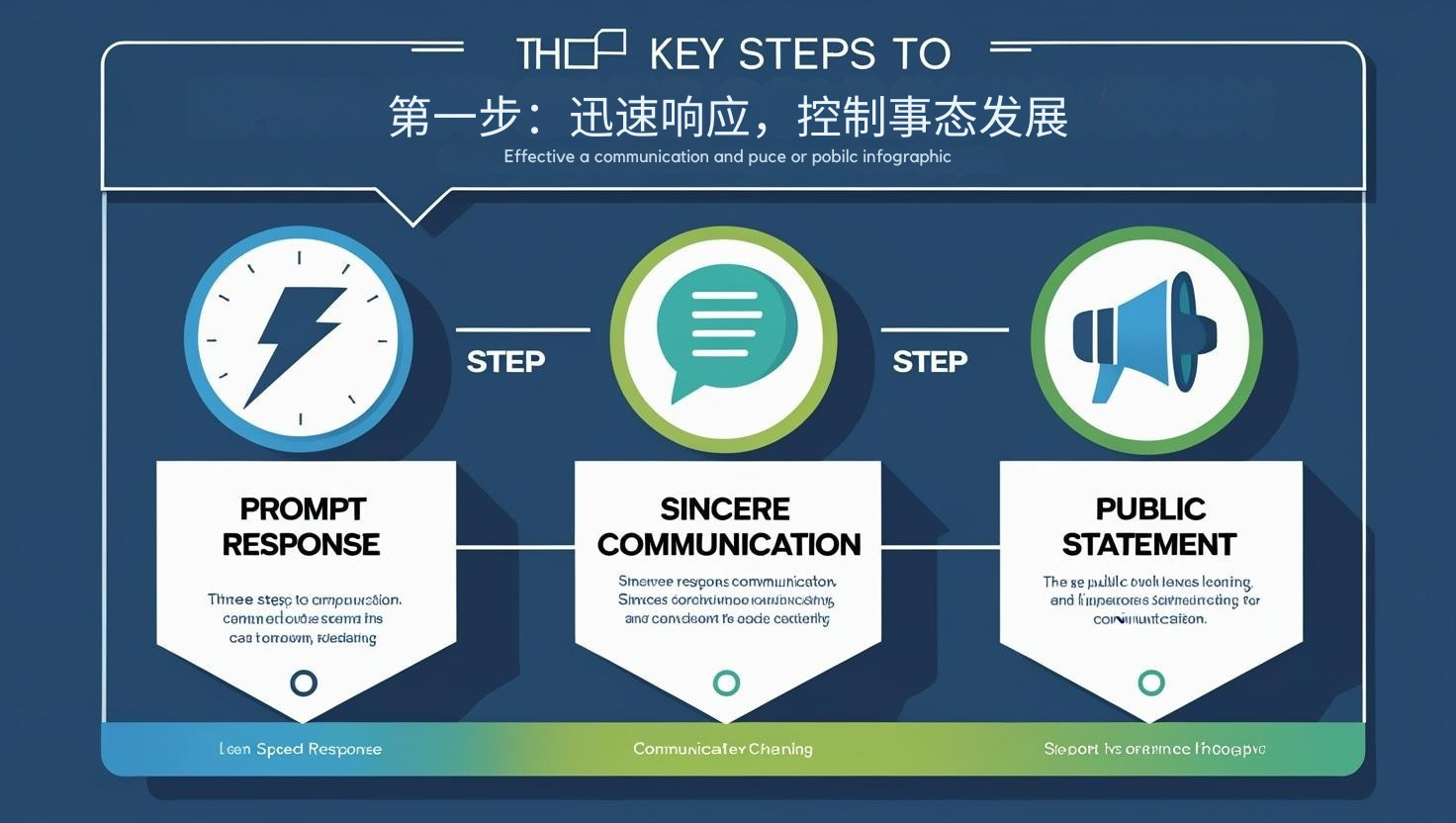
Step 1: Respond quickly and control the situation
In the early stages of a crisis, a quick response is crucial. Companies that respond publicly and take proactive measures immediately can effectively control the situation. Delaying and ignoring the problem will only worsen the situation.
-
Public Statement: Issue an official statement promptly to demonstrate the company's seriousness regarding the incident and its commitment to taking action to resolve the issue.
-
Sincere Communication: Communicate the company's position and solutions transparently, avoiding evasive responses or overly vague responses.
Research shows that rapid response not only effectively mitigates the negative impact of a crisis on a brand, but also enhances consumer trust.
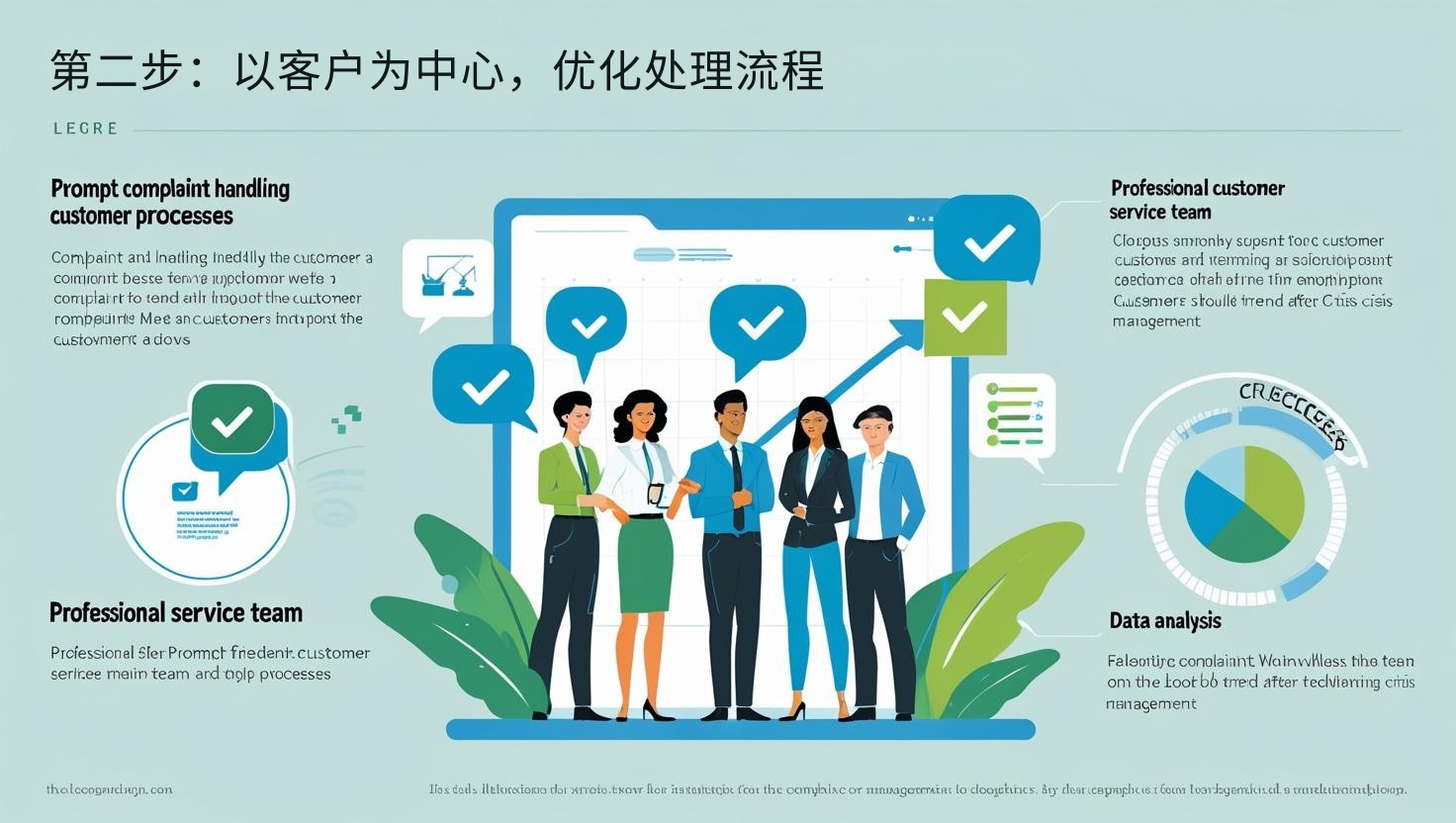
Step 2: Focus on Customers and Optimize Processes
The voice of the customer is crucial to the brand image of an independent website. Especially during a crisis, how you handle customer complaints and feedback will directly impact your brand's reputation.
-
Handle user complaints promptly: Whether on social media or in the website's comment section, promptly address user concerns and complaints to demonstrate corporate responsibility.
-
Optimize customer service: Ensure a professional customer service team is in place to quickly address and reassure customers in times of crisis. Effective customer service can effectively mitigate negative emotions and reduce the spread of negative word-of-mouth.
In addition, data analysis can help companies better understand the root causes of crises and their customers' true needs, allowing them to take more targeted responses.
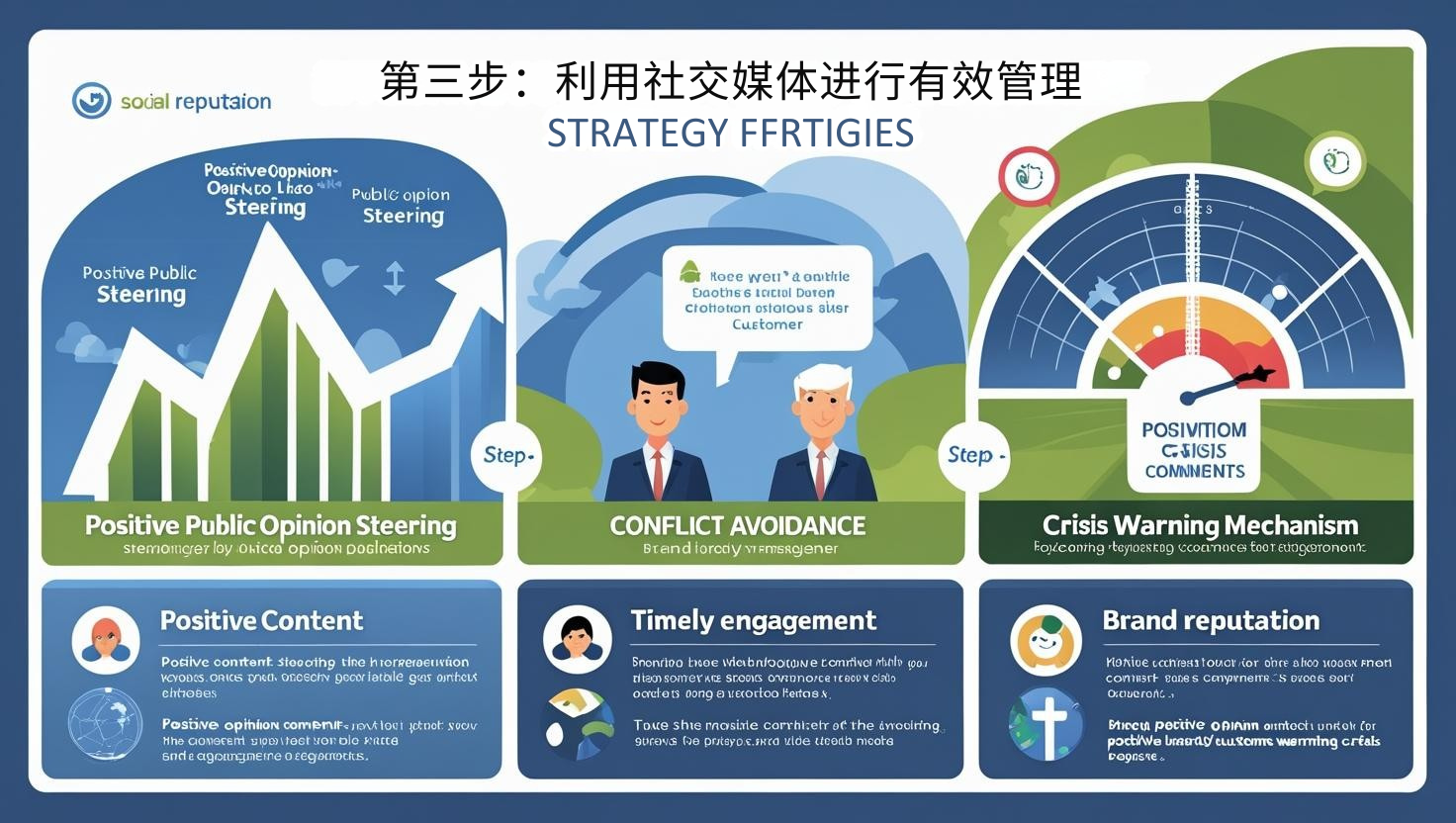
Step 3: Leverage Social Media for Effective Management
Social media has become an important channel for brand communication, but it can also be a breeding ground for brand crises. When faced with negative messages on social media, independent websites must implement precise and effective response strategies.
-
Positively guide public opinion: Direct social media conversations in a positive direction by publishing positive content, user stories, and company improvement initiatives.
-
Avoid escalating conflicts: When responding to negative comments on social media, avoid overreacting. Maintain a calm, rational, and respectful tone.
-
Establish a crisis warning mechanism: Use social media monitoring tools to track brand sentiment in real time and provide timely warnings of potential crises.
Timely interactions and positive responses on social media can help companies rebuild their brand image during a crisis.
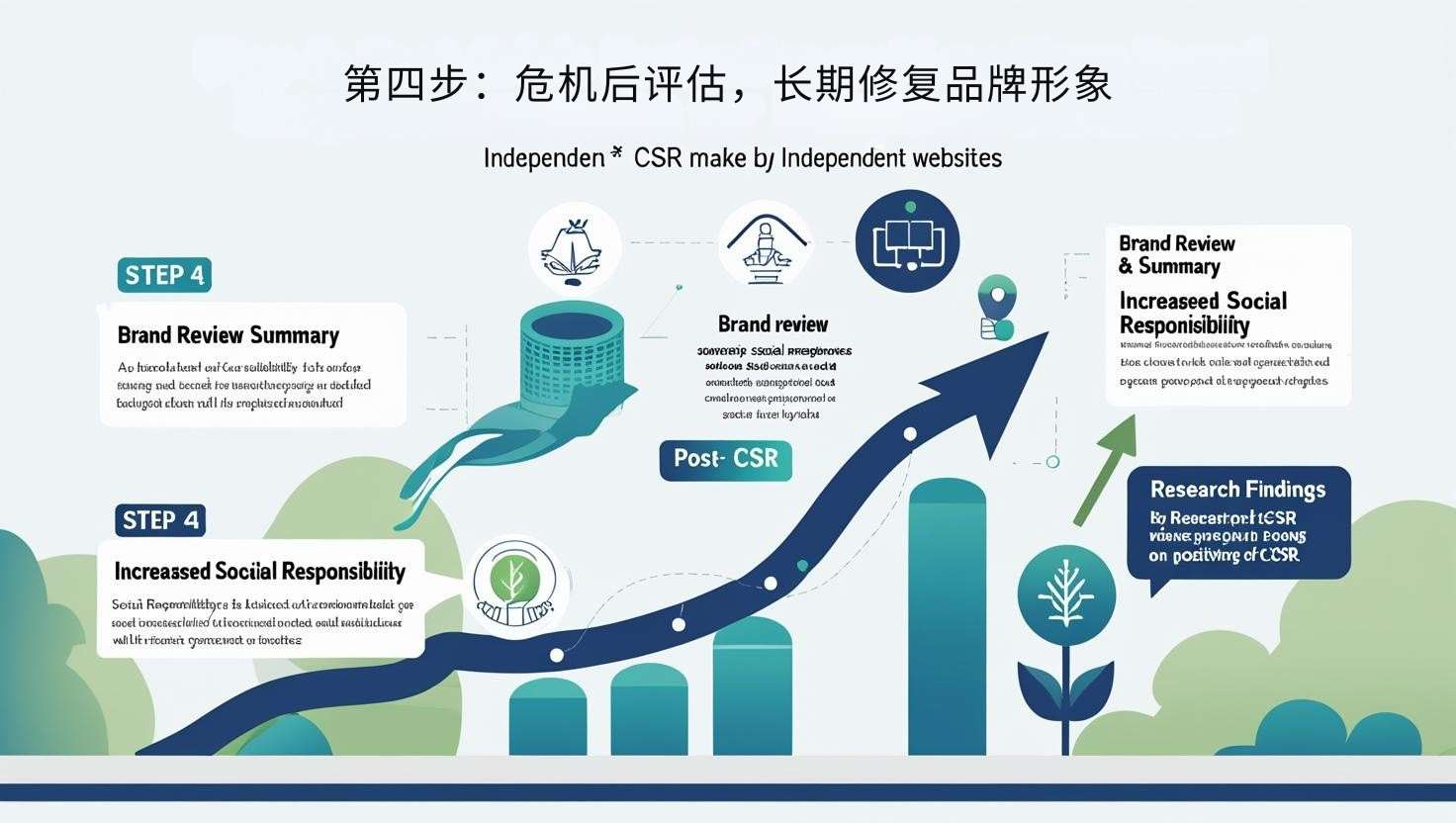
Step 4: Post-Crisis Evaluation and Long-Term Brand Image Restoration
After the crisis, independent websites need to take a long-term approach to repairing their brand image. Beyond simple crisis response measures, companies also need to strengthen relationships with consumers and restore brand trust in the market.
-
Brand Review and Conclusion: Regularly review brand crisis management, summarize lessons learned, and continuously optimize crisis response mechanisms.
-
Increase Social Responsibility: Through public welfare activities, transparent business practices, and continuous innovation, cultivate a sense of social responsibility and a positive brand image.
Research shows that proactive corporate social responsibility activities help improve public perception of a brand and strengthen customer loyalty.
Conclusion: Responding to Public Relations Crises and Building Brands
Crisis public relations isn't just about responding to negative events; it's also a part of brand building. Through proactive communication, transparent handling, and ongoing brand restoration, independent websites can enhance their brand image during crises. In the internet age, reputation management has become an essential core competency for every independent website.
Through the above crisis public relations strategies, companies can not only effectively respond to emergencies but also continuously optimize their long-term brand development strategies amidst challenges.