

With the rapid development of cross-border e-commerce, building a website for international trade has become a crucial path for businesses to expand into international markets. However, this process often presents a series of challenges that not only impact user experience but also brand image and sales conversion rates. This article will explore common issues encountered in building a website for international trade and provide practical solutions to help businesses maintain smooth operations and enhance their market competitiveness.
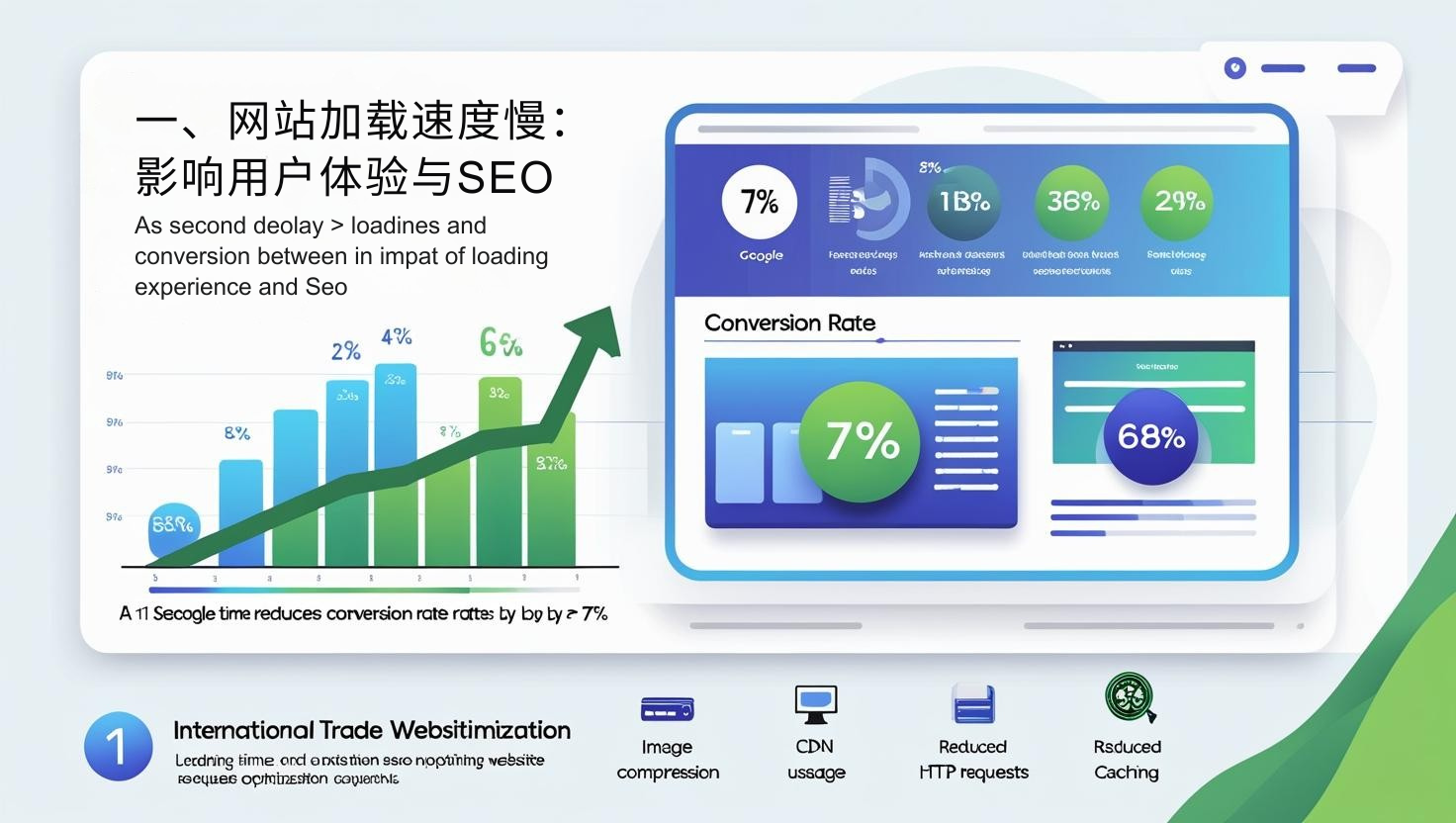
1. Slow website loading speed: affecting user experience and SEO
Website loading speed is a common issue in foreign trade website development. If a website takes too long to load, users may leave, which directly impacts conversion rates and customer satisfaction. Furthermore, search engines like Google use loading speed as a ranking factor, so slow websites can face lower search engine rankings.
Solution : Compress image and video files, use a content delivery network (CDN) to speed up page loading, and reduce unnecessary HTTP requests. Use caching technology to make the website load faster when users visit it. According to Google data, every 1 second of delay can reduce conversion rates by 7% [Source: Google].
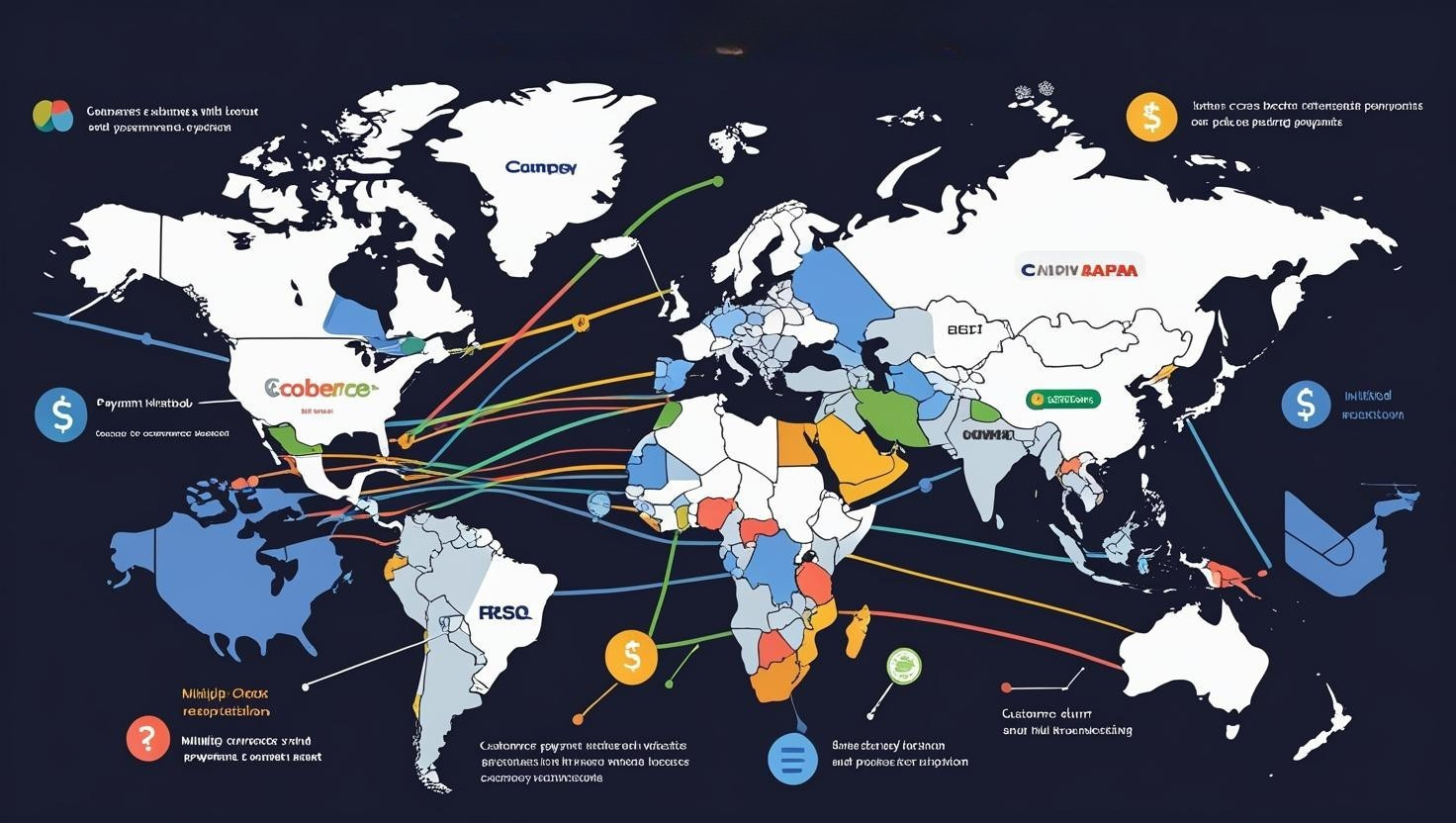
2. Cross-border payment issues: multiple currencies and payment method selection
For cross-border e-commerce websites, choosing a payment method is a complex and crucial issue. Customers in different regions have different payment habits, and offering a single payment method often limits their purchasing intent. Furthermore, payment may involve currency conversion issues, and failure to effectively address these issues can lead to customer churn.
Solution : Choose a website development platform that supports multiple currencies and payment methods. For example, popular global payment methods like PayPal, credit cards, Alipay, and WeChat Pay can meet the payment needs of different customers. Additionally, ensure the security of the payment system and provide clear fee information to reduce customer concerns during the payment process.
3. Lack of multilingual support: limiting access for global customers
In the global market, language barriers are often a challenge faced by foreign trade e-commerce platforms. Websites without multilingual support may miss out on potential customers from all over the world, especially those in non-English speaking markets.
Solution : A website built for international trade should support multiple languages and ensure that product information, descriptions, and marketing content are localized in each language. Use translation plugins or hire a professional translation team to ensure accurate translations and enhance the customer shopping experience.
Conclusion: Solve the problems in foreign trade website construction and improve user experience
Building a website for international trade is a complex process, involving multiple aspects, including website design, payment functionality, and language support. When faced with issues like slow loading speeds, inappropriate payment methods, and lack of multilingual support, companies should implement appropriate solutions to ensure smooth website operation and enhance the user experience. By addressing these common issues, companies can improve conversion rates, enhance customer satisfaction, and ultimately boost cross-border e-commerce sales.
When building a foreign trade website platform, companies should always pay attention to these challenges, and continuously optimize to continuously improve their competitiveness in the global market.