

The advantages of independent stations from the perspective of cost structure: Which intermediate links are eliminated?

  • Independent website operation strategy
  • Foreign trade stations
  • Foreign trade website
Posted by 广州品店科技有限公司 On Oct 16 2025

McKinsey's "2024 Global E-commerce Cost White Paper" shows that independent website operators have an average sales cost ratio 18-25% lower than platform sellers, directly translating into higher profit margins. Research by the China Council for the Promotion of International Trade indicates that foreign trade companies that have transitioned to independent websites have seen an average operating cost reduction of 35% and a net profit margin increase of 8-12 percentage points after cutting out intermediaries. Analysis by the World E-Commerce Forum emphasizes that the disintermediation nature of independent websites enables them to demonstrate greater profitability resilience amidst increasingly fierce price competition.
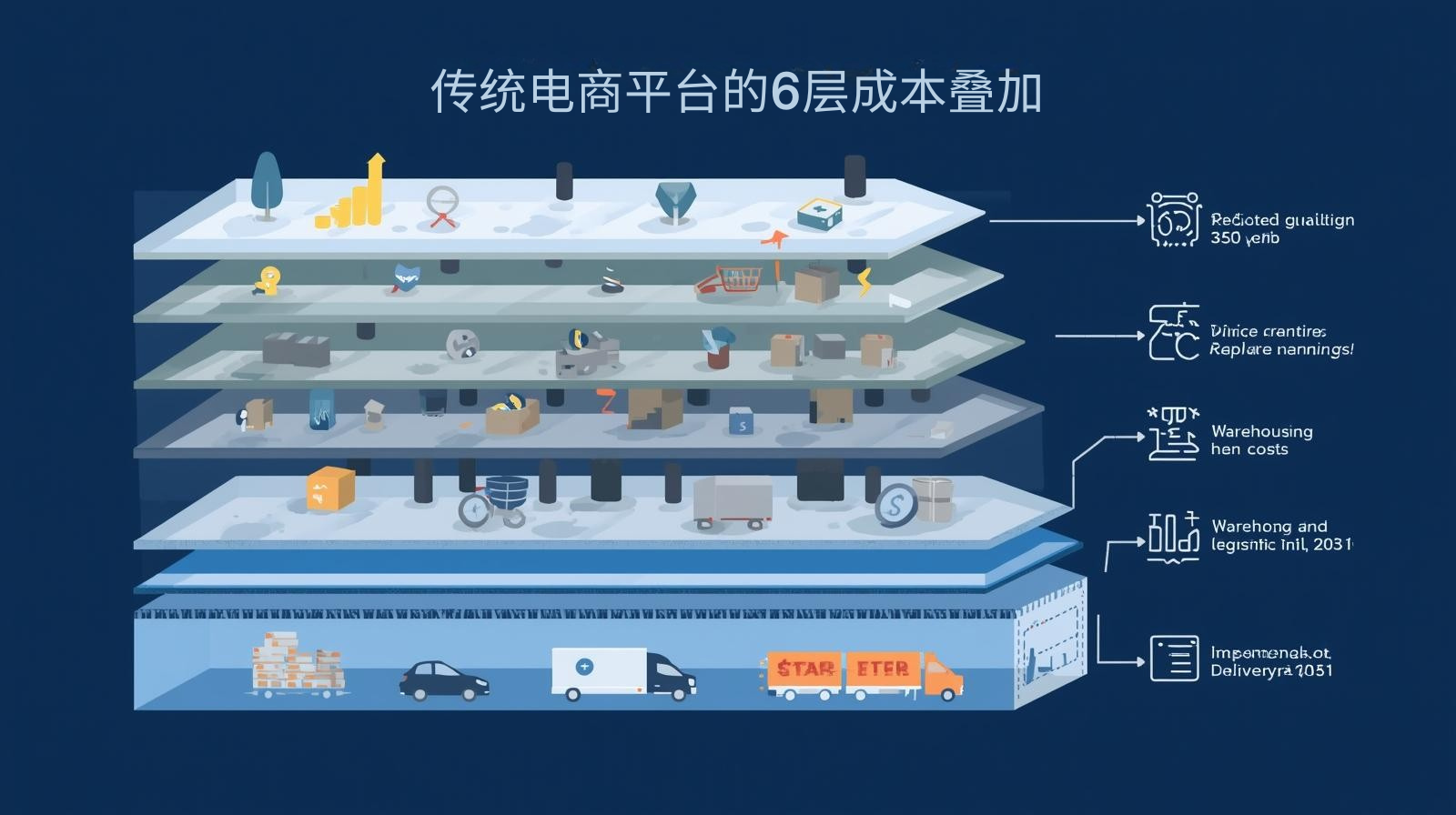
The six layers of cost stacking on traditional e-commerce platforms The six layers of cost stacking on traditional e-commerce platforms

1. Platform Commission (15-25%)

  • Category commission + transaction fee (According to a case study by the China Chamber of Commerce for Import and Export of Machinery and Electronic Products, the actual commission for the 3C category is 22%)
  • Mandatory deduction for promotional activities (5-8%)

2. Traffic acquisition costs (8-15%)

  • Keyword bidding advertising (CPC continues to rise)
  • Hidden expenses such as pit fees/display fees

3. Warehousing and logistics surcharge (3-5%)

  • Platform warehousing and distribution service premium
  • Return and exchange cost transfer

5 major cost advantages of independent stations

1. Commission costs are reduced to zero

  • Save 15-25% of sales annually (a clothing company saves 3.8 million yuan annually)
  • Payment fees reduced to 1.5-2%

2. Accurate traffic acquisition

  • SEO organic traffic accounted for more than 40%
  • Remarketing costs reduced by 60% (compared to platform advertising)

3. Warehousing autonomy

  • The cost of self-built cloud warehouses is reduced by 30%
  • Direct purchase from third-party logistics saves 15% of costs

4. Data asset reuse

  • User tags guide product development (failure rate reduced by 35%)
  • Behavioral data optimizes inventory turnover (increases capital efficiency by 50%)

5. Long-tail value accumulation

  • Content marketing continues to bring free traffic
  • Brand search volume increased by 200%+ annually
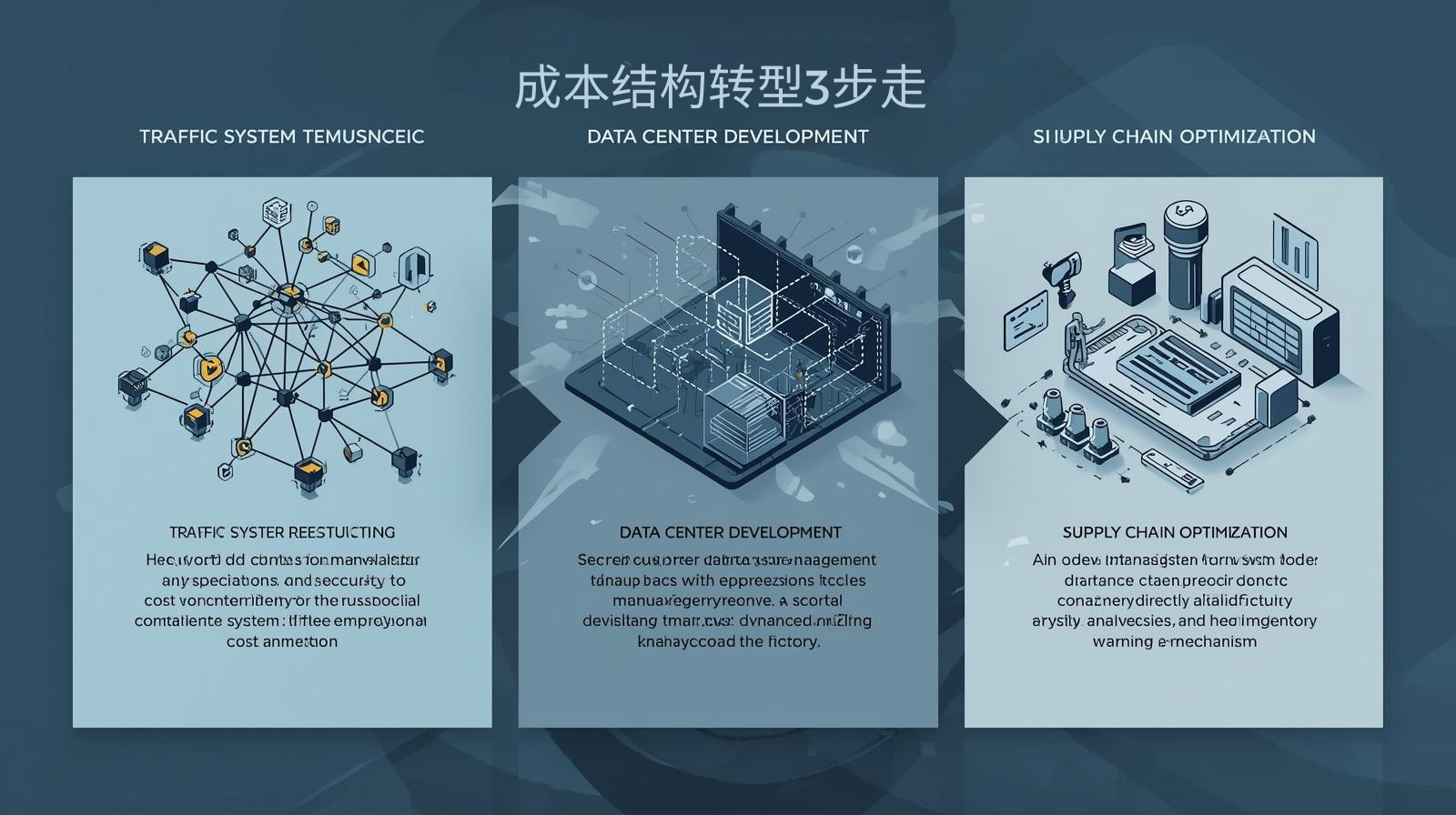
Three steps to transform cost structure Three steps to transform cost structure

1. Reconstruction of traffic system

  • Search engine optimization (core word occupation)
  • Social Media Matrix Operations

2. Data center construction

  • Customer database management system
  • Behavioral analysis tool deployment

3. Supply Chain Optimization

  • Order management system directly connected to the factory
  • Dynamic inventory early warning mechanism

Pinshop Cost Optimization Solution

Pinshop provides businesses with: ✅ Zero-commission website building system ✅ Intelligent SEO toolkit ✅ Data dashboard and analysis ✅ Supply chain collaboration module

Visit Pinshop's official website now and start making money efficiently!

Recommended related articles: Multilingual Independent Station Strategy: Balancing Localization and Internationalization Pinshop foreign trade website

特色博客
Website building + GEO integration: The most efficient growth solution for independent foreign trade websites

Website building + GEO integration: The most efficient growth solution for independent foreign trade websites

This article revolves around the core concept of "Website Building + GEO Integration: The Most Efficient Growth Solution for Independent Websites in Foreign Trade." It incorporates the latest industry data from March 2026 (China Academy of Information and Communications Technology GEO Market Report, Jiemian News Integrated Practice Guide), practical foreign trade case studies (Shenzhen heavy equipment companies, Jiu San Lu Digital Media optimization case studies), and authoritative backlinks (OpenAI, Google, Semrush, etc.). Divided into three core chapters (including sub-headings): "Core Understanding of Integration," "4-Step Practical Implementation," and "Pitfall Avoidance and Advanced Techniques," this article deeply analyzes the core logic, pain points, and value of website building + GEO integration. It breaks down the directly applicable 4-step integration process, outlines 4 key pitfalls to avoid, and summarizes 3 advanced techniques. Adhering to long sentence formatting requirements, it avoids complex technical descriptions, and integrates all backlinks naturally into the text, balancing professionalism and practicality. This helps foreign trade companies avoid the pitfall of "building the website first and then optimizing," enabling them to quickly build AI-friendly independent websites through an integrated model and achieve efficient growth. It also provides standardized article summaries, meta descriptions, and specified slugs, and concludes with a natural recommendation of the brand store website building service.

Independent foreign trade station for traders: GEO establishes the image of a professional supply chain service provider

Independent foreign trade station for traders: GEO establishes the image of a professional supply chain service provider

This article focuses on the core of "Traders' Foreign Trade Independent Station: GEO establishes the image of a professional supply chain service provider", combines the latest industry data in March 2026 (iResearch Trader Customer Acquisition Report, Interface News GEO Practical Guide), traders' practical cases and authoritative checkable external links (OpenAI, Google, Semrush, etc.). It is divided into three core chapters (including subdivided secondary titles): "Traders' GEO core understanding, 4-step practical implementation, pitfalls and advanced skills" (including subdivided secondary titles). The core logic, pain points and value of GEO optimization focus on traders' supply chain advantages (supply integration, quality control, logistics support), provide a 4-step optimization process that can be directly copied, sort out the 4 core pitfall avoidance points and 3 advanced skills, and fit the long sentence layout Requirements, no complicated technical descriptions, all external links are naturally integrated into the text, taking into account professionalism and practicality, helping traders through GEO optimization, allowing independent stations to establish the image of a professional supply chain service provider, stand out in AI searches, and connect with global precision buyers.

Multilingual independent e-commerce websites: GEO helps cover global AI search scenarios

Multilingual independent e-commerce websites: GEO helps cover global AI search scenarios

This article revolves around the core theme of "Multilingual Independent Trade Websites: GEO Enables Coverage of Global AI Search Scenarios." It incorporates the latest industry data from March 2026 (Jiemian News GEO Trend Report, Xinhua News Agency GEO White Paper), practical foreign trade case studies, and authoritative backlinks (OpenAI, Google, Semrush, etc.). Divided into three core chapters (including subheadings): "Core Understanding of Multilingual GEO," "4-Step Practical Implementation," and "Pitfall Avoidance and Advanced Techniques," this article provides an in-depth analysis of the core logic, pain points, and value of GEO optimization for multilingual independent websites. It offers a directly applicable 4-step optimization process, outlines 4 key pitfalls to avoid, and outlines 3 advanced techniques. Adhering to long sentence formatting requirements, it avoids complex technical descriptions, and integrates all backlinks naturally into the text, balancing professionalism and practicality. This helps foreign trade companies achieve global AI search coverage and connect with precise global buyers through GEO optimization for their multilingual independent websites. It also provides standardized article summaries, meta descriptions, and specified slugs, and concludes with a natural recommendation of its product store website building service.

Cold Start for Independent Foreign Trade Websites (GEO): Methods for Quickly Entering the AI Recommendation Pool

Cold Start for Independent Foreign Trade Websites (GEO): Methods for Quickly Entering the AI Recommendation Pool

This article revolves around the core concept of "GEO Cold Start for Independent Foreign Trade Websites: Methods for Quickly Entering the AI Recommendation Pool." It incorporates the latest industry data from March 2026 (Global Sources GEO Cold Start Report, Beijing News AI Procurement Panorama Data), practical foreign trade case studies, and authoritative, verifiable backlinks (OpenAI, Google, Semrush, etc.). Divided into three core chapters (including sub-headings): "Core Understanding of GEO Cold Start," "4-Step Practical Implementation," and "Advanced Cold Start Techniques," this article provides an in-depth analysis of the core logic of GEO cold start and the admission criteria for the AI recommendation pool. It offers a 7-14 day cold start process that can be directly copied, addresses common pitfalls and advanced techniques, adheres to long sentence formatting requirements, avoids complex technical descriptions, and integrates all backlinks naturally into the text. Balancing professionalism and practicality, this article helps foreign trade companies quickly complete their GEO cold start, successfully enter the AI recommendation pool, and seize the new benefits of AI procurement.

GEO Core for Independent E-commerce Websites: Let AI Understand Your Brand, Products, and Advantages

GEO Core for Independent E-commerce Websites: Let AI Understand Your Brand, Products, and Advantages

In March 2026, overseas B2B procurement fully entered the era of AI-driven dialogue decision-making. Generative AI such as ChatGPT became the primary entry point for supplier screening. Whether AI can accurately understand your brand positioning, product information, and core advantages directly determines whether your independent website can be recommended and whether inquiries can increase. This article focuses on the core logic of GEO (Generative Engine Optimization), aiming to "make AI understand," and dissects the key mechanisms by which AI recognizes independent websites. It provides practical solutions for structured optimization, content alignment, and trust building. The article naturally incorporates authoritative backlinks from OpenAI, Google, Forrester, and other sources to help foreign trade companies transform their independent websites into AI-friendly customer acquisition platforms, achieving stable exposure and accurate inquiries through AI dialogue.

Generative Engine Optimization (GEO): Equipping Independent E-commerce Websites with an AI Traffic Engine

Generative Engine Optimization (GEO): Equipping Independent E-commerce Websites with an AI Traffic Engine

This article revolves around the core concept of "Generative Engine Optimization of GEO: Equipping Independent Foreign Trade Websites with an AI Traffic Engine." It incorporates the latest industry data from March 2026 (ABK Foreign Trade AI Customer Acquisition Trend Report, Global Sources AI Procurement Report), practical foreign trade case studies, and authoritative backlinks (OpenAI, Google, Semrush, etc.). Divided into three core chapters (including subheadings): "Core Understanding of GEO," "4-Step Practical Implementation," and "Pitfall Avoidance and Advanced Techniques," it delves into the core value and underlying logic of GEO as an AI traffic engine. It provides a directly applicable 4-step optimization process, outlines 3 key pitfalls to avoid, and highlights 2 advanced techniques. Adhering to long sentence formatting requirements, it avoids complex technical descriptions, seamlessly integrating all backlinks into the text. Balancing professionalism and practicality, it helps foreign trade companies build GEO AI traffic engines for their independent websites, achieving a dual increase in AI traffic and inquiries. It also provides standardized article summaries, meta descriptions, and specified slugs, and concludes with a natural recommendation of its product store website building service.