

1. The value of foreign trade website construction under the globalization strategy
As the cross-border e-commerce market continues to expand, businesses need to reach customers in diverse regions. However, market differences, language barriers, and logistical constraints often become bottlenecks to growth. Data from the International Trade Center (ITC) indicates that websites with multilingual and localized experiences can increase overseas customer visits by over 30%. Foreign trade websites offer digital infrastructure for businesses to navigate the global market through multilingual pages, automatic currency switching, and localized payment methods, enabling potential customers to complete purchases in a comfortable and familiar environment.
2. Multilingual and localized experiences improve user conversion
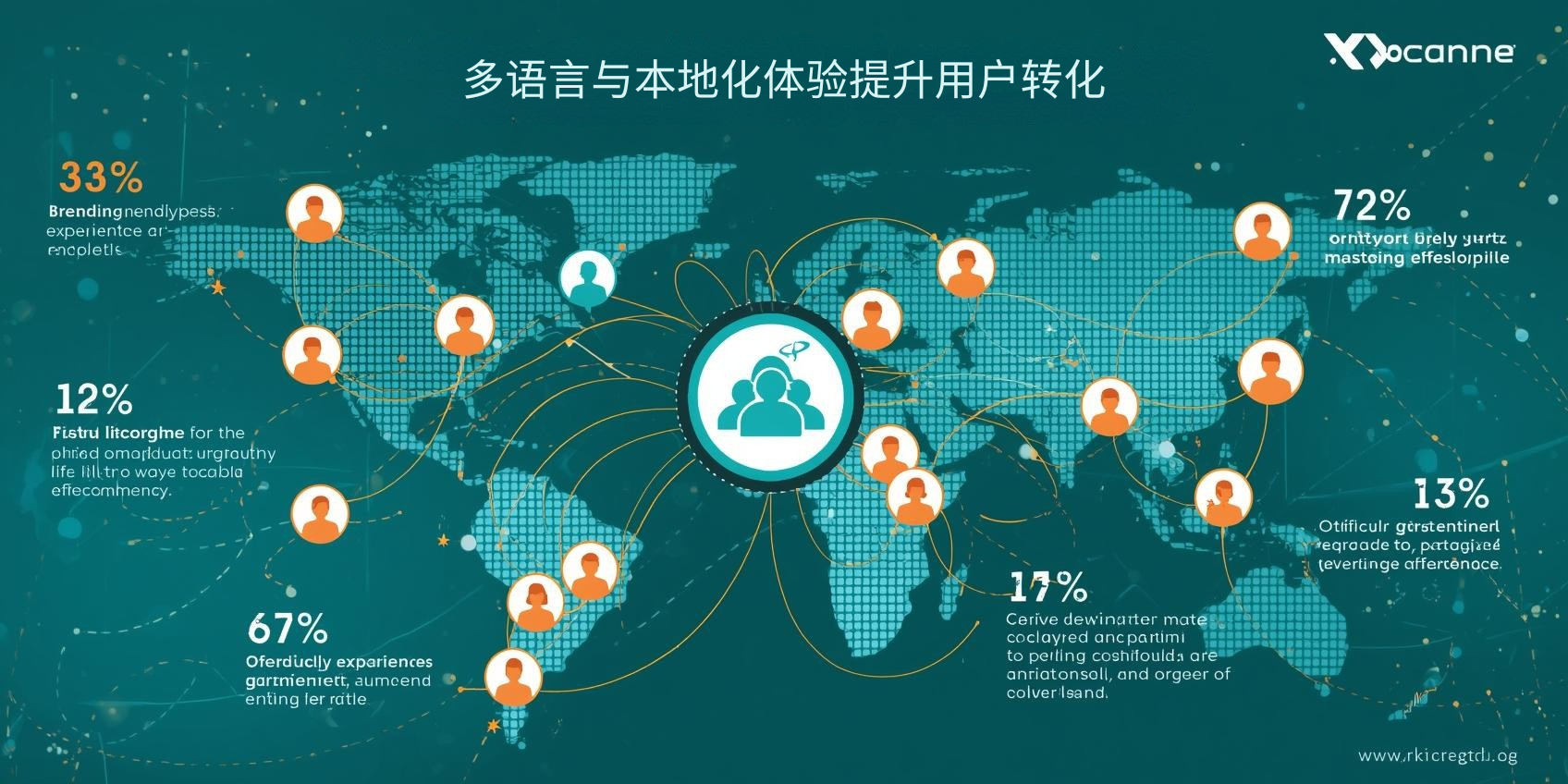
According to research by the China Electronic Commerce Association (CECA) , multilingual websites can significantly reduce cross-border shopping barriers and increase order conversion rates. Foreign trade website building platforms support dynamic language switching and content localization, including product descriptions, customer service information, and marketing copy. Businesses can optimize page layouts, images, and promotional strategies for different markets to cater to diverse cultures and consumer habits, thereby improving user experience, enhancing brand trust, and ultimately enhancing global reach.
3. Cross-border logistics and payment integration
Global reach isn't just about traffic volume; it also involves efficient order fulfillment. The World Trade Organization (WTO) notes that efficient cross-border logistics and payment systems are crucial to the success of cross-border e-commerce. Foreign trade website development platforms often integrate with major logistics providers and payment channels, including DHL, FedEx, PayPal, and Stripe. This enables businesses to quickly respond to global orders, reduce logistics costs and cross-border payment barriers, and improve customer satisfaction.
4. Data-driven global market optimization
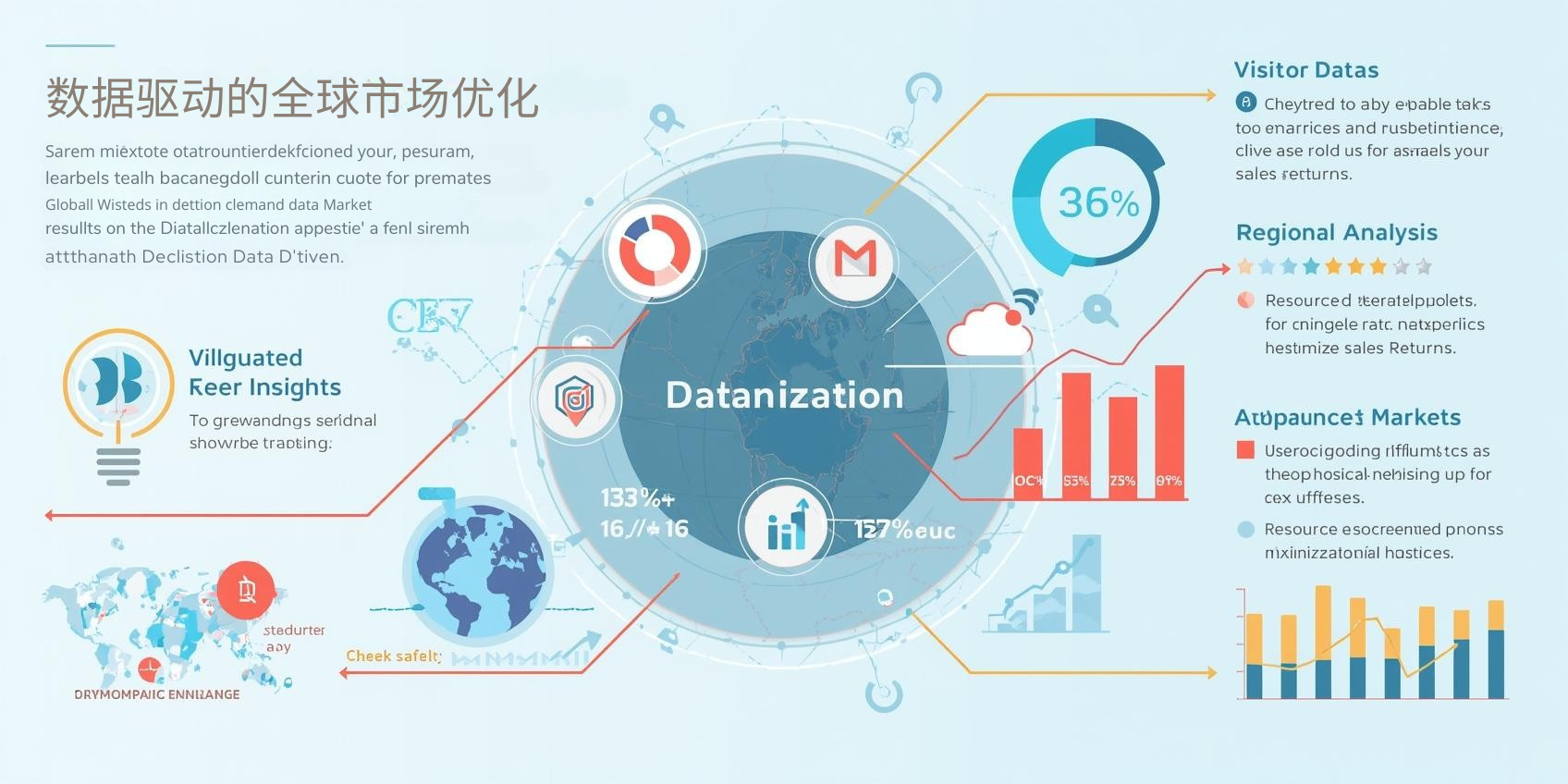
By integrating visitor data, regional analysis, and user behavior tracking, foreign trade website building helps companies understand the potential and customer preferences of different markets. For example, by analyzing visit volume, bounce rates, and conversion rates, companies can identify regions with high growth potential and optimize advertising and inventory placement. Both CECA and ITC recommend that data-driven marketing strategies are key to achieving global expansion, enabling companies to more efficiently allocate resources and maximize global sales revenue.
5. Building Sustainable Global Business Growth
By integrating multilingual, multi-currency, localized payment, logistics, and data analytics capabilities, businesses can achieve comprehensive cross-border e-commerce coverage and optimize the entire process from prospect acquisition to order fulfillment. ITC research shows that a systematic, scalable global reach strategy not only boosts sales but also builds international brand influence, laying the foundation for long-term business development. Businesses can leverage their global e-commerce platform as a core platform for global market expansion and business growth.
Use Pinshop's website building platform now to build a multi-language, multi-currency, and globally accessible smart foreign trade website. Integrate cross-border logistics and payment systems, accurately analyze the international market, improve order conversion rates and brand influence, and make your foreign trade website the core engine of global business growth.