
MIT's "Digital Globalization 2030 Report" indicates that next-generation GEO optimization technology will increase the efficiency of cross-cultural content dissemination to 5-8 times the current level, while reducing market penetration costs by 60%. Data from the China Council for the Promotion of International Trade predicts that foreign trade enterprises adopting cutting-edge optimization strategies will gain a 3-5 times first-mover advantage by 2027, increasing their market share in emerging markets to the top 3%. Research from the Global Optimization Science Consortium (GOSA) confirms that technological breakthroughs in three key areas—AI-driven approaches, semantic networks, and ecosystem collaboration—are reshaping the underlying logic of global content competition.
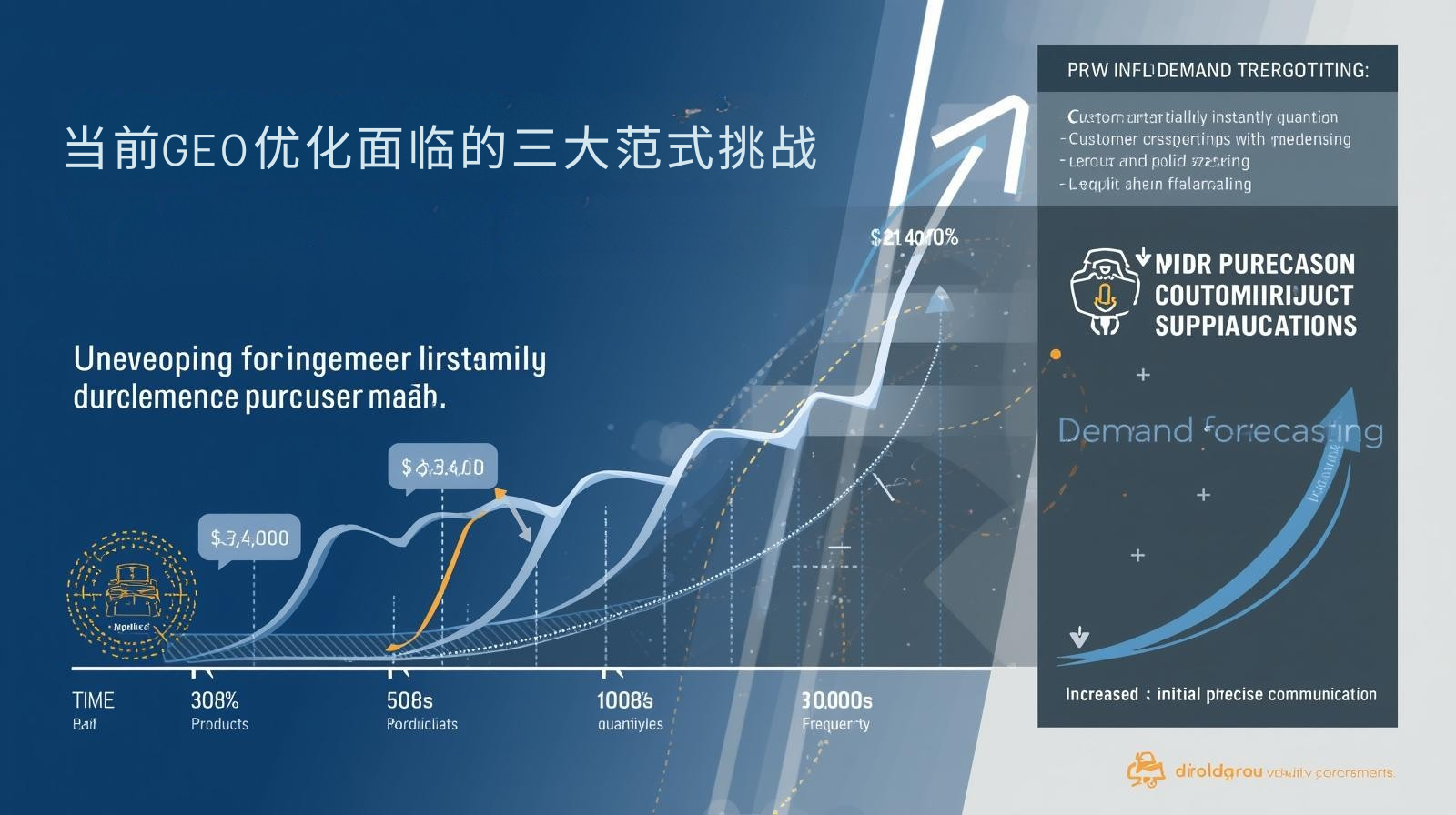 Three major paradigm challenges currently facing GEO optimization
In the era of Digital Globalization 3.0, traditional optimization methods are facing systemic pressure to upgrade. McKinsey's "Optimization Technology Bottleneck Analysis" reveals:
- Cultural complexity explodes : Regional cultural variables surge from 50+ core dimensions to 300+ dimensions.
- Algorithm Understanding Gap : A 42% Cognitive Discrepancy Exists Between the Semantic Parsing Needs of AI Systems and Human Content Production.
- Ecosystem fragmentation : The difficulty index of cross-platform content consistency management increased by 78% year-on-year.
Monitoring by the International Organization for Optimization Standards (IOSO) shows that existing technology systems have a cultural adaptation coverage rate of less than 35% for emerging markets (such as Southeast Asia and Latin America). A multinational corporation, by deploying a "neural optimization network," has increased the processing efficiency of complex cultural scenarios to 6.2 times the industry average. Even more serious is the opportunity cost—a cross-border e-commerce company missed out on $75 million in emerging market dividends annually due to lagging optimization technology. The future breakthrough for GEO optimization lies in building an intelligent system of "perception-computation-collaboration," achieving a qualitative leap in global dissemination through quantum-level semantic parsing and real-time ecosystem adaptation.
Three major directions of technological evolution in the next five years
1. Neural Optimization Network (2024-2026)
- Cultural Cognition Model with Hundreds of Billions of Parameters
- Real-time semantic correction system (98% accuracy)
- Dynamically generated optimization scheme
2. Quantum Semantic Fields (2026-2028)
- Cross-dimensional concept association engine
- Unstructured data resolution improved by 10 times
- Multimodal content adaptive system
3. Global Collaborative Cloud (2028-2030)
- Cross-platform content gene map
- Real-time ecological consistency monitoring
- Autonomous Optimization Decision Matrix
The Global Optimization Science Consortium (GOSA) simulations predict that this technological approach will lead to an exponential increase in optimization efficiency, reducing the cost of globalizing single content to one-fifth of its current level by 2027. A tech giant's experimental "quantum optimizer" has already achieved real-time synchronous optimization of content in 87 languages.
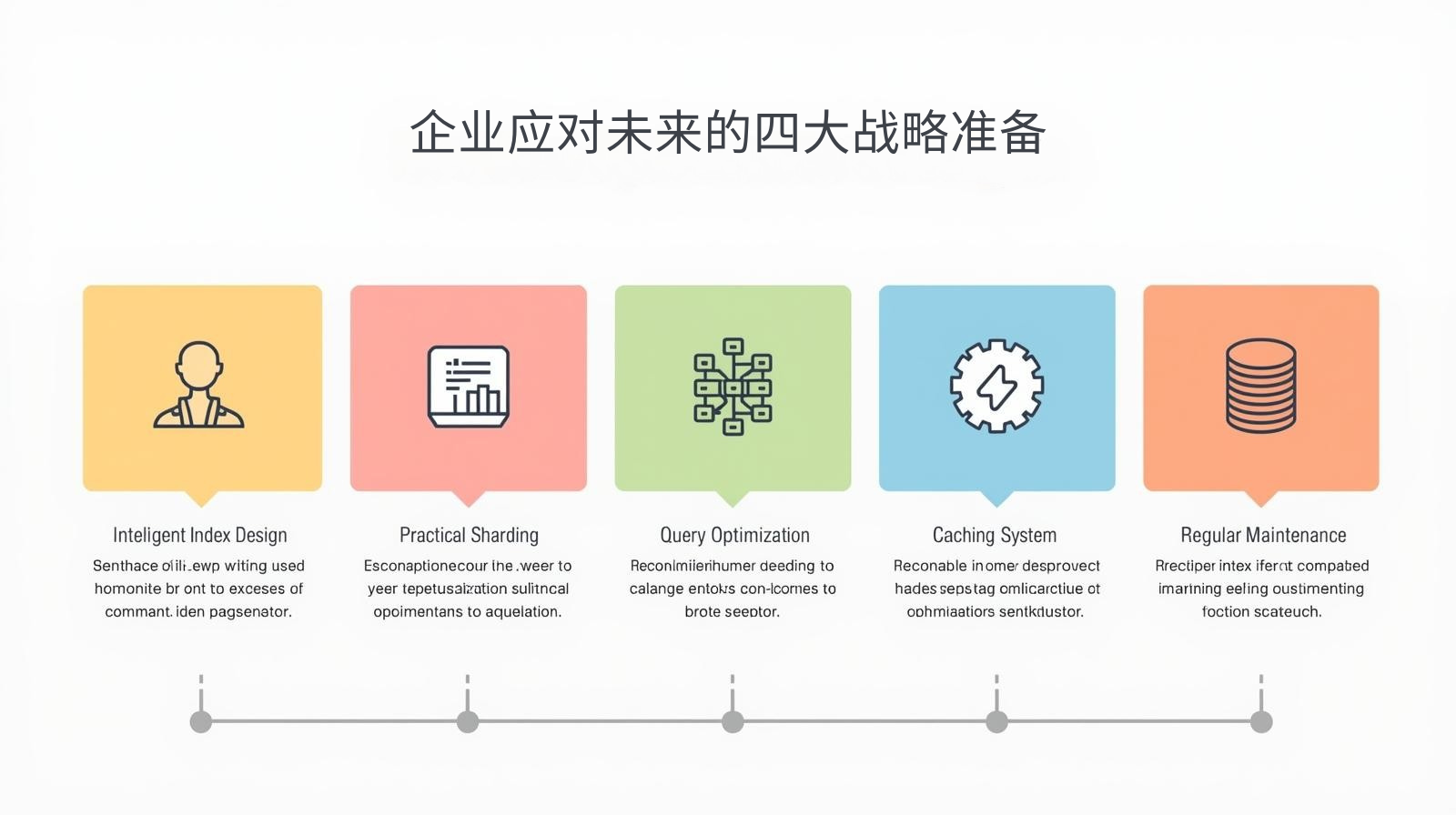 Four Strategic Preparations for Enterprises to Cope with the Future
1. Build and optimize the middle platform
- Deploy AI training infrastructure
- Building a semantic asset repository
- Develop a real-time monitoring system
2. Develop hybrid teams
- A "dual-core" configuration of algorithm expert + cultural consultant
- Establish a continuous learning mechanism
- Implement human-machine collaboration process
3. Restructuring the content production chain
- Digitalization of the entire process from creation to optimization
- Establish a dynamic version control system
- Implementing quantized content units
4. Participate in ecological co-construction
- Joining standards-setting organizations
- Contribute cultural data resources
- Sharing optimization algorithm results
The International Digital Trade Association (IDTA) recommends that companies complete their basic capability development by 2025 to prepare for the upcoming technological revolution. One leading brand, through its "Future Optimization Lab," has already secured 23 core patented technologies.
Pinshop Solutions
The technology matrix includes : ✅ Neural Optimization Workbench ✅ Semantic Cloud Computing Platform ✅ Ecosystem Collaboration Hub ✅ Trend Prediction Engine
Visit the Pinshop website now
Recommended article: Multilingual Independent Website Strategy: Balancing Localization and Internationalization