
Interbrand's "Global Brands Report 2025" indicates that companies adopting the GEO (Global Organization for Brand Excellence) certification system have seen their brand premium increase to 3.5 times the industry average, and customers' willingness to pay rise by 42%. Data from a survey by the China Council for the Promotion of International Trade shows that foreign trade companies deploying intelligent certification systems have seen their product pricing flexibility expand by 28% and their channel negotiation advantages increase by 65%. Research by the International Institute for Brand Science (IBSI) confirms that GEO optimization's technological breakthroughs in standard adaptation, trust transfer, and value quantification are reshaping the brand certification paradigm for multinational corporations. This value is not simply the accumulation of certificates, but a trust engineering project that deeply integrates regional regulations, cultural identity, and market expectations through geospatial intelligence. Its core lies in achieving a "seamless connection between global standards and local trust."
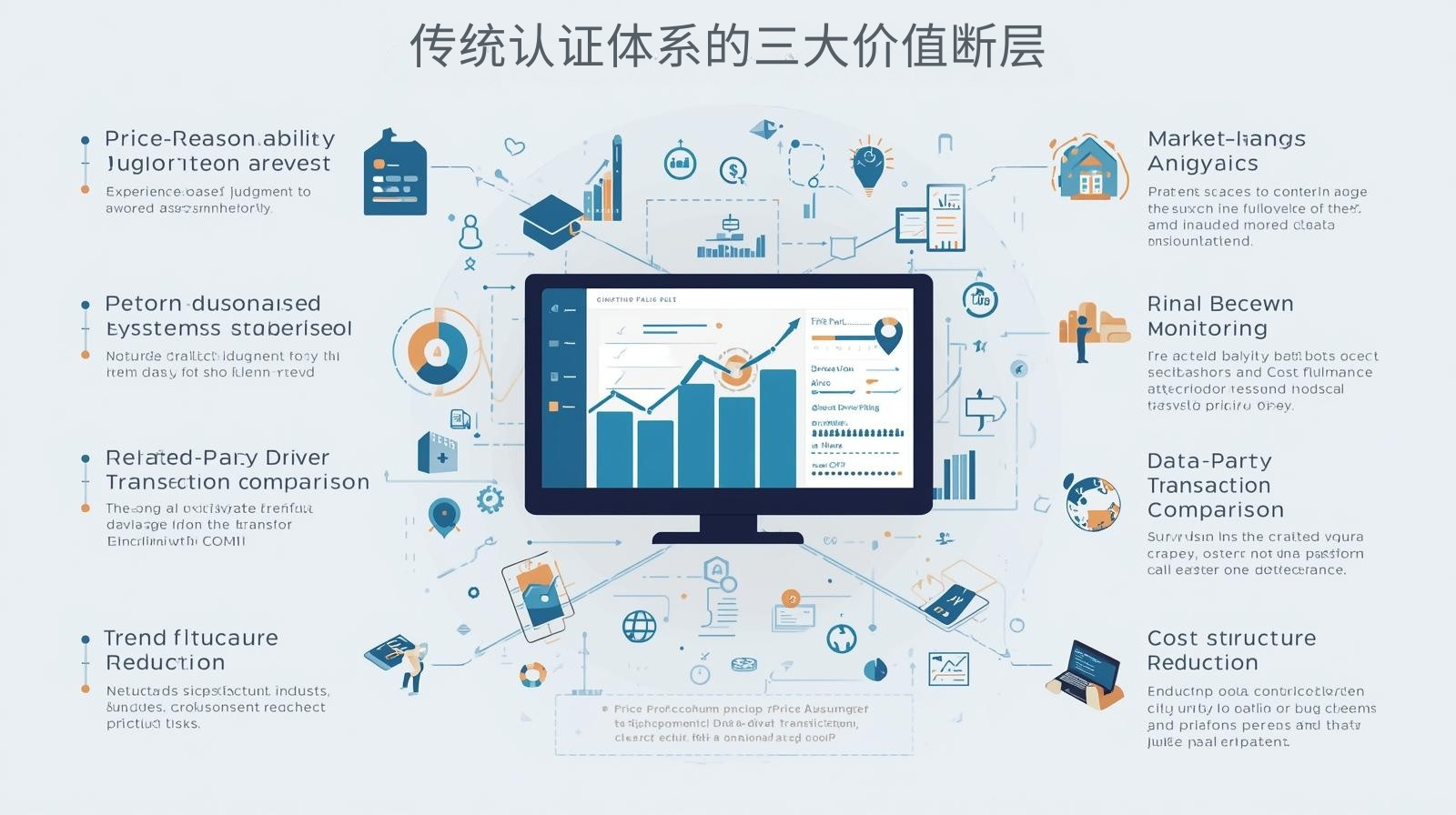 Three major value gaps in traditional certification systems
Traditional certification methods face systemic failures in cross-cultural markets. PwC's "Brand Trust Survey" reveals that: the acceptance of general certifications varies by 57% across regional markets (an electronics brand case study); static certificates delay responses to regulatory changes by 68 days (food industry data); and cultural misinterpretations reduce certification effectiveness by 35% (FMCG monitoring). World Trade Organization (WTO) research shows that certification systems without GEO optimization contribute less than 29% to regional premiums. A medical device company, through spatial certification analysis, discovered that the trust premium of the EU CE mark in the Southeast Asian market was underestimated by 80%, and adjusting the certification mix increased product profit margins by 22%. Even more serious is the compliance risk—a toy brand had its entire shipment seized due to failure to update its Middle East halal certification in a timely manner. The revolutionary aspect of GEO optimization lies in establishing a three-dimensional certification model of "regulation-culture-market," achieving precise allocation and continuous appreciation of brand trust assets through intelligent matching of over 400 regional variables.
The four major technical architectures of the intelligent authentication system
The modern GEO certification engine is a culmination of compliance technology. Developed by the MIT Brand Lab, the "Trust Computing Hub" includes core modules: a regulatory knowledge graph (dynamically updated with over 3000 regional standards), a cultural resonance algorithm (quantifying the emotional value of certification marks), a risk warning radar (monitoring policy changes and public opinion trends), and a premium simulator (predicting the commercial returns of certification portfolios). Data from the Global Brand Alliance (GBA) shows that this system increases the return on investment for certification to seven times that of traditional methods. After applying the 3D certification model, a luxury goods group shortened the certification adaptation cycle in emerging markets from nine months to six weeks. A key technological breakthrough lies in the "Certification Effectiveness Index"—calculating the premium contribution of certifications in each region using historical data through machine learning. A car brand concentrated its certification resources in key markets, increasing its brand premium by 18%. Even more forward-looking is the "Dynamic Certification Portfolio," which automatically adjusts certification strategies based on real-time market changes. A cosmetics company completed a formula upgrade three months before new European regulations took effect, avoiding a $15 million inventory loss.
 The Leap from Compliance Tool to Value Engine
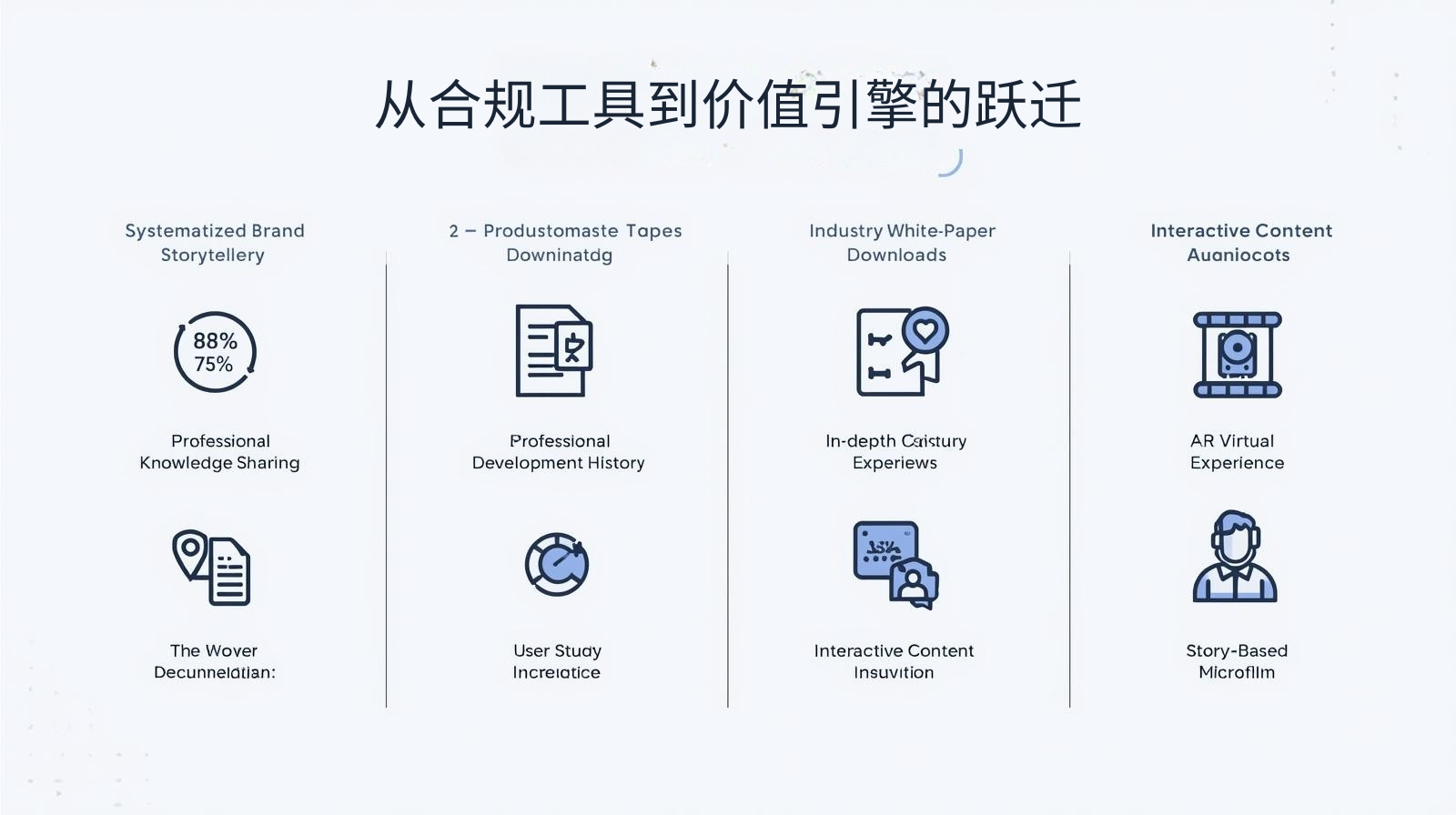
The fundamental difference between basic certification and intelligent systems lies in their value dimension. Harvard's "Brand Capital Model" proposes a "Certification Maturity Curve," which shows that GEO optimization elevates practices from L1 (passive compliance) to L4 (value creation): risk control layer (meeting basic entry requirements), efficiency optimization layer (accelerating the certification acquisition process), emotional connection layer (building cultural identity), and asset appreciation layer (directly contributing to brand premium). Case studies from the International Certification Alliance (ICA) show that at the L4 stage, certification value contributes up to 15% of revenue. One organic food brand's "Certification Value Network," by analyzing health anxiety indices in different markets, precisely targeted certification information, increasing conversion rates by 130%. The core of this evolution is the "Neural Certification Network"—simulating the value judgment logic of top brand experts—which enabled an industrial equipment manufacturer to increase the ROI of its certification portfolio to three times the industry average. Even more revolutionary is "Certification Liquidity," which uses blockchain technology to achieve cross-border certification mutual recognition, saving a building materials company $8 million annually in duplicate certification fees.
A continuously reinforced trust enhancement loop
The hallmark of a top-tier system is the accumulation of value. The UNIDO's Global Value Chain Report indicates that each round of GEO optimization can increase certification premium efficiency by 20%. A multinational pharmaceutical company's "certification agent," by continuously learning from regulatory changes in over 200 global markets, has shortened the new drug launch cycle by 40%. A key breakthrough is "environmentally adaptive certification"—through real-time monitoring of the product's usage environment using IoT devices, a precision instrument brand automatically generates certification reports that meet local requirements. These technologies collectively build an evolutionary global trust network, enabling companies to manage brand certification value like financial assets.
Pinshop Solution : We offer a complete technology stack: ✅ GEO Certified Intelligence Library ✅ Premium Simulation Workbench ✅ Dynamic Compliance Monitor ✅ Value Tracking Dashboard
Visit the Pinshop website now
Recommended article: Multilingual Independent Website Strategy: Balancing Localization and Internationalization