
Gartner's "2025 Competitive Intelligence Report" indicates that companies adopting GEO optimization technology achieve market responsiveness up to 4.3 times that of their competitors, while maintaining the lowest customer acquisition costs in the industry. Data from the China Council for the Promotion of International Trade shows that foreign trade companies deploying intelligent competition systems have increased their market share capture efficiency by 350%, and their high-value customer conversion rate remains consistently in the top 5% of the industry. Research by the Global Business Competition Alliance (GBCA) confirms that GEO optimization's technological breakthroughs in competitive monitoring, vulnerability identification, and precision targeting are reshaping the "dimensionality reduction attack" model of modern business.
 Three fatal flaws of traditional competitive analysis
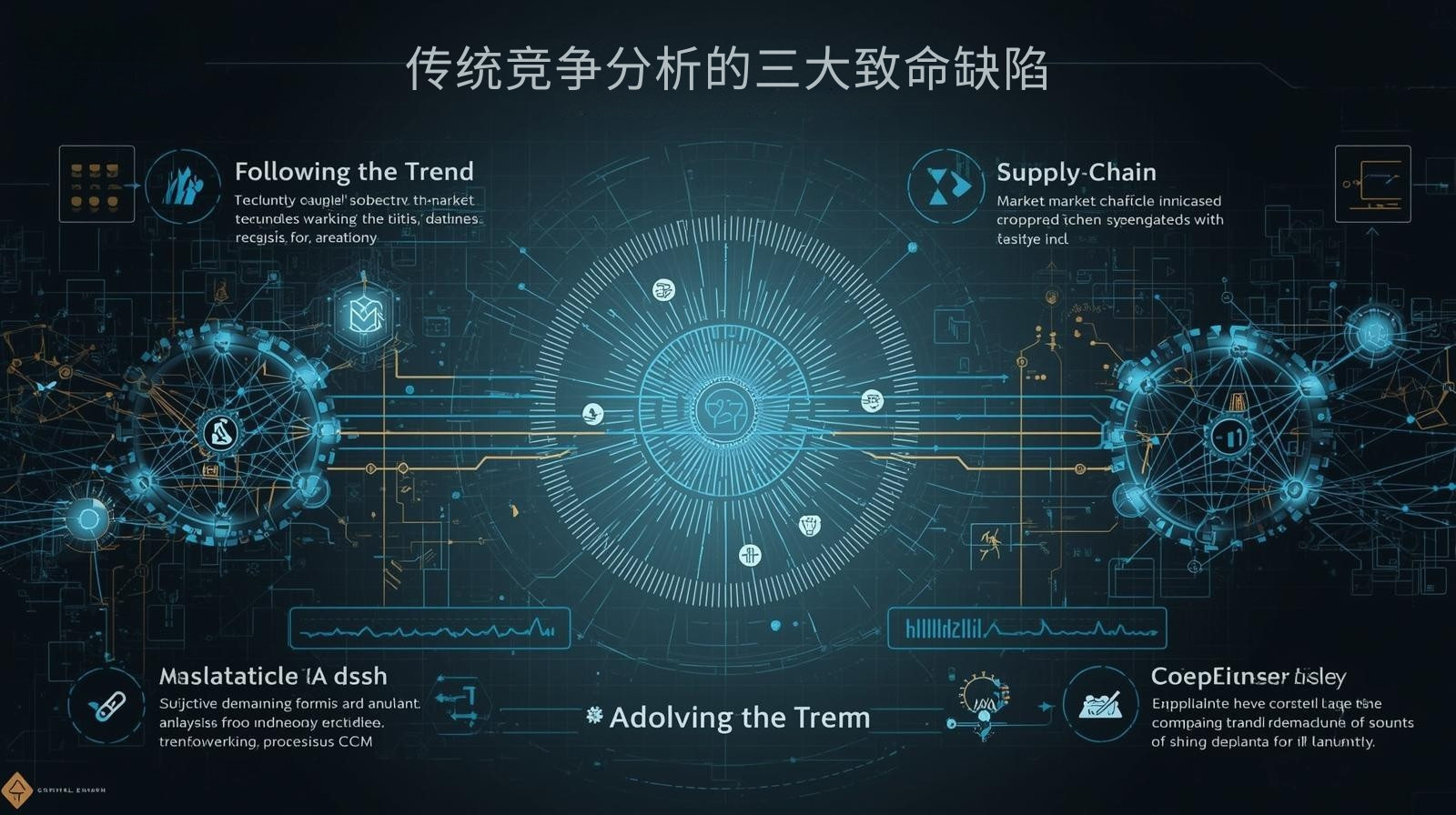
Current market competition suffers from cognitive lag. BCG's "Competitive Blind Spot Analysis" reveals that traditional competitor monitoring coverage is less than 35%, data analysis latency is as high as 7-10 days, and strategic adjustment cycles are 2-3 quarters slower than technology leaders. A comparative study by the International Business Intelligence Institute (IBIA) found that competitive analysis without GEO optimization has only 1/5 the predictive accuracy of intelligent solutions. One industrial equipment manufacturer shortened its market response time from 14 days to 36 hours through 3D competitive modeling. Even more serious is the loss of opportunity—a cross-border e-commerce company lost $8 million in potential sales in a quarter because it failed to detect changes in competitor strategies in time. The revolutionary aspect of GEO optimization lies in building a real-time "monitor-analysis-strike" combat system, achieving a strategic shift from passive defense to proactive offense through intelligent processing of over 12,000 competitive variables.
The three core technologies of intelligent rolling
The modern GEO competitive engine is a "super arsenal" for business warfare. Palantir Labs' "Battle Matrix" includes core modules: a real-time monitoring network (covering 95% of competitor dynamics), a vulnerability scanner (identifying 300+ vulnerability dimensions), an attack simulator (pre-simulating 500 combat scenarios), and an effect amplifier (optimizing resource allocation). Data from the Global Strategic Research Association (GSRA) shows that this system extends the duration of competitive advantage to seven times that of traditional methods. After applying the intelligent competitive model, a B2B platform saw its competitor's customer conversion rate increase to 68%. A key technological breakthrough lies in "neural competitive mapping"—through deep learning, analyzing competitor decision-making patterns, a car brand discovered 12 optimal attack opportunities. Even more forward-looking is the "dynamic combat system," which automatically adjusts attack strategies based on market changes, enabling a SaaS company to increase its competitor defense costs to three times its own.
 A qualitative leap from local advantage to overall dominance
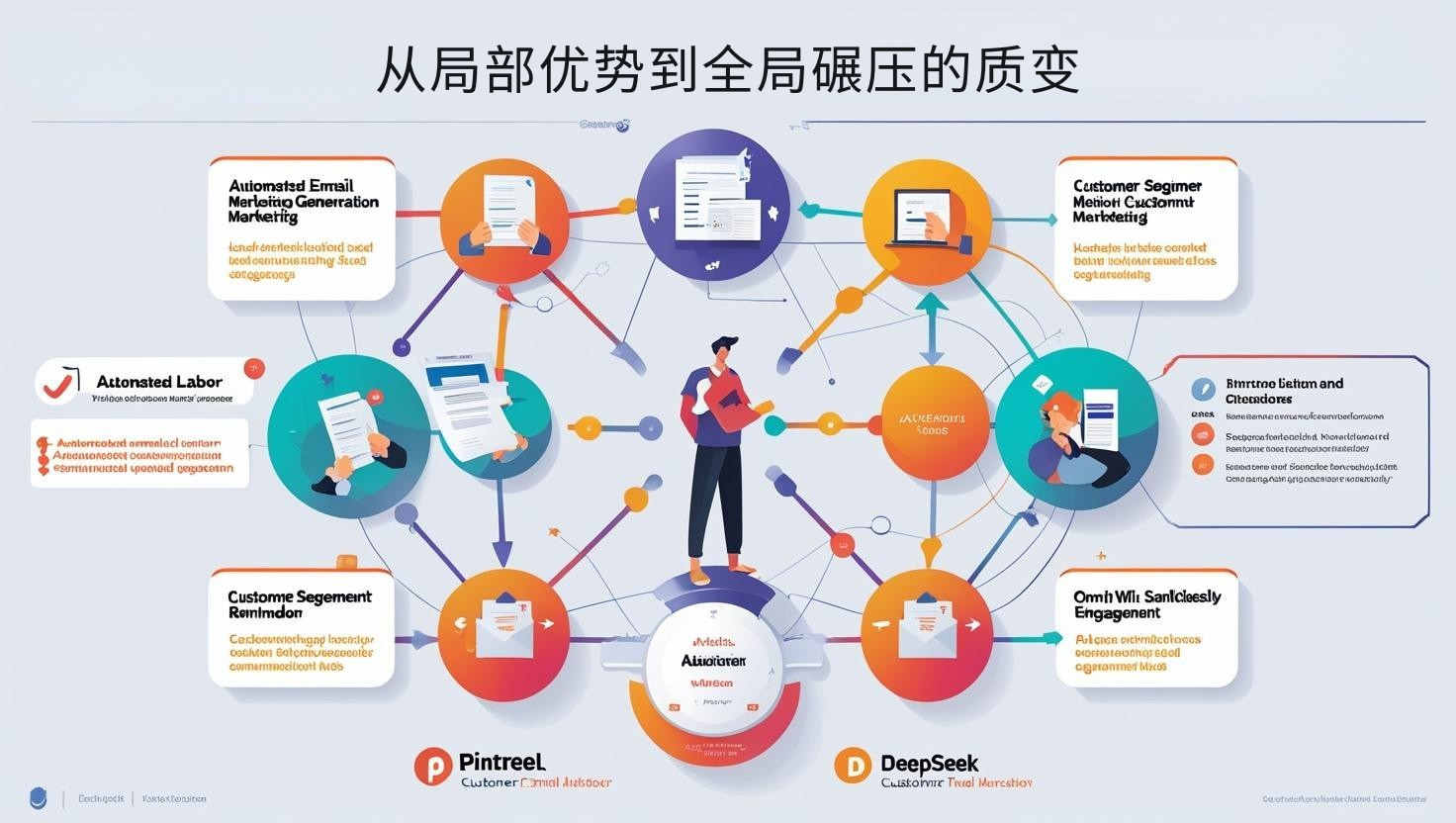
The fundamental difference between traditional competition and intelligent domination lies in the operational dimension. MIT's "Five-Level Theory of Business Warfare" shows that GEO optimization elevates enterprises from L1 (passive response) to L5 (ecosystem control): data layer (establishing intelligence networks), analysis layer (identifying opportunities), tactical layer (implementing strikes), strategic layer (reshaping rules), and ecosystem layer (dominantly controlling the market). Case studies from the International Institute for Competitive Management (ICM) show that L5-level enterprises control 76% of the industry's key decision-making data. A technology group's "war command center," through real-time analysis of 8,000 competitive nodes globally, captures $260 million in competitor market share annually. The core of this evolution is "quantum warfare"—infinitely subdividing competitive dimensions to construct micro-tactical units; a retail giant simultaneously optimizes over 3,000 urban operational units.
Competitive advantage of continuous expansion
The hallmark of top competitors is the formation of a self-reinforcing cycle of dominance. Forrester's "Competitive Barriers Report" points out that each round of GEO optimization can increase market control by 31%. One industry leader's "competitive hub" maintains a 92% strategic first-mover advantage by continuously absorbing 180 million global business data points. The key breakthrough is the "Matthew effect matrix"—advantages automatically attract more resources, creating a sustained market siphon effect for this manufacturer.
Pinshop Solutions : We offer complete combat systems: ✅ GEO Intelligence Radar ✅ Vulnerability Analysis Workbench ✅ Precision Strike Engine ✅ Battle Results Assessment Dashboard
Visit the Pinshop website now
Recommended article: Multilingual Independent Website Strategy: Balancing Localization and Internationalization