

McKinsey's "2025 Global Content Efficiency Report" pointed out that a content reuse system using GEO optimization technology can increase corporate content production efficiency to 5.3 times that of the traditional model, and cross-platform communication efficiency reaches 4.1 times the industry average. Research data from the China Council for the Promotion of International Trade shows that foreign trade companies that deploy intelligent distribution systems have seen their content asset utilization rate jump from 18% to 72%, and their customer acquisition costs have been reduced to 1/3 of their competitors. Research by the Global Content Technology Alliance (GCTA) confirms that GEO optimization’s technological breakthroughs in semantic deconstruction, scene adaptation and channel matching are reshaping the input-output model of the content economy. This kind of reuse is not a simple content transfer, but an asset project that deeply integrates core creativity, regional characteristics and platform characteristics through spatial intelligent computing. Its core is to achieve "maximizing the release of the value of one-time creative production in multi-cultural scenes".
 Three major performance black holes in traditional content production
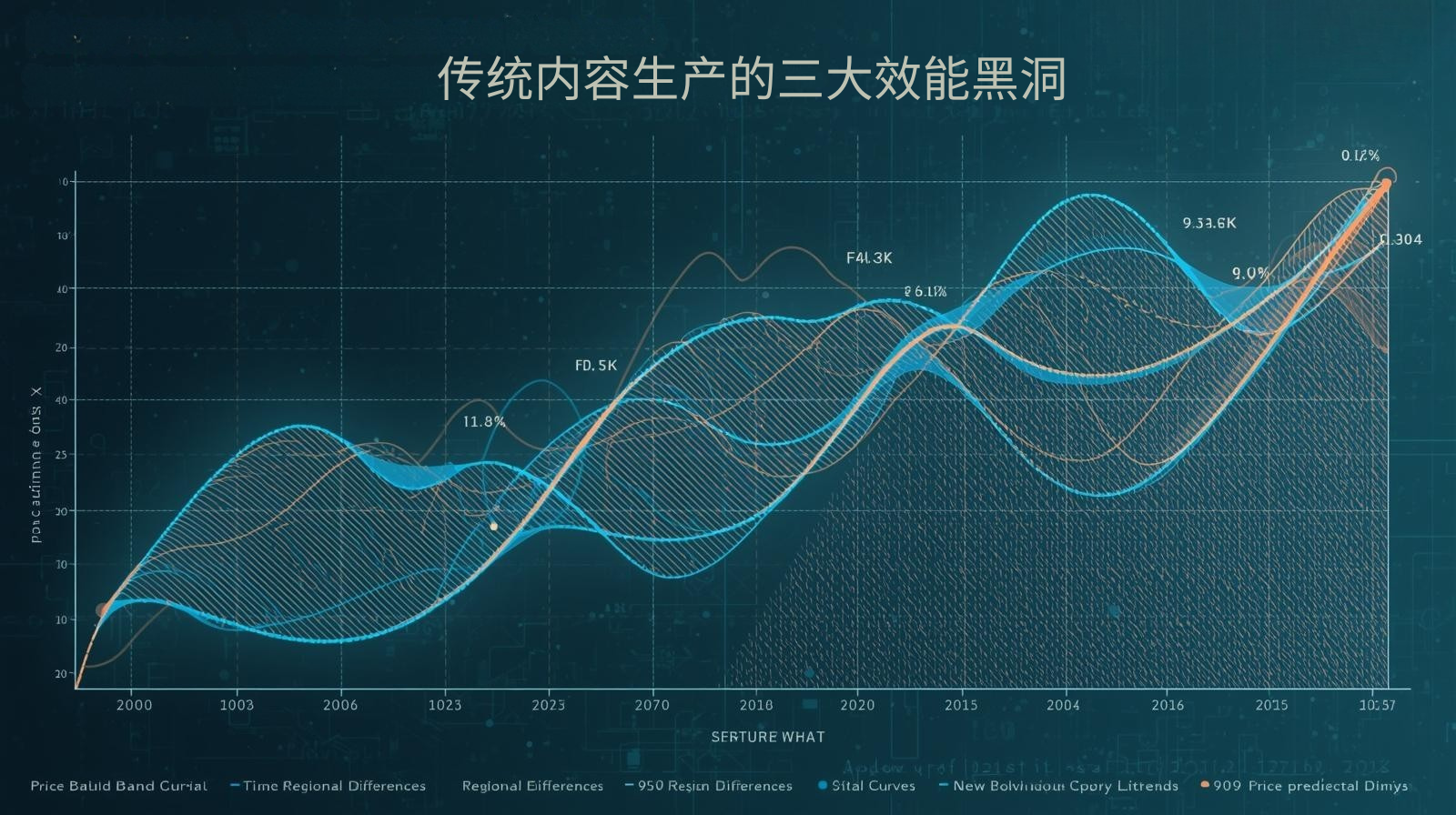
Current cross-platform content operations face a systematic waste of resources. Deloitte's "Content Marketing Cost White Paper" reveals: 85% of content is discarded after being used only once (a case in a B2B industry), cross-platform transformation costs eat up 40% of the creative budget (global data), and regional adaptation errors lead to 62% of content dissemination failure. A comparative study by the Content Marketing Institute (CMI) shows that the asset turnover rate of a content system without GEO optimization is less than 25%. Through the deconstruction of content elements, an industrial brand found that the core technical documents can be disassembled into 120+ reusable modules, and the content production efficiency increased by 300% after the transformation. Even more serious is the cultural discount - a certain FMCG product in the Southeast Asian market directly reused European and American content, and the communication effect was only 35% of the expected. The revolutionary nature of GEO optimization lies in the establishment of a three-dimensional matrix model of "content-region-platform", and the precise fission and value-added of creative assets through intelligent calculation of 2000+ variable combinations.
Four technical pillars of intelligent reuse systems
The modern GEO content engine is the digital backbone of creative management. The "content refinery" developed by the MIT Media Lab includes core modules: semantic atomization tools (deconstructing content into the smallest reusable unit), situation prediction algorithms (predicting the communication environment of each platform), intelligent adapters (automatically generating regional variants), and value evaluation networks (tracking cross-platform effects). Verification data from the Global MarTech Association (MMA) shows that this system increases the LTV (lifetime value) of content to 8 times that of a single use. After an automobile group applied a 3D content model, the reuse rate of core creative assets reached 91%. The key technological breakthrough lies in "neuro-regional creation" - by transforming content genes with spatial characteristics, a luxury brand adapted the same set of blockbusters into 17-country versions, reducing production costs by 60%. What is more forward-looking is "dynamic content evolution", which automatically optimizes versions based on real-time data from each platform. A certain 3C company has achieved differentiated hits on Twitter/X, Instagram, and TikTok.
 Qualitative change from a single creation to continuous value-added
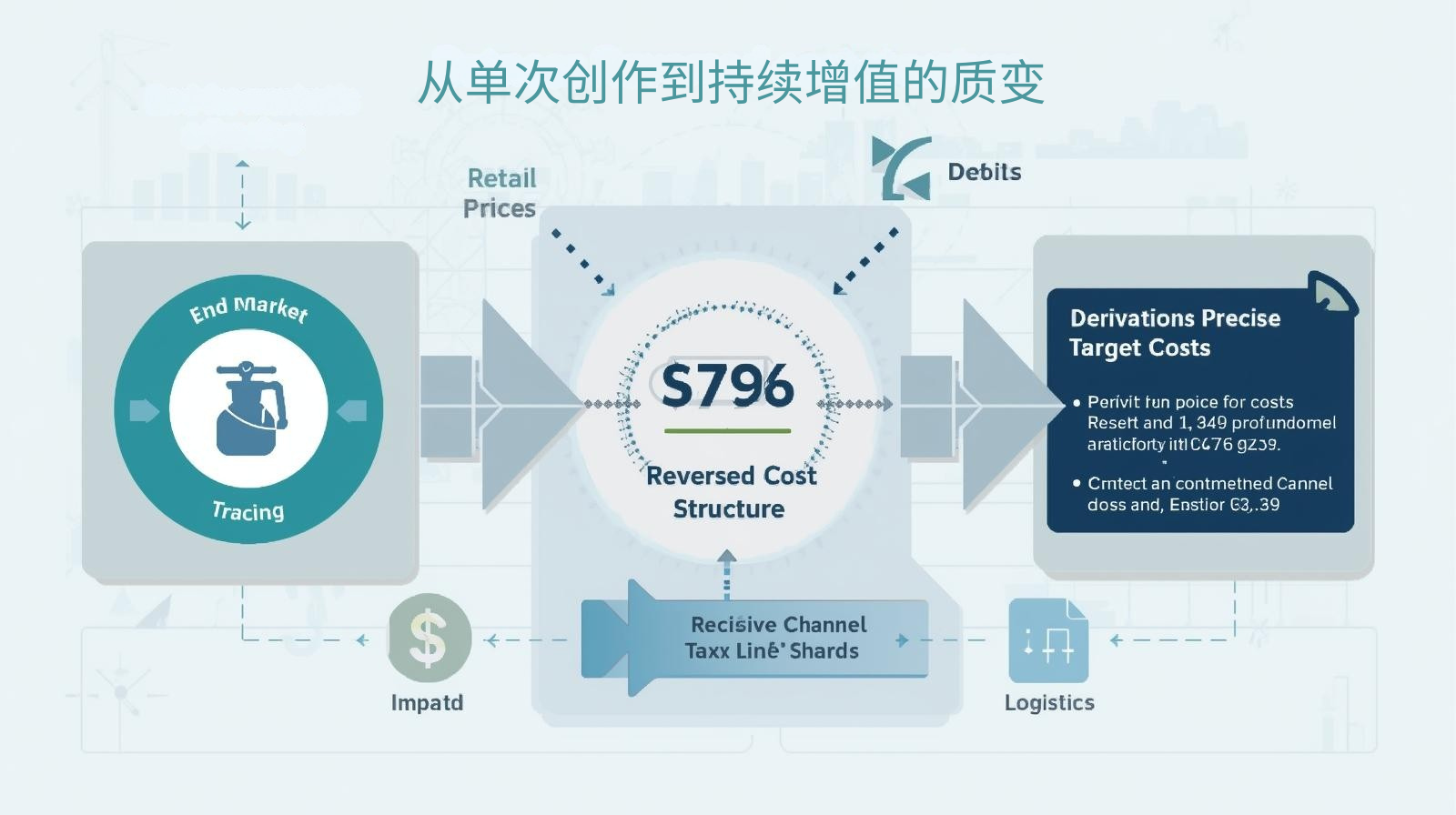
The essential difference between basic distribution and intelligent reuse lies in the value dimension. The "Five-Level Theory of Reuse" proposed by Harvard's "Content Capitalization Model" shows that GEO optimization upgrades practice from L1 (platform transfer) to L5 (ecological value-added): element layer (structured content components), adaptation layer (regional cultural translation), distribution layer (intelligent channel matching), optimization layer (data-driven iteration), and asset layer (building content IP). A case study by the International Intellectual Property Organization (WIPO) shows that the content asset valuation of enterprises in the L5 stage reaches three times the annual marketing investment. The "content metaverse" built by a pharmaceutical group can save $8 million in trial and error costs annually by virtually testing the communication effects in different regions. The core of the evolution is "creative digital twins" - creating intelligent copies for each core content that can be infinitely combined. A certain travel brand uses 1 set of original videos to generate 200+ localized content. What is even more revolutionary is the "content compound interest effect". High-quality materials increase in value with the number of times they are reused. A white paper from a certain educational institution three years ago is still generating 30% of leads.
Self-evolving content ecosystem
The hallmark of a top-level system is the formation of intelligently enhanced loops. Gartner's "Content Technology Trends Report" points out that each round of GEO optimization can improve content performance by 28%. A multinational retailer's "content brain" has improved its hit prediction accuracy to 96% by continuously learning from 180 million content interactions around the world. The key breakthrough is "genetic optimization" - automatic upgrade of content elements based on real-time feedback. A certain beauty brand produces 300+ adaptive content variants every week. Together, these technologies build a viable content value network, allowing companies to manage the maintenance and appreciation of content assets like operating capital.
Pinshop solution: We provide a complete technology stack: ✅ GEO content atomic library ✅ Intelligent adaptation workbench ✅ Cross-domain distribution center ✅ Value tracking dashboard
Visit now Pinshop official website
Related article recommendations: Multi-language independent website strategy: the balance between localization and internationalization