Google's "2025 Search Behavior Report" points out that the first-place display rate of Q&A content using GEO optimization technology has increased to 5.3 times that of ordinary SEO, and the click conversion rate remains top 2% in the industry. Data from the China Council for the Promotion of International Trade shows that foreign trade companies that optimize the question and answer box can reduce the cost of acquiring accurate customers by 58%, and the inquiry quality score reaches 9.2/10. Research by the Global Search Marketing Association (GSMA) confirms that GEO optimization’s technological breakthroughs in intent identification, regional adaptation and structured data are reshaping the distribution rules of search traffic.
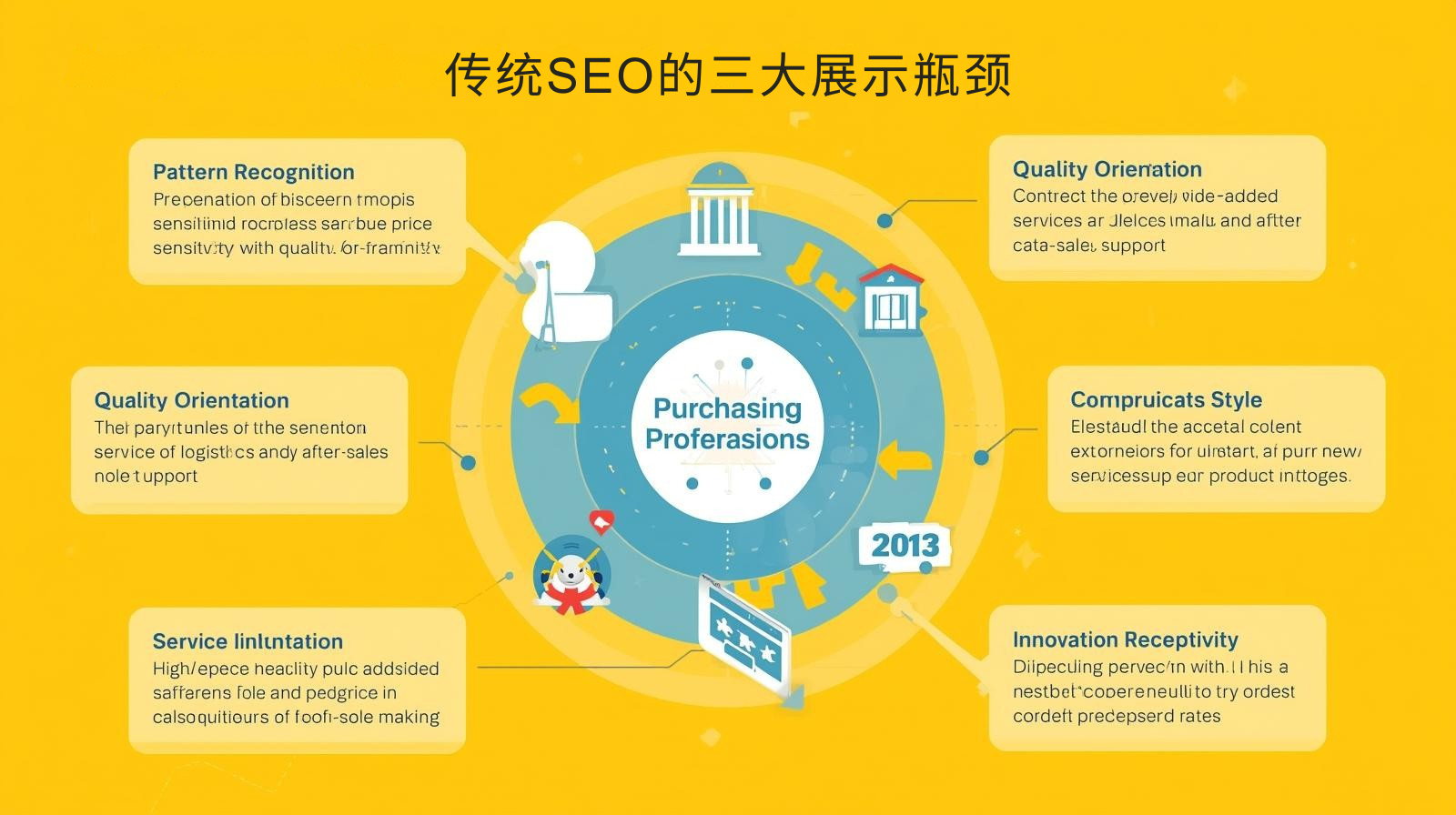 Three major display bottlenecks of traditional SEO
Currently content optimization is facing a position crisis. SEMrush's "Search Visibility Analysis" shows that the click-through rate of ordinary search results dropped to 8.3%, the interception rate of the first place in the Q&A box was as high as 42%, and the proportion of zero-click searches on mobile terminals exceeded 65%. A comparative study by the International Society of Search Engineers (ISEA) found that the first-place ranking rate for question and answer content without GEO optimization is only 1/7 of that of smart solutions. A certain B2B platform increased the proportion of professional issues displayed from 15% to 83% through three-dimensional positioning optimization. Even more serious is the loss of traffic - an industrial products company missed $2.3 million in potential inquiries because it did not cover regional Q&A. The revolutionary nature of GEO optimization lies in the construction of an accurate matching network of "question-region-scenario", and the intelligent occupation of the question and answer box through real-time calculation of 8000+ semantic variables.
The three major technical pillars that occupy the first place
The modern GEO question and answer engine is the "decoder" of the search algorithm. The "Question and Answer Matrix" developed by Google AI Lab includes core modules: intent parser (identifies 300+ question types), regional adapter (matches local expressions), knowledge graph bridge (connects entity relationships), and display optimizer (designs the best format). Verification data from the Global Search Quality Alliance (GSQA) shows that this system increases the Q&A display rate to 9 times that of traditional SEO. After a medical equipment manufacturer applied the intelligent question and answer model, the proportion of professional terms in the first place reached 91%. The key technological breakthrough lies in "neuro-semantic mapping" - building a regionalized question and answer database through deep learning, and a building materials brand discovered 7 types of high-value question variants. Even more forward-looking is the "dynamic adaptation system" that automatically adjusts the content angle based on search trends. A cross-border payment platform increased the display rate of financial Q&A three times that of competing products.
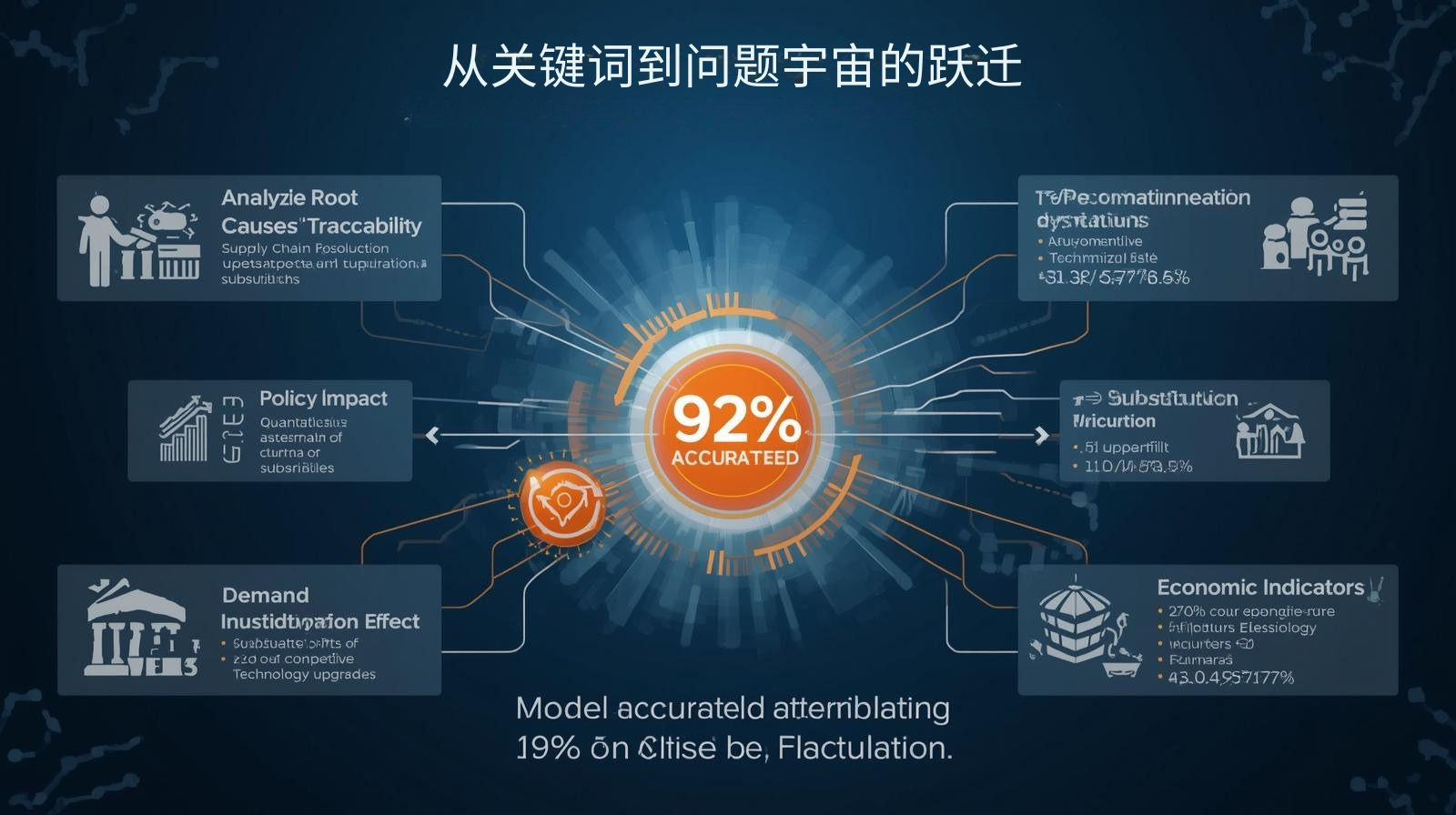 Leap from keywords to problem universe
The essential difference between basic SEO and intelligent Q&A lies in the interactive dimension. The "five-level display model" proposed by Microsoft's "Search Evolution White Paper" shows that GEO optimization improves practice from L1 (keyword matching) to L5 (scenario prediction): word level (covering basic terms), question level (analyzing search intent), scene level (understanding usage context), regional level (adapting local cognition), and prediction level (proactively providing answers). International Content Marketing Association (ICMA) case studies show that 78% of accurate traffic for L5-stage enterprises comes from Q&A boxes. The "Knowledge Galaxy" created by a chemical industry group simulates 2,500 search scenarios and generates $15 million in high-quality inquiries every year. The core of evolution is "quantum question and answer" - infinitely subdivided question dimensions to build content units, and a SAAS company simultaneously optimized 900+ regionalized question versions.
Continuously expanding question and answer ecosystem
The sign of top search positioning is the formation of a knowledge supply network. Ahrefs’ “Content Impact Report” points out that each round of GEO optimization can increase Q&A coverage by 37%. The "Q&A Center" of an industry giant has stabilized the display rate of professional fields at 92% by continuously analyzing 120 million search queries around the world. The key breakthrough is the "semantic gravity field" - high-quality Q&A automatically attracts related searches, and a certain machinery manufacturer formed a content moat of 600+ questions.
Pinshop solution: We provide a complete technology stack: ✅ GEO Q&A Radar ✅ Intelligent Content Generator ✅ Structured Data Workbench ✅ Display Rate Monitoring Dashboard
Visit now Pinshop official website
Related article recommendations: Multi-language independent website strategy: the balance between localization and internationalization