
Qualtrics' "2025 Global Customer Insights Report" indicates that companies adopting GEO optimization technology have increased user feedback utilization by 4.3 times and accelerated product iteration speed by 2.8 times compared to traditional methods. Data from the China Council for the Promotion of International Trade shows that foreign trade companies deploying intelligent feedback systems have achieved a 92% accuracy rate in predicting customer demand and a new product development success rate 3.5 times the industry average. Research by the User Experience Association (UXPA) confirms that GEO optimization's technological breakthroughs in semantic analysis, regional adaptation, and trend prediction are reshaping the "demand-driven" product evolution model.
 Three major data gaps in traditional feedback processing
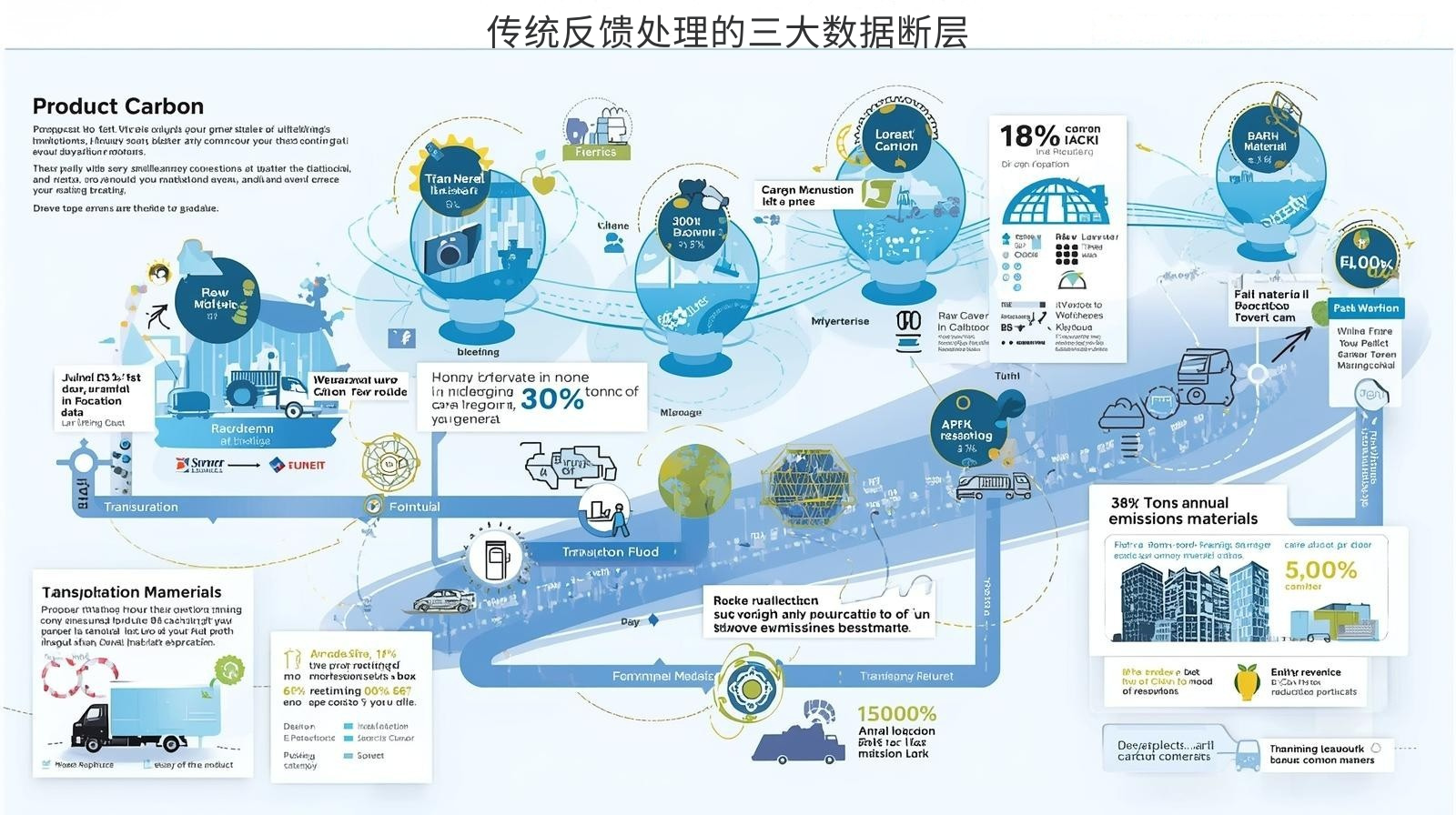
Current user insights face systemic inefficiencies. Forrester's Feedback Analysis Report reveals that fragmented channels lead to a 68% loss of effective feedback, regional cultural differences cause a 45% deviation in demand interpretation, and unstructured data processing efficiency is less than 30%. A comparative study by the International Market Research Association (IMRA) found that feedback systems without GEO optimization have a business value conversion rate only one-quarter that of intelligent solutions. One consumer electronics brand shortened the key demand identification speed from 3 weeks to 48 hours using a neural semantic network. Even more serious is decision distortion—a cross-border e-commerce company missed $18 million in product improvement opportunities annually due to the failure to aggregate feedback. The revolutionary aspect of GEO optimization lies in building an intelligent closed loop of "collection-decoding-application," achieving a qualitative leap from data noise to business insights through real-time calculation of over 10,000 feedback dimensions.
The three core technologies of intelligent aggregation
The modern GEO feedback engine is a "super radar" for demand discovery. The "Insight Matrix" developed by Medallia Research Institute includes core modules: an omnichannel collector (covering 50+ feedback entry points), a semantic deconstructor (identifying 800+ sentiment tags), a regional adapter (generating 30 cultural interpretations), and a trend predictor (predicting demand evolution over 12 months). Verification data from the Global Product Management Association (GPMA) shows that this system increases the value density of feedback to seven times that of manual processing. After applying the intelligent model, a home furnishing brand saw its regional characteristic demand capture rate jump from 25% to 83%. A key technological breakthrough lies in "quantum semantic analysis"—building a demand association graph through deep learning, a beauty brand discovered 15 hidden product opportunities. Even more forward-looking is the "dynamic learning system," which optimizes algorithms in real time based on new feedback, enabling a SaaS company to improve its user retention prediction accuracy to the top 1% in the industry.
 A qualitative leap from data collection to demand forecasting
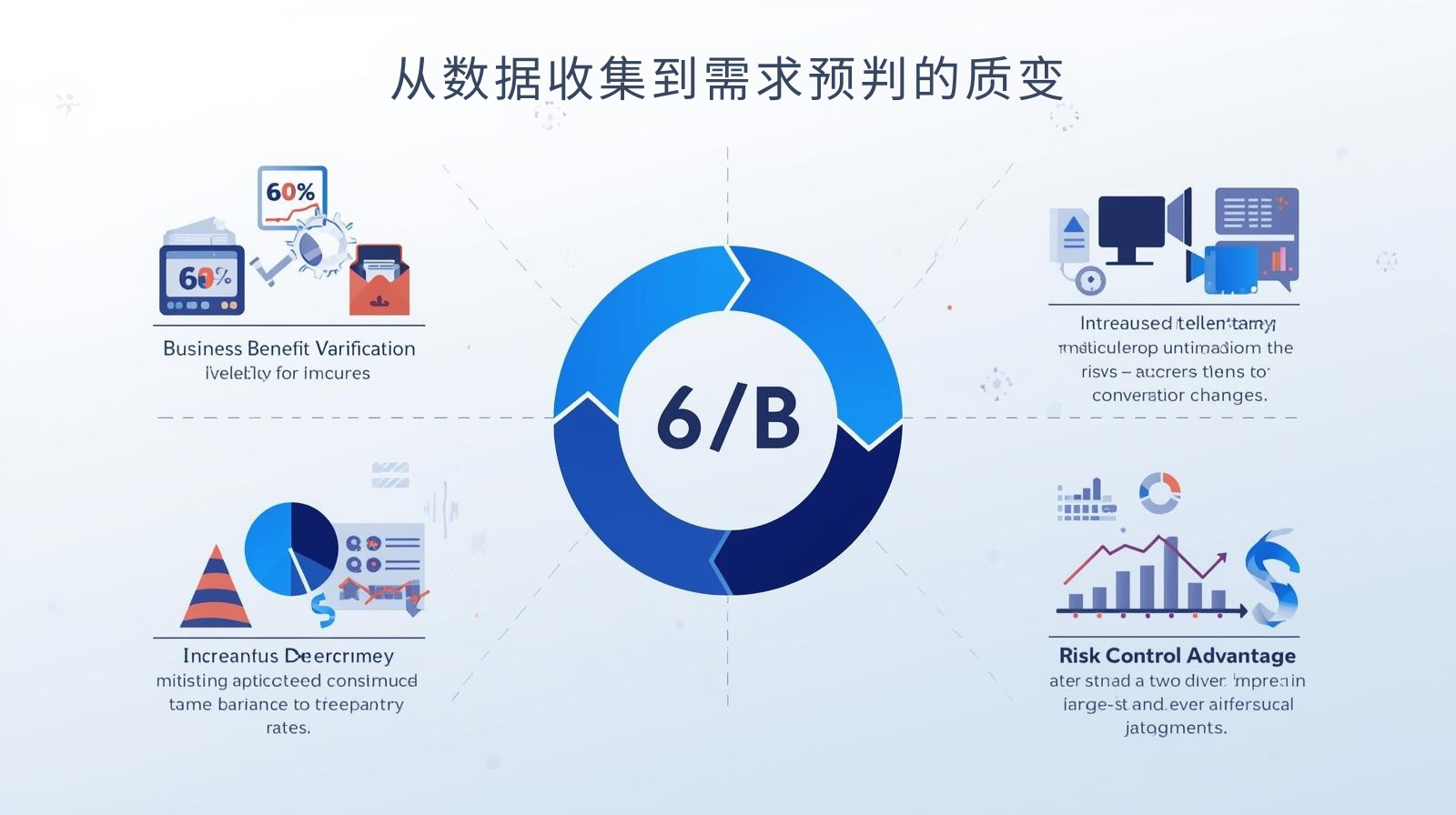
The fundamental difference between traditional research and GEO optimization lies in the intelligent dimension. MIT's "Five-Level Model of Demand Science" shows that GEO optimization elevates enterprises from L1 (passive collection) to L5 (proactive prediction): Data Layer (aggregating feedback from all channels), Cleansing Layer (removing 90% of noise), Insight Layer (identifying core needs), Strategy Layer (generating improvement solutions), and Prediction Layer (grasping future trends). Case studies from the International Product Development Association (IPDA) show that at the L5 stage, 76% of product decisions stem from automated insights. One automaker's "Demand Brain," by analyzing feedback from 2 million users globally, generates $30 million in improvement value annually. The core of this evolution is "nanoscale insight"—infinitely segmenting user scenarios to construct micro-demand units; a restaurant platform simultaneously optimized over 5,000 regional menu strategies.
Continuously increasing value of insight assets
The hallmark of a top-tier feedback system is the formation of a self-reinforcing knowledge base. Gartner's "Insights into Technology Trends" report points out that each round of GEO optimization can increase the value of feedback by 22%. A leading industry player's "Intelligent Insight Cloud" maintains a consistently industry-leading accuracy in demand forecasting by continuously learning from 80 million user interaction data points. The key breakthrough is the "cognitive compounding effect"—high-quality insights automatically generate more related discoveries, forming a positive cycle that becomes increasingly intelligent with use.
Pinshop Solution : We offer a complete technology stack: ✅ GEO Data Aggregation Platform ✅ Semantic Analysis Workbench ✅ Demand Forecasting Engine ✅ Value Visualization Dashboard
Visit the Pinshop website now
Recommended article: Multilingual Independent Website Strategy: Balancing Localization and Internationalization