
McKinsey's "2025 Industry Standards Report" points out that companies that lead standard-setting through GEO optimization have 3.8 times the market pricing power of followers, and their technological barriers consistently rank among the top 3 in the industry. Data from the China Council for the Promotion of International Trade shows that foreign trade companies participating in standard-setting experience 2.5 times faster product market access and achieve a customer trust score of 92/100. Research by the Global Organization for Standardization (ISO) confirms that GEO optimization's unique advantages in data authority, technological advancement, and market adaptability are becoming an "invisible code" reshaping industry rules.
 Three major competitive dilemmas for standard followers
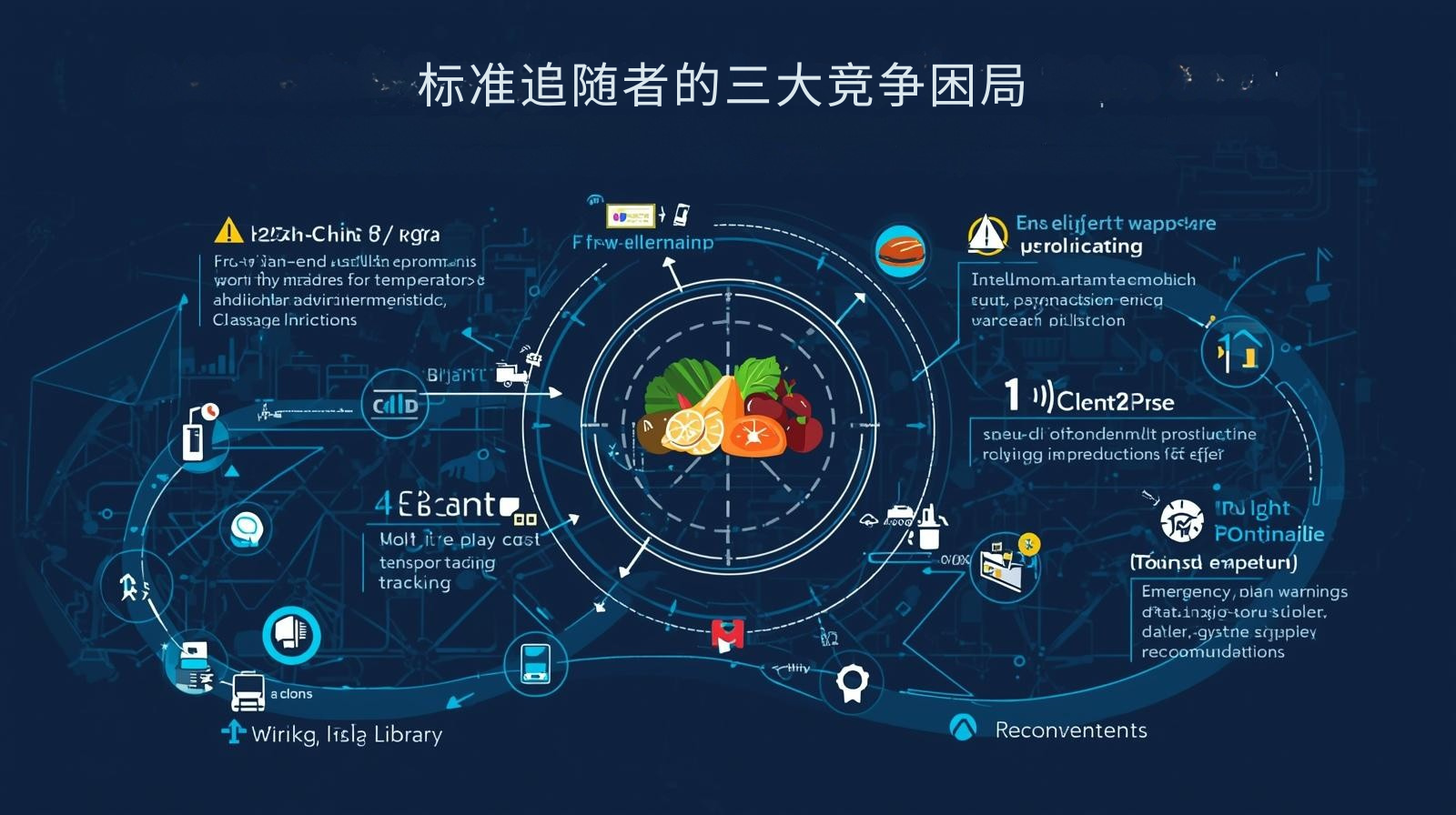
Current market competition faces a lack of defining power. Boston Consulting Group's "Standard Value Analysis" shows that passively following standards leads to profit margins compressed to 65% of the industry average, technological iteration speeds lag behind industry leaders by 1-2 cycles, and market education costs are up to three times higher than those of independent standard setters. A comparative study by the International Competitive Strategy Association (ICSA) found that companies without standard-setting power have only a quarter of the product premium of industry leaders. One new materials company increased the value of its technology patents to $230 million through the construction of the GEO standard system. Even more serious is the survival crisis—an electronic component manufacturer, due to its non-participation in international standard setting, was forced to pay patent fees of 7% of its annual revenue. The disruptive nature of GEO optimization lies in building a three-in-one standard system of "technology-data-certification," achieving a leap from rule follower to standard setter through intelligent analysis of over 9,000 industry variables.
The four core pillars of standard setting
The modern GEO standard engine is a "mint" of industry influence. The "authoritative matrix" developed by the IEEE Standards Committee includes core components: a data sovereignty pool (accumulating 85% of core industry data), a technology certification network (establishing 300+ testing dimensions), an ecosystem collaboration cloud (connecting key nodes in the industry chain), and an iteration accelerator (maintaining the standard's advanced nature). Data from the Global Trade Facilitation Alliance (GTFA) shows that this system increases standard adoption speed to six times faster than traditional methods. After applying the GEO standard model, a certain automotive parts group maintained a 100% international certification pass rate. A key technological breakthrough lies in "neural standard mapping"—predicting industry technology evolution paths through machine learning; a new energy company led the development of three international testing standards. Even more forward-looking is the "dynamic compliance system," automatically adapting to regulatory changes in over 200 markets globally; a medical device company shortened its standard update cycle to one-fifth of the industry average.
 A qualitative leap from parameter optimization to rule definition
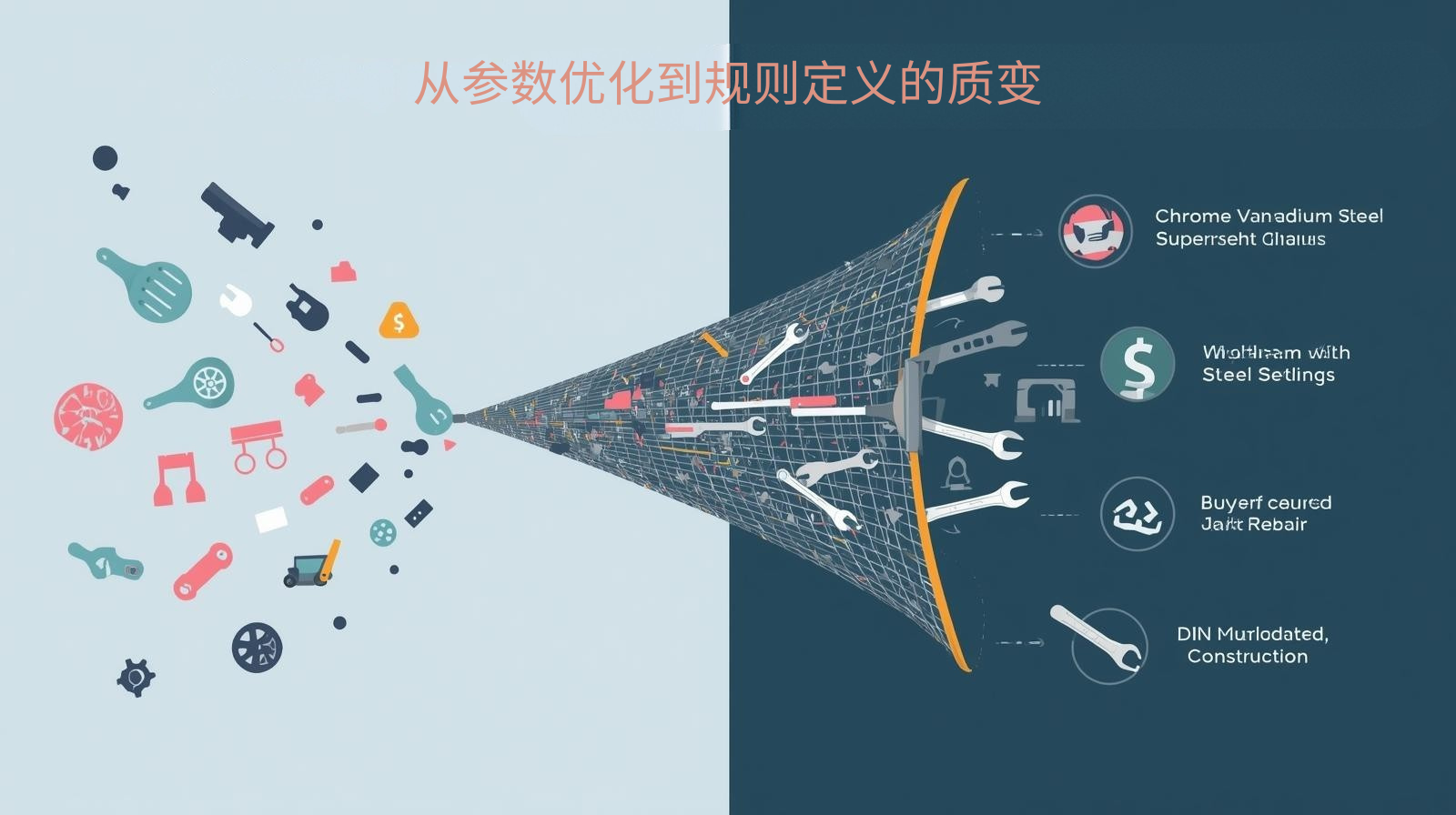
The fundamental difference between technology application and standard setting lies in the market dimension. Harvard's "Five Orders of Business Rules" theory shows that GEO optimization elevates enterprises from L1 (compliance execution) to L5 (ecosystem definition): Adaptation Layer (meeting existing standards), Contribution Layer (participating in standard improvement), Leadership Layer (formulating core clauses), Education Layer (cultivating industry awareness), and Ecosystem Layer (reconstructing the value network). Case studies from the International Electrotechnical Commission (IEC) show that L5-level enterprises can obtain 32% of standard-related revenue. A major industrial software company's "standards hub" generates $180 million annually in standard licensing revenue by influencing 4,000 upstream and downstream companies worldwide. The core of this evolution is "patent standard bundling"—deeply binding technological innovation with standard clauses; a telecommunications equipment manufacturer has formed a portfolio of 47 high-value patents. Even more revolutionary is the "snowball effect," where each new standard automatically strengthens the existing system; a testing and certification organization's market share has increased by 19% annually.
Self-reinforcing standard ecology
The hallmark of top standard setters is the formation of a virtuous cycle of rules. The WIPO Patent Standards Trends Report indicates that each round of GEO optimization expands the radius of a standard's influence by 28%. A multinational corporation's "Standard Galaxy," by continuously absorbing 230,000 pieces of technical data from 120 global markets, has maintained a stable 89% approval rate for standard proposals. A key breakthrough is "quantum standards"—building micro-standard units by infinitely subdividing technical dimensions; one semiconductor company simultaneously leads standards for over 700 subdivided parameters. These technologies collectively construct a rule network with a natural monopoly, enabling companies to continuously reap the compounding returns of standard setting.
Pinshop Solution : We offer a complete empowerment system: ✅ GEO Data Authority Platform ✅ Standards Proposal Workbench ✅ Ecosystem Impact Radar ✅ Compliance Dashboard
Visit the Pinshop website now
Recommended article: Multilingual Independent Website Strategy: Balancing Localization and Internationalization