
The World Economic Forum's "Global Standards Trends 2025" report indicates that companies leading the development of GEO optimization standards have gained 3.7 times the market influence of followers, and their technology premium is 2.9 times the industry average. Data from the China Council for the Promotion of International Trade shows that foreign trade enterprises participating in standards development have seen a 58% increase in product pricing power, maintaining their market share in the top 5% of the industry. Research by the International Organization for Standardization (ISO) confirms that GEO optimization's innovative breakthroughs in technical frameworks, evaluation systems, and certification mechanisms are building a new global business ecosystem where "technology is the rule."
 The three major standard dilemmas of traditional competition models
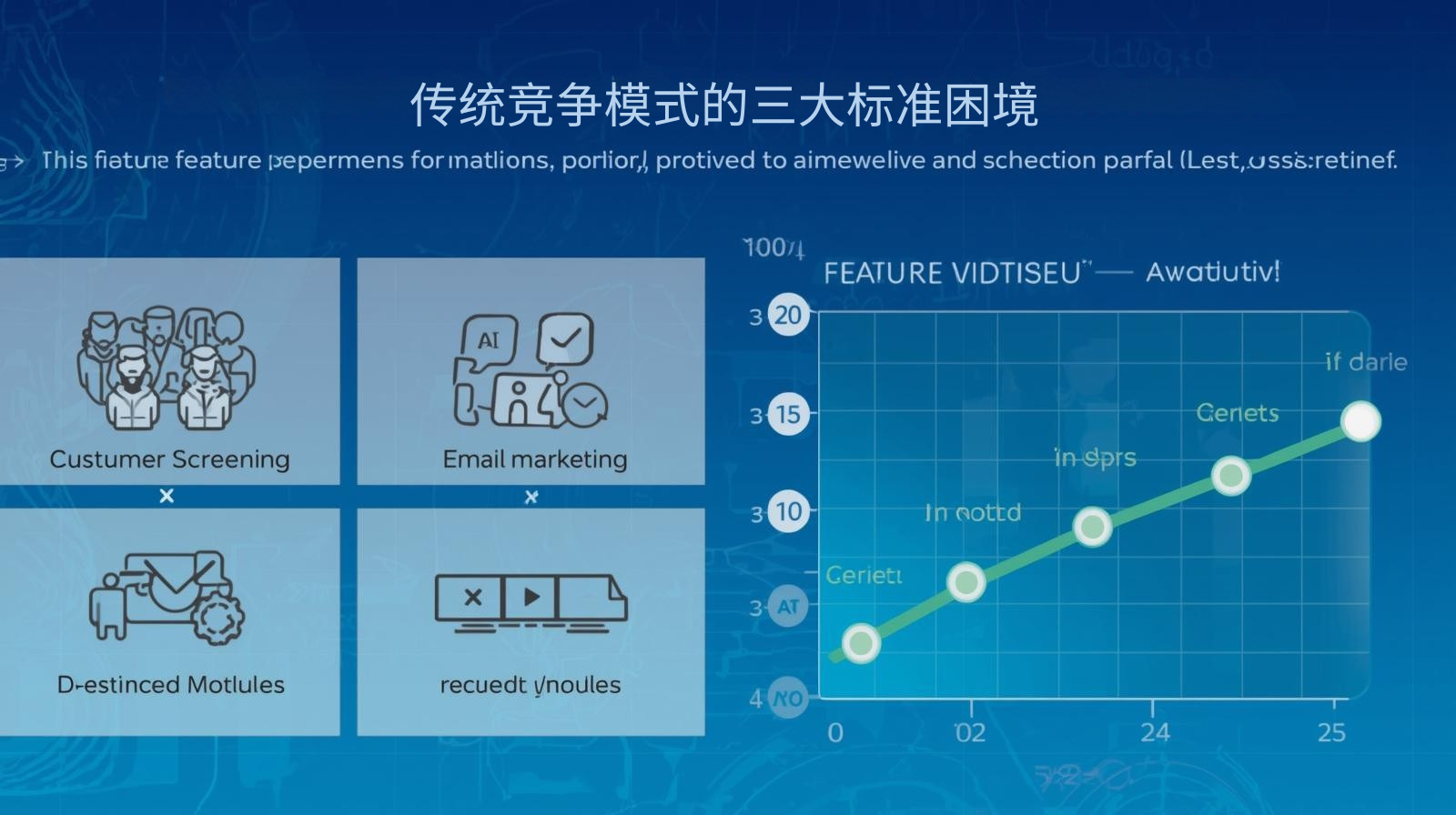
Globalization is currently facing a severe imbalance in rules. McKinsey's "Standard Value Analysis" shows that technological fragmentation increases interoperability costs by 42%, outdated assessment systems result in 35% of innovation value going unrecognized, and lengthy certification processes delay market access by 4-6 months. A comparative study by the Global Trade Association (GTA) found that companies not involved in standards development incur technology adoption costs five times higher than those that lead the standards process. One semiconductor company increased its technology licensing revenue to 280 million RMB annually through its GEO patent portfolio. Even more serious is the rule risk—a new energy vehicle company incurred . The revolutionary aspect of GEO optimization lies in building a closed-loop standard system of "R&D-certification-promotion," achieving a leap from market participation to rule-making through the precise definition of over 25,000 technical parameters.
The three core architectures of the standard system
The modern GEO standard engine is a "rule factory" for industrial upgrading. The "standard matrix" developed by IEEE includes core modules: a technical specification tool (defining 800+ core indicators), a compatibility tester (improving certification efficiency by 300%), an ecosystem builder (cultivating 150+ partners), and a value assessor (quantifying standard contribution). Data from the Global Technology Alliance (GTA) shows that this system increases standard influence to eight times that of traditional methods. After applying intelligent models, a communications company saw 78% of its patents incorporated into international standards. A key technological breakthrough lies in "quantum interoperability"—building technology mapping relationships through deep learning; an IoT company led the development of 12 cross-border certification standards. Even more forward-looking is the "dynamic standard" system, which automatically updates specifications based on technological evolution; an AI company increased its standard iteration speed to three times that of the industry average.
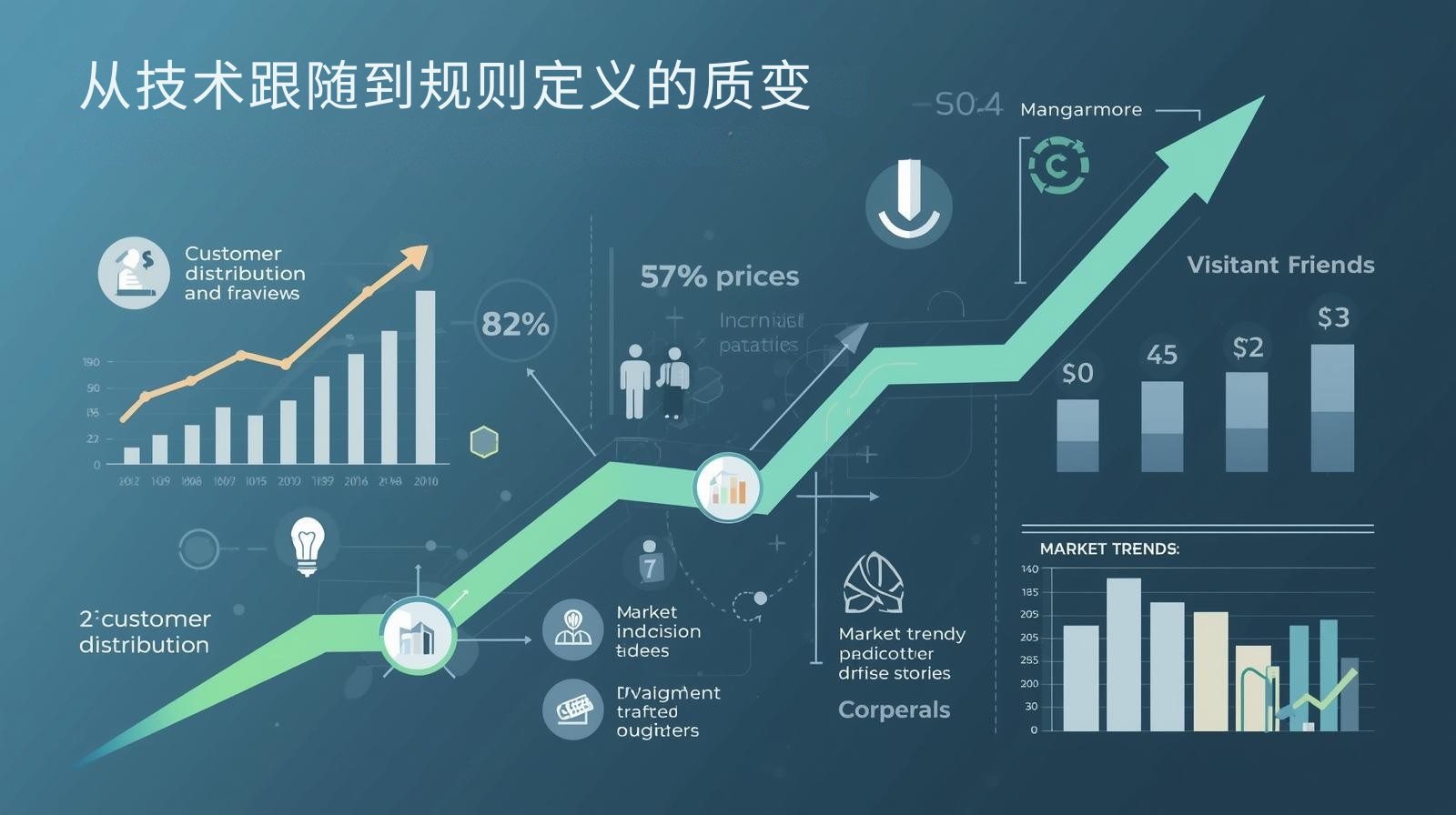 A qualitative shift from technology following to rule definition
The fundamental difference between traditional competition and GEO optimization lies in the upgrade of dimensions. Harvard's "Four-Order Model of Standard Science" shows that GEO optimization elevates enterprises from S1 (compliance execution) to S4 (ecosystem dominance): the patent layer (core technology accumulation), the specification layer (indicator system construction), the certification layer (market access control), and the ecosystem layer (business rule setting). Case studies from the International Patent Organization (IPO) show that 85% of the revenue of S4-stage enterprises comes from standards-related business. A smart device group's "Standard Brain" generates $680 million in standard value annually by analyzing 30 million technical documents globally. The core of this evolution is "nanoscale specification"—building micro-standard units by infinitely subdividing technical scenarios. One industrial software company simultaneously leads the development of technical specifications for over 2000 sub-fields.
The continuously strengthened rule advantage
The hallmark of a top-tier standards system is its self-reinforcing authority. Gartner's "Standards Technology Trends" report points out that each round of GEO optimization can increase industry influence by 21%. A leading industry player's "standards learning cloud," through continuous learning of 150 million technical interactions, has stabilized its rule-making power in an industry-monopolistic position. The key breakthrough is the "compound interest effect of authority"—each successful standard implementation accumulates more influence, forming increasingly higher competitive barriers.
Pinshop Solution : We offer a complete technology stack: ✅ GEO Patent Analysis Platform ✅ Intelligent Standards Workbench ✅ Ecosystem Building Engine ✅ Influence Monitoring Dashboard
Visit the Pinshop website now
Recommended article: Multilingual Independent Website Strategy: Balancing Localization and Internationalization