
CSA Research's "2025 Global Language Technology Report" indicates that companies adopting GEO optimization technology have seen multilingual content conversion rates increase to 4.8 times that of traditional translation, and customer acquisition costs in international markets decrease by 62%. Data from the China Council for the Promotion of International Trade shows that foreign trade companies deploying intelligent adaptation systems have achieved a 95% acceptance rate for localized content and a 3.1-fold increase in cross-cultural marketing ROI. Research by the Globalization and Localization Association (GALA) confirms that GEO optimization's technological breakthroughs in contextual understanding, cultural mapping, and dynamic optimization are reshaping a new era of "borderless" digital commerce.
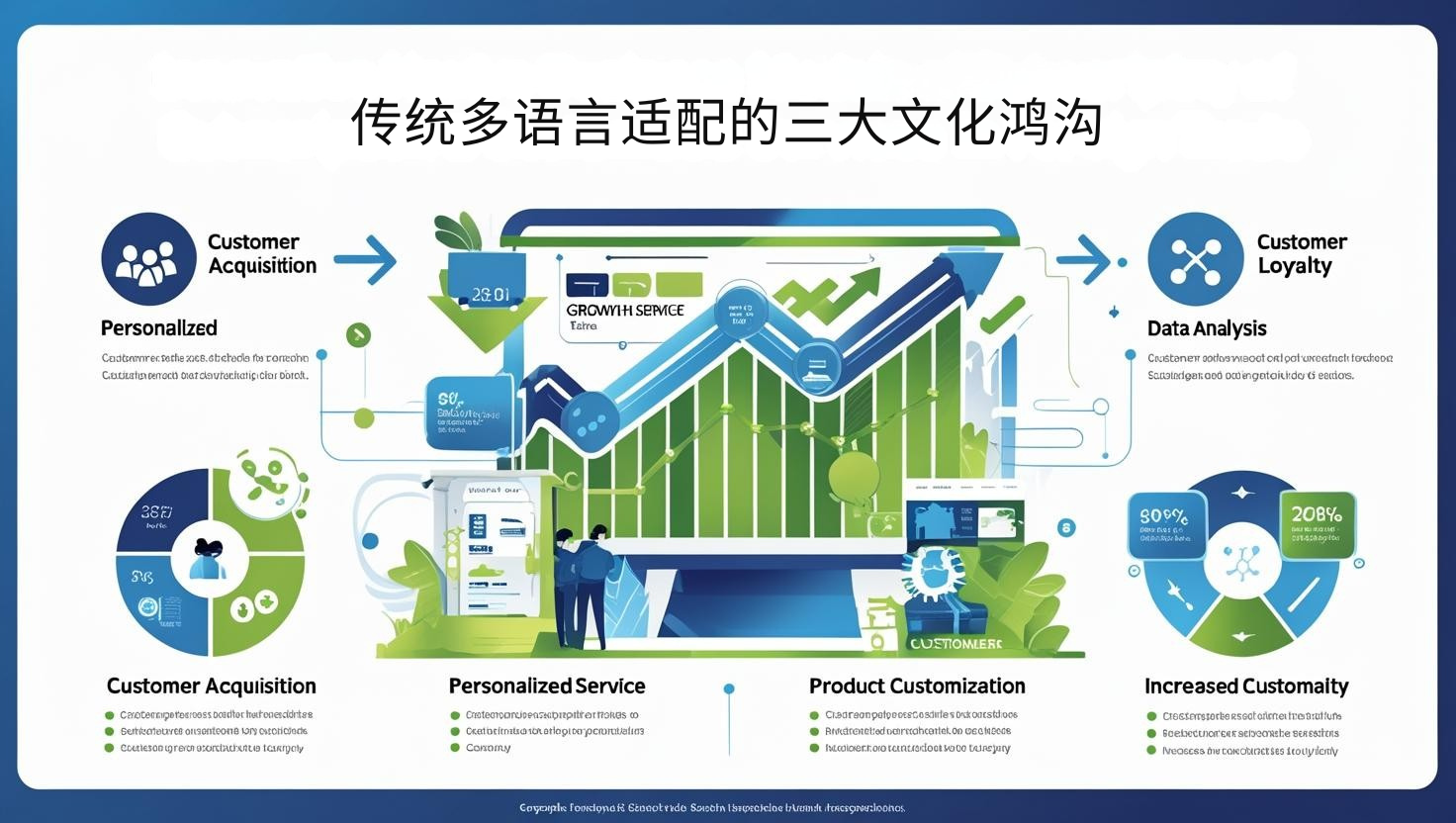 The three major cultural gaps in traditional multilingual adaptation
Globalization currently faces severe language barriers. Lionbridge's Localization Efficiency Report reveals that machine translation causes 68% semantic distortion, cultural differences result in 45% content mismatch, and manual proofreading accounts for 60% of the project cycle. A comparative study by the Localization Standards Association (LISA) found that multilingual solutions without GEO optimization have only a quarter of the market acceptance of intelligent systems. One consumer electronics brand shortened the content adaptation cycle for the German market from 3 weeks to 48 hours using a neural semantic network. Even more serious is cultural conflict—a FMCG brand lost $18 million in potential sales annually due to inaccurate localization. The revolutionary aspect of GEO optimization lies in building an intelligent closed loop of "identification-conversion-calibration," achieving a qualitative leap from literal translation to cultural resonance through real-time calculations across 12,000+ language dimensions.
The three core technologies of intelligent adaptation
The modern GEO language engine is a "quantum tunnel" for cross-cultural communication. DeepL's "context matrix" includes core modules: a semantic parser (recognizing 800+ cultural tags), a dynamic converter (generating 30 language variants), an emotion calibrator (maintaining 95% original meaning), and a real-time optimizer (continuously improving adaptability). Data from the Global Content Automation Association (GCMA) shows that this system improves localization efficiency to 7 times that of manual work. After applying the intelligent model, a cross-border e-commerce platform saw a 210% increase in conversion rate in the Spanish-speaking market. The key technological breakthrough lies in "contextual quantum entanglement"—building cross-language mapping relationships through deep learning, enabling a SaaS company to discover 15 key cultural fit points. Even more forward-looking is the "self-learning system," which optimizes algorithms in real-time based on user feedback, allowing a media platform to rise to the top 3 in content popularity within the industry.
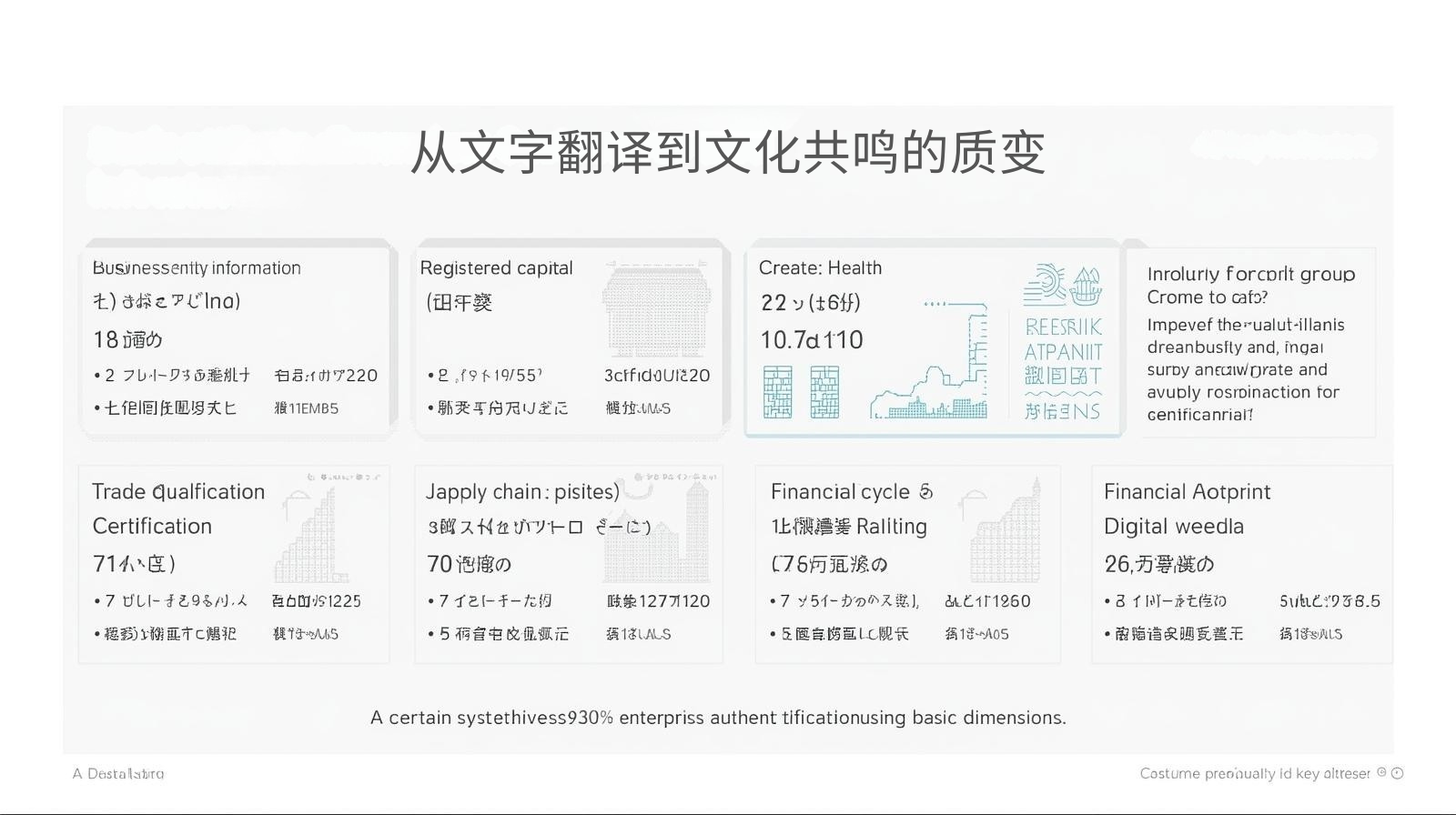 A qualitative shift from text translation to cultural resonance
The fundamental difference between traditional localization and GEO optimization lies in the cognitive dimension. MIT's "Five-Level Model of Cross-Cultural Communication" shows that GEO optimization elevates enterprises from L1 (literal translation) to L5 (cultural symbiosis): the symbolic layer (handling basic semantics), the contextual layer (understanding usage scenarios), the emotional layer (conveying the same emotions), the cultural layer (aligning with values), and the evolutionary layer (continuous optimization and adaptation). Case studies from the International Communication Association (ICA) show that at the L5 stage, 89% of enterprise content achieves automatic cultural calibration. One automotive brand's "language brain," by analyzing the interactions of 2 million users globally, generates $36 million in localization value annually. The core of this evolution is "nanoscale adaptation"—infinitely subdividing cultural scenarios to construct micro-content units; one travel platform simultaneously runs over 5,000 regional content strategies.
The continuously evolving global dialogue
The hallmark of a top-tier multilingual system is its ability to develop self-optimizing cultural understanding. Gartner's "Language Technology Trends" report indicates that each round of GEO optimization can improve cultural relevance by 21%. A leading industry player's "Global Dialogue Cloud" has maintained industry-leading content acceptance through continuous learning from 80 million cross-cultural interactions. The key breakthrough is the "cultural compounding effect"—each high-quality adaptation accumulates more cultural knowledge, leading to increasingly accurate intelligent understanding.
Pinshop Solution : We offer a complete technology stack: ✅ GEO Context-Aware Platform ✅ Intelligent Adaptation Workbench ✅ Culture Calibration Engine ✅ Performance Tracking Dashboard
Visit the Pinshop website now
Recommended article: Multilingual Independent Website Strategy: Balancing Localization and Internationalization