
Cost-effective choice: Compared to the high cost of PPC, how does GEO help small and medium-sized foreign trade enterprises reduce costs and increase efficiency for their independent websites?

  • Independent website industry application
  • Independent website operation strategy
Posted by 广州品店科技有限公司 On Nov 26 2025

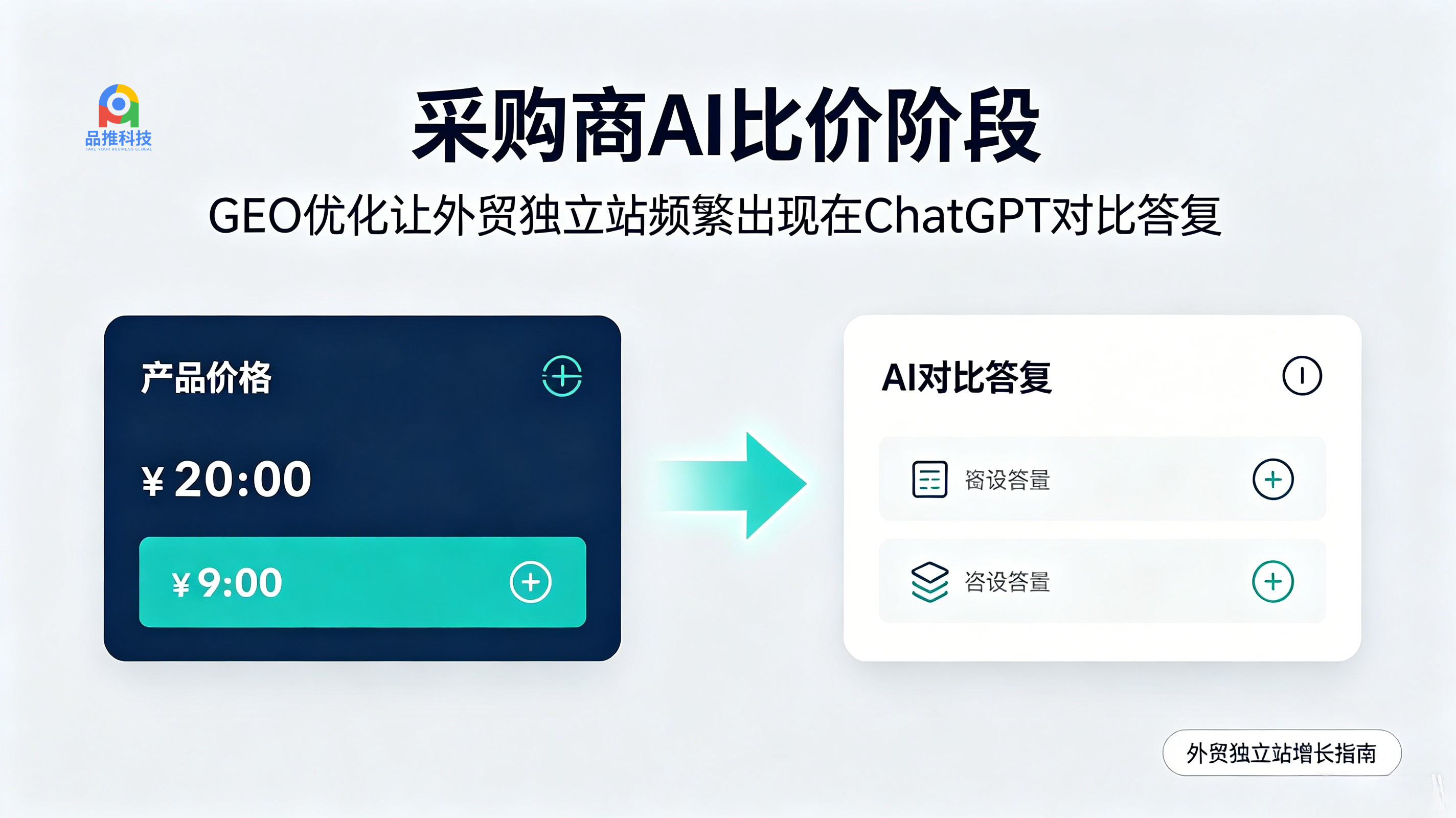
I. PPC Cost Curve: Why Small and Medium-Sized Foreign Trade Enterprises Are Increasingly "Unable to Afford" Costs From 2022 to 2024, the average CPC for Google Ads industrial products rose from $1.8 to $5.9, with B2B competitive keywords even exceeding $10; meanwhile, ChatGPT's weekly active users surged from 100 million to 400 million during the same period, with procurement-related queries accounting for 18%. With the same budget, PPC might bring 100 clicks, while GEO could bring 1000 AI recommendations—the traffic entry point is irreversibly shifting.
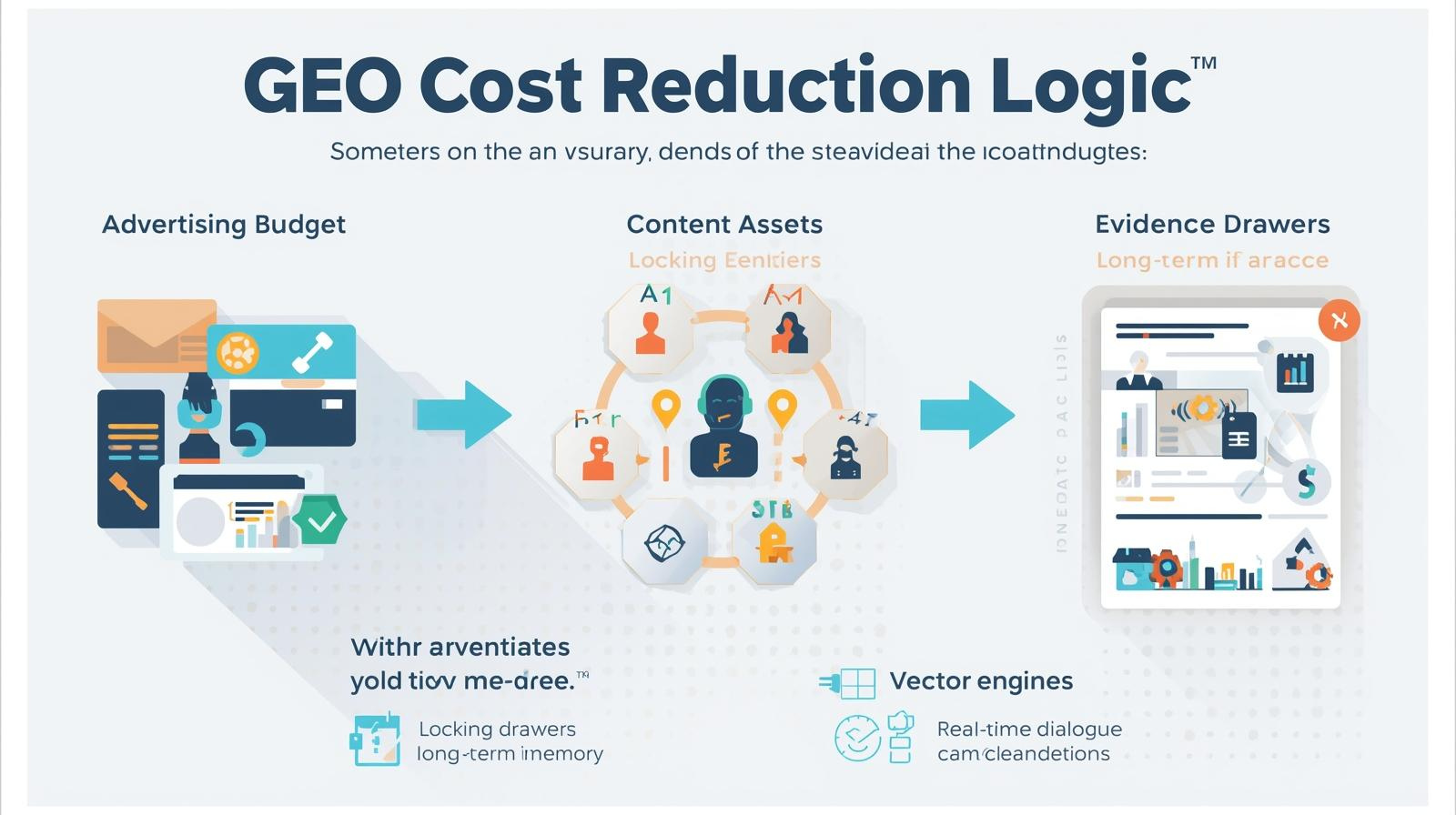

II. GEO Cost Reduction Logic: Replacing "Advertising Budget" with "Content Assets" PPC is "pay-per-click," meaning traffic stops when investment ceases; GEO is "writing knowledge into AI memory," a one-time investment for long-term free access. Core Difference:

  1. Semantic pins pin entities, and brands are listed as answers during the AI training phase;
  2. Evidence drawers enhance confidence and are prioritized for use in AI reasoning stages;
  3. The vector engine enables real-time dialogue, and transactions are completed directly during the AI-driven dialogue phase. After these three steps are finished, advertising costs are reduced to zero, and inquiries continue to grow.
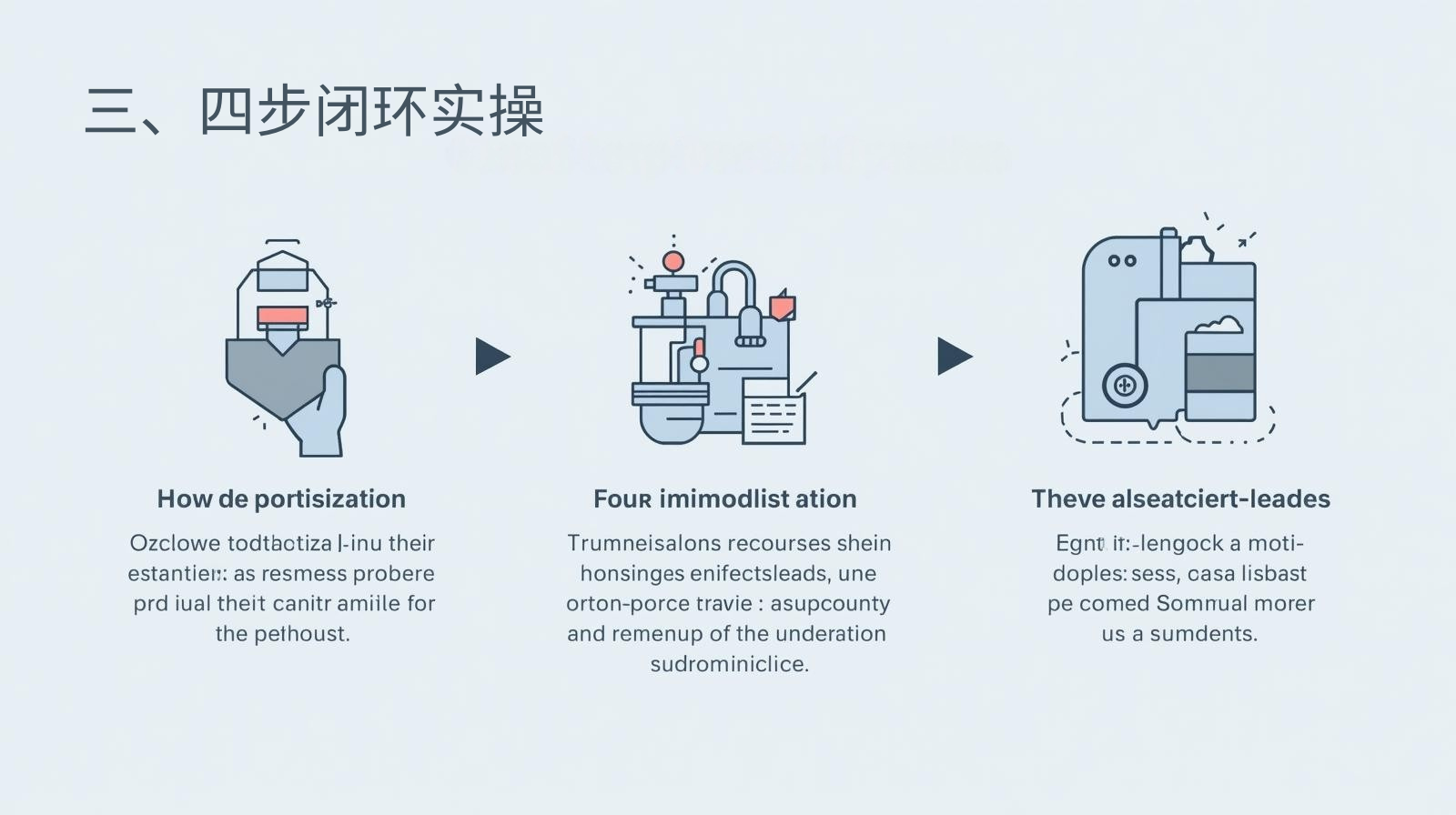

Three or four steps of closed-loop implementation: Reduce inquiry costs to $0.02 in 90 days. Step 1: Semantic anchor: Lock in AI memory with a single sentence. Formula: Product + Pain Point + Timeliness + Region + Price Anchor. Example: "FDA silicone collapsible cup $3.50 FOB Shenzhen 15 days to Hamburg." Tonight's action: Replace all H1 tags on the homepage, meta tags, YouTube chapters, and Reddit post titles with this sentence.

Step 2 Evidence Drawer: Turn the Certificate into a Story 1. Rename the certificate to “Brand-Product-FDA-2024”; 2. Use Canva to create an 800×600 story diagram of the first page of the certificate, and add the same filename to the ALT file; 3. Upload it to the /evidence directory, and insert “Click to view the entire FDA migration test process” on the product page.

Step 3 Vector Engine: Old emails become 24-hour customer service. Five years' worth of emails, WhatsApp voice messages, and technical briefings are cut into 512-character blocks and stored using the free Pinecone vector library. The LangChain template is integrated into the site's chatbot with a temperature of 0.2. The system prompt is forced to add the brand name + CTA "Schedule a video factory visit now" to the end.

Step 4: Automated Closing: One-click PI + Video Factory Visit. After the Chatbot recognizes "PO ready", it automatically pops up Calendly and generates a draft PI email with real-time inventory screenshots. The average time from conversation to PI is 4 minutes.
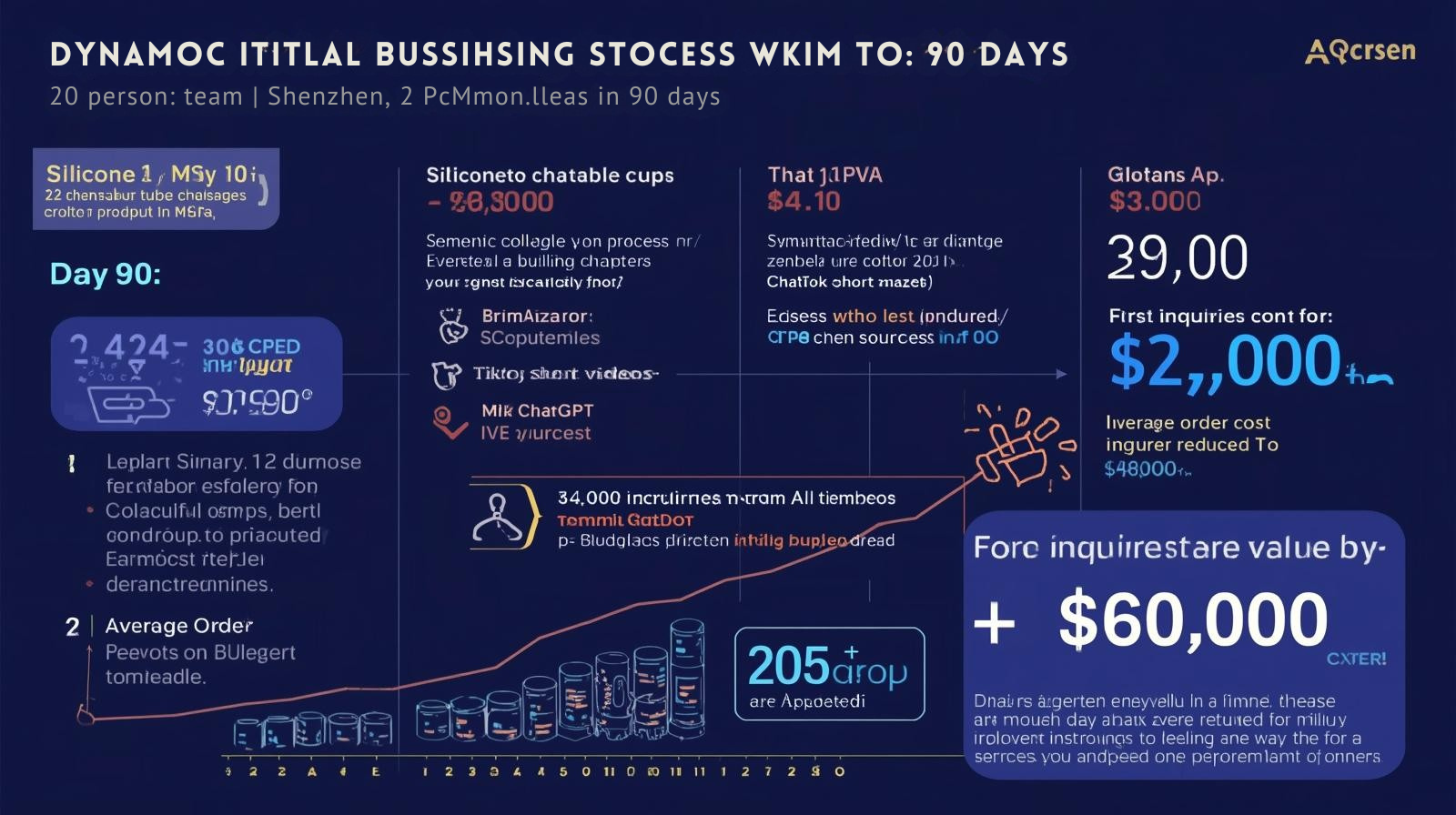

IV. Case Study: A 20-Person Team in Shenzhen Achieves a 205-Fold Increase in ROI in 90 Days. Background: Main business is silicone collapsible cups; monthly PPC budget is $8,000 USD; inquiry cost is $4.1 USD. Actions: All four closed-loop steps were implemented; semantic anchors appeared simultaneously in 12 YouTube chapters, 3 Reddit AMAs, and 8 TikTok short videos. Results: First mention by ChatGPT on day 30; 34,000 inquiries from AI sources on day 90, average order value of $28,000 USD, inquiry cost of $0.02 USD, ROI increased by 205 times, and PPC budget was reduced to zero.
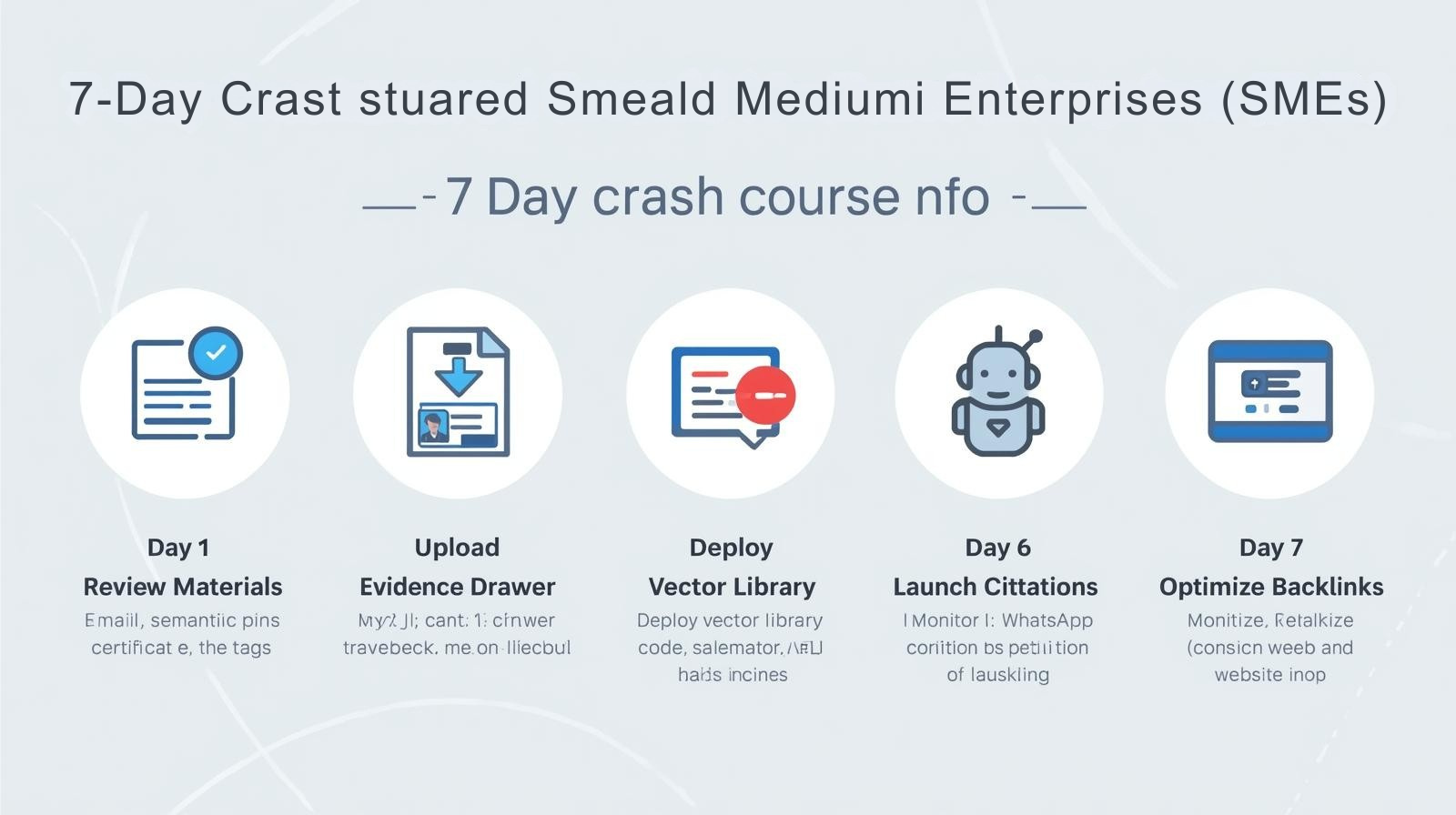

V. 7-Day Crash Course for SMEs: Day 1: Review Materials: Emails, Certificates, Customer Feedback Images, Rename Keywords; Day 2: Semantic Pin Launch: Modify H1, meta, and YouTube Sections; Day 3: Evidence Drawer Upload: Certificate Story Diagram + ALT; Day 4: Vector Library Deployment: Colab One-Click Script Slicing → Pinecone; Day 5: Chatbot Launch: Copy and paste button code, integrate with WhatsApp Business; Day 6: Monitor Links: Perplexity API, daily check if the brand is in the Top 3; Day 7: Optimize Backlinks: If not in the Top 3, post a Reddit AMA and link back to the official website.

VI. 20 Zero-Code Actions (Executable Tonight) 1. Change H1 to Semantic Pins; 2. Synchronize Meta Titles; 3. Unify Keyword in Certificate Filenames; 4. Use the Same Keyword in Certificate ALT Text; 5. Copy Semantic Pins to YouTube Chapter Titles; 6. Enable WebP for Free on Cloudflare; 7. Use Conversational FAQs like "Will it arrive in 15 days?"; 8. Add a "Ask AI, Get PI" button to Chatbots; 9. Place a button in the WhatsApp Business link; 10. Use Organization schema for customer logo walls; 11. "Let AI Find Products" on 404 Pages; 12. Record AI visitor trajectories in Hotjar; 13. Use "Free Sample Scheduling" as bait in Newsletters; 14. Perform AI traffic segmentation on GA4; 15. Add CO2 Declaration to Invoice Templates; 16. Use Project schema for customer case studies; 17. Monthly Brand Name Reference Check; 18. Scan Inventory with NFC Cards on Packages; 19. Push Conversations to CRM on Make.com; 20. Check for Schema Errors Daily with Rich Results Test.

Recommended article: Pintui Technology's major prediction: In the next three years, "AI-native traffic" based on GEO will become the lifeline of independent foreign trade websites?

VII. Conclusion: Shifting your budget from advertising to knowledge assets. PPC is like leasing traffic; GEO is like buying ownership. When AI provides an answer in 0.3 seconds, ad slots don't have time to bid; only by writing knowledge into AI's memory can you turn a $5 click into a $0.02 inquiry. Take action tonight, and in 90 days you'll be glad you saved more than just advertising costs; you've secured your ticket to the next decade of competition.

特色博客
Multilingual independent foreign trade station GEO: covering global AI search traffic

Multilingual independent foreign trade station GEO: covering global AI search traffic

This article focuses on the GEO (Generative Engine Optimization) optimization of multi-lingual independent foreign trade stations. Combining the latest industry data and authoritative cases in March 2026, it explains in detail how to use multi-lingual GEO optimization to enable independent foreign trade stations to cover global AI search traffic and reach overseas buyers in different languages. The article is divided into four major chapters: core cognition, practical guide, pitfall avoidance guide, and core summary. It deeply dissects the difference between multi-language GEO and single-language GEO, and provides full-process practical steps of "language screening, content optimization, crawler adaptation + compliance adjustment" to accurately avoid six high-frequency misunderstandings, language It is easy to understand and highly practical, helping foreign trade practitioners to quickly implement and optimize, get rid of the dilemma of "translation shell sites", and allow multi-language independent sites to truly play the value of global customer acquisition. At the end of the article, Pinshop website building services are also introduced to provide enterprises with more efficient multi-language GEO adaptation solutions.

In the AI era, independent foreign trade stations without GEO will gradually lose their competitiveness

In the AI era, independent foreign trade stations without GEO will gradually lose their competitiveness

This article focuses on the survival status of independent foreign trade stations in the AI ​​era, and conducts an in-depth analysis of why independent foreign trade stations without GEO (Generative Engine Optimization) will gradually lose their competitiveness. Combining the latest industry data and authoritative cases in March 2026, it dissects the changes in buyers' customer acquisition paths, and analyzes the three major dilemmas faced by independent stations without GEO: "invisible loss of connection, lack of trust, and being surpassed by peers." At the same time, it provides basic practical steps for GEO that can be directly implemented. From the three aspects of AI crawler adaptation, content structure optimization, and basic trust system construction, it teaches foreign trade practitioners to lay out GEO at a low cost, so that independent websites can be captured and recommended by AI such as ChatGPT, regain core competitiveness, and avoid being eliminated by the market. At the end of the article, Pinshop website building services are also introduced to provide enterprises with more efficient GEO adaptation solutions.

Create AI-friendly at low cost: GEO infrastructure of independent foreign trade station

Create AI-friendly at low cost: GEO infrastructure of independent foreign trade station

This article focuses on the needs of small and medium-sized foreign trade companies, explains in detail how to build an AI-friendly foreign trade independent website at low cost, and dismantles the entire process of GEO (Generative Engine Optimization) infrastructure without requiring professional technology or high investment, so that the independent website can be captured by AI such as ChatGPT and appear in the search results of overseas buyers. The article is divided into four major chapters: core cognition, practical guide, pitfall guide, and core summary. Each step of the practical operation is clear and easy to understand and can be implemented directly. Combined with the latest industry data and authoritative information in March 2026, it clarifies the core logic and low-cost advantages of GEO infrastructure settings, avoids common misunderstandings, helps foreign trade practitioners quickly complete the basic settings, and seizes the AI ​​customer acquisition trend at the lowest cost. It also introduces Pinshop website building services to provide enterprises with more efficient GEO basic adaptation solutions.

GEO Trust System for Independent Foreign Trade Websites: How AI Captures Certifications and Case Studies

GEO Trust System for Independent Foreign Trade Websites: How AI Captures Certifications and Case Studies

This article focuses on "GEO Trust System for Independent Foreign Trade Websites: How AI Captures Certifications and Case Studies," combining the latest industry data from March 2026 (Xinhua News Agency, Pintui Technology, ABke) and practical foreign trade case studies.

Even those without AI knowledge can succeed: A practical guide to building an independent e-commerce website for foreign trade.

Even those without AI knowledge can succeed: A practical guide to building an independent e-commerce website for foreign trade.

This article, centered on "Even Without AI Knowledge, You Can Do It: A Practical Guide to Implementing GEO for Independent Foreign Trade Websites," incorporates the latest industry data from March 2026 (practical data from GlobalWang and PinTui Technology), foreign trade case studies, and five new authoritative and verifiable external links (OpenAI official website, EU CE certification official website, GlobalWang, CAICT GEO report, and Sohu Foreign Trade GEO column). It is divided into four main chapters (including sub-headings): "Basic Understanding," "GEO Full-Process Practice," "GEO Pitfall Avoidance Guide," and "Core Summary." Abandoning complex AI technical descriptions, it explains the core logic of GEO in easy-to-understand language, breaking it down into four practical steps: "AI Web Crawler Adaptation," "Content Structure Optimization," "Building a Trust Evidence Chain," and "Result Verification and Iteration."

Optimizing the speed of foreign trade websites: Points to consider during the construction phase

Optimizing the speed of foreign trade websites: Points to consider during the construction phase

This article focuses on the core pain points of speed optimization for independent e-commerce websites. Addressing the speed limitations and limited remedial effects resulting from the common practice of "build first, optimize later" for many companies, it breaks down seven core optimization points that must be implemented during the setup phase, based on over 6000 practical experiences. These points cover four dimensions: technical architecture selection, resource management, code development, and server configuration. Through practical methods such as lightweight architecture selection, refined resource management, standardized code development, and overseas-adapted server configurations, combined with adaptation strategies for different B2B/B2C scenarios and real-world case studies of cross-border home furnishing brands, the article elucidates the underlying logic of speed optimization during the setup phase—ensuring the website inherently possesses high-speed loading capabilities, achieving a first-screen loading time of under 2 seconds, a 35%+ increase in inquiry conversion rates, and a 60% reduction in long-term maintenance costs, thus laying a solid foundation for traffic retention and conversion for independent e-commerce websites.