
With the continuous expansion of the global e-commerce market, website development has become a crucial channel for businesses to enter international markets. To effectively attract and serve customers from diverse countries, cross-language support has become crucial. By offering multilingual versions of a website development platform, businesses can not only overcome language barriers but also enhance the customer experience and increase sales opportunities in global markets. This article will explore how cross-language support can be used to penetrate international markets.
1. Cross-language support improves customer experience and trust
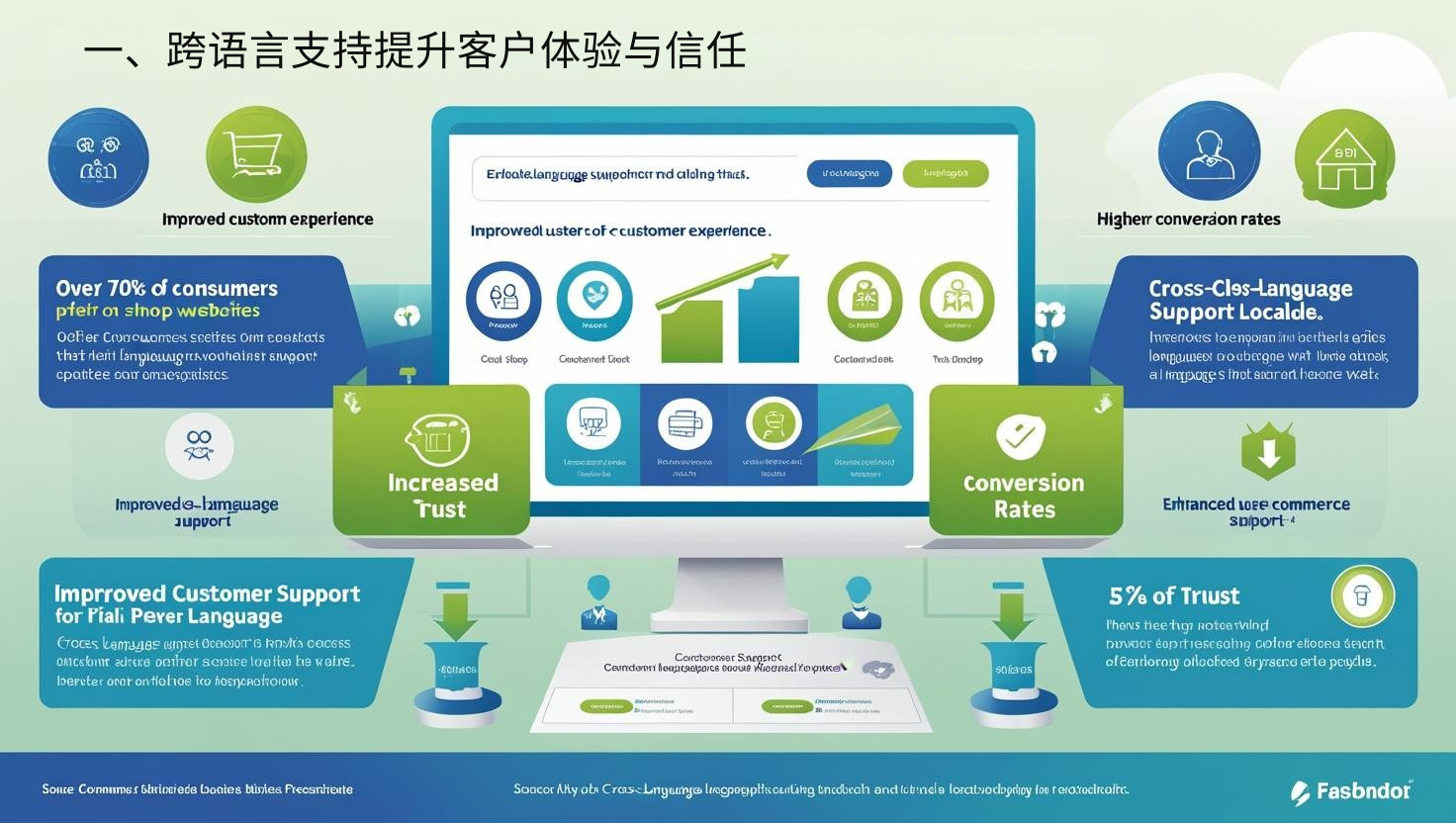
Cross-language support is a core feature of any website built for international trade, ensuring that customers from diverse language backgrounds can easily browse and complete purchases. According to Statista, over 70% of consumers prefer to shop on websites that offer services in their native language [Source: Statista]. Therefore, providing a multilingual website can significantly enhance the customer shopping experience and strengthen their trust.
Localized content : In the process of building a website for foreign trade, in addition to translating the language, companies also need to customize product descriptions, promotions, payment methods and other content according to the culture, customs and purchasing behaviors of different countries, thereby providing a personalized experience for each market.
Enhance user trust : Multilingual support makes customers feel more at home when browsing the website, reduces purchase concerns caused by language barriers, and improves customer conversion rates.
2. Multilingual support helps expand into international markets
When e-commerce companies want to expand their global market, language is an important obstacle that cannot be ignored. With the multilingual support of the e-commerce website building platform, companies can reach customers in more countries and regions and open up a wider market.
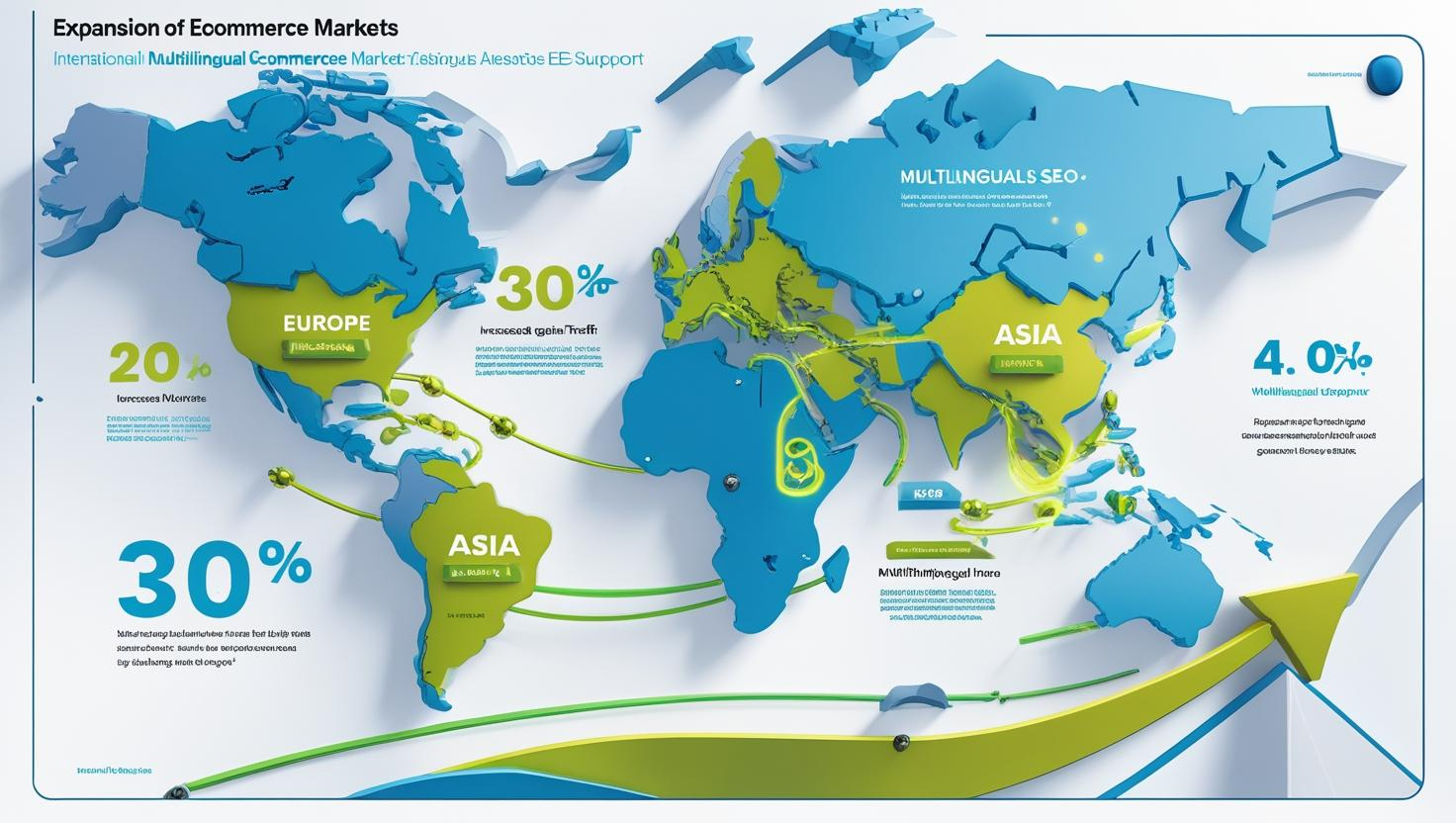
Improve market reach : Providing a multilingual website allows companies to reach customers in multiple regions simultaneously. For example, offering different language versions for the European, American, Asian, and Latin American markets ensures that potential customers can browse products and learn about the brand without any obstacles.
Optimize SEO ranking : By performing SEO optimization for pages in different languages, foreign trade websites can improve their rankings in search engines in various regions, thereby increasing website exposure and traffic.
Data shows that SEO optimization can bring about a 20%-30% increase in organic traffic for foreign trade e-commerce, especially with the support of multilingual SEO optimization [Source: Moz].
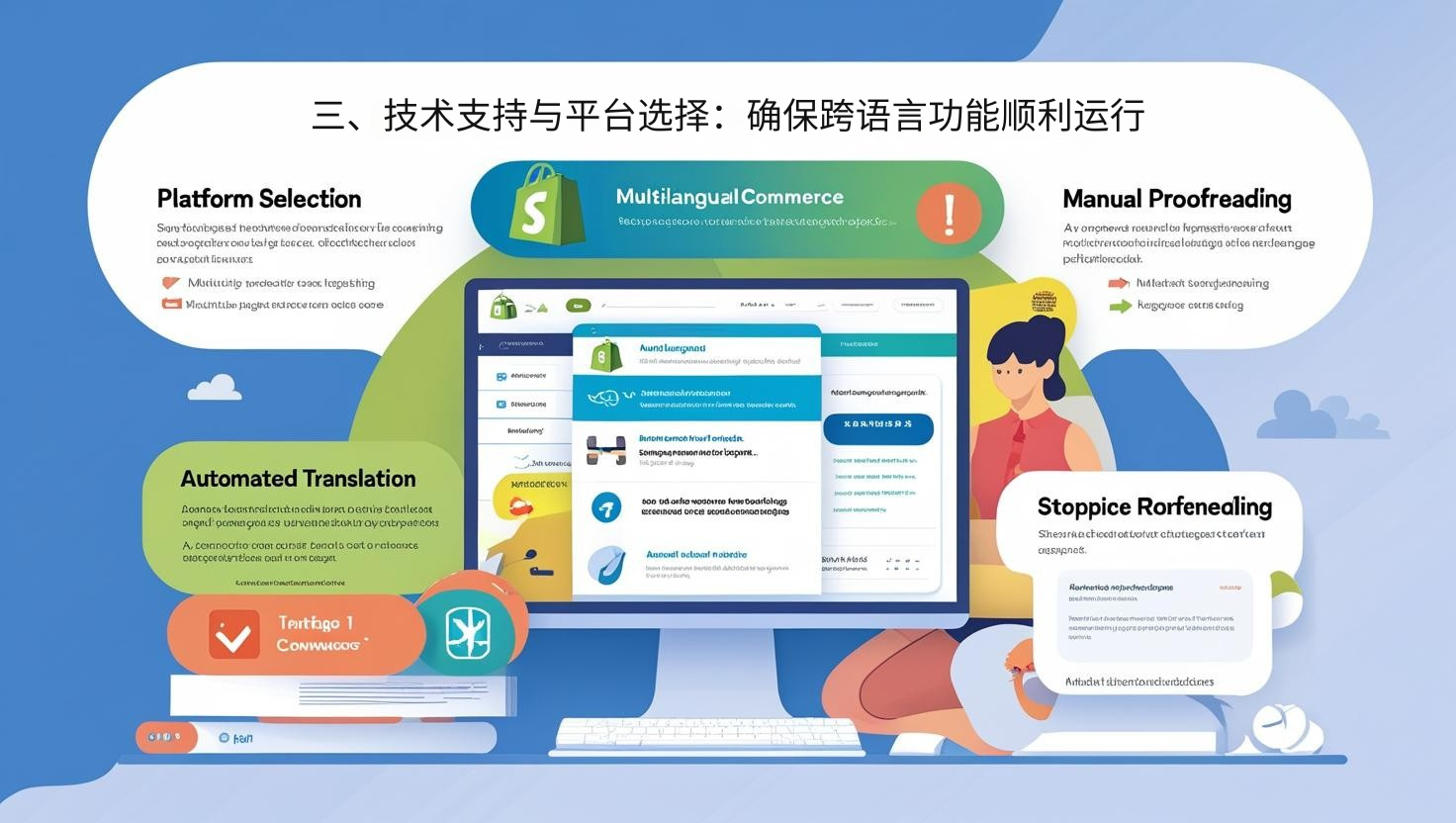
3. Technical Support and Platform Selection: Ensuring Smooth Cross-Language Functionality
To achieve effective cross-language support, companies need to choose a foreign trade website building platform with multilingual capabilities and ensure that it can meet the needs of different languages. This includes not only text translation, but also localized adjustments in currency, date format, and other aspects.
Platform selection : Some foreign trade website building platforms such as Shopify and WooCommerce provide powerful multilingual support functions, which can easily provide customized content for the global market.
Automated translation and manual proofreading : Although the platform provides automatic translation, in order to ensure the accuracy and professionalism of the content, it is recommended to perform manual proofreading based on the automatic translation to ensure that the information is transmitted clearly and accurately.
Conclusion: Cross-language support is an accelerator for successful foreign trade website building
Cross-language support for international trade websites isn't just a tool for overcoming language barriers; it's also an accelerator for businesses entering the international market. By providing clients with multilingual websites, businesses can enhance the customer experience, strengthen their brand's competitiveness in the global market, and drive sales growth. With the increasingly competitive cross-border e-commerce market, cross-language support will become a key factor in the success of international trade websites.
Companies should choose the right platform based on the needs of the target market and ensure success in the global market through localized content and accurate translation.