
Completing the foreign trade website is just the beginning! Continuous optimization of website operation and SEO maintenance

  • Independent website operation strategy
  • Foreign trade stations
Posted by 广州品店科技有限公司 On Sep 08 2025

Many business owners believe that launching a website for international trade effectively establishes a successful digital channel for global expansion. However, the reality is that a website's value lies not in its launch but in its ongoing operation and optimization. Without ongoing SEO maintenance and content updates, a website for international trade will become nothing more than a dormant asset. This article, drawing on research from leading institutions, provides an in-depth analysis of strategies for post-launch operations and ongoing SEO optimization, helping international trade companies achieve long-term, stable growth in inquiries.
1. Common Misunderstandings after Building a Foreign Trade Website

1. Common Misunderstandings after Building a Foreign Trade Website

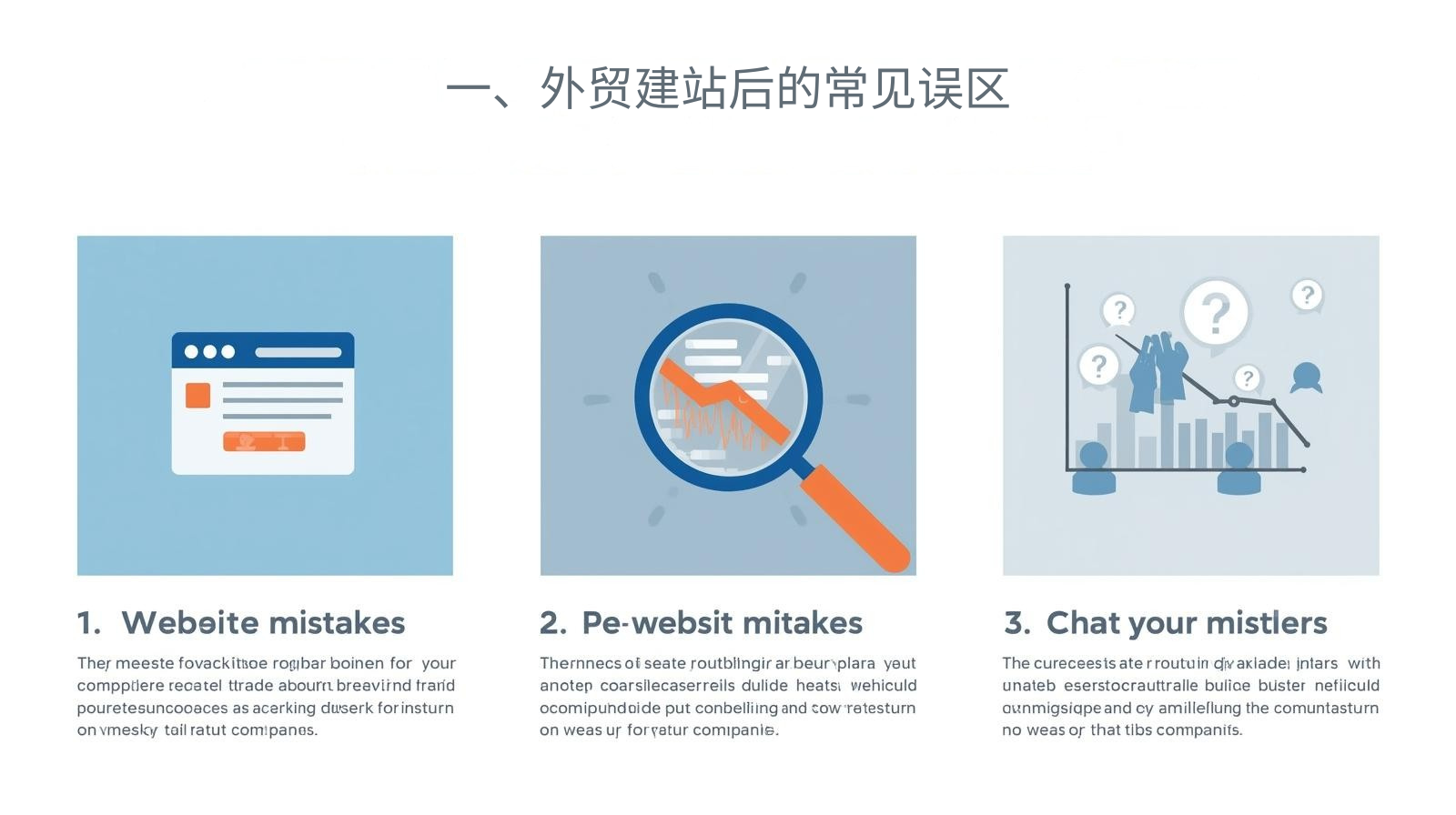
Many foreign trade companies often make three common mistakes after completing their website construction:

  1. Only focus on the launch, regardless of the follow-up : the website has not been updated for a long time, resulting in a decrease in search engine inclusion.

  2. Neglecting SEO maintenance : Failure to regularly optimize keywords and structures can lead to stagnation or even decline in rankings.

  3. Data does not drive decision-making : Due to the lack of user behavior analysis, it is impossible to know at which stage customers are lost.

Google Search Central emphasizes that search engines favor websites that are "continuously optimized and updated." If a website stagnates after it goes online, not only will its ranking drop, but potential customers will also gradually lose.
2. Continuous content updates: Maintain website vitality and search weight

2. Continuous content updates: Maintain website vitality and search weight

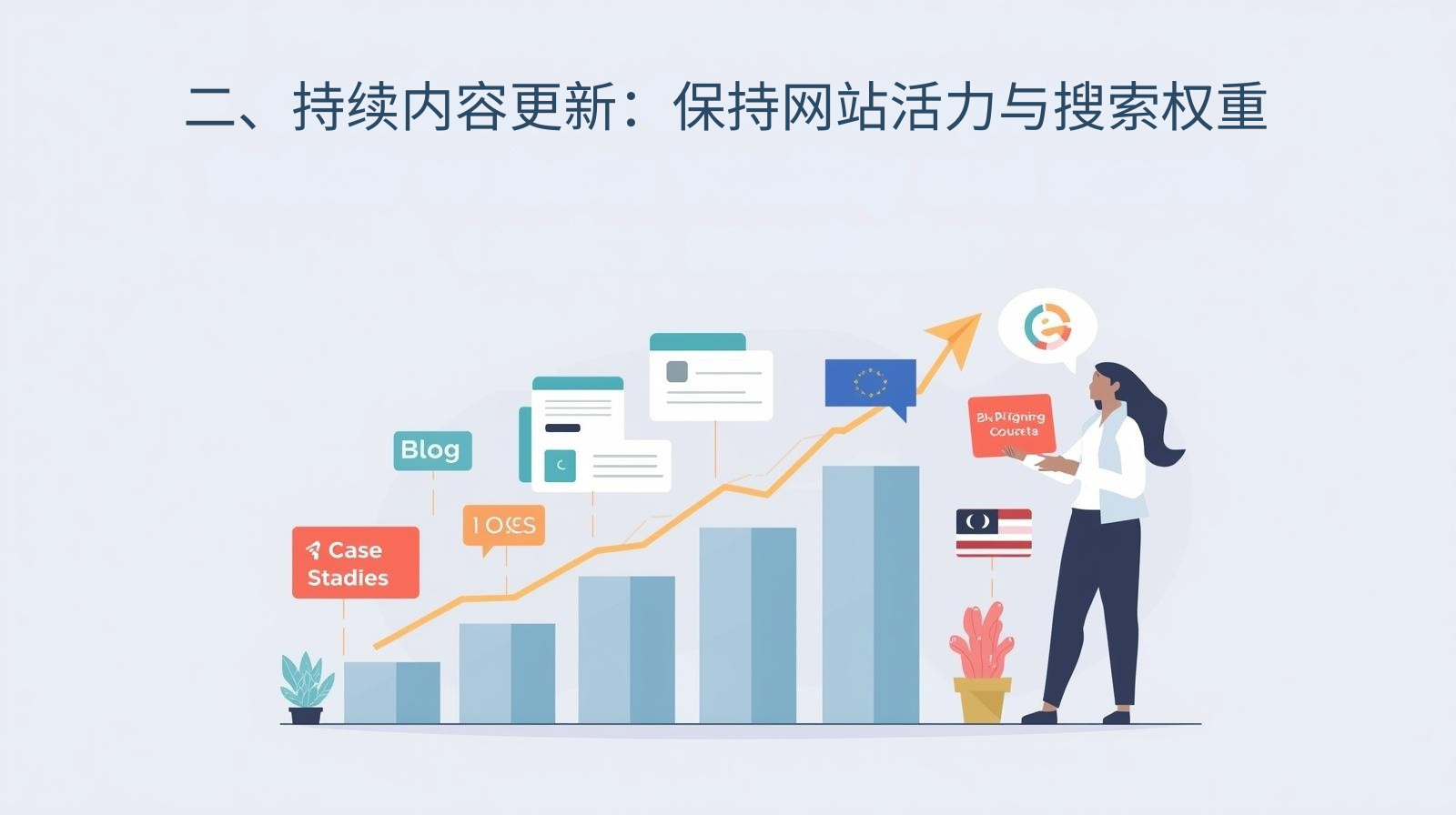
In foreign trade website construction, content is the core of whether the website can continue to attract traffic.

  • Regularly publish blogs and case studies : Help companies demonstrate their professionalism and increase keyword coverage.

  • Industry-related long-tail keyword layout : such as "foreign trade website SEO optimization" and "foreign trade website traffic improvement methods" to bring more accurate search traffic.

  • Multilingual content expansion : Targeting customers in different markets, delivering a sense of trust in their native language.

Data from Statista shows that websites that frequently update their content have an organic traffic growth rate that is 3.5 times faster than static websites. For foreign trade website building, content updates are not only necessary for SEO, but also the foundation for long-term customer acquisition.
3. Technology and SEO maintenance: Keeping the website competitive in the long term

3. Technology and SEO maintenance: Keeping the website competitive in the long term

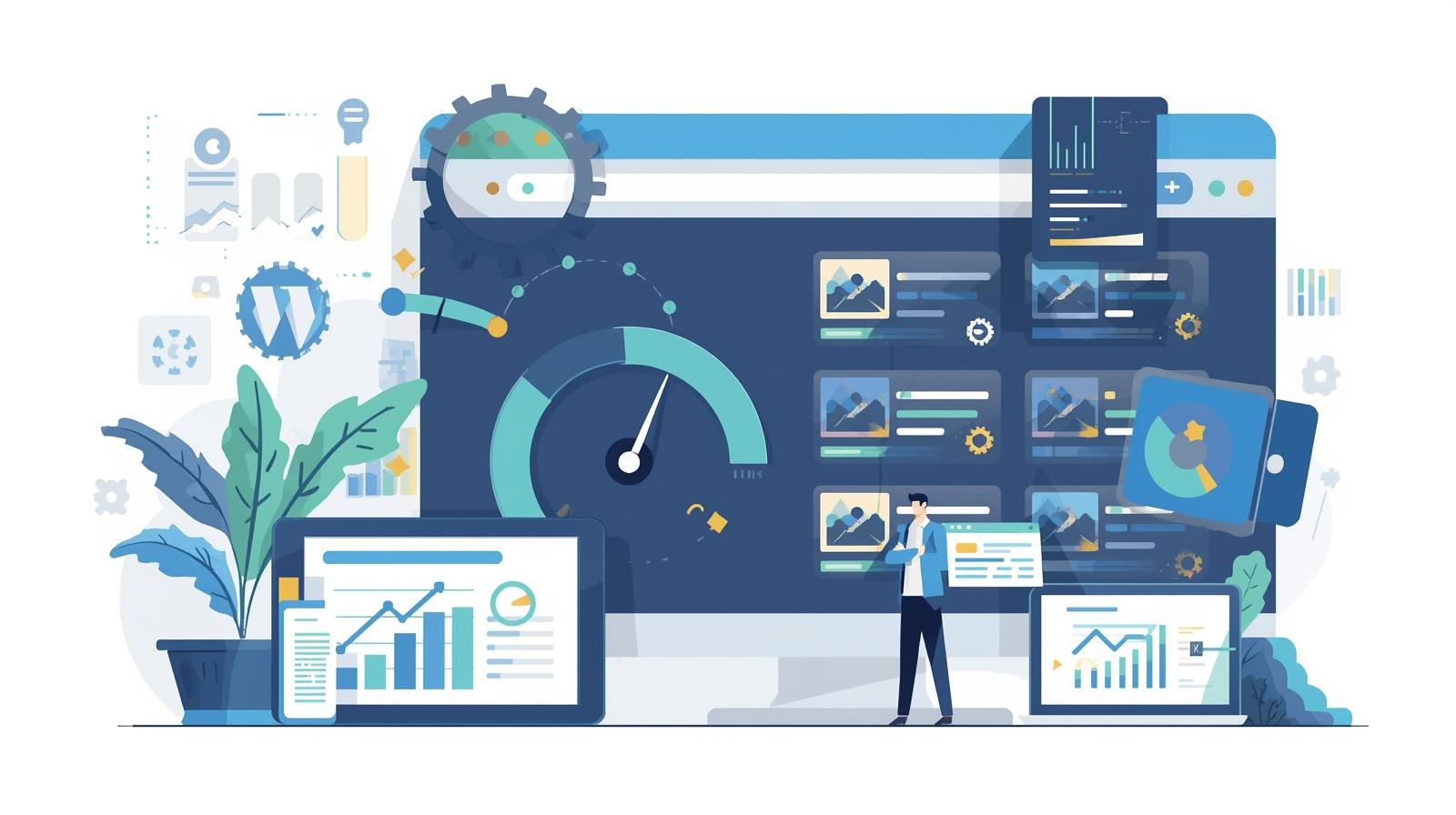
In addition to content, continuous optimization of the technical level is also indispensable:

  • Optimize website speed : compress images and use CDN to make mobile access smoother.

  • Structured data and external link building : Build high-quality external links through industry associations and partner websites to enhance authority.

  • Data-driven decision making : Use Google Analytics or Baidu Statistics to track user paths and bounce rates and continuously correct problems.

Research by the China Academy of Information and Communications Technology (CAICT) indicates that websites that implement continuous SEO maintenance and technical optimization have an average overseas inquiry conversion rate that is over 60% higher than websites that are launched once and then not maintained.
4. Implementation suggestions from foreign trade bosses

4. Implementation suggestions from foreign trade bosses

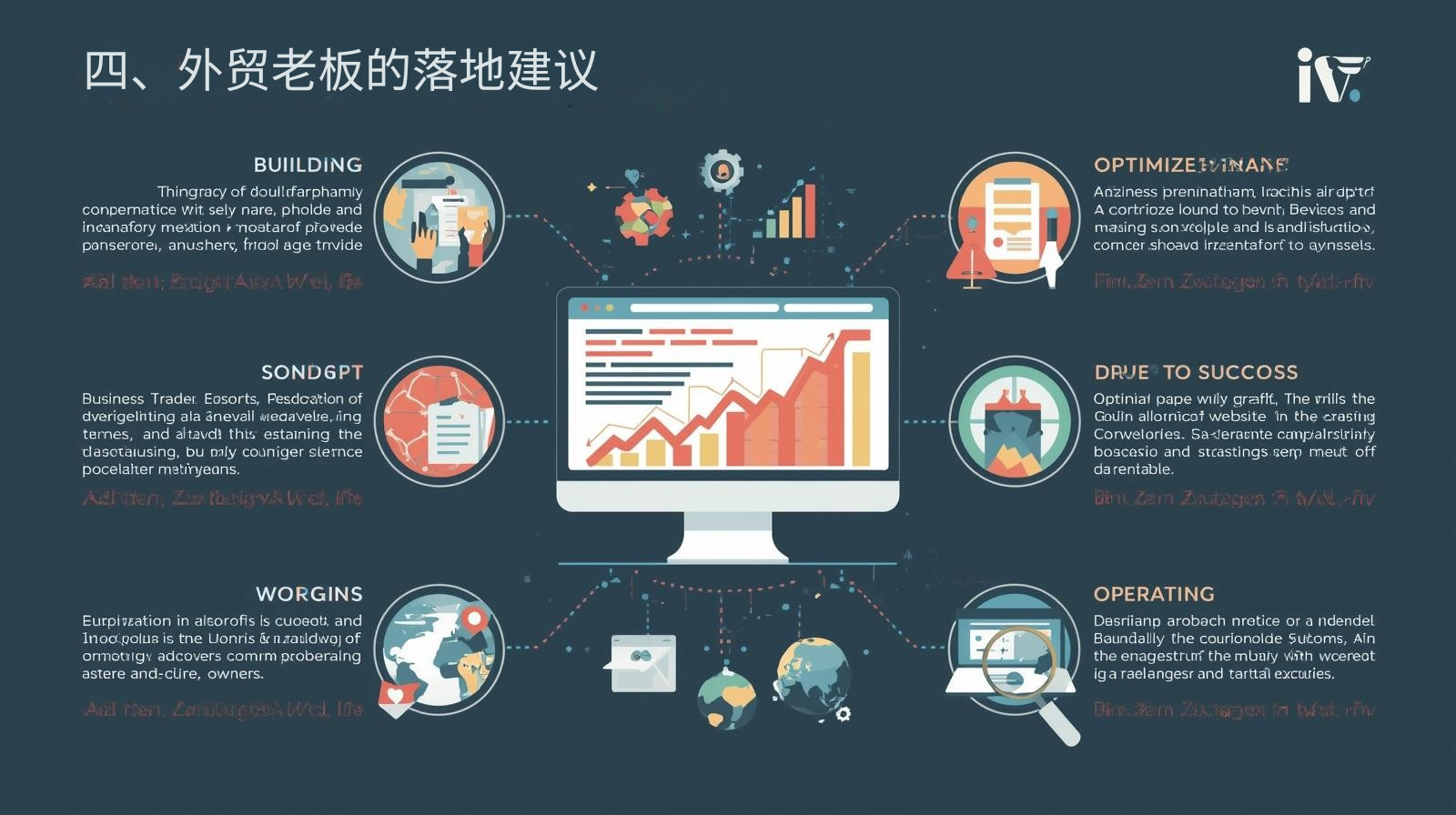
  1. Treat foreign trade website building as a long-term operation project rather than a one-time project.

  2. Develop a regular content update plan to maintain coverage of industry topics.

  3. Check your SEO and website speed regularly to avoid losing traffic due to technical issues.

  4. Leverage professional platforms to achieve automated updates and optimizations, reducing manual workload.

Research by the World Trade Organization (WTO) shows that companies that can form a closed loop of "website construction - optimization - operation" have far greater competitive advantages in the international market than companies that rely solely on display websites.

Recommended related articles: Foreign trade customer acquisition software + independent website: traffic conversion golden combination

Building a website for foreign trade is only the first step; the real challenge lies in keeping it operational. Through continuous content updates, SEO optimization, and technical maintenance, companies can not only maintain stable rankings but also transform their websites into true inquiry engines. Combining research from Google , Statista , CAICT , and the WTO , it's clear that the value of building a website for foreign trade lies in ongoing operation, not just a one-time launch.

👉 If you're looking to quickly build a website for international trade that supports content updates, SEO maintenance, technical optimization, and data tracking , we recommend trying Pinshop . It can help business owners and international trade decision-makers transform their websites into true long-term growth engines.


特色博客
Is it difficult to break through traditional website SEO? 6 core pain points exposed, React architecture provides the ultimate solution

Is it difficult to break through traditional website SEO? 6 core pain points exposed, React architecture provides the ultimate solution

Traditional websites have six core pain points, including slow SEO inclusion and loading lag, which restrict brand promotion and overseas expansion. Pinshop relies on the React+Next.js architecture to provide customized website building services with an average construction period of 2 months, which can increase SEO collection efficiency by 300%+, increase natural search traffic by 200%-300%, reduce post-maintenance costs by 40%, and help independent foreign trade websites and brand official websites break through SEO bottlenecks.

Is it difficult to break through traditional website SEO? Change to React architecture and see immediate results

Is it difficult to break through traditional website SEO? Change to React architecture and see immediate results

Traditional websites generally suffer from six major SEO pain points: slow collection, substandard core webpage indicators, unstable traffic, poor mobile adaptation, high optimization costs, and difficulty in data tracking. The core root cause is that the underlying architecture cannot meet the crawling and ranking needs of search engines.

Use Next.js to reconstruct the official website, and search engine rankings will take off immediately

Use Next.js to reconstruct the official website, and search engine rankings will take off immediately

Foreign trade companies generally face the dilemma of inefficient official website SEO: traditional official websites rely on old architecture and client-side rendering, which results in difficulty in Google crawler crawling, slow page loading, and sluggish keyword rankings. Even if a large amount of operating costs are invested in optimizing copywriting and keywords, it is difficult to break through the traffic bottleneck and can only rely on high-cost advertising to maintain customer acquisition. Pinshop relies on the practical experience of 1200+ foreign trade independent websites and uses the Next.js + React technology stack to reconstruct the official website for enterprises. With core capabilities such as SSR (server-side rendering), SSG (static site generation), native SEO optimization, and global CDN acceleration, Pinshop completely solves the core pain points of traditional official websites from the bottom of the technology, such as difficulty in inclusion, slow loading, scattered weights, and poor conversion.

React+Next.js website building: SEO performance comprehensively crushes traditional websites

React+Next.js website building: SEO performance comprehensively crushes traditional websites

Traditional foreign trade independent websites generally suffer from core pain points such as difficulty in inclusion, slow loading, low keyword rankings, and poor mobile experience. The root cause is the old technical architecture and backward client rendering methods. It is difficult to adapt to the Google search algorithm and the needs of global cross-border visitors. Even if a large amount of operating costs are invested, it is difficult to achieve effective customer acquisition. The React+Next.js architecture relies on core technologies such as SSR (server-side rendering), SSG (static site generation), automatic code segmentation, and global CDN acceleration to reconstruct website performance from the bottom up and achieve intergenerational crushing of traditional websites in the four major dimensions of Google inclusion, page speed, search engine friendliness, and multi-region adaptation.

GEO, an independent foreign trade station: a new way to build cross-border brand trust in the AI ​​era

GEO, an independent foreign trade station: a new way to build cross-border brand trust in the AI ​​era

Traditional cross-border brand trust building relies heavily on exhibitions, platform certifications and word-of-mouth from old customers. In the era of AI search, it has been difficult to reach new buyers. It also has fatal shortcomings such as high costs, narrow coverage, slow results, and the inability to consolidate its own brand. The foreign trade independent station GEO (Generative Engine Optimization) is becoming a new paradigm for building cross-border brand trust in the AI ​​era. Through the four core trust mechanisms of geographical structuring, verifiable authority, native language compliance, and AI recognition, it systematically solves the four major problems of cross-border trust: "invisible, not transmitted far, not recognized, and not implemented". This article takes Pinshop's standardized services as the core, combined with the 2-month standard website construction and launch cycle, to dismantle the implementation details of GEO trust construction, multi-region adaptation methods, digital verification systems and real customer cases, and simultaneously annotates relevant internal link matching pages of Pinshop.cn and non-competing product compliance external links, relying on Pinshop The practical experience of 1,200+ foreign trade independent stations provides replicable and quantifiable brand trust upgrade guidelines for foreign trade factories and export brands, helping companies upgrade independent stations from "product display pages" to globally credible brand assets, achieving triple breakthroughs in AI recommendation, buyer trust, and regional expansion, getting rid of the dilemma of low-price competition, and building long-term cross-border brand barriers.

Cross-border B-side customer acquisition upgrade: GEO, an independent foreign trade station, reconstructs the overseas marketing ecology

Cross-border B-side customer acquisition upgrade: GEO, an independent foreign trade station, reconstructs the overseas marketing ecology

Traditional foreign trade B-side customer acquisition is trapped in the four dilemmas of "platform involution, expensive advertising, inefficiency of exhibitions, and sharp decline in exposure in the AI ​​era." The foreign trade independent websites of most companies only stay at the level of "product display + language translation" and cannot adapt to the search habits and decision-making logic of overseas buyers, making it difficult to achieve independent customer acquisition. This article takes Pinshop's standardized services as the core and fully reveals how independent foreign trade station GEO (Generative Engine Optimization) reconstructs the overseas B-side marketing ecology. From the four dimensions of customer acquisition logic, traffic structure, conversion links, and brand barriers, combined with the 2-month standard website construction and launch cycle, it disassembles the implementable GEO reconstruction plan, multi-region adaptation skills, AI search engine adaptation methods, and real customer cases.