

Google's "2025 Natural Traffic Value Report" points out that for companies that use GEO optimization technology, the proportion of natural traffic increases to 78%, and the cost of customer acquisition is reduced to 1/5 of paid channels. Research data from the China Council for the Promotion of International Trade shows that foreign trade companies that deploy intelligent traffic mining systems have reduced their advertising budgets by 45% while seeing a 210% increase in high-quality inquiries. Research by the Global Digital Marketing Association (GDMA) confirms that the technical integration of GEO optimization in semantic analysis, user portraits and content adaptation is reconstructing the economic model of traffic acquisition. This kind of mining is not a simple SEO operation, but a traffic engineering that deeply integrates search intent, regional characteristics and commercial value through spatial intelligent calculation. Its core is to achieve "accurate prediction and efficient conversion of natural traffic in each geographical location".
 The three major cost traps of advertising dependence
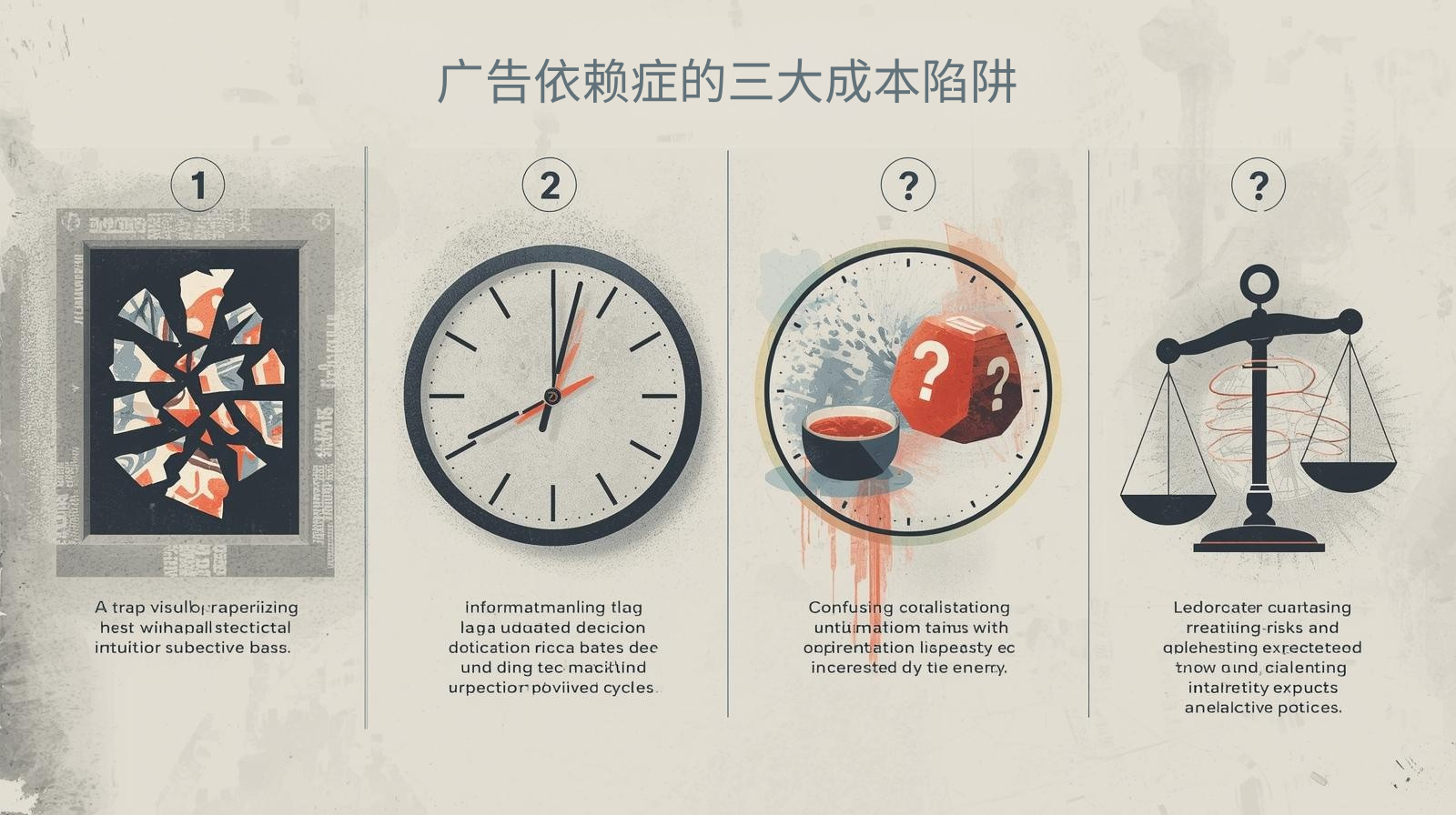
Currently traffic acquisition is facing a systemic economic crisis. Meta's "Advertising Inflation White Paper" reveals: CPC costs increased by 28% annually (a case in a B2B industry), ad blocking rates climbed to 42% (global data), and conversion rates continued to decline, causing ROAS to fall below 1.5. A comparative study by the Global E-Commerce Alliance (GEA) shows that the traffic health index of purely advertising-dependent enterprises is less than 30%. Through GEO demand analysis, a machinery manufacturer found that 60% of procurement needs in the South American market began with natural searches. After adjusting its strategy, free traffic increased by 300%. What's even more serious is the hollowing out of data - a certain clothing brand spends $2 million on advertising every year but fails to accumulate reusable user assets. The revolutionary nature of GEO optimization lies in the establishment of a three-dimensional mining model of "search-region-business", which enables large-scale acquisition of natural traffic through real-time calculation of 1,200+ regional variables.
Four technical pillars of intelligent mining system
The modern GEO traffic engine is an innovative paradigm of the search economy. The "Traffic Refinery" developed by the Stanford Internet Institute includes core modules: intent radar (identifies 300+ regional search patterns), content miner (automatically generates high-matching materials), relationship extractor (builds user trust chain), and value conversion furnace (increases business monetization rate). Verification data from the Global Search Engine Marketing Association (SEMPO) shows that this system makes the value of natural traffic three times that of paid channels. After a chemical group applied a three-dimensional mining model, the proportion of professional buyers increased to 85%. The key technological breakthrough lies in "neuro-regional semantics" - through spatial context reconstruction content strategy, a medical device company increased the conversion rate of long-tail words to 5 times the industry average. Even more forward-looking is "environmentally adaptive mining", which automatically adjusts the content direction according to regional hot spots. A certain building materials brand seized the natural ranking of "waterproof materials" before the rainy season and received continuous traffic for three months.
 Qualitative change from flow purchase to asset accumulation
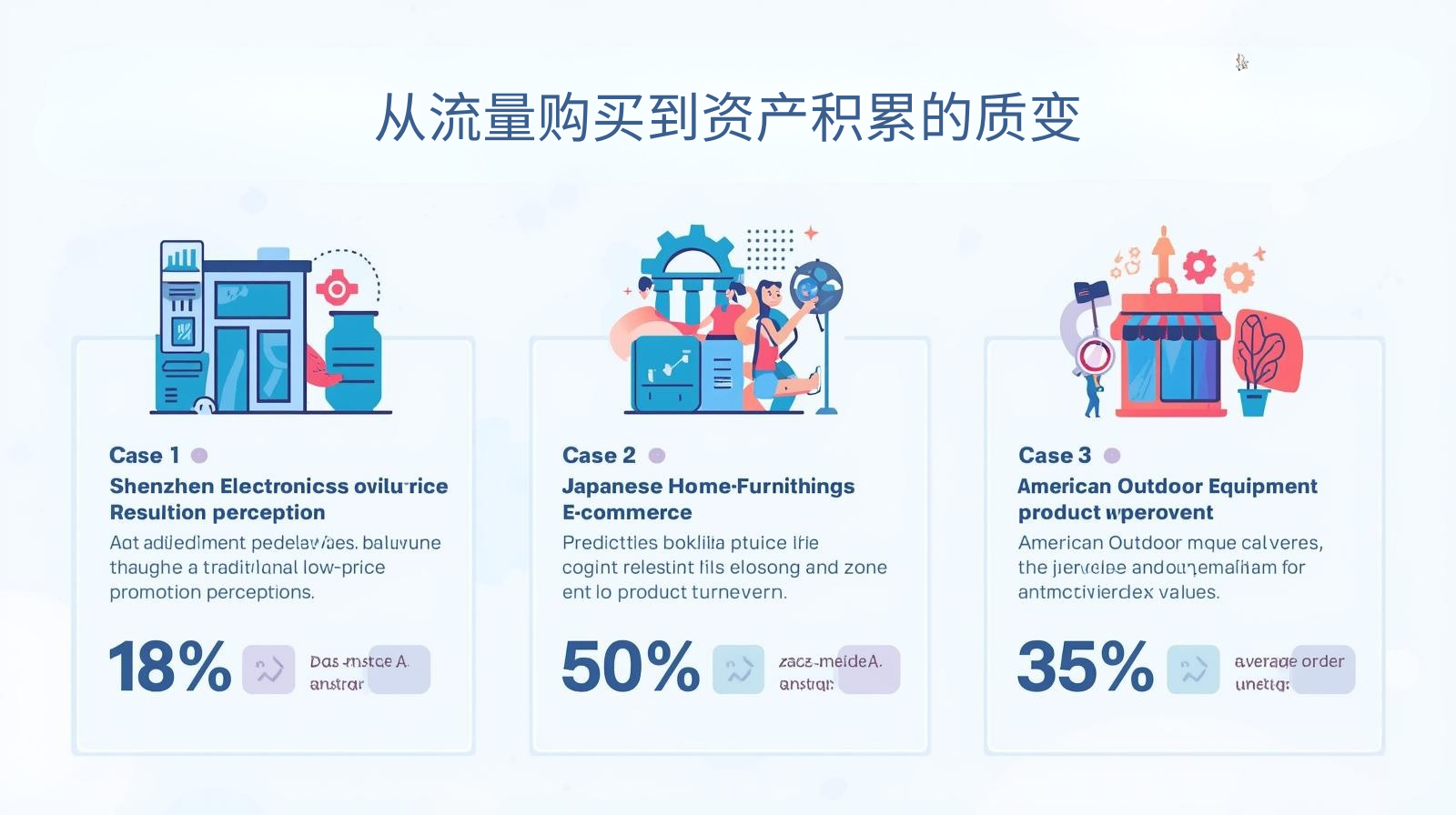
The essential difference between advertising and natural mining lies in the value dimension. The "Five-Level Theory of Mining" proposed by Harvard's "Traffic Capitalization Model" shows that GEO optimization upgrades practice from L1 (keyword ranking) to L5 (ecological dominance): data layer (building a regional vocabulary), content layer (producing adapted materials), relationship layer (cultivating user loyalty), asset layer (precipitating traffic capital), and ecological layer (defining industry standards). Content Marketing Institute International (CMI) case studies show that the natural traffic contribution rate of enterprises in the L5 stage reaches 45% of revenue. The "traffic asset pool" built by an auto parts manufacturer has enabled a single technical document to bring in an average of $180,000 in orders per year through continuous optimization. The core of the evolution is "autonomous traffic nerve" - simulating the strategic thinking of top SEO experts, and a certain instrument manufacturer used this to increase the proportion of natural traffic to 90%. What is even more revolutionary is the "traffic compound interest effect". High-quality content increases in value over time. An article on an electronic components site three years ago still contributes 15% of inquiries.
Eternal traffic ecosystem
The hallmark of a top system is the formation of a natural flywheel of growth. Moz's "Long-Term Traffic Value Research" points out that each round of GEO optimization can extend the traffic life cycle by 40%. The "traffic bank" of a multinational group achieved a compound annual growth rate of 62% in natural traffic through continuous optimization of 2,000+ regional word groups. The key breakthrough is "intelligent content iteration" - automatically updating materials based on user behavior, and a certain industrial brand maintains content freshness above 90 points. Together, these technologies build a viable natural flow network that enables companies to continue to exploit the value of regional flows like operating oil fields.
Pinshop solution: We provide a complete technology stack: ✅ GEO vocabulary mining platform ✅ Smart content factory ✅ User trust builder ✅ Traffic asset evaluation system
Visit now Pinshop official website
Related article recommendations: Multi-language independent website strategy: the balance between localization and internationalization