Today, with the booming global digital economy, content localization has become a key factor in the success of cross-border e-commerce. According to Common Sense Advisory, 75% of global consumers prefer to buy websites that provide native language content, while 56% believe that access to native language information is more important than price. However, real content localization is far beyond simple translation, which requires in-depth understanding and adaptation to the cultural values, shopping habits and communication methods of the target market. It is particularly noteworthy that Forrester's data shows that culturally adapted e-commerce websites receive an average of 70% higher conversion rates and 2.5 times customer residence time than pure translation sites. This significant difference highlights the commercial value of deep localization. What is even more alarming is that according to a survey by CSA Research, 40% of global consumers said they would never shop on non-native websites, and this proportion is even as high as 70% in certain markets such as Japan, France and South Korea. For companies that operate self-built multinational e-commerce websites, carefully designed content localization strategies can not only increase market penetration, but also establish differentiated competitive advantages and create true cross-cultural emotional connections. This article will explore how to build a systematic content localization framework to help foreign trade companies break through cultural and language barriers and achieve brand recognition and sustainable growth in the global market.
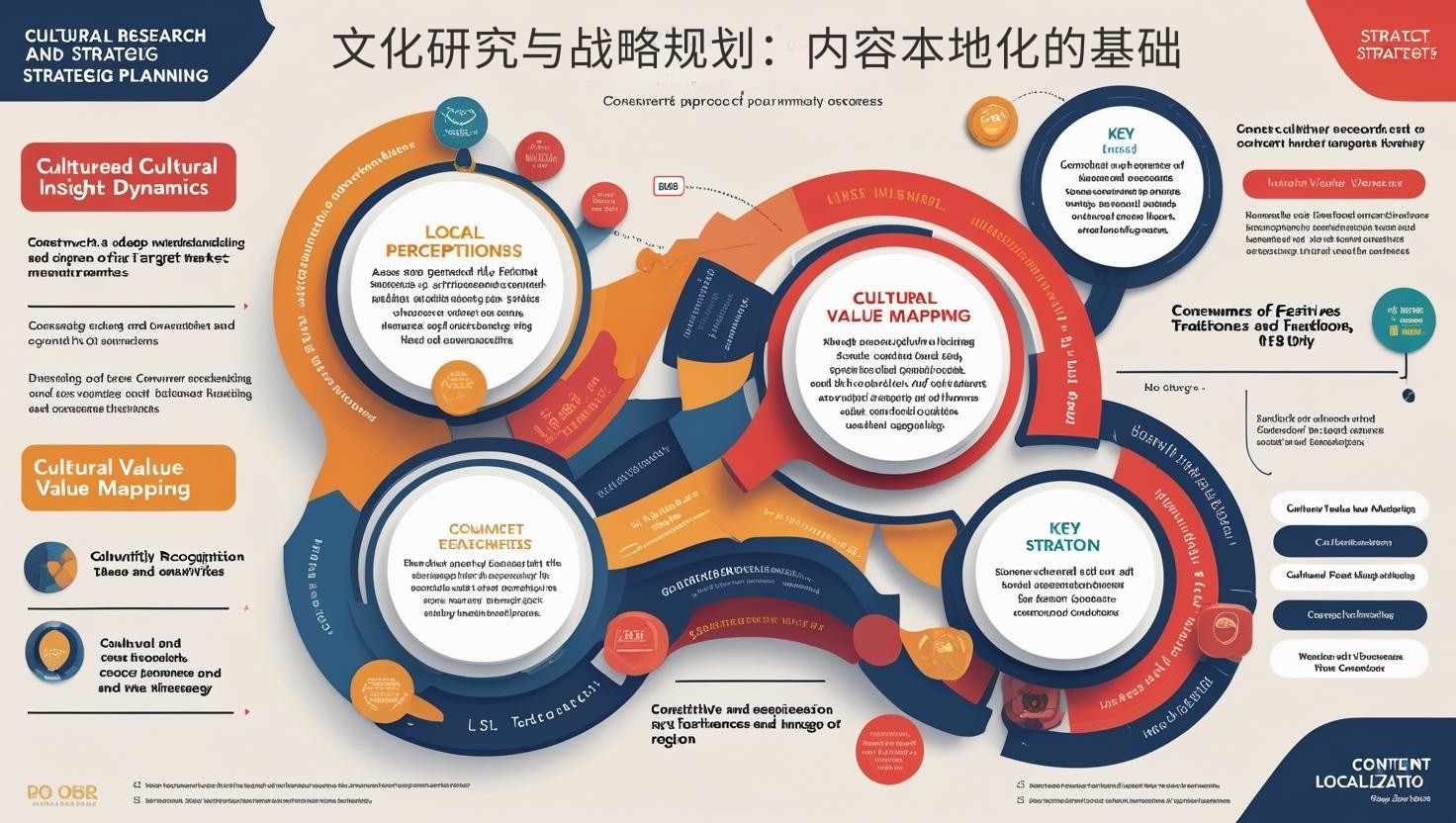 Cultural Research and Strategic Planning: The Basics of Content Localization
Strategic planning determines the effectiveness of localization. According to McKinsey's research, localization strategies based on in-depth cultural research improve ROI by as much as 125% on average than simple translation.
Building a deep cultural insight system
-
Target Market Culture Research: Carry out systematic cultural research to understand core values and social norms; analyze subtle differences in language habits and expressions; study consumption behaviors and decision-making paths in target markets; evaluate the perception of brand concepts and product functions in local culture; examine the cultural meanings of colors, symbols and images; understand cross-cultural taboos and sensitive points; pay special attention to differences in festivals, traditions and time concepts. A key strategy is "cultural value mapping", which explicitly connects product functions with local cultural values, and studies show that this approach can increase brand identity by about 52% because it establishes an emotional connection between the product and local identity.
-
Differentiated localization strategy: Create market-specific localization in-depth strategies, allocate resources according to cultural distance and market importance; develop a hierarchical localization framework, from basic translation to complete cultural reconstruction; consider the balance between brand core and local flexibility; design localization priorities for different customer journey stages; evaluate competitors' localization strategies and effects; create localized return on investment models to guide resource allocation; pay special attention to the strategic differences between emerging and mature markets. Research shows that enterprises that adopt differentiated localization strategies improve cross-market efficiency by about 34% on average compared to unified strategies, while saving about 28% of localization costs.
-
Local market testing and verification: Establish a local user testing mechanism to obtain real cultural feedback; form a local consultant team to provide continuous cultural guidance; consider small-scale localization pilots to verify the effect of cultural adaptation; implement A/B tests to compare the effects of different cultural adaptation programs; collect direct feedback from local customers to understand cultural identity; create a continuous improvement cultural learning cycle; pay special attention to the identification of implicit cultural assumptions and unconscious biases. An efficient method is the "cultural co-creation model", which invites actual users of the target market to participate in the localization process. Research shows that this participatory approach can increase cultural adaptation accuracy by about 47%, while enhancing users' emotional connection to the brand.
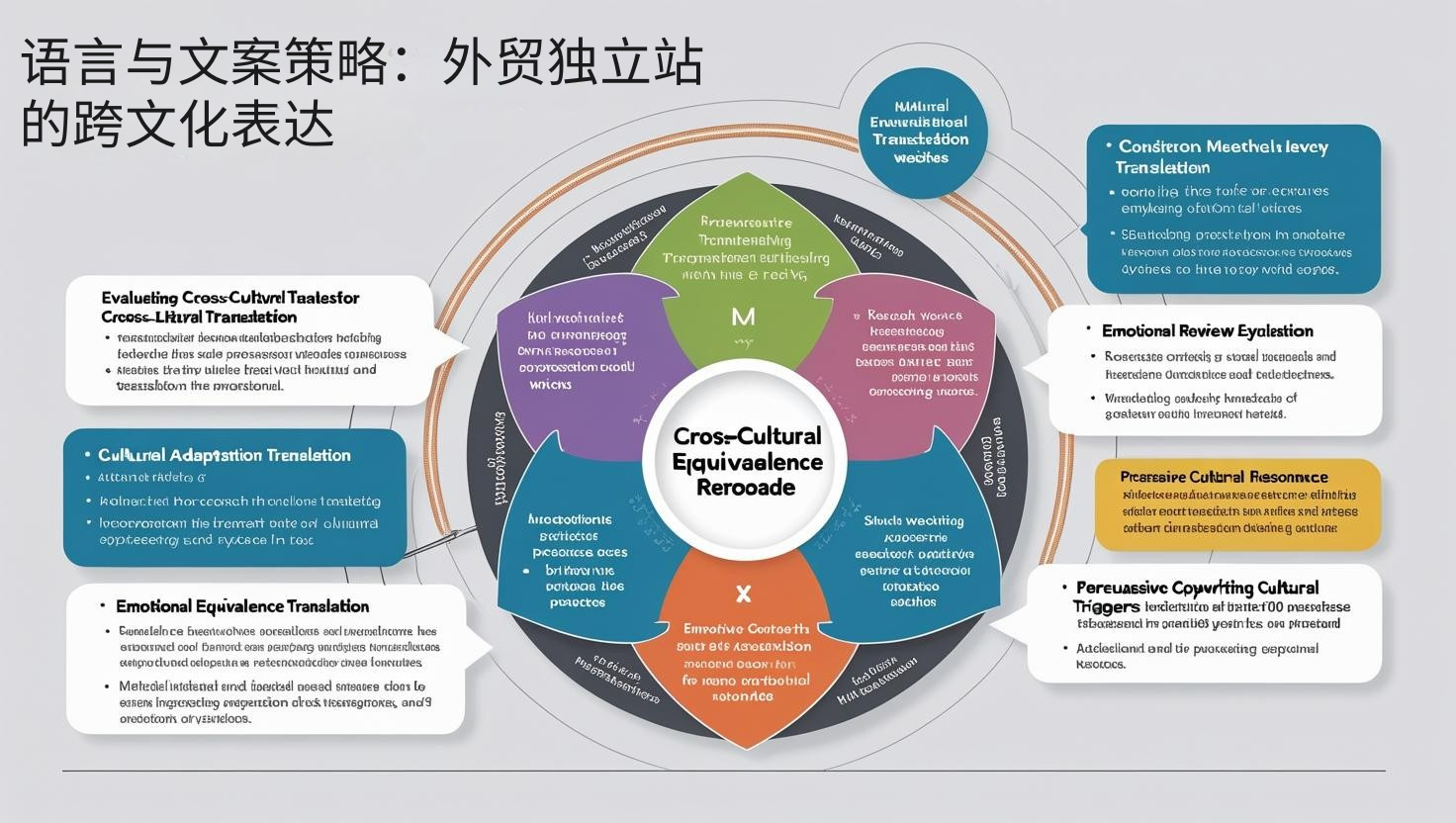 Language and copywriting strategy: Cross-cultural expression of independent foreign trade websites
Language strategies affect emotional connections. According to Nielsen Norman Group's research, localized copywriting gets an average of 64% higher emotional resonance and 32% better information retention than literal content.
Building a cross-cultural language system
-
Translation quality and cultural adaptation: Evaluate the applicable scenarios of machine translation, manual translation and hybrid methods; establish an industry professional term base to ensure professional accuracy; implement cultural adaptation processes beyond literal translation; consider the rational use of dialects, idioms and local expressions; develop workflows for content rewriting rather than literal translation; implement multi-layer review mechanisms to ensure natural and smooth language; pay special attention to the cross-cultural transformation of humor, metaphor and emotional expression. An advanced strategy is "emotional equivalent translation", which pursues consistency of emotional responses rather than word consistency. Studies have shown that this approach can increase the emotional impact of brand information by about 59%, bridging the gap in cultural expression.
-
Persuasive copywriting and cultural resonance: Analyze the persuasive elements and purchase trigger points in different cultures; adjust value propositions to match local cultural values and needs; consider differences in communication styles such as direct vs indirect, individual vs collectives; adapt to the logical argumentation and balance of emotional appeals of different cultures; adjust the expression of urgency and scarcity information; develop culturally-related narrative and story elements; pay special attention to the trust establishment mechanism and proof methods of different cultures. Research shows that persuasive copywriting in cultural adjustment increases conversion rate by about 37% on average compared to standardized copywriting because it is more consistent with the target audience's inherent values and decision-making patterns.
-
Multilingual content management: Establish a centralized multilingual content management system to ensure version control; develop a modular content structure to facilitate translation and localization; create cultural adaptation guides to guide the localization depth of different types of content; implement translation memory technology to improve consistency and efficiency; consider content update synchronization strategies to avoid language version inconsistencies; establish a translation quality evaluation framework and feedback loop; pay special attention to multilingual optimization of SEO elements and keywords. An efficient approach is the "core-variant content structure", which keeps core information consistent and flexibly adjusts expressions. Research shows that this approach can improve the efficiency of multilingual content management by about 40%, while maintaining brand consistency and cultural adaptability.
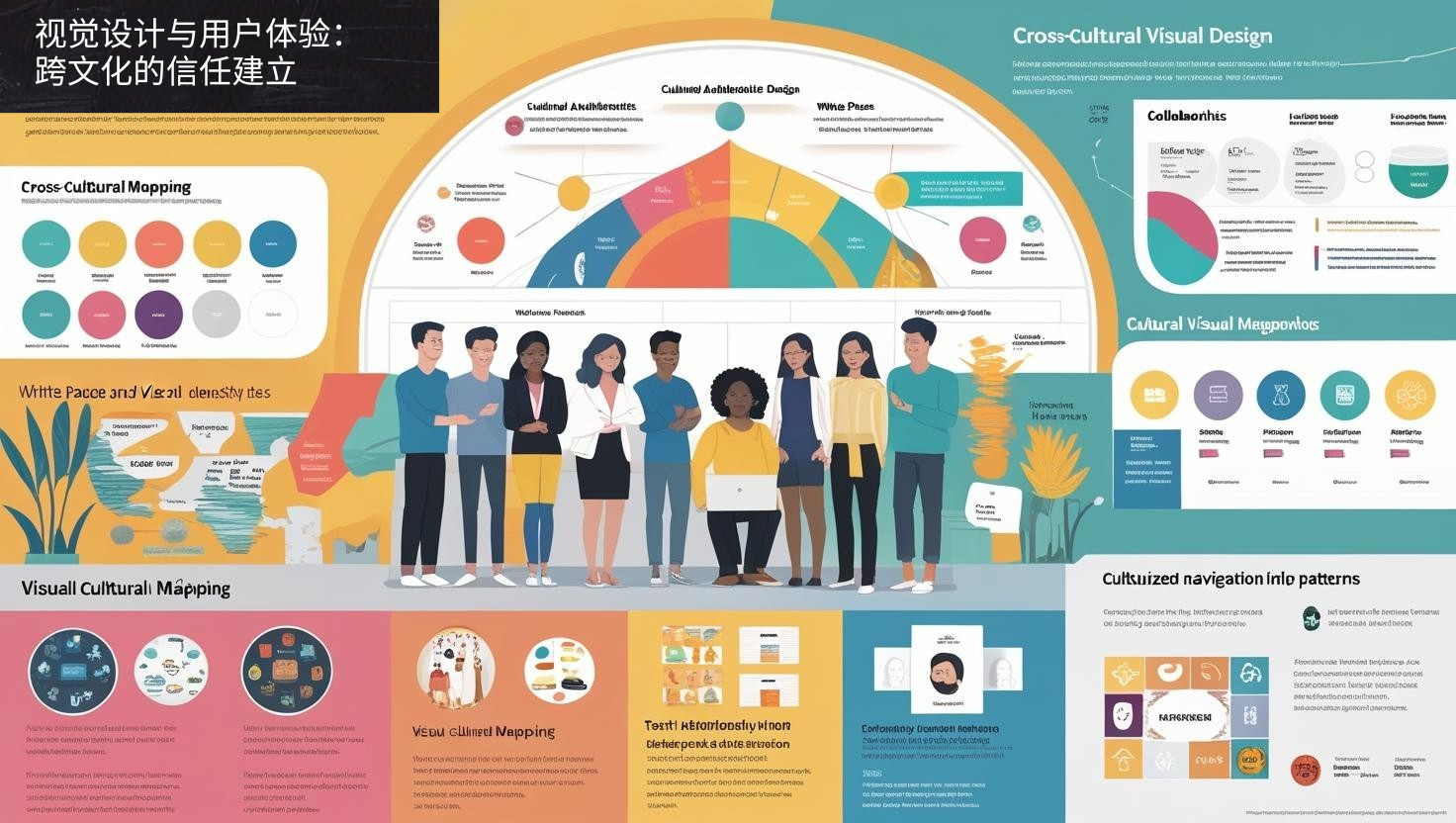 Visual Design and User Experience: Building Cross-cultural Trust
Visual experience conveys cultural information. According to Adobe's research, culturally accultured visual design improves user trust by 38% and brand identity by 42% on average than standardized interfaces.
Building a multicultural visual trust system
-
Cross-cultural visual design: Analyze the aesthetic preferences and visual interpretation habits of different cultures; adjust the color scheme to consider the symbolic meaning and emotional connection of cultures; adapt to the white space and visual density preferences of different cultures; consider the cultural representativeness and authenticity of image selection; develop layout and navigation patterns that meet local expectations; adjust icons and symbols to ensure consistent cultural understanding; pay special attention to the combination of text and visual elements and reading habits. A key strategy is "visual culture mapping", which systematically analyzes visual language preferences and symbolic systems in different cultures. Research shows that this approach can increase first impression enthusiasm by about 45%, significantly affecting initial trust establishment.
-
Localized User Experience Design: Consider the expectations of different cultures for website structure and information levels; adjust the interaction model to adapt to the interaction preferences of direct vs indirect cultures; design forms and checkout processes that conform to local habits; adapt to the information density and degree of detail preferences of different cultures; develop culturally specific trust signs and guarantee elements; consider local payment preferences and security cognitive differences; pay special attention to the cultural adaptability of mobile experiences. Research shows that localized user experience design reduces the abandonment rate by about 29% compared to standardized experience on average, while increasing the conversion rate by about 33%, proving the importance of cultural adaptation for users' journeys.
-
Cross-cultural product display: Adjust the product presentation method to highlight the product characteristics that culture values; adapt to different cultures' preferences for detailed and technical information; consider the real display of local usage scenarios and environments; develop culturally related product combinations and matching suggestions; adjust product size and specification display to match local reference systems; create culturally adapted product classification and navigation structure; pay special attention to product evaluation and social proof display of different cultures. An advanced strategy is "cultural scene display", presenting products in real local life scenarios, and studies have shown that this approach can increase product understanding by about 49%, while enhancing emotional connections and willingness to buy.
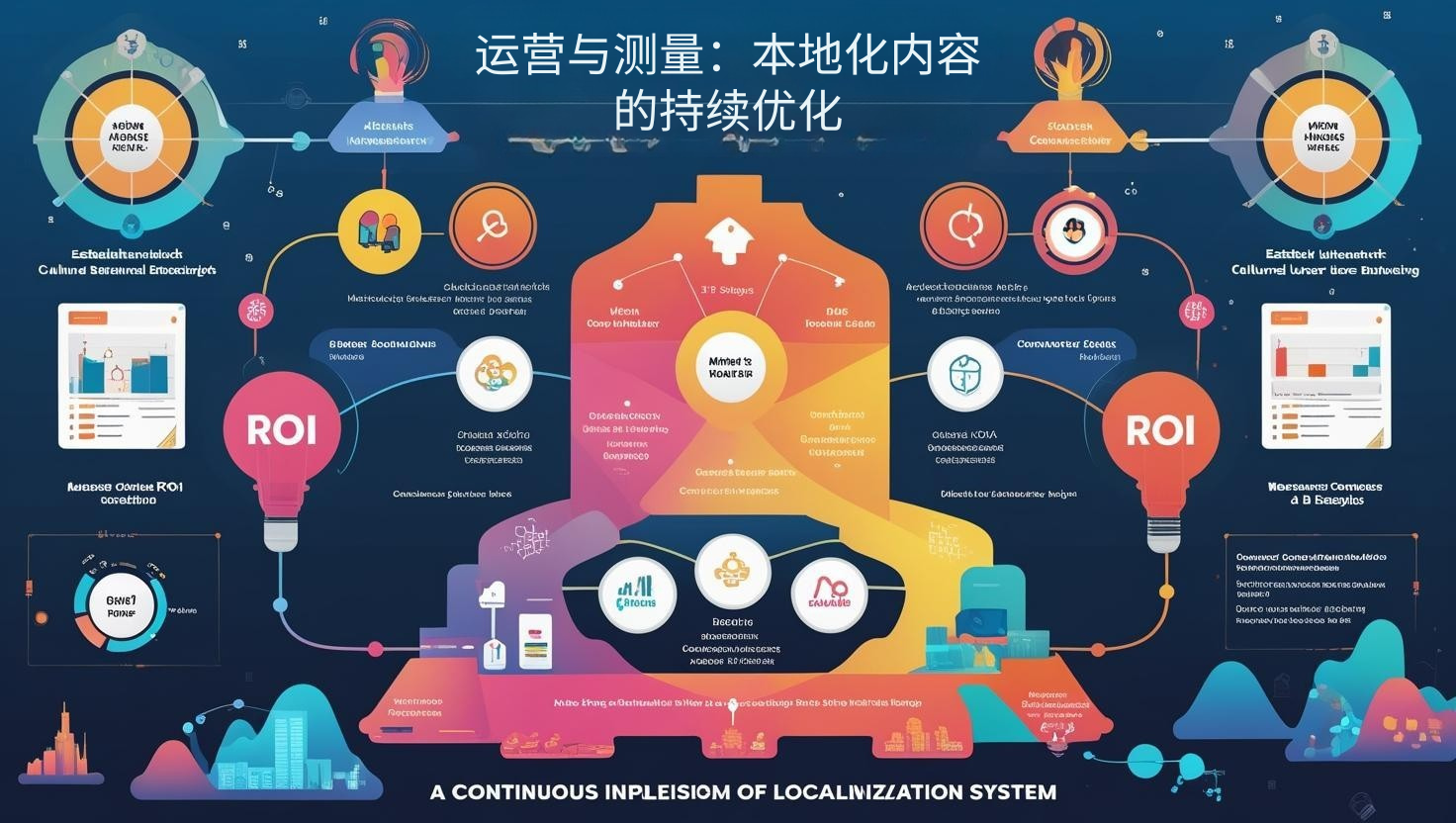 Operations and Measurement: Continuous Optimization of Localized Content
Measurement and optimization are key. According to HubSpot's research, companies that continuously optimize localized content achieve an average of 52% higher participation rate and a 38% better conversion rate than competitors with one-time localization.
Build a data-driven localization system
-
Cross-cultural data analysis: Establish market-specific KPIs and success indicators to exceed unified standards; analyze differences in user behavior patterns and preferences in different cultures; examine cultural variations in transformation paths and decision-making points; evaluate the influence of different content elements in each culture; compare the correlation between localization depth and business results; create a localized ROI measurement framework to guide resource allocation; pay special attention to the differences in attitudes of different cultures towards data privacy and personalization. An advanced approach is "Comparative Analysis of Cultural Behaviors", which systematically compares the differences in the effects of the same website elements in different cultures. Studies have shown that this approach can find about 35% of hidden optimization opportunities because it identifies culturally specific behavior patterns.
-
Continuous localization improvement: Implement the A/B testing framework to verify the effectiveness of different localization strategies; establish a local user feedback collection and analysis system; develop a local content iteration cycle and priority framework; consider cultural trend monitoring, track changes in local values and preferences; create cross-market learning mechanisms to share successful strategies and experiences; implement regular localized audits to identify improvement opportunities; pay special attention to content adaptation of seasonal and cultural events. Research shows that companies that implement systematic localization optimization processes increase market penetration by about 43% on average compared to static localization because they are able to continuously adapt to the ever-changing cultural environment.
-
Local teams collaborate with global: Design a collaborative framework and responsibility division between local and global teams; create a knowledge sharing platform to promote cross-cultural learning and insight exchange; consider a hybrid team structure to balance local insights and global consistency; develop localized decision-making models to clarify the boundaries between global control and local autonomy; establish cultural intelligence training programs to enhance teams' cross-cultural capabilities; implement best practice sharing mechanisms to accelerate cross-market learning; pay special attention to cultural conflict management and resolution mechanisms. A successful strategy is the "Cultural Ambassador Project", which designates team members from different markets as cultural connection points, and studies show that this structure can improve cross-cultural communication efficiency by about 47%, while reducing cultural misunderstandings by about 38%.
Today, with increasingly fierce global market competition, in-depth content localization has become a key competitive advantage for cross-border e-commerce. Through systematic cultural research, precise language adaptation, resonant visual design and continuous data optimization, enterprises can break through cultural barriers and establish true cross-cultural emotional connections. The key is to understand that localization is not only a language transformation, but also a deep cultural adaptation and value resonance. While maintaining the core of the brand, we must create an experience that truly resonates with the local audience.
Related articles recommended:https://pinshop.cn/zh-Hans/blog/what-is-independent-site-for-business