
 Search Engine Strategy: The Traffic Cornerstone of Self-built Cross-border Websites
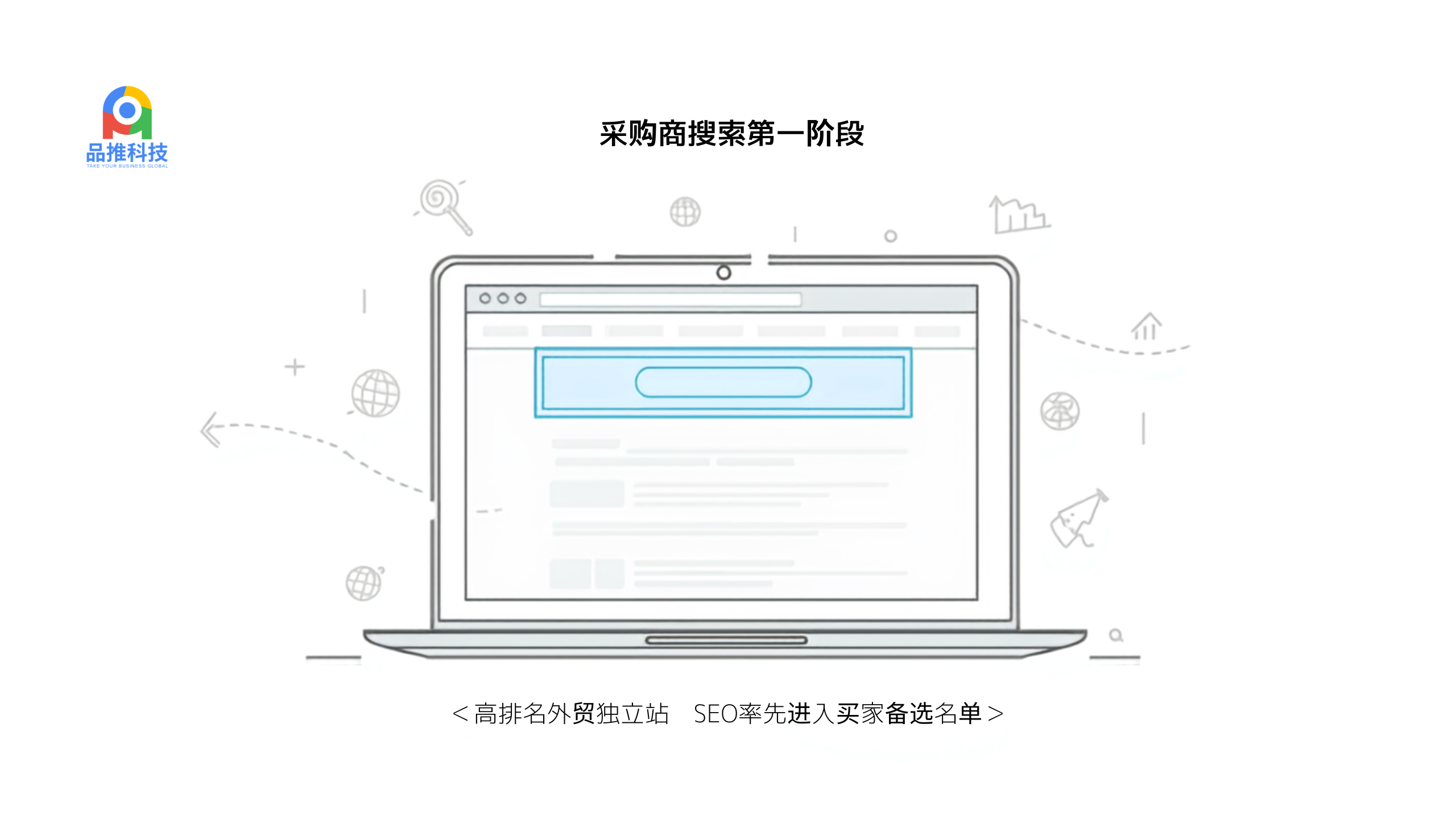
Search engine traffic is one of the most valuable channels. According to BrightEdge research, organic search contributes an average of 53.3% of website traffic and has a conversion rate approximately 300% higher than social media traffic.
Build a Diverse Search Engine Traffic Strategy
-
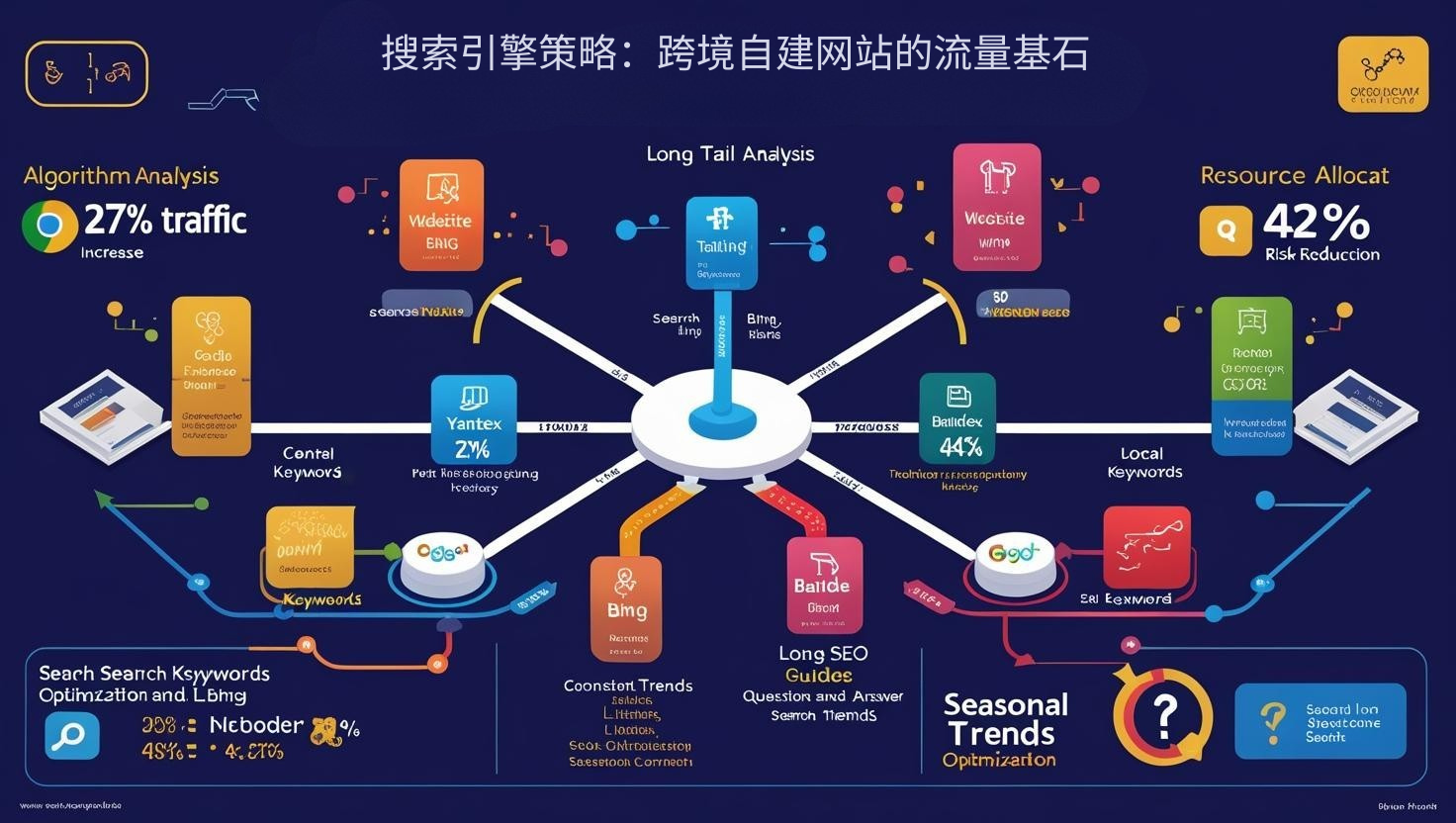
Multi-SEO and Differentiated Strategies: Expand beyond Google to regional search engines like Bing, Yandex, and Baidu; analyze and adapt to the differences in algorithm preferences and ranking factors among each search engine; create a target market search engine market share analysis and prioritization; design a resource allocation model for core and regional search engines; consider specialized optimization for vertical search engines (such as product and image search); implement a search engine diversity risk hedging strategy; and pay special attention to local SEO opportunities in emerging markets. Research shows that expanding SEO strategies to search engines beyond Google can increase overall search traffic by approximately 27% while reducing algorithm volatility risk by approximately 42%.
-
Long-Tail Keywords and Content Diversification: Develop a long-tail keyword strategy that goes beyond mainstream competitive keywords; create keyword thematic clusters rather than single keyword targeting; consider content optimization for question-and-answer and conversational search; evaluate the search performance of different content types (such as lists, guides, and tutorials); research and plan for seasonal and trending keywords; design a strategy that balances breadth and depth of keyword coverage; and pay special attention to search habits and word usage differences across different markets. A highly effective approach is "content hierarchy optimization," which systematically organizes content from basic to advanced. Research shows that this approach can increase long-tail traffic by approximately 38% while reducing reliance on head keywords.
-
Technical SEO and User Experience Optimization: Implement technical optimization for multiple device types and mobile-first optimization; establish a continuous improvement system for page speed and Core Web Index; consider the strategic use of structured data and rich snippets; evaluate the correct implementation of international SEO and hreflang tags; research page structure and internal link weighting optimization; design a search engine-friendly site architecture and URL structure; pay special attention to technical limitations and connection speed differences in different regions. Research shows that systematic technical SEO optimization can increase search traffic stability by approximately 56% while reducing the negative impact of algorithm updates by approximately 33%, making it a critical foundation for traffic diversification.
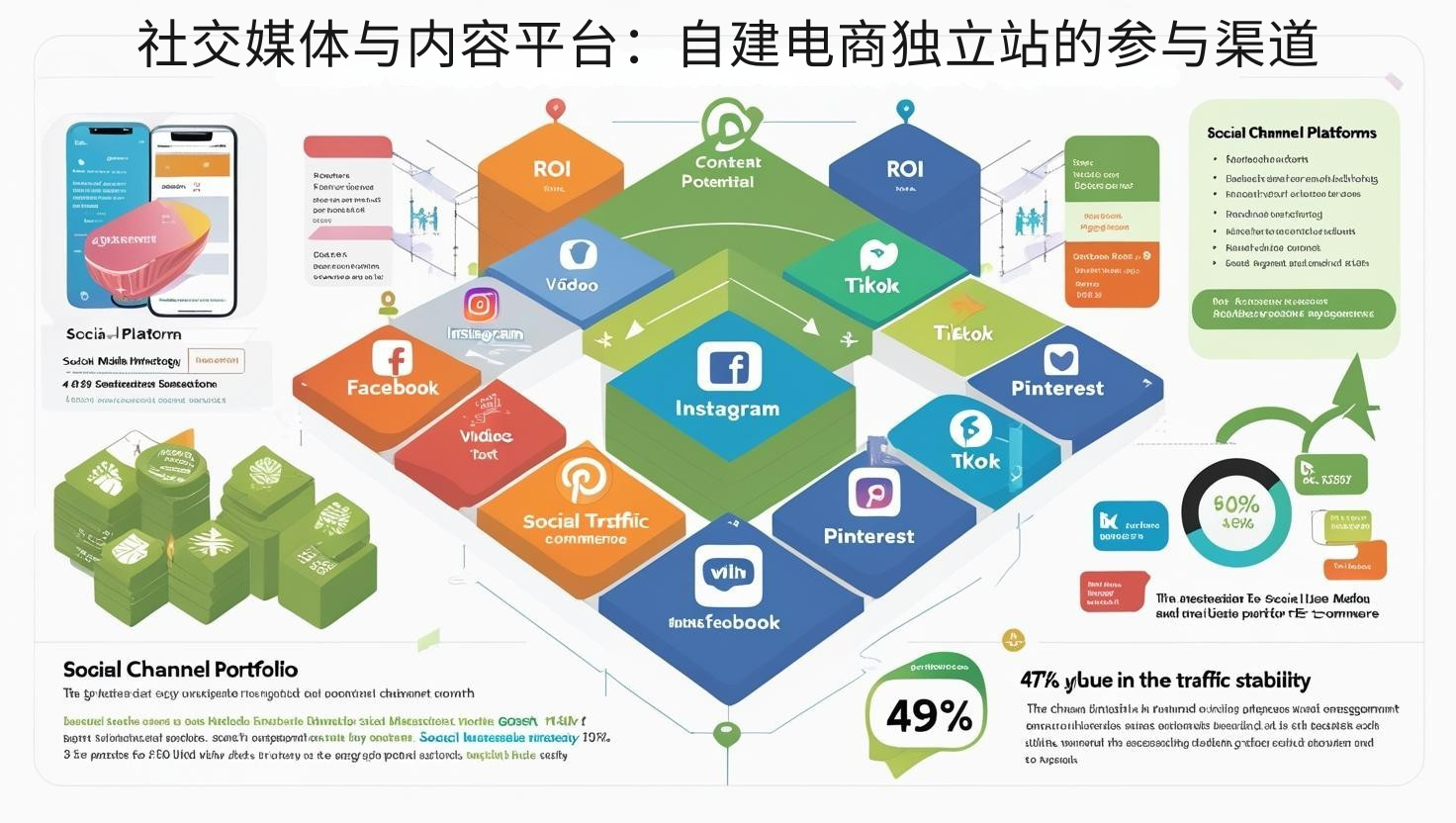 Social Media and Content Platforms: Engagement Channels for Building Your Own E-commerce Independent Website
Social media is a key channel for diversifying traffic. According to Hootsuite research, an effective social media strategy can contribute an average of 28% of website traffic and increase brand engagement by up to 71%.
Build a Multi-tiered Social Traffic System
-
Multi-platform Social Strategy and Content Differentiation: Analyze and select the social platform combination that best matches the target audience; create a resource allocation model for primary, secondary, and experimental platforms; consider content formats and engagement preferences across different social platforms; evaluate platform-specific optimizations for images, videos, and text content; research social platform algorithms and prioritized content; design content synergies and cross-promotions across platforms; and pay special attention to early-stage opportunities on emerging social platforms. An effective framework is the "social channel portfolio," which allocates resources based on a balance of ROI, growth potential, and risk. Research shows that this approach can increase social traffic stability by approximately 47% while optimizing return on investment.
-
Content Value and Engagement Strategy: Create valuable content and knowledge sharing that goes beyond sales; develop a balanced strategy for educational, entertaining, and inspiring content; consider incentives for user-generated content and community participation; evaluate the engagement effects of content sequencing and storytelling; research conversion paths and attribution models for different content formats; design a resource balance between seasonal and evergreen content; and pay special attention to differences in content preferences across different market cultures. Research shows that value-focused content strategies generate an average of 3.2 times more engagement and 2.7 times more sharing than purely promotional content, while also building more lasting audience relationships.
-
Social Channel Collaboration and Data Integration: Establish a unified view for cross-platform analysis and performance comparison; create a framework for integrating social data with website analytics; consider the correlation between social interactions and e-commerce conversions; evaluate the traffic quality and behavioral characteristics of different social channels; research cross-cultivation of social audiences with other channels such as email; design personalized website experiences based on social data; and pay special attention to the impact of privacy changes on social data integration. One advanced approach is an "omnichannel audience view," which integrates data from various platforms to create a unified user profile. Research shows that this integration can increase multi-channel marketing efficiency by approximately 39% while also improving attribution accuracy.
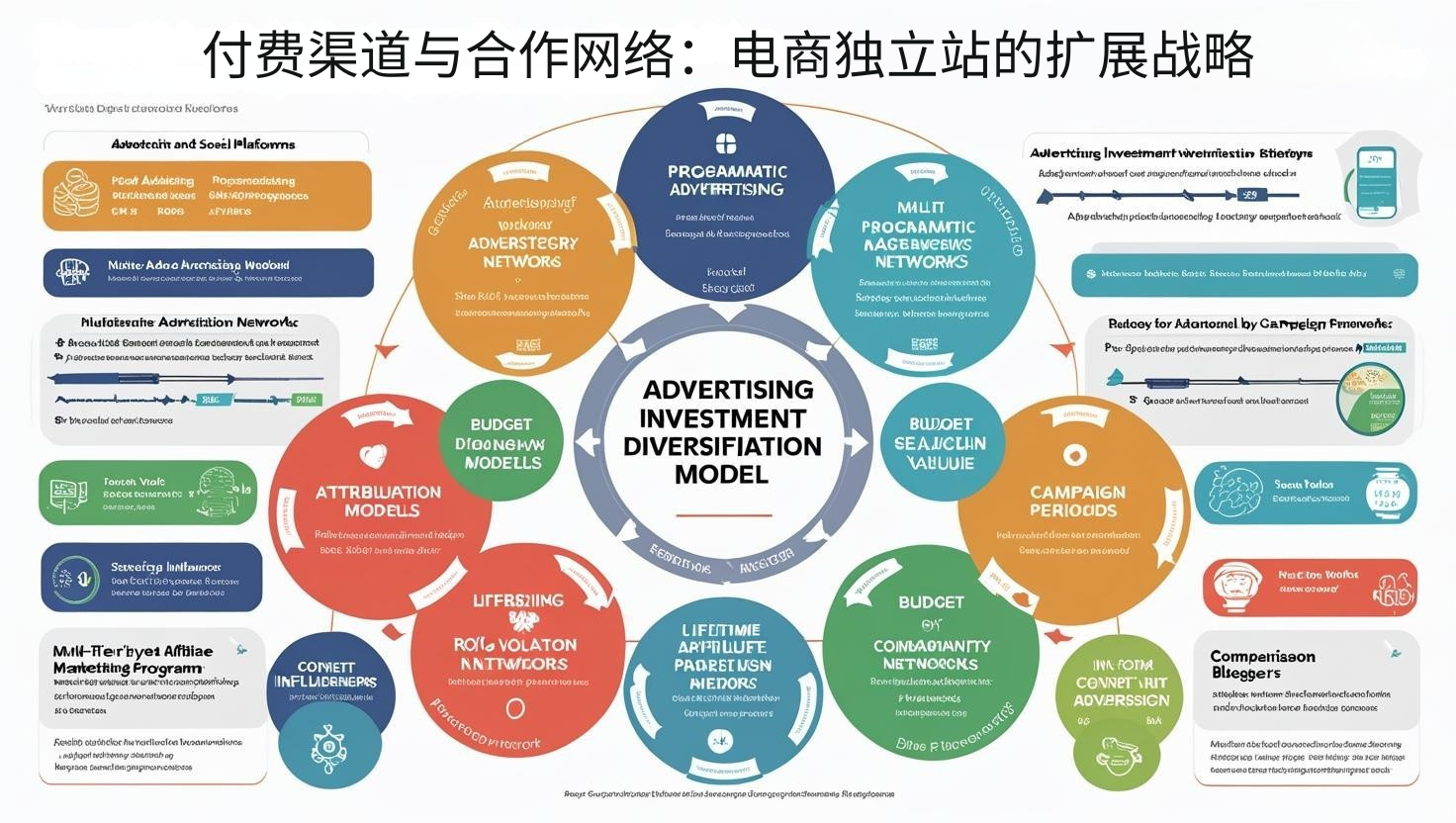 Paid Channels and Partner Networks: Strategies for Expanding an E-commerce Standalone Website
Paid channels are a key pillar of rapid expansion. According to WordStream research, a diversified paid strategy achieves an average 42% lower customer acquisition cost and a 57% higher ROI than a single-channel campaign.
Build a Diversified Paid Customer Acquisition System
-
Paid Advertising Channel Diversification and Risk Management: Develop a balanced mix of search, display, and social advertising; create budget allocation models for primary and backup advertising platforms; consider the complementary roles of native advertising and content discovery networks; evaluate the efficiency of programmatic advertising versus direct buys; research the lifetime value and attribution models of different ad formats; design budget adjustments specifically for seasonality and campaigns; and pay special attention to testing and evaluation frameworks for emerging advertising platforms. One strategic approach is the "advertising investment diversification model," allocating budgets to at least 3-5 core channels. Research shows that this diversification can reduce ROI volatility risk by approximately 51% while improving overall marketing efficiency.
-
Affiliate Marketing and Influencer Partnership Network: Establish multi-tiered affiliate marketing programs and partner networks; create partnership strategies for different influencer types (from micro-influencers to KOLs); consider long-term partnerships with content creators and professional bloggers; evaluate the strategic value of comparison sites and recommendation platforms; research partnership models for experts and opinion leaders in specific verticals; design diverse performance-based commission structures; and pay special attention to the maturity differences in affiliate marketing ecosystems across different markets. Research shows that expanding affiliate marketing to more than five verticals can increase traffic source stability by approximately 43% and optimize customer acquisition costs by approximately 35%.
-
Market and Channel Partnership Strategy: Analyze the traffic generation value of third-party marketplaces and vertical e-commerce platforms; develop user migration strategies from closed platforms to owned websites; consider end-user engagement opportunities in wholesale and B2B channels; evaluate the value of partnerships with industry portals and professional communities; research the cross-marketing potential of complementary product brands; design a multi-tiered distribution and referral system; and pay special attention to differences in channel structure and user habits across regions. An integrated strategy is the "ecosystem marketing model," which positions brands within a broader network of solutions. Research shows that this approach can increase channel traffic contribution by approximately 38% while reducing reliance on direct marketing by approximately 42%.
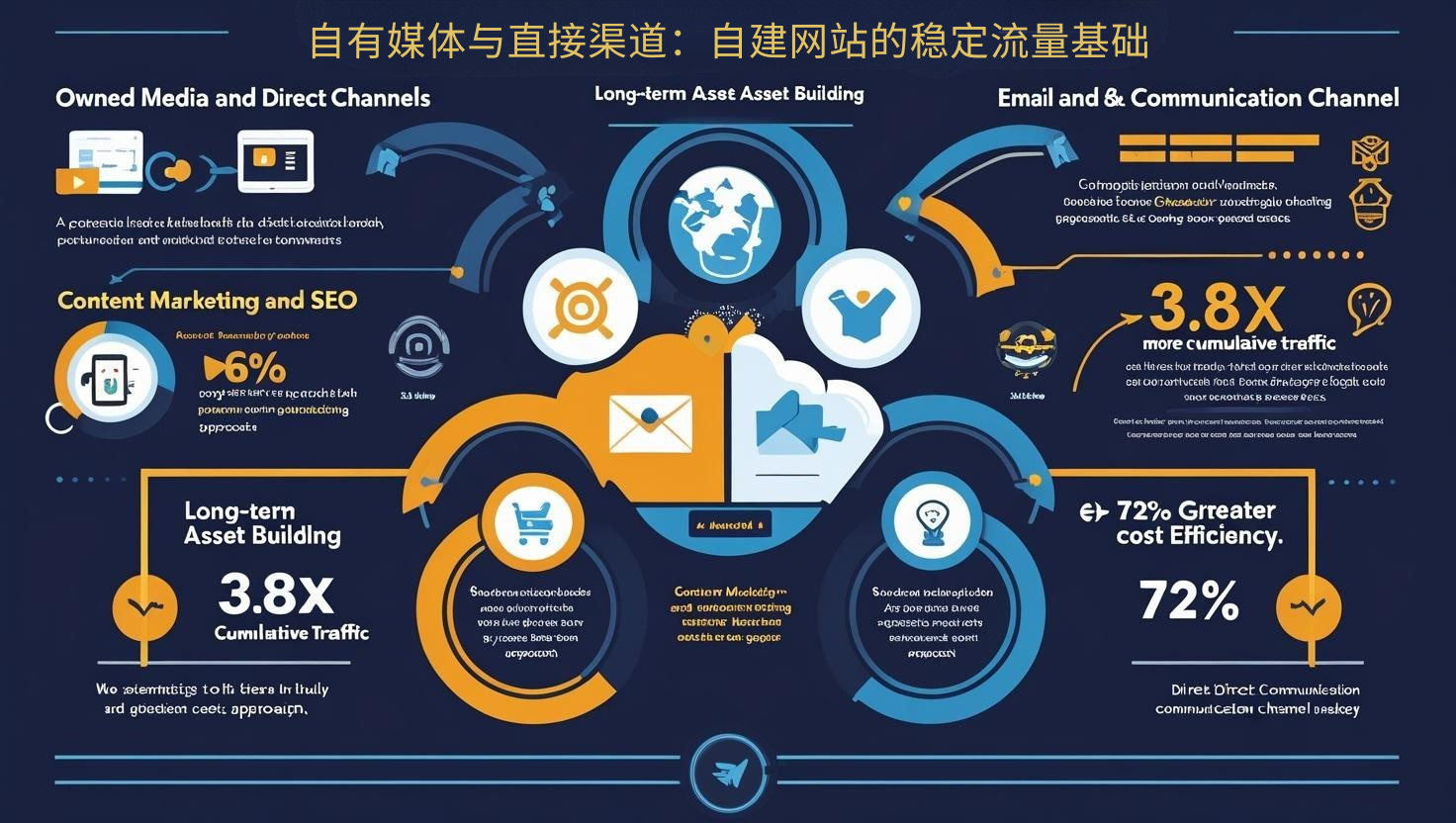 Owned Media vs. Direct Channels: A Stable Traffic Foundation for Self-Built Websites
Owned media is the most stable source of traffic. According to research by the Content Marketing Institute, a strong owned media strategy can reduce customer acquisition costs by an average of 62% while increasing customer lifetime value by approximately 41%.
Building Controllable Long-Term Traffic Assets
-
Content Marketing and SEO: Building Long-Term Assets: Developing content pillars for education, solutions, and thought leadership; creating content maps and coverage for different stages of the buyer's journey; considering a comprehensive multimedia content strategy (blogs, videos, podcasts); evaluating the resource balance between core content and seasonal content; researching content design methods for search and social collaboration; developing a systematic process for content updates and optimization; and paying special attention to content localization strategies for different languages and markets. Research shows that a systematic content asset strategy generates an average 3.8 times more cumulative traffic and approximately 72% greater cost efficiency than ad-hoc content creation.
-
Email and Direct Communication Channel Optimization: Establish a multi-tiered email subscriber acquisition and nurturing process; create value-driven email content and engagement strategies; consider advanced applications of audience segmentation and personalized content; evaluate the development of automated sequences and triggered email systems; explore the complementary roles of mobile messaging and app push; design direct channels for loyalty programs and memberships; and pay special attention to communication preferences and privacy regulations in different markets. A high-level strategy is a "full lifecycle email matrix," which creates tailored content for each stage of the customer journey. Research shows that this system can increase email traffic by approximately 65% while significantly improving customer retention.
-
Community Building and User-Generated Content Activation: Develop user communities and engagement platforms around your brand or product; create incentives and showcase mechanisms for user-generated content; consider identifying and cultivating expert users and advocates; evaluate the value of participating in community events and online challenges; explore systematic collection of customer stories and use cases; and design methods to foster interaction and support among community members; paying particular attention to the differences in community participation motivations across cultural backgrounds. Research shows that active community members generate an average of 3.5 times more referral traffic and 2.7 times the repurchase rate of regular customers, making them a core asset in your organic traffic.
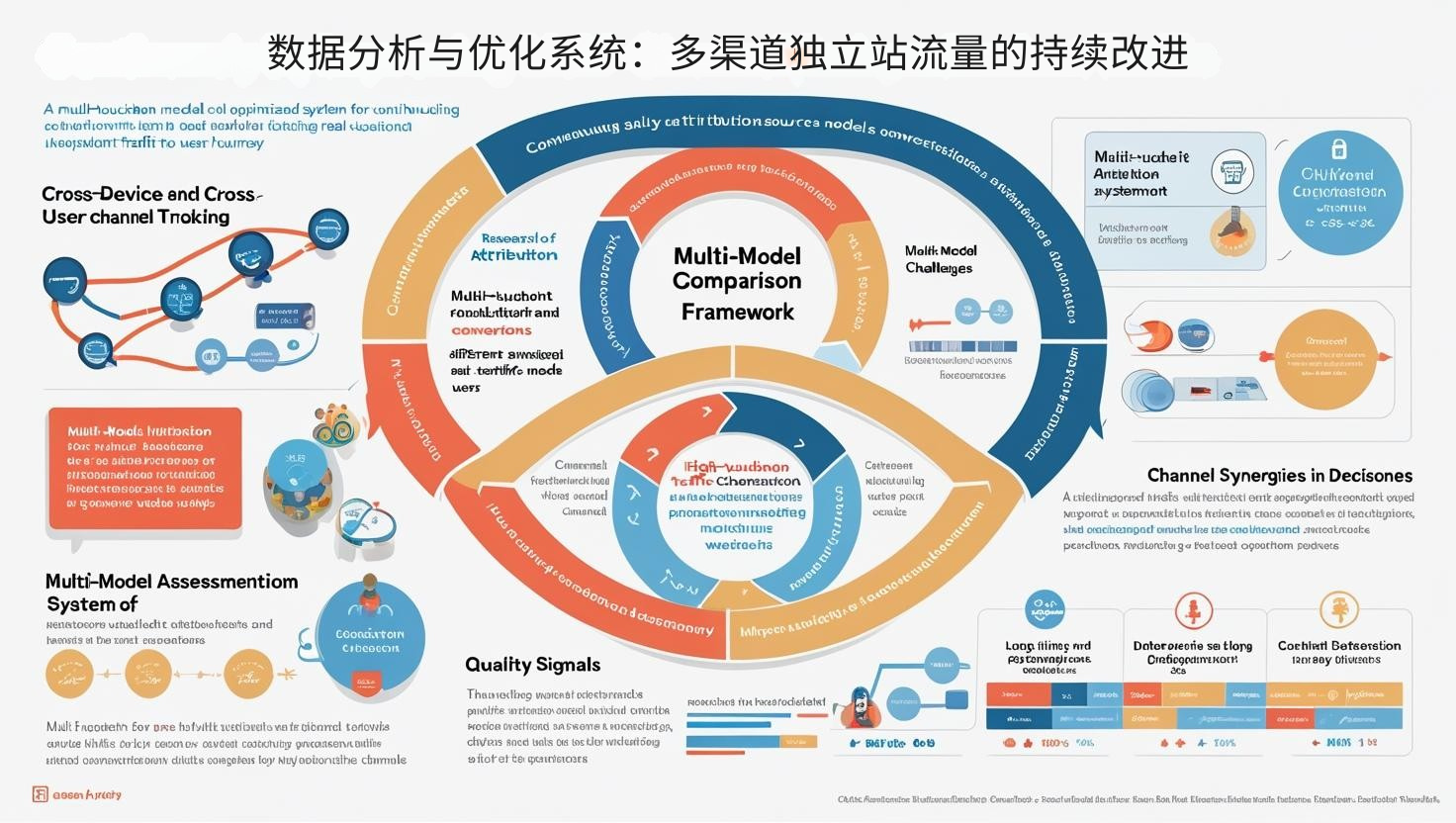 Data Analysis and Optimization System: Continuous Improvement of Multi-Channel Independent Website Traffic
Data-driven decision-making is key to successful traffic diversification. According to McKinsey research, data-based channel optimization improves marketing efficiency by an average of 23% compared to empirical decisions, while reducing customer acquisition costs by approximately 35%.
Building a Decision-Making System for Diversified Traffic
-
Multi-channel Attribution and Comprehensive Analysis Framework: Create a multi-touchpoint attribution model that reflects the real user journey; develop a cross-device and cross-channel user path tracking system; consider methods for valuing direct and assisted conversions; evaluate the applicable scenarios and limitations of different attribution models; research the characteristics and commonalities of high-value traffic sources; design an analysis of channel synergies and interactions; and focus on the attribution challenges of long purchase cycles and multi-touchpoint decisions. An advanced approach is the "multi-model comparison framework," which simultaneously applies multiple attribution models and analyzes the differences. Research shows that this approach can improve marketing decision accuracy by approximately 37% and avoid the bias of a single model.
-
Traffic Quality and Channel Efficiency Assessment: Establish a quality assessment metric system that goes beyond traffic quantity; create channel-specific KPIs and expected behavior benchmarks; consider quality signals such as user engagement and depth of interaction; assess the long-term value and retention characteristics of users across different channels; study differences in user quality and conversion propensity across channels; design ROI assessments that balance costs and benefits; and pay special attention to differences in quality metrics across markets and product categories. Research shows that channel optimization based on multi-dimensional quality assessments increases overall conversion rates by an average of approximately 41% and customer value by approximately 37% compared to traffic optimization alone.
-
Experimentation Culture and Continuous Optimization Cycle: Develop a systematic approach to multi-channel A/B testing and content experimentation; establish a decision-making framework for channel testing priorities and resource allocation; consider the balance between small-scale, rapid experiments and large-scale validation; implement a structured experimentation process for evaluating emerging channels and tactics; study responses to market changes and competitive dynamics; and develop a learning-oriented, rather than purely results-oriented, experimental culture; with a special focus on testing strategies for international expansion and new market entry. A systematic approach is the "Growth Experimentation Matrix," which coordinates testing across channels to uncover synergies. Research shows this approach can accelerate marketing learning by approximately 43% while optimizing overall channel portfolio efficiency.
Amidst increasingly fierce global e-commerce competition, traffic diversification has evolved from a strategic choice to a survival imperative. By building a balanced search engine strategy, a multi-layered social media presence, a diverse portfolio of paid channels, and a strong portfolio of owned media assets, foreign trade companies can significantly reduce the risk of relying on a single channel and establish a more stable and sustainable growth model. The key is to view traffic diversification as a systematic project rather than simply adding channels. Through data-driven decision-making, strategic resource allocation, and a continuous optimization cycle, we can maximize the unique value of each channel and its overall synergy.
Related article recommendations: https://pinshop.cn/zh-Hans/blog/what-is-independent-site-for-business