
Establish a comprehensive analytics infrastructure
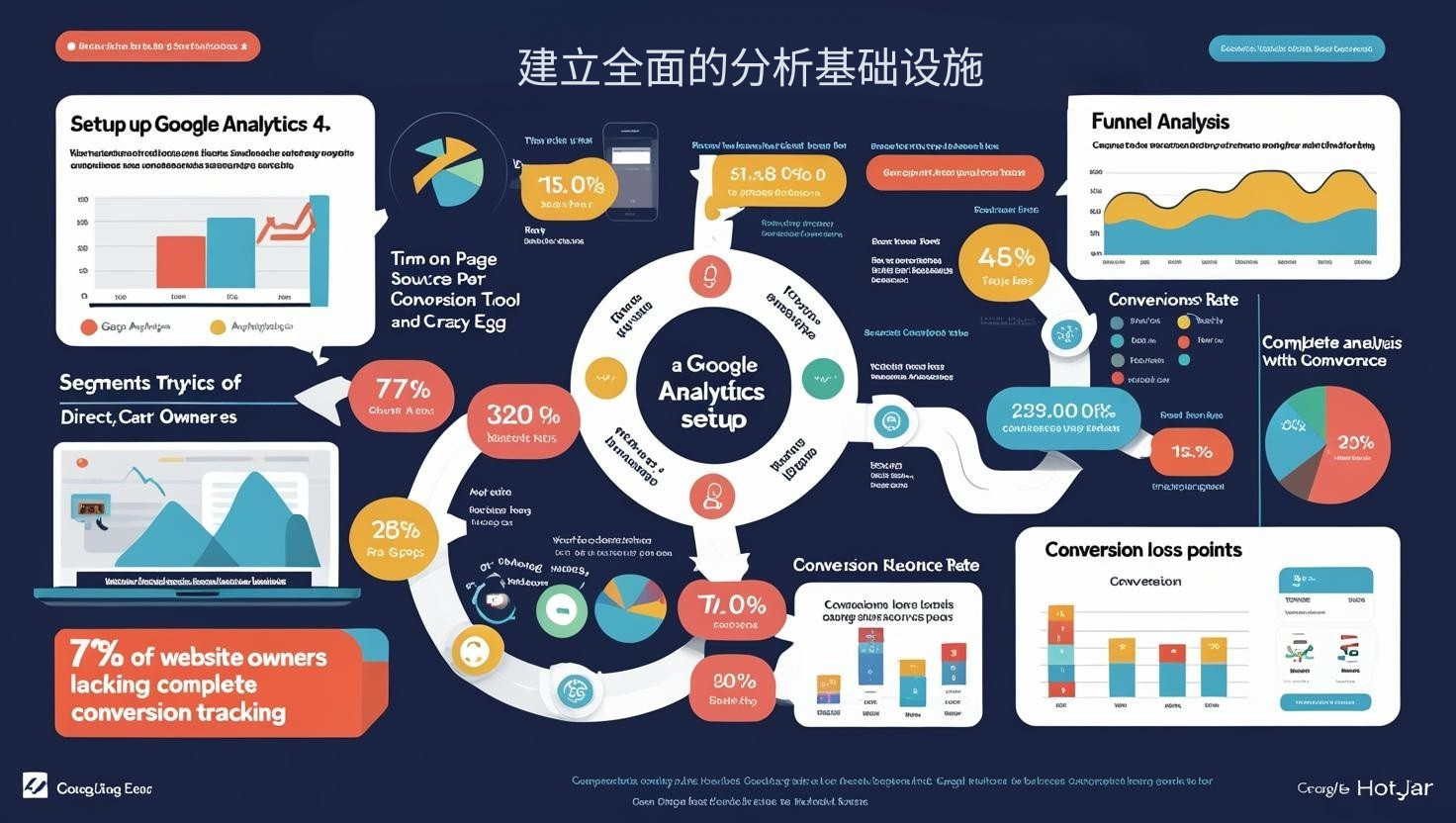
Effective traffic analysis begins with properly setting up analytics tools:
-
Complete analytics tool configuration:
- Set up core conversion goals and event tracking in Google Analytics 4
- Heatmap tools (such as Hotjar, Crazy Egg) to monitor user interaction behavior.
- Session recording captures real user experiences.
- Funnel analysis tools track conversion paths.
-
Key Metrics: Go beyond basic pageviews and focus on:
- Page dwell time and bounce rate changes
- Page views per session
- Add to cart rate and cart abandonment rate
- Conversion rate and conversion loss points at each step
-
Segmented Analytics Strategy: Segment your traffic by the following dimensions:
- Traffic Source (direct, search, social, email, etc.)
- Device Type (desktop, mobile, tablet)
- New vs. Returning Visitors
- Geography and Language Preference
According to Semrush research, only 23% of website owners have properly set up conversion tracking, meaning most decisions are based on incomplete data. Ensure your analytics infrastructure provides a complete view of the user journey.
A Systematic Approach to Identifying Traffic Bottlenecks
Once you've collected sufficient data, use the following method to identify key bottlenecks:
-
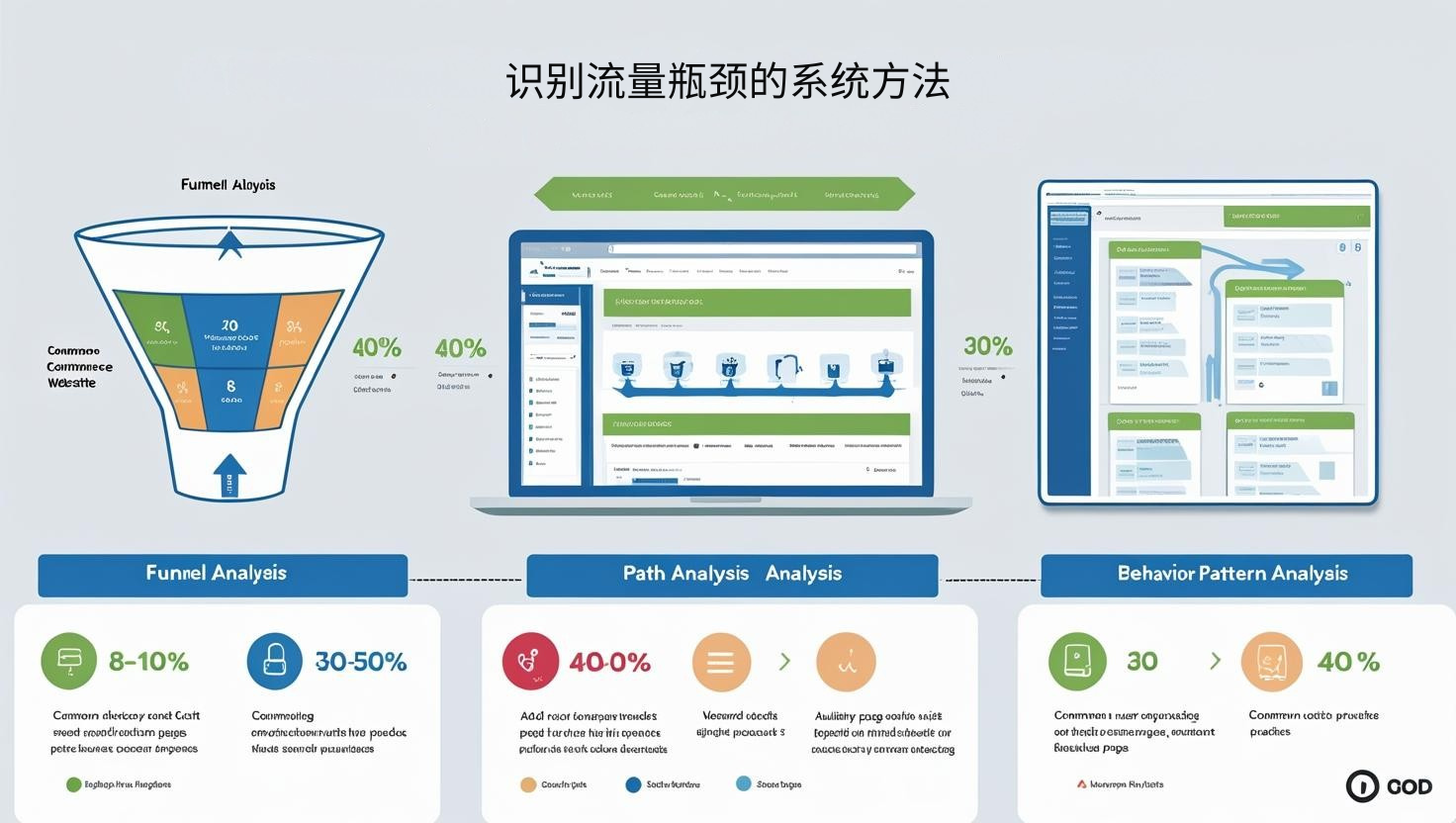
Funnel Analysis: Analyze the entire sales funnel from top to bottom to identify where conversion rates significantly decrease. A typical e-commerce funnel includes:
- Visit product page → Add to cart (average conversion rate 8-10%)
- Add to cart → Proceed to checkout (average conversion rate 40-50%)
- Proceed to checkout → Complete purchase (average conversion rate 30-40%)
Focus on the steps that deviate most from industry standards.
-
Path Analysis: Examine users' actual navigation paths on the site:
- How visitors discover products (navigation, search, recommendations)
- How many products do users view before making a decision?
- Which auxiliary pages do users visit before purchasing (e.g., return policies)?
- Most common exit pages and timings
-
Behavioral Pattern Analysis: Combine heatmaps and session recordings:
- Page scroll depth to identify "information gaps"
- Click behavior and design element alignment
- Form completion breakpoints
- Interface areas where users are confused or hesitant
Bottleneck Diagnosis and Optimization Strategy
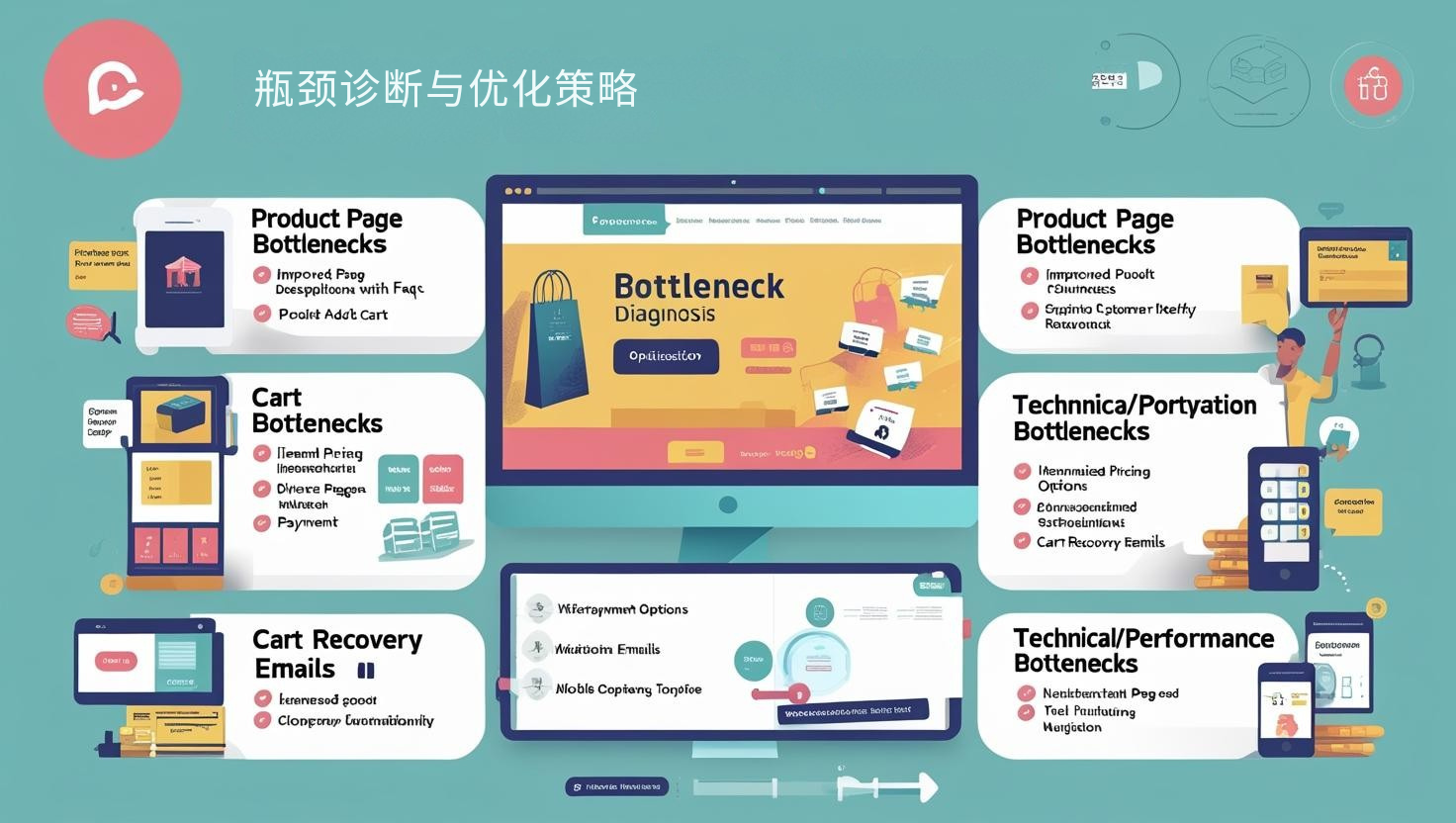
Implement targeted optimization strategies for different types of bottlenecks:
-
Product Page Bottleneck: If users drop off the product page:
- Enhance the quality and quantity of product images
- Improve product descriptions and answer frequently asked questions
- Highlight customer reviews and social proof
- Simplify the "Add to Cart" process and reduce friction
-
Shopping Cart Bottleneck: If cart abandonment rates are high:
- Display a complete cost breakdown Detailed to avoid "surprise charges"
- Offer multiple payment options
- Simplify the checkout form and reduce required fields
- Implement shopping cart recovery emails (can recover an average of 10-15% of abandoned carts)
-
Technical and performance bottlenecks:
- Optimize page load speed (every 1-second delay reduces conversion rate by 7%, source: Deloitte)
- Ensure mobile compatibility (over 60% of e-commerce traffic comes from mobile devices)
- Fix broken links and 404 errors
- Simplify website navigation
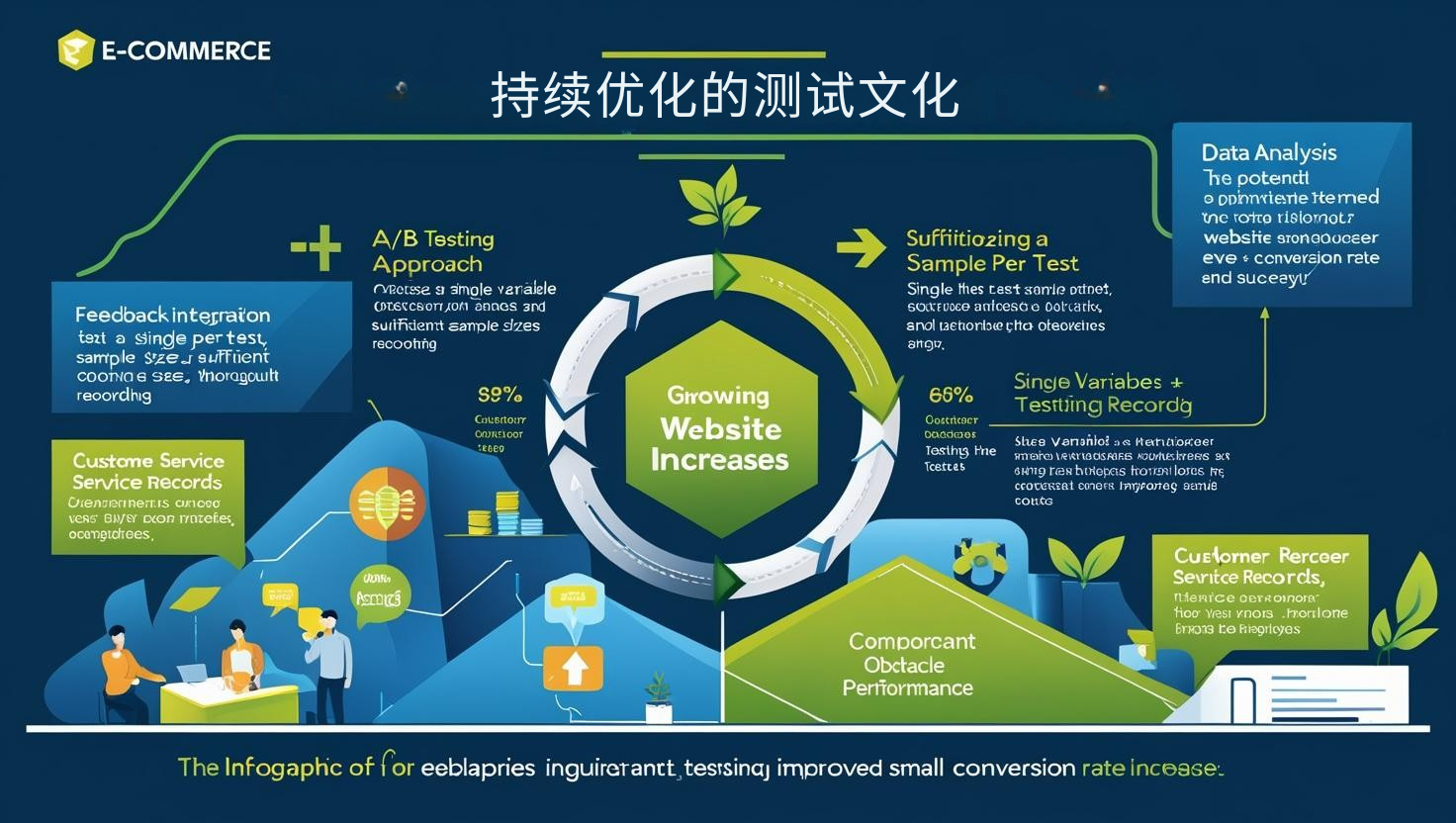
Continuous Optimization Testing Culture
Single optimization is not enough to improve long-term performance. Establish a continuous optimization cycle:
-
A/B Testing Method: Conduct controlled testing on key bottlenecks:
- Prioritize the test plan
- Test only one variable at a time
- Collect sufficient samples to ensure statistical significance
- Record all test results, including failures Example
-
Feedback Integration: Combining quantitative data with qualitative feedback:
- Common customer service issues
- Insights from user testing and interviews
- Reviews and social media comments
- Direct customer surveys
Through systematic data analysis and continuous testing, you can gradually eliminate obstacles along the conversion path and significantly improve your website performance. Remember, every 1% increase in conversion rate can lead to significant revenue growth. Start with the most obvious bottlenecks and gradually optimize the entire user journey to transform your e-commerce platform into a highly effective sales engine.