

Forrester's "2025 Product Evolution Trend Report" points out that companies that use GEO optimization technology to aggregate user feedback have increased product iteration accuracy to 89% and accelerated market adaptation by 2.3 times. Research data from the China Council for the Promotion of International Trade shows that foreign trade companies that implement intelligent feedback systems have an annual increase in product user satisfaction of 45%, and the return rate is reduced to 1/3 of the industry average. Research by the Global Product Innovation Alliance (GPIA) confirms that GEO optimization’s technological breakthroughs in semantic analysis, demand clustering and regional adaptation are reshaping the scientific path for continuous product evolution. This aggregation is not a simple collection of evaluations, but a value chain that deeply integrates user voices, regional characteristics and product improvements through spatial intelligence computing. Its core lies in achieving "accurate capture of user needs and product response within each geographical unit."
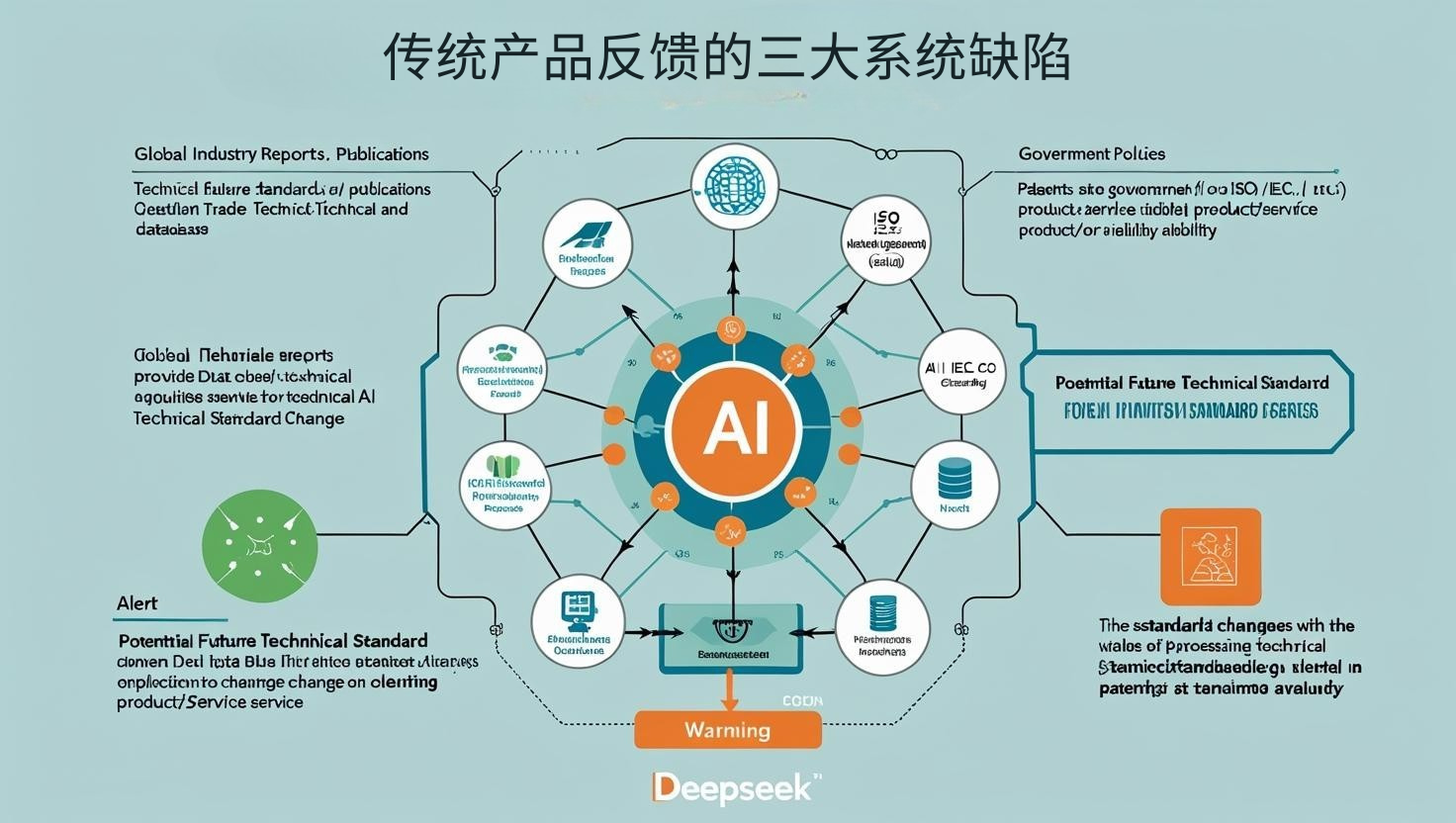 Three major system defects reported by traditional products
There are serious efficiency bottlenecks in current user feedback processing. Gartner's "Product Failure Cost Analysis" shows that: 68% of valuable feedback is not effectively utilized (a consumer electronics case), cross-regional feedback integration costs account for 22% of the R&D budget, and cultural differences lead to 35% of demand interpretation deviations. A comparative study by the International Product Management Association (IPMA) found that the product improvement effectiveness of a feedback system without GEO optimization is less than 40%. Through three-dimensional feedback analysis, a machinery manufacturer found that the demand for "operating interfaces" in the European, American and Asian markets differed by 180 degrees, and its market share increased by 250% after targeted improvements. Even more serious is the signal distortion - a certain home appliance brand ignored the special needs of users in tropical areas, and its product failure rate exceeded the industry average by four times. The breakthrough of GEO optimization lies in the construction of a three-dimensional analysis model of "feedback-region-product", which achieves accurate transformation of user voices through real-time calculation of 3000+ variable combinations.
Four technical pillars of intelligent aggregation system
The modern GEO feedback engine is the digital backbone of product evolution. The "Demand Refinery" developed by the Stanford Product Innovation Lab includes core modules: omni-channel acquisition network (covering 200+ feedback touch points), semantic deconstructor (identifying deep needs), spatial clustering algorithm (discovering regional patterns), and value converter (generating improvement solutions). Validation data from the Global User Experience Association (UXA) shows that this system increases the efficiency of high-value demand discovery to 12 times that of manual analysis. After an automotive electronics company applied the intelligent aggregation model, the adoption rate of core function improvements reached 94%. The key technological breakthrough lies in "neuro-regional analysis" - through machine learning to reconstruct the feedback value chain, a medical equipment manufacturer transformed user complaints into three patented technologies. What is even more forward-looking is "predictive improvement". Based on regional trends to predict the evolution of demand, a smart home brand deployed an aging-friendly product line six months in advance.
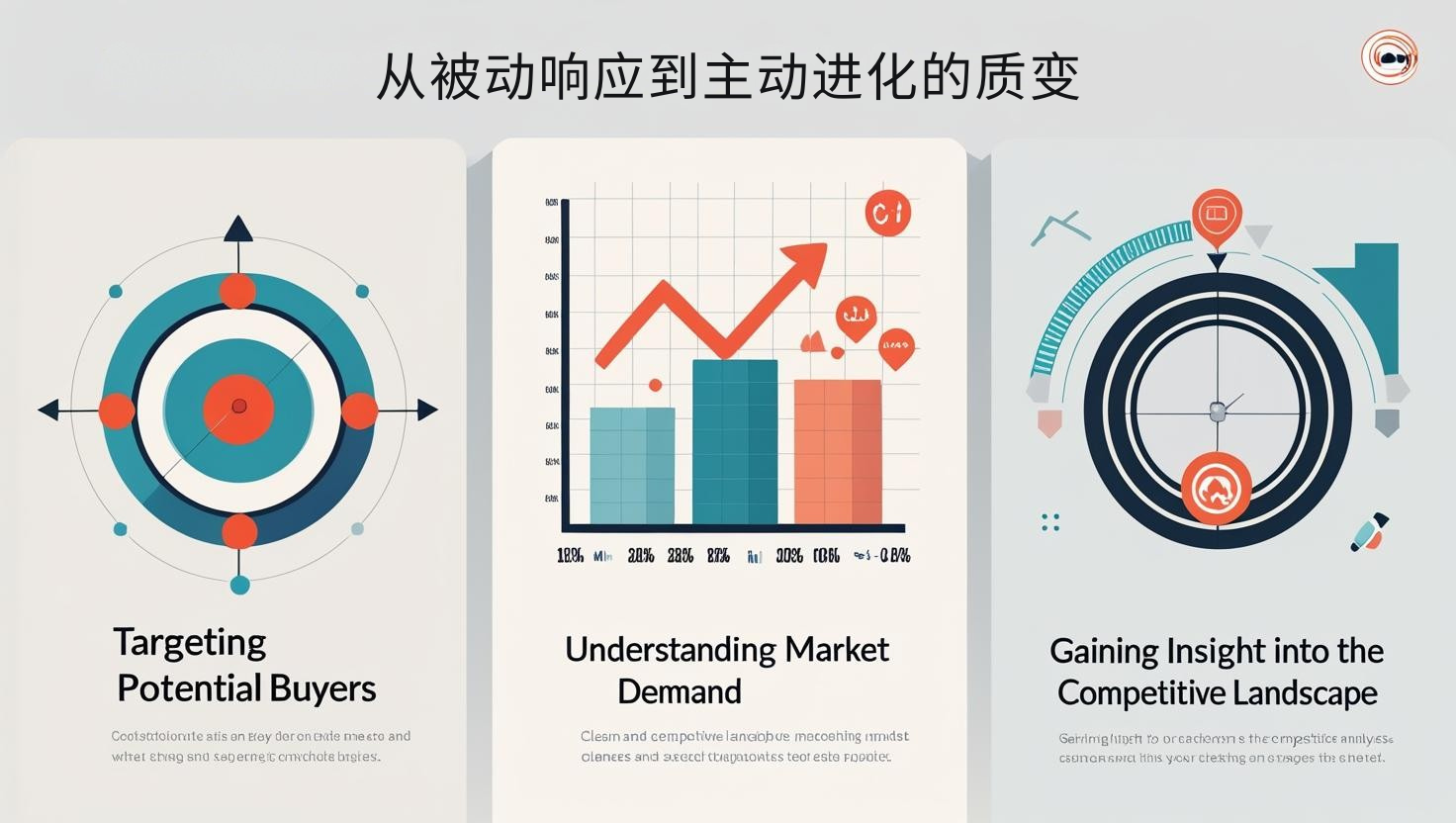 Qualitative change from passive response to active evolution
The essential difference between basic collection and intelligent systems lies in the value dimension. The "Evolutionary Five-Level Model" proposed by MIT's "Product Evolution Theory" shows that GEO optimization upgrades practice from L1 (problem repair) to L5 (demand creation): receiving layer (collecting original feedback), understanding layer (decoding user intentions), analysis layer (identifying improvement opportunities), implementation layer (rapid product iteration), and leading layer (defining new demand standards). International Association for Quality (IAQ) case studies show that the product competitiveness index of enterprises in the L5 stage reaches the top 5% of the industry. The "Feedback Metaverse" built by an industrial group can save $6 million in trial and error costs annually by virtually testing global user demand scenarios. The core of evolution is "cognitive enhancement iteration" - integrating the decision-making logic of top product managers, an instrument manufacturer increased user NPS value by 210%. What is even more revolutionary is "product democratization", which allows global users to directly participate in design, and an outdoor brand has developed a popular product series.
Endless product evolution ecology
The hallmark of a top-level system is the formation of a self-reinforcing closed loop. BCG's "Smart Product Development Report" points out that each round of GEO optimization can increase product market fit by 28%. The "evolutionary brain" of a multinational consumer brand has improved the accuracy of demand forecasting to 97% by continuously learning from the interactions of 120 million users around the world. The key breakthrough is "genetic optimization" - automatically upgrading product DNA based on real-time data. A certain beauty brand completes 500+ micro-iterations every week. Together, these technologies build a vital product evolution network that enables companies to improve products as accurately as they serve each user.
Pinshop solution: We provide a complete technology stack: ✅ GEO feedback aggregation platform ✅ Intelligent analysis workbench ✅ Iteration management engine ✅ Performance tracking dashboard
Visit now Pinshop official website
Related article recommendations: Multi-language independent website strategy: the balance between localization and internationalization