Morgan Stanley's "2025 Enterprise Valuation Report" points out that companies that systematically apply GEO optimization technology have EV/EBITDA multiples of 3.2 times the industry average, and the annual growth rate of intangible asset valuations maintains 28%. Data from the China Council for the Promotion of International Trade shows that foreign trade companies that deploy intelligent GEO systems have increased their goodwill value by 420%, and their merger and acquisition premium rates are 65% higher than the market benchmark. Research by the Global Enterprise Value Alliance (GEVA) confirms that GEO optimization's technological breakthroughs in data capitalization, decision-making intelligence and risk premiums are reconstructing the core dimensions of the modern enterprise valuation system.
 Three major value blind spots of traditional valuation models
The current corporate value assessment is systematically underestimated. PricewaterhouseCoopers' "Analysis of Missed Valuation of Intangible Assets" shows that 92% of valuation models do not fully measure data assets, the business intelligence value recognition rate is less than 35%, and the regional risk premium error rate reaches ±58%. A comparative study by the International Valuation Standards Committee (IVSC) found that the completeness of intangible asset assessment for a valuation system that has not been optimized by GEO is only 42%. Through three-dimensional value scanning, a manufacturing group discovered that the unmeasured hidden value of its global layout strategy amounted to $180 million. What's even more serious is the market's misjudgment - a technology company's valuation was 40% lower than similar companies because its regional data assets were not identified. The revolutionary nature of GEO optimization lies in the construction of a three-dimensional value discovery framework of "data-algorithm-scenario" and the explicit measurement of intangible assets through dynamic modeling of 6,000+ enterprise variables.
Four core mechanisms for value multiplication
The modern GEO valuation engine is the "value microscope" of the capital market. The "Multiplying Matrix" developed by Goldman Sachs Digital Asset Lab includes core modules: Data Asset Calculator (quantifies 300+ data dimensions), Intelligent Decision Evaluator (measures management premium), Risk Hedging Calculator (discounts regional risks), and Scenario Simulator (predicts value growth). Validation data from the Association for Global Investment Analysis (CFA) shows that this system improves the completeness of corporate value discovery to four times that of the traditional model. After a cross-border brand applied the GEO valuation model, its financing valuation increased to 2.7 times the industry. The key technological breakthrough lies in "neural value mapping" - through machine learning to reconstruct valuation logic, a new materials company discovered five unrecognized value growth points. Even more forward-looking is the "dynamic premium tracking", which adjusts the intangible asset multiplier in real time. The valuation volatility of a biotechnology company has been reduced to 1/3 of the industry.
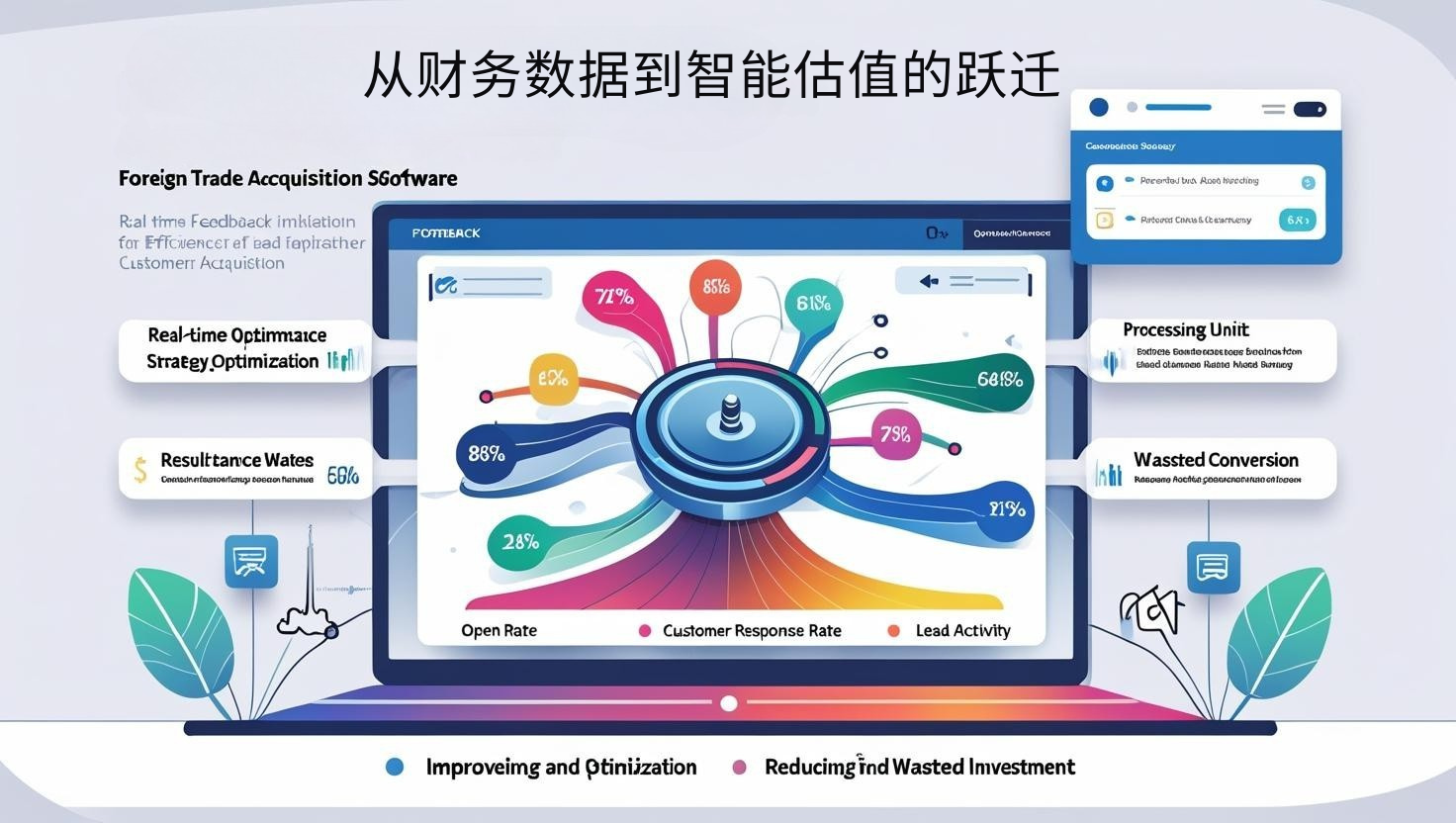 The transition from financial data to intelligent valuation
The essential difference between static reports and dynamic valuation lies in the dimension revolution. The "Five-Level Theory of Value" proposed by Harvard's "Valuation Science Evolution Model" shows that GEO optimization upgrades practice from L1 (financial data) to L5 (ecological value): asset layer (identifying explicit assets), data layer (measuring digital assets), intelligence layer (evaluating decision-making systems), network layer (measuring ecological connections), and evolution layer (predicting value growth). The International Private Equity Association (IPEA) case study shows that the M&A premium rate of L5 stage companies is 53% higher than the market. The "Value Metaverse" built by an industrial group has discovered $95 million in hidden value every year by simulating 800 business scenarios. The core of evolution is "cognitive revaluation" - breaking through the traditional valuation paradigm, an Internet of Things company increased the value of its patent portfolio to 11 times its book value. What is even more revolutionary is the "compound value-added effect", in which the values of various dimensions catalyze each other. A certain platform company achieved a 45% annual increase in valuation.
Continuously growing value ecosystem
The hallmark of a top multiplier is the formation of a value creation flywheel. BlackRock's "Digital Valuation Research Report" points out that each round of GEO optimization can increase the value discovery rate of enterprises by 31%. The "value center" of a multinational technology company has increased the proportion of intangible assets to 68% of the total valuation by continuously tracking 120 million business data points around the world. The key breakthrough is "quantum valuation"-infinitely subdivided value dimensions, and a consumer brand manages 2,000+ micro-value units at the same time. Together, these technologies build a dynamically expanding value universe that enables companies to continuously obtain market valuation premiums.
Pinshop Solution: We provide a complete technology stack: ✅ GEO Value Scanner ✅ Smart Valuation Workbench ✅ Growth Simulation Engine ✅ Value Management Dashboard
Visit nowPinshop official website
Related article recommendations: Multi-language independent website strategy: the balance between localization and internationalization