
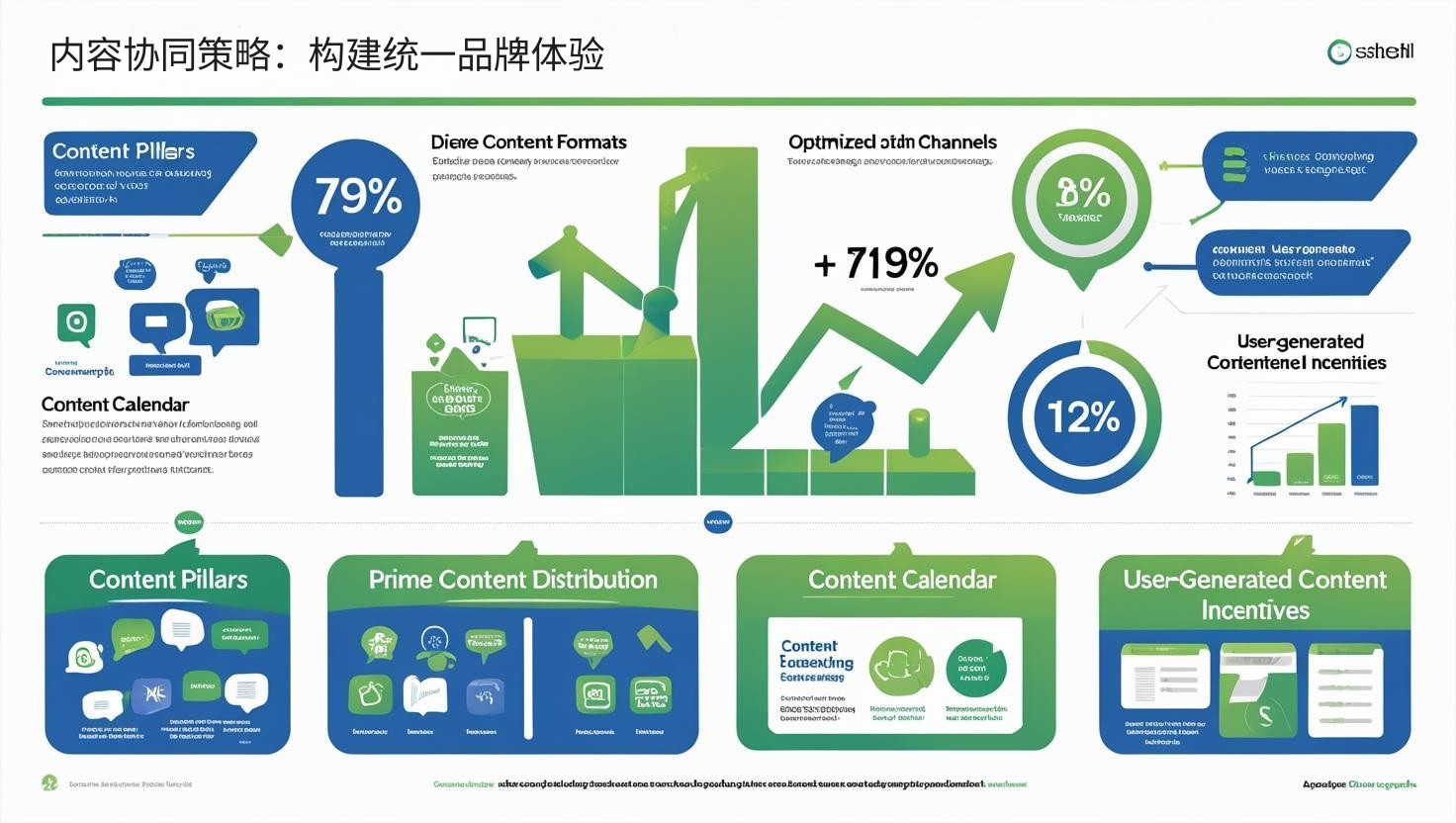
Content Collaboration Strategy: Building a Unified Brand Experience
Effective channel integration begins with a unified content strategy:
-
Balancing consistency and differentiation:
- Maintaining core brand messaging, visual elements, and value propositions consistent across channels
- Adjusting content formats to suit the specifics of each platform (Instagram emphasizes visuals, TikTok favors short videos)
- Creating "content pillars" to ensure key messages are present across channels
-
Optimizing content distribution:
- Main content is distributed on our own platforms First released on the platform, adapted versions distributed through social channels.
- Use "snippets" on social platforms to attract attention and guide users to the full content.
- Establish a content calendar and coordinate release times across channels to create promotional synergy.
-
User-generated content strategy:
- Create a unified brand hashtag to encourage cross-platform usage.
- Feature social media user content on the official website to enhance authenticity.
- Develop incentives, such as discount codes or contests, to encourage content creation.
According to Stackla data, 79% of consumers say user-generated content significantly influences their purchasing decisions more than brand-generated content. Effectively integrating user content can significantly increase conversion rates across both channels.
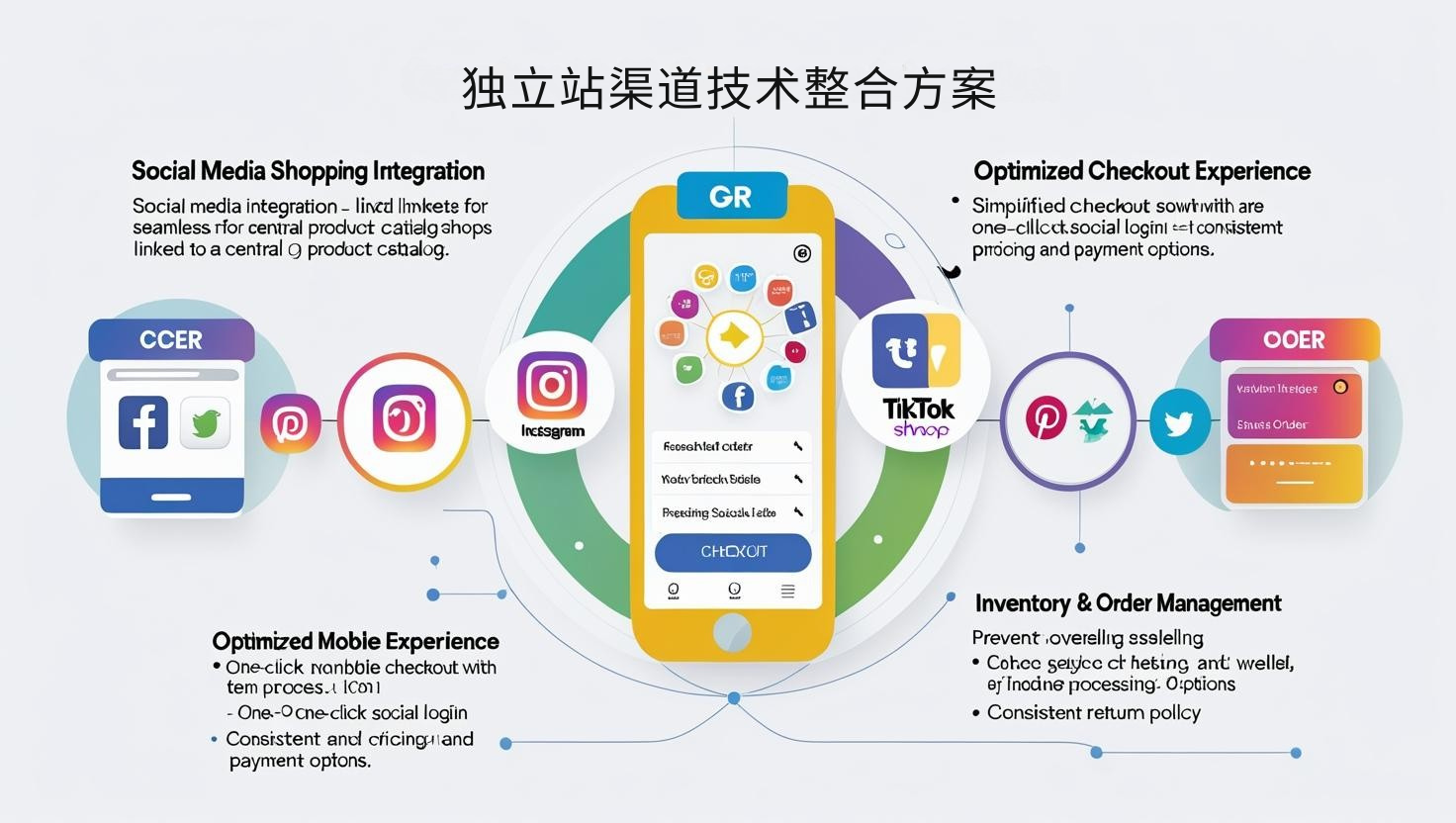
Independent Website Channel Technology Integration Solution
Seamless technical integration is key to a successful multi-channel strategy:
-
Social media shopping integration:
- Implementing Facebook/Instagram shop synchronization with product catalog
- Setting up Pinterest shopping ads and buyable pins
- Enabling TikTok Shop functionality and connect with product inventory
-
Optimize the checkout experience:
- Implement one-click login to social platforms to simplify the registration process
- Ensure a smooth mobile payment process (over 70% of social conversions occur on mobile devices)
- Maintain consistent pricing, promotions, and payment options across all channels
-
Synchronize inventory and order management:
- Implement a centralized inventory management system to prevent overselling across channels
- Unify order processing to ensure a consistent delivery experience
- Establish a multi-channel return policy to streamline customer service
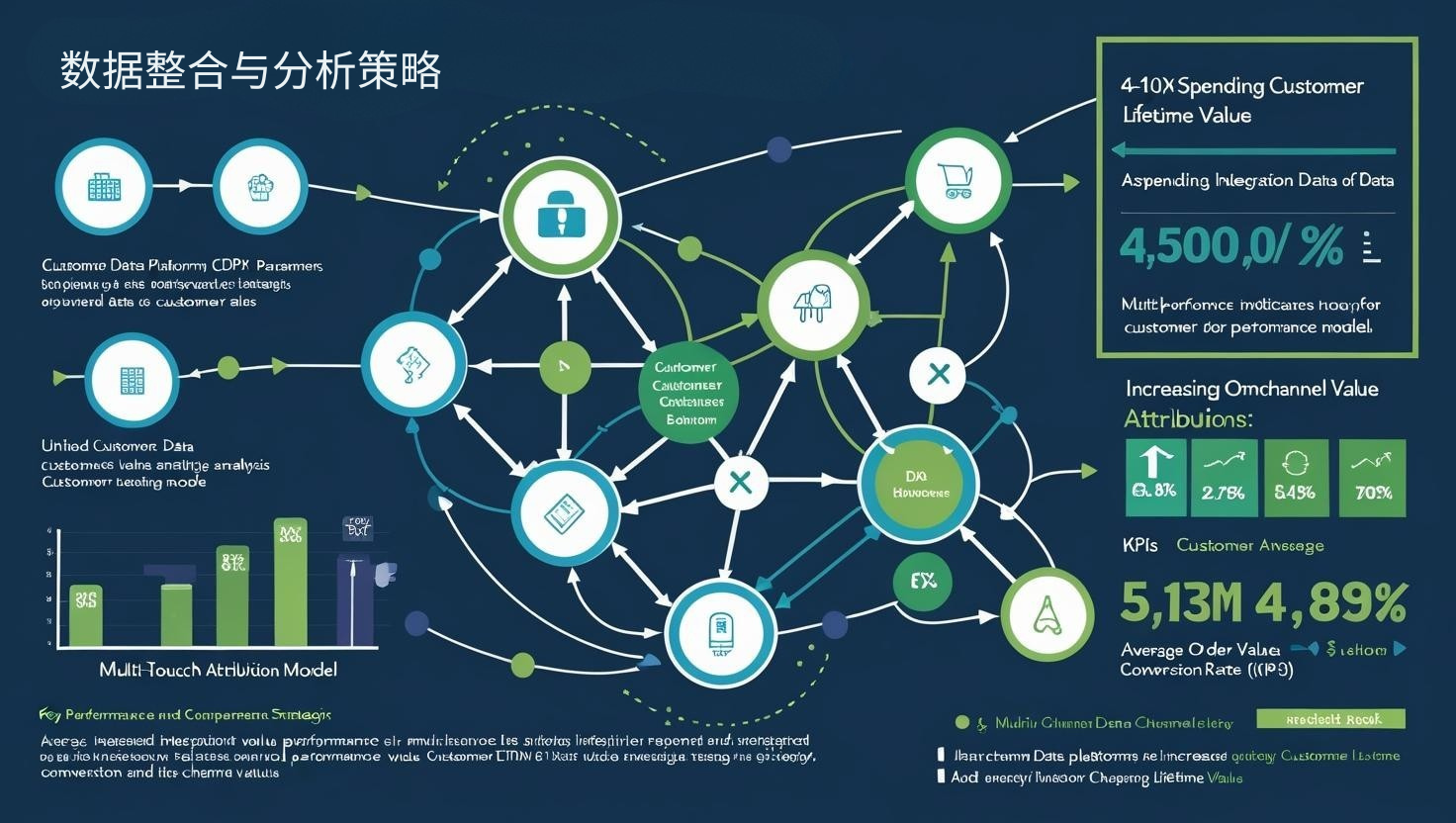
Data Integration and Analysis Strategy
The true value of multi-channel sales lies in a unified data view:
-
Customer Data Unification:
- Implement a Customer Data Platform (CDP) to integrate user data from various channels
- Use UTM parameters to track cross-channel customer journeys
- Establish a unified customer ID system to identify users across all channels
-
Establish an attribution model:
- Use a multi-touchpoint attribution model to assess the contribution of each channel
- Analyze the interplay between social platforms and your own website
- Track the "network effect," or the incremental value created by channel synergy
-
Performance metrics to monitor:
- Compare average order value, conversion rate, and repeat customer ratio across channels
- Analyze customer migration paths and behavioral differences across channels
- Assess the lifetime value difference between omnichannel and single-channel customers
According to a Harvard Business Review study, omnichannel customers spend, on average, 4-10 times more than single-channel customers. By integrating data analysis, brands can precisely identify the most valuable customer journeys and optimize marketing resource allocation accordingly.
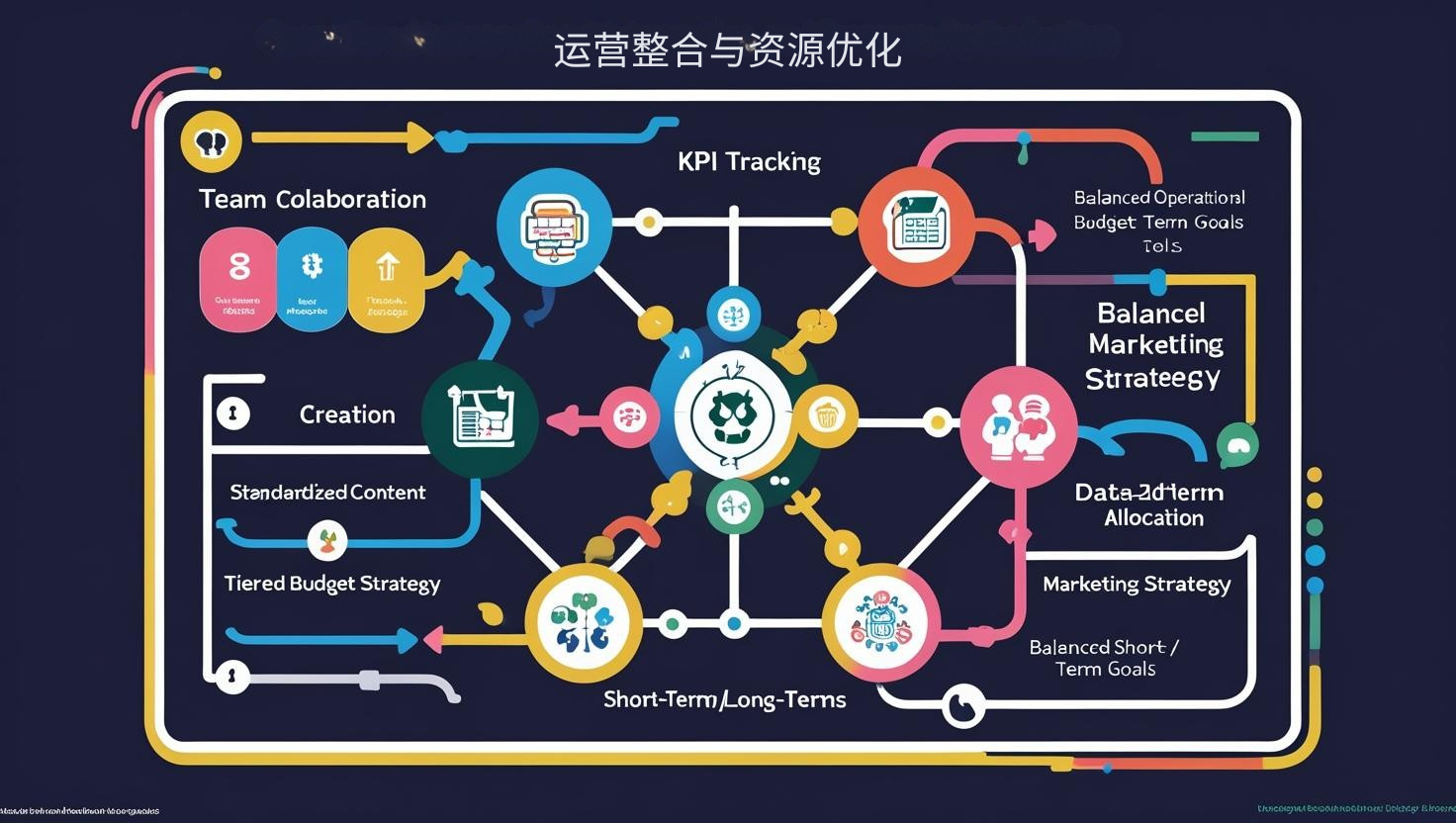
Operational Integration and Resource Optimization
An effective multi-channel strategy requires efficient operational support:
-
Team Collaboration Framework:
- Establish cross-channel collaboration processes to avoid silo effects
- Unify content creation and approval standards to improve efficiency
- Set shared KPIs to encourage collaboration across channels
-
Optimize Resource Allocation:
- Prioritize high-ROI channels based on data-driven budget allocation
- Develop a tiered marketing strategy to successfully transform social platforms into owned channel assets
- Balance short-term sales goals with long-term brand building needs
Through a carefully designed integration strategy, brands can achieve true synergy by combining the broad reach of social media with the deep conversion potential of their own platforms. As social commerce capabilities continue to evolve, maintaining technological agility and strategic flexibility will be key to brands' continued success in a multi-channel environment.