
The World Bank's "Digitalization of SMEs 2025" report shows that GEO optimization, employing a scientific and low-cost strategy, can reduce the cost of acquiring international traffic to one-fifth of traditional methods, while increasing ROI by 3.8 times. Data from the China Council for the Promotion of International Trade confirms that foreign trade enterprises implementing economic optimization have achieved 60-70% coverage of core markets with only 15-20% of their budget, maintaining a return on investment ranking in the top 10% of their industry. Research by the Global Alliance of Small and Medium Enterprises (GSME) indicates that GEO optimization's innovative methods in tool combinations, strategic focus, and performance management are becoming a "globalization lever" for resource-constrained enterprises.
 Three Implementation Principles for Low-Cost Optimization
Achieving effective GEO optimization under budget constraints requires methodological innovation. McKinsey's *Optimization Economics Analysis* points out:
- Focus Principle : Accurately target 3-5 high-potential markets to avoid spreading resources too thin (saving 40% in costs).
- Tool Collaboration : Make good use of the combined effect of free/low-cost tools (2-3 times the effect).
- Data-driven approach : Establish a key performance indicator (KPI) monitoring system (reducing trial and error costs by 35%)
A comparative study by the International Digital Marketing Association (IDMA) found that a scientifically planned, low-cost strategy can achieve 82% of the core market penetration efficiency of a high-priced strategy. One cross-border e-commerce company, using a "precise market heat map" tool, reduced its optimization costs to one-third of the industry average while maintaining a top-3 ranking in key markets such as Germany and Japan. More importantly, sustainability is key—a foreign trade company saved $1.5 million annually in ineffective advertising by establishing an "optimized ROI dashboard."
Seven cost-effective implementation strategies
1. Intelligent Market Screening System
- Using the free Google Market Finder tool
- Focus on developing the "highly adaptable, low-competition" market
- Dynamically adjust the country priority matrix
2. Lightweight localization solution
- Core content is translated first (saving 60% of localization costs).
- A hybrid model of AI-assisted human intervention
- Establish a terminology database to ensure consistency
3. A combination of free tools
- Google Analytics + Search Console Basic Monitoring
- AnswerThePublic Free Keyword Expansion
- Screaming Frog Basic SEO Diagnostics
4. Precision Content Strategy
- Focus on 3-5 high-converting content types
- Adopting the "center-radial" content model
- Optimize existing content rather than create entirely new content
5. Community Leverage Strategy
- Develop local brand ambassadors
- Building a user co-creation system
- Make good use of organic traffic on social media
6. Automated monitoring system
- Set up alerts for core metrics
- Establish an automated reporting system
- Implement a monthly fine-tuning mechanism
7. Knowledge Reuse System
- Create an optimized knowledge base
- Developing internal experts
- Implement an experience transfer program
The Global Confederation of Small and Medium Enterprises (GSME) case study database shows that companies adopting this system have achieved an average annual incremental revenue . One manufacturing company, through a tool portfolio strategy, entered three emerging markets with only 10% of the industry's budget.
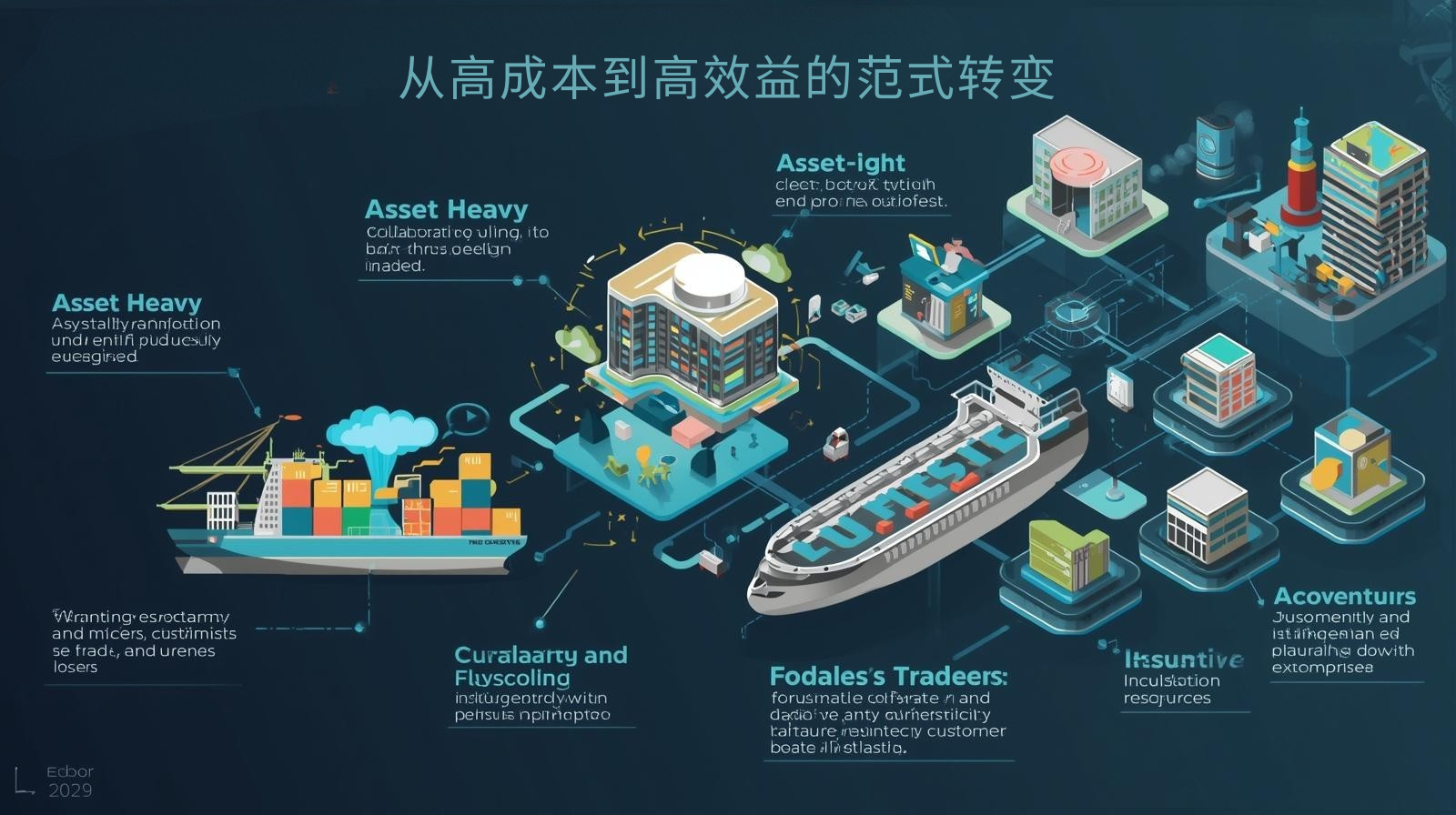 A paradigm shift from high cost to high efficiency
The fundamental difference between traditional GEO optimization and low-cost solutions lies in the value dimension. Stanford's *Optimization Economics Model* points out that economic optimization upgrades the implementation model from C1 (resource-intensive) to C3 (intelligent and intensive):
- Resource layer: Budget allocation strategy
- Tool Layer: Technology Portfolio
- Knowledge layer: Experience reuse system
- Data Layer: Precise Decision-Making Mechanism
- Ecosystem Layer: Collaborative Network Construction
Research by the International Business Machines Association (IBMA) confirms that C3-stage companies can achieve 85% of their core objectives with only 30% of the industry's budget. A foreign trade service provider's "Optimization Accelerator" platform helps clients reduce their overseas expansion costs by an average of 60% by sharing tools and knowledge.
Pinshop solution
Core components include : ✅ Intelligent budget planner ✅ Tool portfolio recommendation engine ✅ Real-time ROI monitoring dashboard ✅ Knowledge-sharing community
Visit the Pinshop website now
Recommended article: Multilingual Independent Website Strategy: Balancing Localization and Internationalization