
According to Google's latest research, reducing independent website loading times from 3 seconds to 1 second can increase user conversion rates by 27% and reduce bounce rates by 36%. Research data from the China Council for the Promotion of International Trade shows that optimizing image and resource delivery can reduce the average first-page load time of independent websites from 3.8 seconds to 1.2 seconds. This article will delve into the five core technologies that achieve a "second-to-load" experience, based on the technical standards of the World E-Commerce Forum.
 Intelligent image optimization system
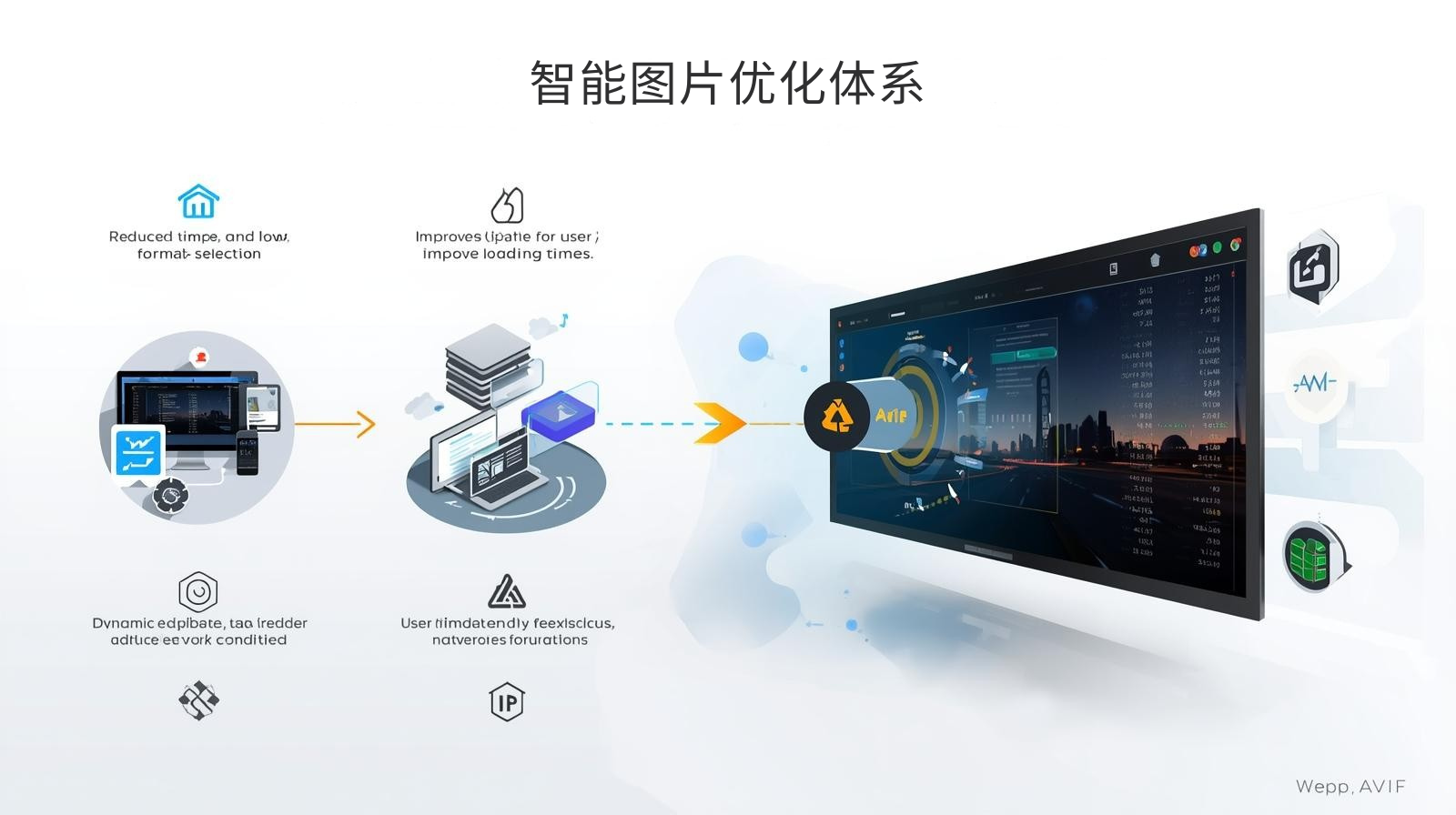
On modern independent websites, images often account for over 60% of total page traffic. Using next-generation image formats like WebP or AVIF can reduce image size by 50%-70% while maintaining image quality. A case study from the China Chamber of Commerce for Import and Export of Machinery and Electronic Products shows that professionally optimized product gallery loading times can be reduced from over 4 seconds to around 1 second.
The key to achieving intelligent optimization lies in establishing a dynamic conversion system that automatically selects the optimal format based on the user's device and network conditions. This also requires implementing a comprehensive caching strategy to ensure that the same resources do not need to be reloaded for repeated access.
Global Accelerated Network Deployment
Cross-region access latency is one of the main bottlenecks affecting independent website speeds. By deploying a global content delivery network, the transmission distance of static resources can be shortened from thousands of kilometers to tens of kilometers. Test data from the World E-Commerce Forum shows that high-quality CDN services can reduce request latency from Asia to Europe and the United States from 300 milliseconds to 80 milliseconds.
The next-generation HTTP/3 protocol further optimizes transmission efficiency and reduces initial load time by another 40% by improving connection establishment. This technology is particularly suitable for scenarios that require fast presentation, such as product detail pages.
 Key resource preloading strategy
A refined resource loading strategy can significantly improve the user experience. Prioritizing the loading of key images and stylesheets on the home screen while delaying non-critical resources can enable the main content to be presented 1-2 seconds earlier. However, it's important to limit the amount of preloading; excessive preloading can lead to bandwidth competition.
Progressive loading experience design
Progressive loading technology provides users with immediate visual feedback by initially presenting a low-quality preview image and then gradually refining it. Combined with skeleton screen technology, it maintains a stable page layout before the content is fully loaded, avoiding unpleasant layout shifts. These optimizations can reduce perceived loading time by over 50%.
Continuous performance monitoring system
Establishing a comprehensive monitoring system is key to maintaining long-term optimization. This requires real-time tracking of core performance metrics, including first screen load time and interactive response latency. By comparing performance against industry benchmarks, performance bottlenecks can be continuously identified and addressed.
Pinshop: Your Speedy Experience Expert
Pinshop offers a comprehensive performance optimization solution: an intelligent image compression engine, a global acceleration network, a resource loading optimization system, and a real-time performance monitoring platform. Our technology has helped thousands of independent websites launch within seconds, increasing conversion rates by over 25% on average.
Visit Pinshop's official website now to start your fast e-commerce journey.
Recommended related articles: Multilingual Independent Station Strategy: Balancing Localization and Internationalization