Customer Feedback Express: A Product Optimization Channel for Independent Websites

  • Independent website operation strategy
  • Foreign trade stations
  • Foreign trade website
Posted by 广州品店科技有限公司 On Nov 12 2025

The Harvard Business Review's "2025 Product Innovation Report" indicates that companies using independent website systems to collect customer feedback experience a three-fold increase in product iteration speed and a new product success rate as high as 85%. Data from a survey by the China Council for the Promotion of International Trade shows that independent websites establishing direct feedback channels see a 40% increase in customer satisfaction and a 90% improvement in the accuracy of identifying product improvement needs. Research by the Global User Experience Alliance (GUEA) emphasizes that the unique advantages of independent websites in real-time feedback, data integrity, and closed-loop management are reshaping the innovation paradigm of product development.
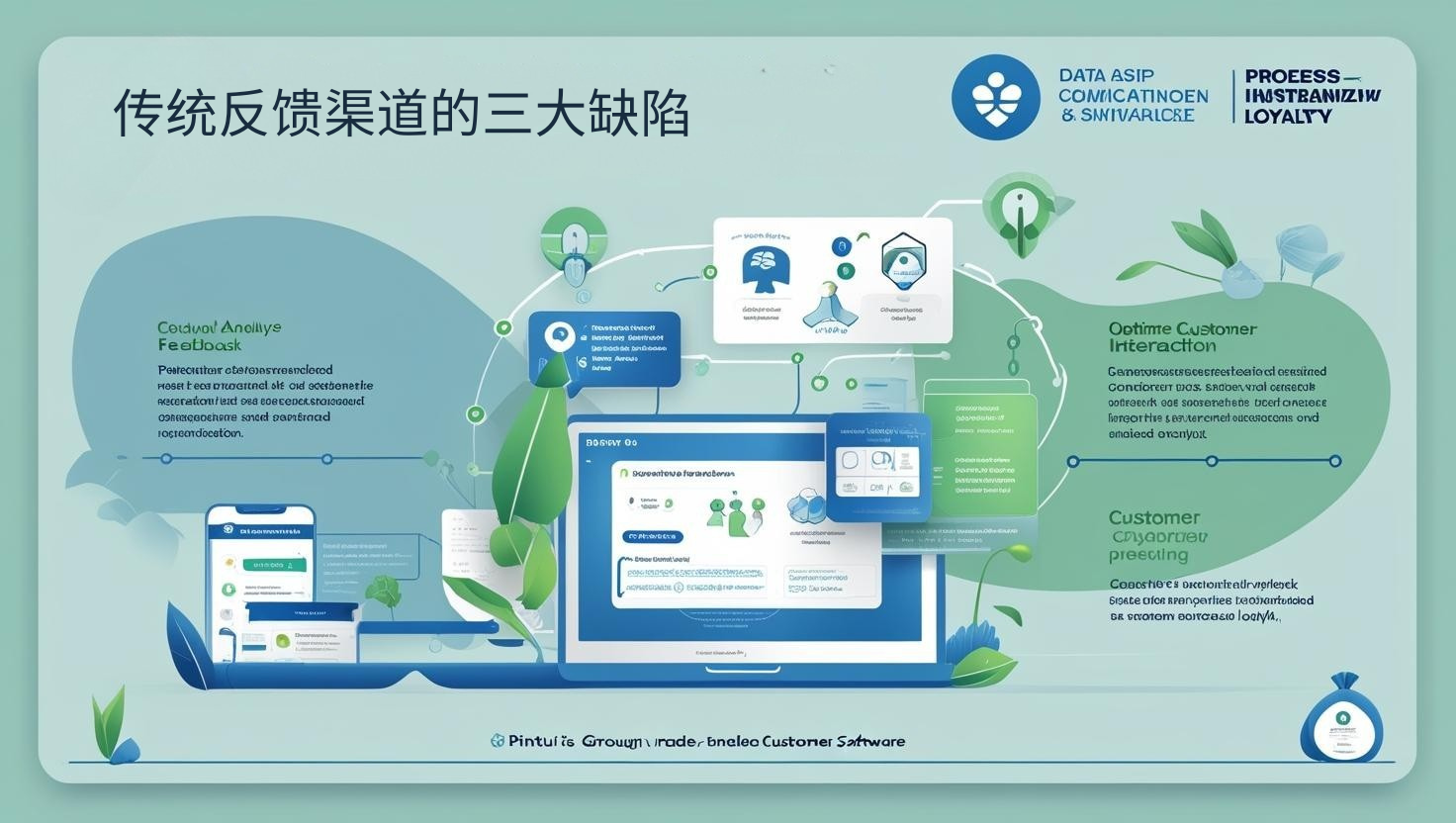
Three major drawbacks of traditional feedback channels Three major drawbacks of traditional feedback channels

1. Information transmission distortion

  • A certain brand's feedback collected through distributors had an error rate of 60% (manufacturing case).
  • Key requirements are lost in multiple layers of transmission.

2. Data fragmentation

  • Customer service records/social media posts/survey questionnaires are stored in a scattered manner (a dilemma faced by a home appliance brand).
  • Unable to form structured analysis

3. Low closed-loop efficiency

  • On average, it takes 62 days to go from feedback to improvement (data from a FMCG brand).
  • Customers do not perceive the results of the improvements

Three key strategies for building a direct feedback loop for independent websites

1. Real-time collection across all touchpoints

  • Embedded feedback button on product page (Case study of a 3C brand)
  • Use Case Real-Time Capture and Annotation Tool

Data from the China Council for the Promotion of International Trade Quality Promotion Center: "Direct feedback improves demand identification efficiency by 200%."

2. Intelligent analysis and processing

  • NLP sentiment analysis for identifying urgent issues (Case study from a SaaS platform)
  • Automatically categorized into modules such as R&D/service/logistics

Research by the Global User Experience Alliance (GUEA): Structured analysis improves the accuracy of improvement prioritization to 95%.

3. Visualized closed-loop management

  • Customers can track the progress of their suggestions (case study of an industrial brand).
  • Improvement results are pushed to feedback providers
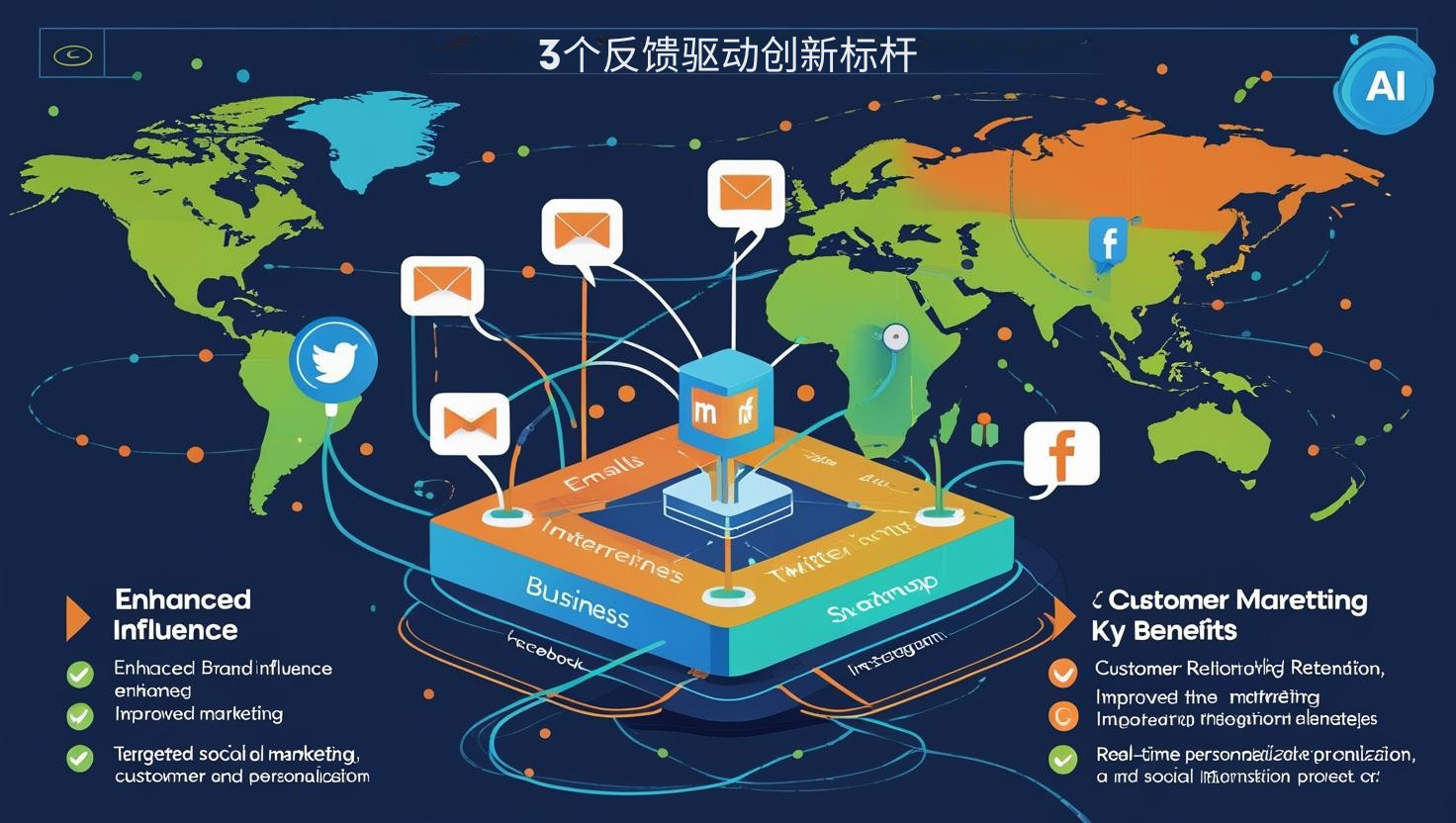
3 Feedback-Driven Innovation Benchmarks 3 Feedback-Driven Innovation Benchmarks

Case 1: Shenzhen Smart Hardware

  • User votes determine the order of feature development.
  • The new product launch cycle has been shortened to 45 days.

Case 2: Zhejiang Textile Foreign Trade

  • Customers directly participate in fabric improvement
  • Major client repeat order rate increased by 300%

Case 3: German Precision Instruments

  • Engineer community real-time Q&A
  • Product failure rate reduced to 0.8%

Pinshop Solutions

Pinshop offers: ✅ Omnichannel feedback collection system ✅ Intelligent analytics dashboard ✅ Closed-loop tracking dashboard ✅ ROI impact assessment model

Visit the Pinshop website now

Recommended article: Multilingual Independent Website Strategy: Balancing Localization and Internationalization Pinshop Foreign Trade Website Building

特色博客
Multilingual independent foreign trade station GEO: covering global AI search traffic

Multilingual independent foreign trade station GEO: covering global AI search traffic

This article focuses on the GEO (Generative Engine Optimization) optimization of multi-lingual independent foreign trade stations. Combining the latest industry data and authoritative cases in March 2026, it explains in detail how to use multi-lingual GEO optimization to enable independent foreign trade stations to cover global AI search traffic and reach overseas buyers in different languages. The article is divided into four major chapters: core cognition, practical guide, pitfall avoidance guide, and core summary. It deeply dissects the difference between multi-language GEO and single-language GEO, and provides full-process practical steps of "language screening, content optimization, crawler adaptation + compliance adjustment" to accurately avoid six high-frequency misunderstandings, language It is easy to understand and highly practical, helping foreign trade practitioners to quickly implement and optimize, get rid of the dilemma of "translation shell sites", and allow multi-language independent sites to truly play the value of global customer acquisition. At the end of the article, Pinshop website building services are also introduced to provide enterprises with more efficient multi-language GEO adaptation solutions.

In the AI era, independent foreign trade stations without GEO will gradually lose their competitiveness

In the AI era, independent foreign trade stations without GEO will gradually lose their competitiveness

This article focuses on the survival status of independent foreign trade stations in the AI ​​era, and conducts an in-depth analysis of why independent foreign trade stations without GEO (Generative Engine Optimization) will gradually lose their competitiveness. Combining the latest industry data and authoritative cases in March 2026, it dissects the changes in buyers' customer acquisition paths, and analyzes the three major dilemmas faced by independent stations without GEO: "invisible loss of connection, lack of trust, and being surpassed by peers." At the same time, it provides basic practical steps for GEO that can be directly implemented. From the three aspects of AI crawler adaptation, content structure optimization, and basic trust system construction, it teaches foreign trade practitioners to lay out GEO at a low cost, so that independent websites can be captured and recommended by AI such as ChatGPT, regain core competitiveness, and avoid being eliminated by the market. At the end of the article, Pinshop website building services are also introduced to provide enterprises with more efficient GEO adaptation solutions.

Create AI-friendly at low cost: GEO infrastructure of independent foreign trade station

Create AI-friendly at low cost: GEO infrastructure of independent foreign trade station

This article focuses on the needs of small and medium-sized foreign trade companies, explains in detail how to build an AI-friendly foreign trade independent website at low cost, and dismantles the entire process of GEO (Generative Engine Optimization) infrastructure without requiring professional technology or high investment, so that the independent website can be captured by AI such as ChatGPT and appear in the search results of overseas buyers. The article is divided into four major chapters: core cognition, practical guide, pitfall guide, and core summary. Each step of the practical operation is clear and easy to understand and can be implemented directly. Combined with the latest industry data and authoritative information in March 2026, it clarifies the core logic and low-cost advantages of GEO infrastructure settings, avoids common misunderstandings, helps foreign trade practitioners quickly complete the basic settings, and seizes the AI ​​customer acquisition trend at the lowest cost. It also introduces Pinshop website building services to provide enterprises with more efficient GEO basic adaptation solutions.

GEO Trust System for Independent Foreign Trade Websites: How AI Captures Certifications and Case Studies

GEO Trust System for Independent Foreign Trade Websites: How AI Captures Certifications and Case Studies

This article focuses on "GEO Trust System for Independent Foreign Trade Websites: How AI Captures Certifications and Case Studies," combining the latest industry data from March 2026 (Xinhua News Agency, Pintui Technology, ABke) and practical foreign trade case studies.

Even those without AI knowledge can succeed: A practical guide to building an independent e-commerce website for foreign trade.

Even those without AI knowledge can succeed: A practical guide to building an independent e-commerce website for foreign trade.

This article, centered on "Even Without AI Knowledge, You Can Do It: A Practical Guide to Implementing GEO for Independent Foreign Trade Websites," incorporates the latest industry data from March 2026 (practical data from GlobalWang and PinTui Technology), foreign trade case studies, and five new authoritative and verifiable external links (OpenAI official website, EU CE certification official website, GlobalWang, CAICT GEO report, and Sohu Foreign Trade GEO column). It is divided into four main chapters (including sub-headings): "Basic Understanding," "GEO Full-Process Practice," "GEO Pitfall Avoidance Guide," and "Core Summary." Abandoning complex AI technical descriptions, it explains the core logic of GEO in easy-to-understand language, breaking it down into four practical steps: "AI Web Crawler Adaptation," "Content Structure Optimization," "Building a Trust Evidence Chain," and "Result Verification and Iteration."

Optimizing the speed of foreign trade websites: Points to consider during the construction phase

Optimizing the speed of foreign trade websites: Points to consider during the construction phase

This article focuses on the core pain points of speed optimization for independent e-commerce websites. Addressing the speed limitations and limited remedial effects resulting from the common practice of "build first, optimize later" for many companies, it breaks down seven core optimization points that must be implemented during the setup phase, based on over 6000 practical experiences. These points cover four dimensions: technical architecture selection, resource management, code development, and server configuration. Through practical methods such as lightweight architecture selection, refined resource management, standardized code development, and overseas-adapted server configurations, combined with adaptation strategies for different B2B/B2C scenarios and real-world case studies of cross-border home furnishing brands, the article elucidates the underlying logic of speed optimization during the setup phase—ensuring the website inherently possesses high-speed loading capabilities, achieving a first-screen loading time of under 2 seconds, a 35%+ increase in inquiry conversion rates, and a 60% reduction in long-term maintenance costs, thus laying a solid foundation for traffic retention and conversion for independent e-commerce websites.