

I. Responsive Design and User Experience
When choosing a website template for international trade, responsive design and a good user experience are primary considerations. Data from the International Trade Centre (ITC) shows that a mobile-friendly layout can increase visit duration and conversion rates. The template should support clear navigation, quick menus, modular content layout, and intuitive product displays to ensure overseas customers can easily access product information and contact details.
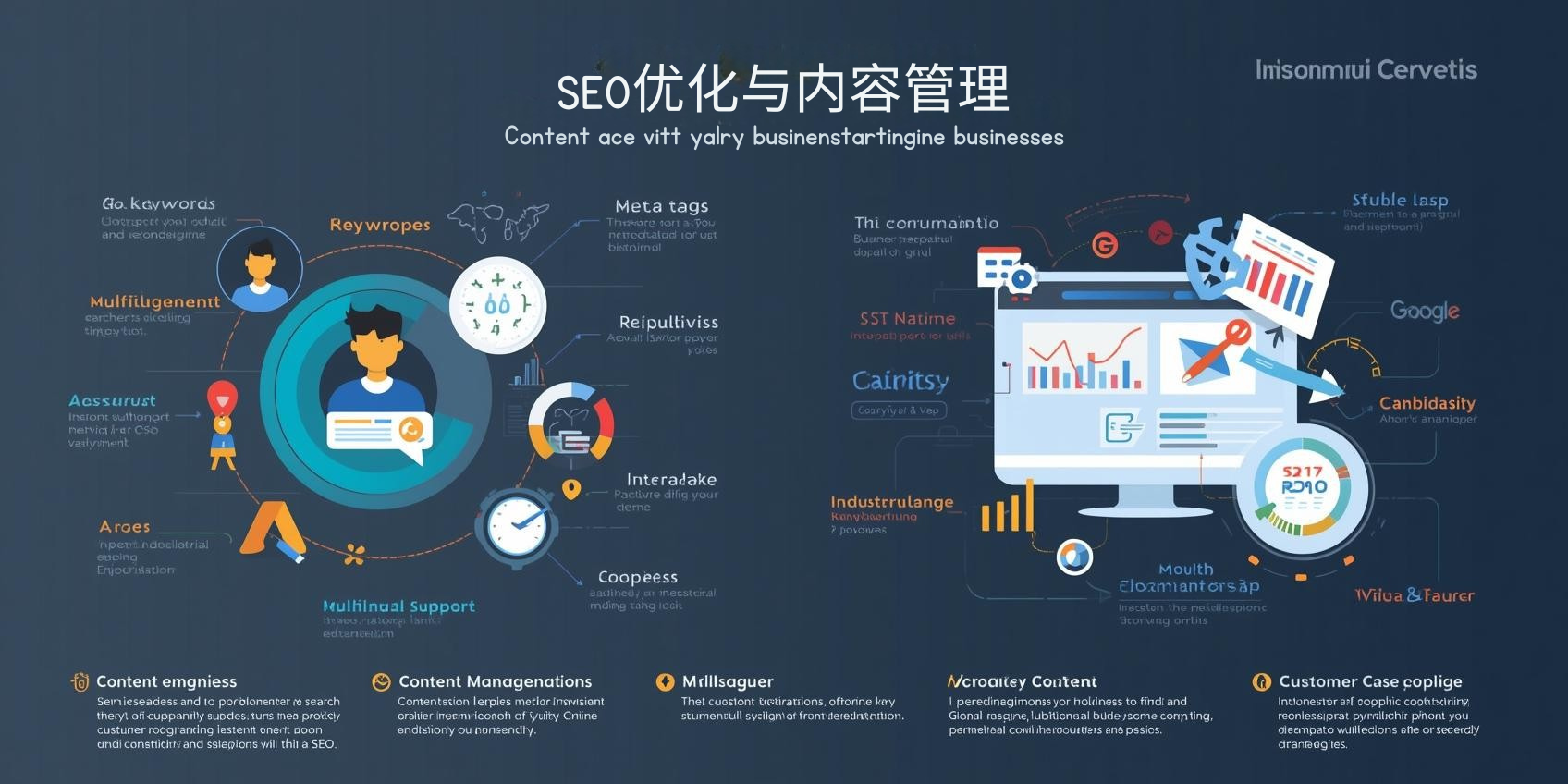
II. SEO Optimization and Content Management
Efficient SEO and content management are key aspects of a template's value. CECA points out that through built-in SEO optimization options, keyword placement, meta tag management, and multilingual support, businesses can significantly improve search engine indexing rates. Combined with the content management functions automatically generated by the foreign trade website building system, businesses can systematically publish product information, industry news, and customer case studies, enhancing their exposure on Google and overseas search engines.
III. Cross-border E-commerce and Payment Functions
Cross-border e-commerce functionality is the core of foreign trade website templates. According to ISC research, templates that support multiple currencies, languages, payment channels, and order tracking can significantly reduce barriers to overseas shopping. When choosing a template, businesses should consider compatibility with mainstream payment platforms, while also providing logistics information and promotional activity modules to increase customer order rates.

IV. Customer Management and Marketing Module
Modern foreign trade website templates typically integrate customer management and marketing functions. GEA data shows that by using CRM systems, automated emails, customer segmentation management, and data analysis, businesses can accurately reach target customers and optimize marketing strategies. It is recommended to choose templates with built-in marketing tools or those that can seamlessly integrate with existing foreign trade customer acquisition software to maximize customer conversion and repeat purchase rates.
V. Template Selection Recommendations and Cost-Effectiveness Analysis
Among the numerous website templates available for foreign trade, businesses need to choose based on their own business characteristics and budget. A high-quality template should offer a balanced performance in user experience, SEO, mobile adaptation, cross-border e-commerce functionality, and marketing tools. Cost-effective templates typically support rapid deployment, scalable features, convenient backend operations, and continuous updates, ensuring the company website remains competitive in the long term.
Based on the above analysis, when choosing a foreign trade website template for 2025, companies can comprehensively consider factors such as responsive design, SEO optimization, cross-border e-commerce functions, customer management, and cost-effectiveness.
Use the Pinshop website building platform now to quickly build an efficient international trade website, enabling precise customer development and global business expansion.