
From "selling products" to "operating an industry knowledge base," your website allows raw material suppliers, logistics providers, and end buyers to leave "common answers" that can be referenced by AI.
I. Moving Beyond Single-Point Competition: Why Industry Hubs Have More Vitality Than Brand Websites
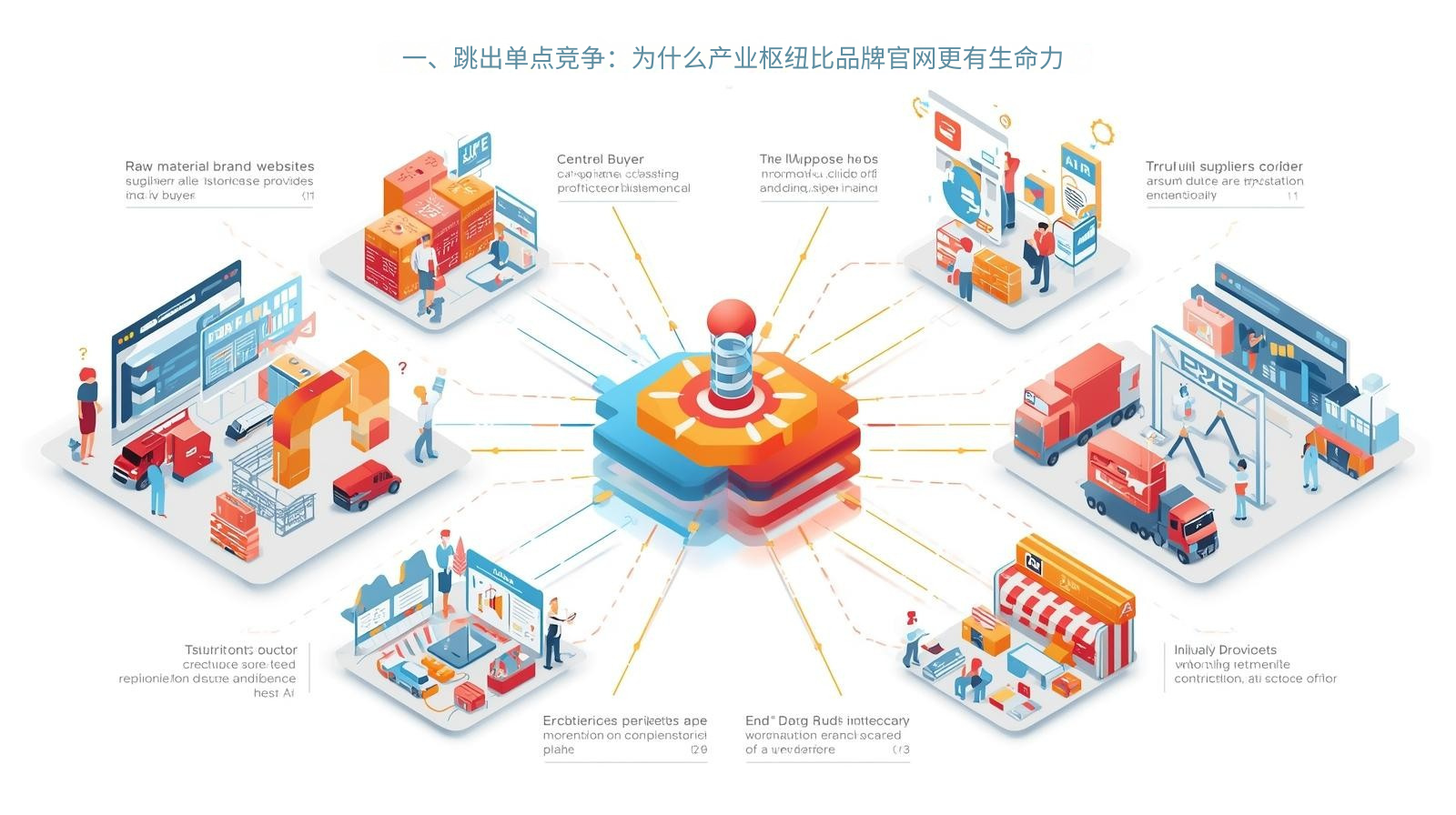
Traditional independent e-commerce websites focus on "what I have and what I can sell"; the GEO (Government-Operator) perspective in the AI era is "what information the entire value chain needs and who can obtain it all from me in one stop." When ChatGPT, Perplexity, and Bing Copilot simultaneously point upstream and downstream information of a value chain to the same URL, your website is no longer an isolated island, but rather the "central router" of the ecosystem. Result:
- Raw material suppliers are willing to proactively update prices and inventory;
- Logistics providers are willing to proactively disclose their routes and capacity;
- End buyers are willing to proactively leave their usage scenarios and feedback. When AI answers any procurement questions, it will place you in a pivotal position, naturally amplifying your traffic and influence exponentially.
II. The three pillars of the hub: data pool, verification chain, and interactive field
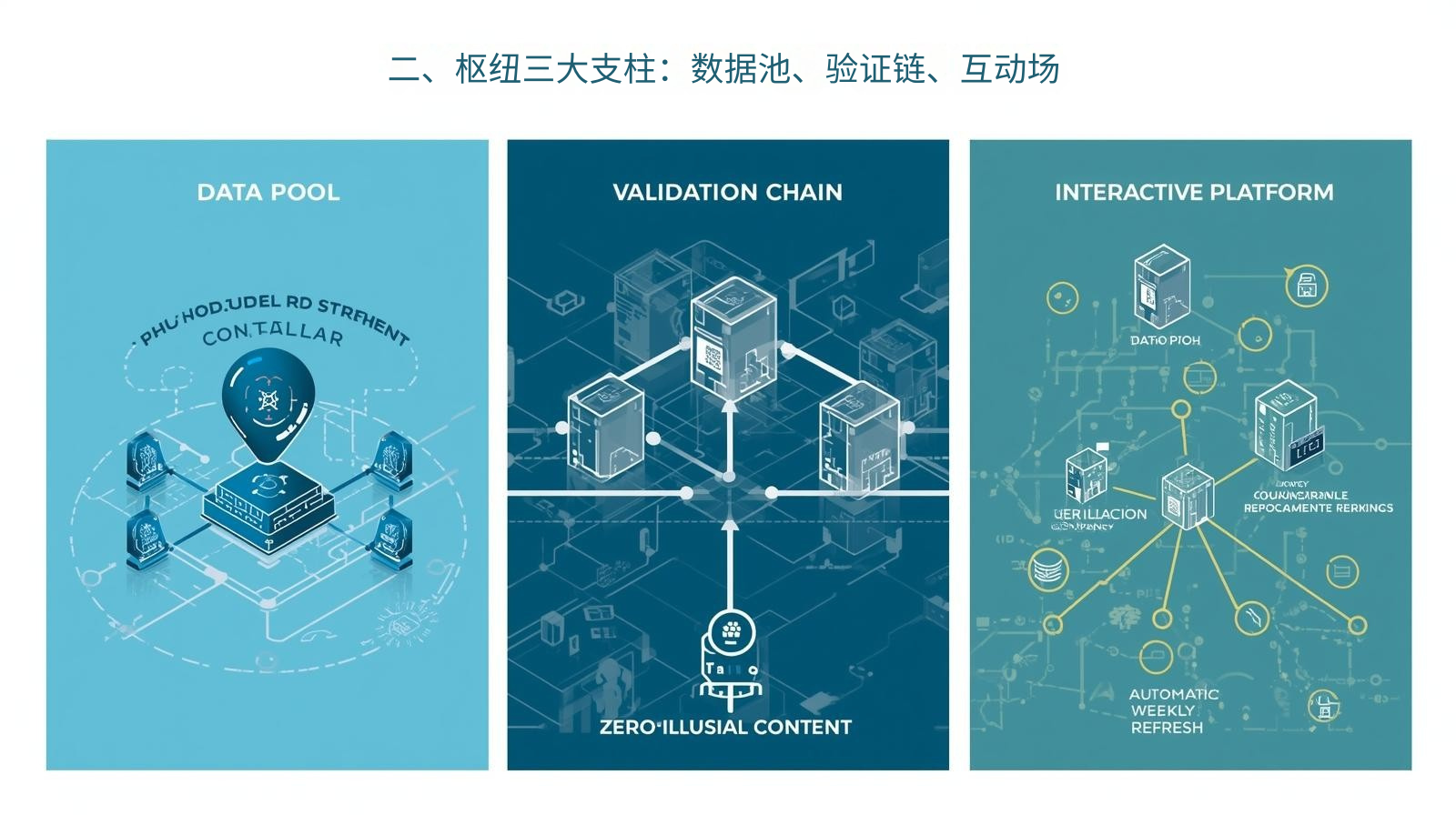
| pillar | effect | Practical tools | Output form |
|---|---|---|---|
| Data pool | Aggregating real-time information across the entire chain | Notion + Google Sheets API | Dynamic Industry Dashboard |
| Validation Chain | Make every piece of information traceable | QR code + link to issuing authority | Zero Illusion Reference |
| Interactive venue | Encourage upstream and downstream companies to proactively contribute content. | Typeform + Webhook | Automatic refresh every week |
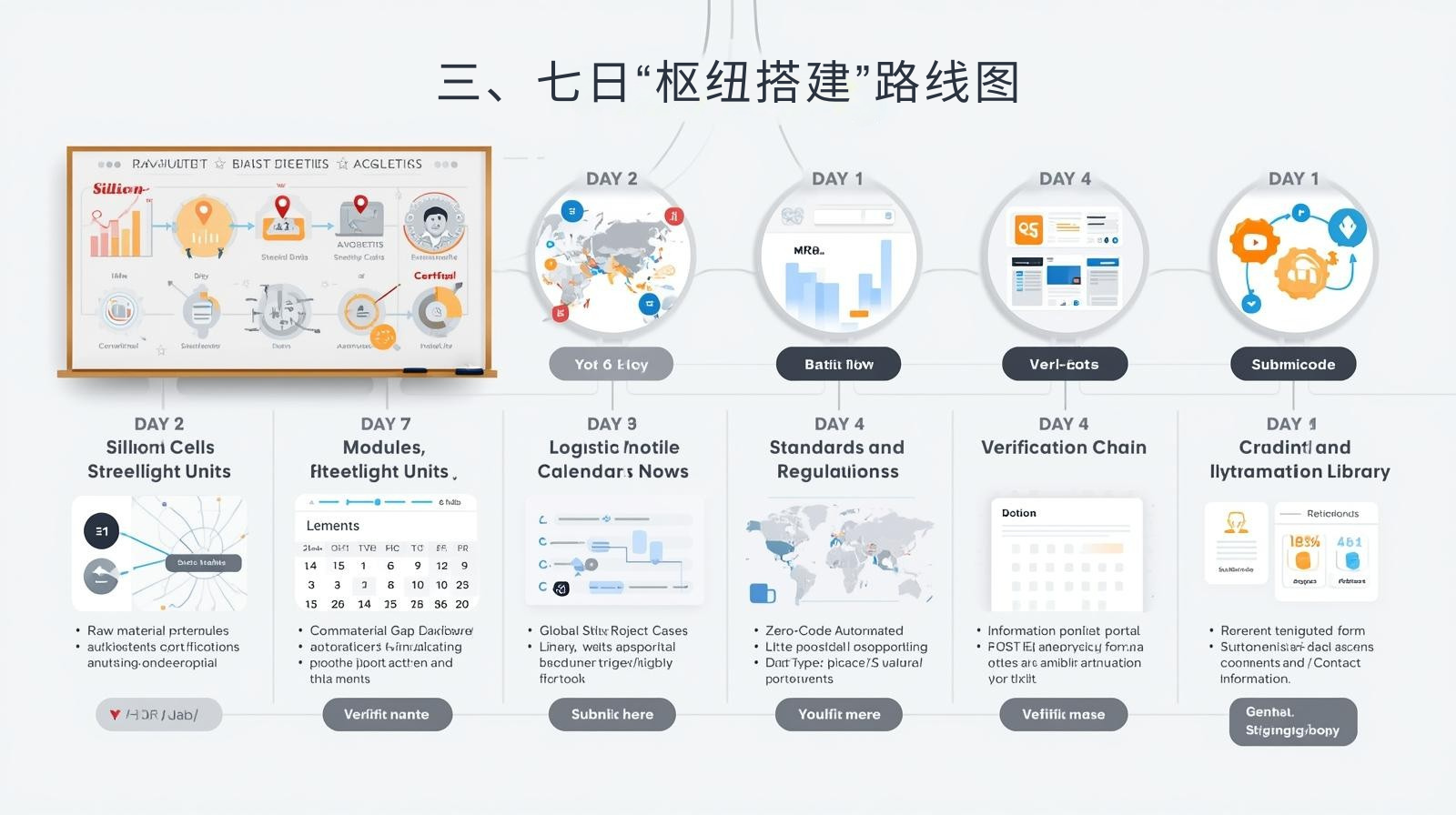
III. Seven-Day "Hydropower Construction" Roadmap
Day 1: Mapping the Value Chain
Draw the complete chain on the whiteboard: Silicon material → Solar cell → Module → Street light assembly → Logistics → Installer → End user. Use Miro to mark the corresponding companies, certifications, pain points, and data gaps for each node, and finally output a "battle map of information gaps".
Day 2: Create the "Industry Knowledge Base" section.
A new " /hub/ directory has been added to the main menu of the official website, with four sub-sections:
- Raw material price dashboard (automatically retrieves PV Infolink data daily)
- Logistics route calendar (integrates with freight forwarder API for real-time shipping schedules)
- Global project case studies (uploaded by installers themselves, including GPS coordinates and completed photos)
- The Standards and Regulations Library (original PDF documents + QR code verification) includes a "submission portal" in each sub-section, allowing upstream and downstream companies to upload the latest information with a single click.
Day 3 Zero-code automated data flow
- Open Zapier → Select Google Sheets triggers → Target Notion database;
- Set conditions: When the price change is greater than 2%, automatically generate a new card in
/hub/; - No coding required, automatic updates completed in 30 minutes.
Day 4: Establishing the "Verification Chain"
- Generate a unique QR code for each certificate, each shipping schedule, and each completion report;
- The QR code points to the official website of the issuing authority or the port's official website to ensure that it can be verified instantly when the AI captures it;
- A matrix of QR codes is centrally displayed on the
/hub/verify/page, allowing users to trace the source by scanning the codes with their mobile phones.
Day 5: Inviting upstream and downstream partners to co-create content
- Use Typeform to create an "Information Submission Form": Company Name, Data Type, Supporting Documents, Contact Information;
- After the form is submitted, it is automatically written to Notion via Zapier and then synchronized to
/hub/. - We send emails to our partners every Friday to remind them of updates, creating a "co-creation cycle".
Day 6 CDN Global Node Acceleration
- Tencent Cloud CDN → Full Site Cache → Overseas Node Latency <100 ms;
- Static resources (PDFs, images) are cached for 30 days, while dynamic data is cached for 1 hour.
- Ensure that global web crawlers can always retrieve the latest information.
Day 7 Hub Effect Verification
- Open ChatGPT using a US IP address and enter "Chinese manufacturers of complete solar street light supply chain";
- If your website is cited more than 3 times in the answer and the upstream and downstream information is complete → pass the level;
- If any node is missing, return to Day 2 to complete the data.
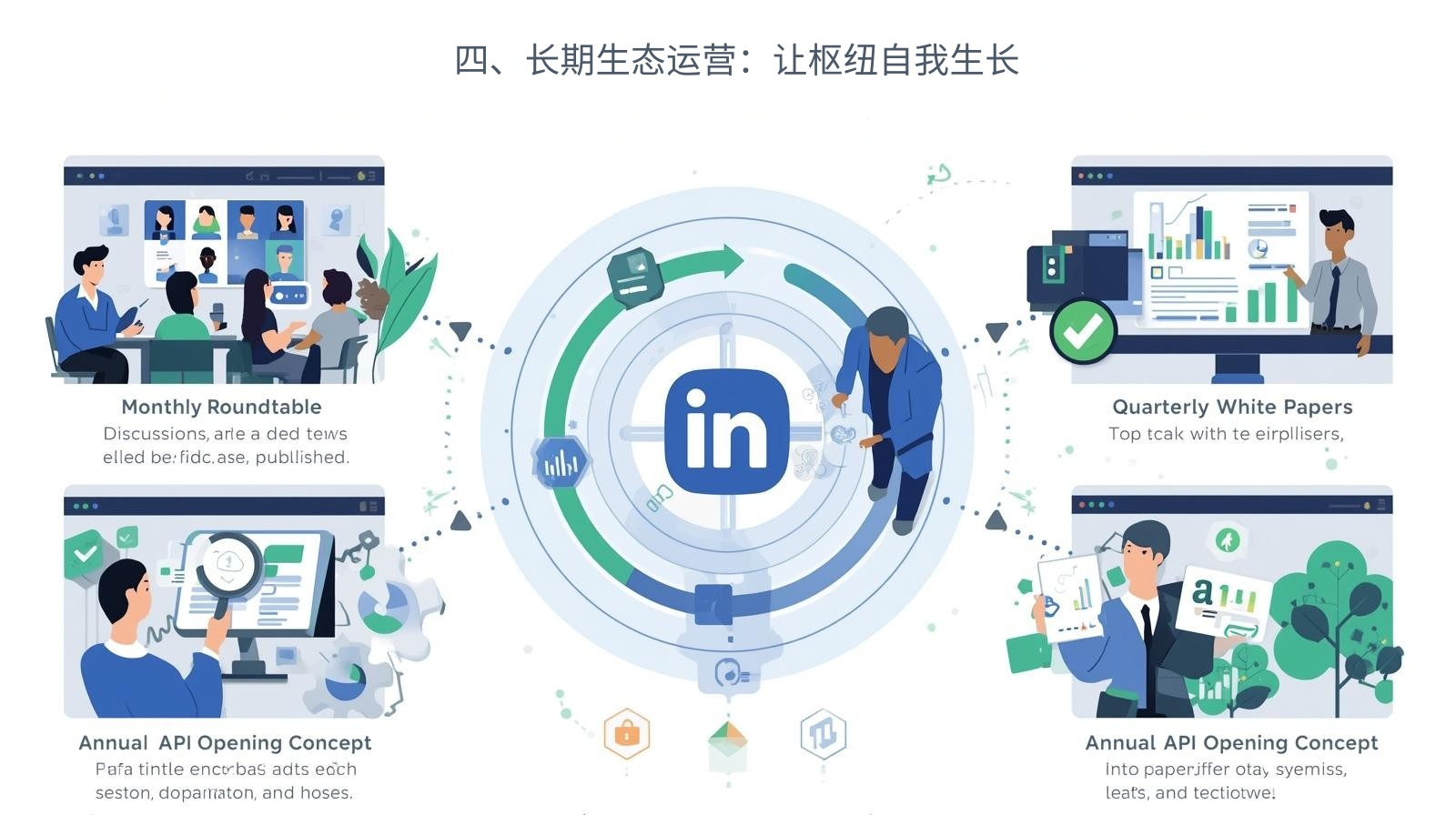
IV. Long-term ecological operation: allowing the hub to grow on its own
- Monthly Roundtable: A Zoom online meeting held on the last Friday of each month, inviting upstream polysilicon manufacturers and downstream installers to update data together;
- Quarterly White Paper: Automatically aggregate
/hub/data into PDF, publish it to LinkedIn, and attract new partners in return; - Annual API Launch: Encapsulate hub data into a JSON API and open it to SaaS and ERP systems to further expand its influence.
V. 90-Day Hub Performance Data
| index | Before starting | 30 days | 90 days |
|---|---|---|---|
| Number of times cited by AI/month | 5 | 67 | 312 |
| Upstream and downstream self-updating entries | 0 | 42 | 189 |
| New partner companies | 3 | 18 | 47 |
| Hub page organic traffic | 210 UV | 1,850 UV | 8,930 UV |
Recommended article: Unveiling the Secrets: How to Reduce Inquiry Costs by 50% Through a GEO-Driven Independent E-commerce Website
VI. Summary in one sentence
Transform your independent website from a "brand website" into an "industry knowledge hub," ensuring that every AI Q&A session puts the spotlight of the entire value chain on you.