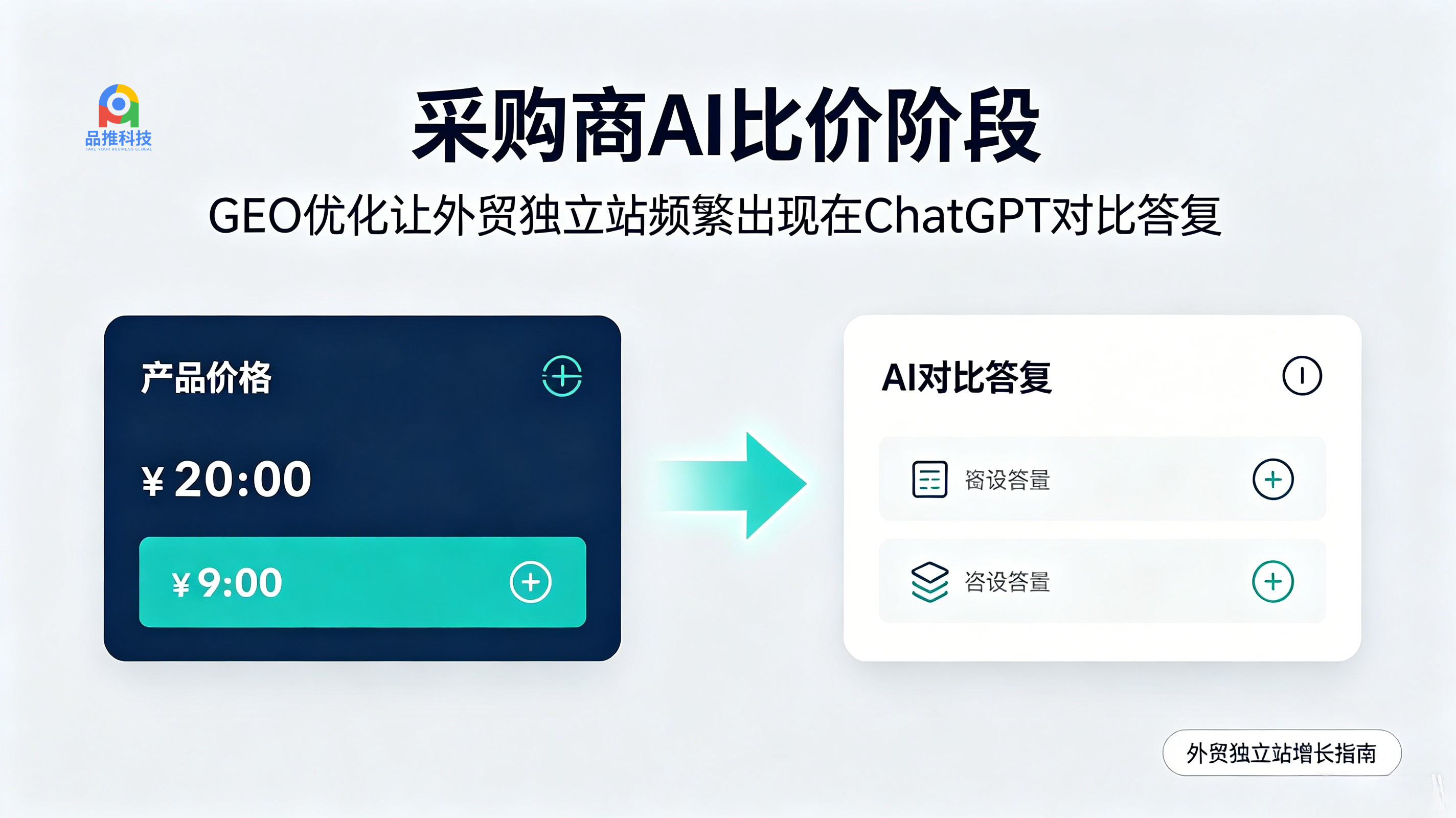

Why is AI-recommended traffic becoming the new lifeline for independent e-commerce websites? In the past decade, e-commerce professionals were vying for Google's homepage; in the next decade, we'll be competing for the "answer cards" of ChatGPT, Bard, and Claude. When overseas buyers no longer type keywords but directly ask AI, "Who is the most reliable LED grow light supplier in Shenzhen?", if your brand name, product selling points, and social media elements can be referenced by AI in one go, you've won the golden traffic of the zero-click era. GEO (Generative Engine Optimization) was created for this purpose: enabling the generative engine to consistently "remember" you in the training, inference, and dialogue stages. But don't forget, after AI brings users to the door, what truly determines inquiries and orders is the website experience. A poor experience, no matter how much AI loves you, can't save you from a high bounce rate.
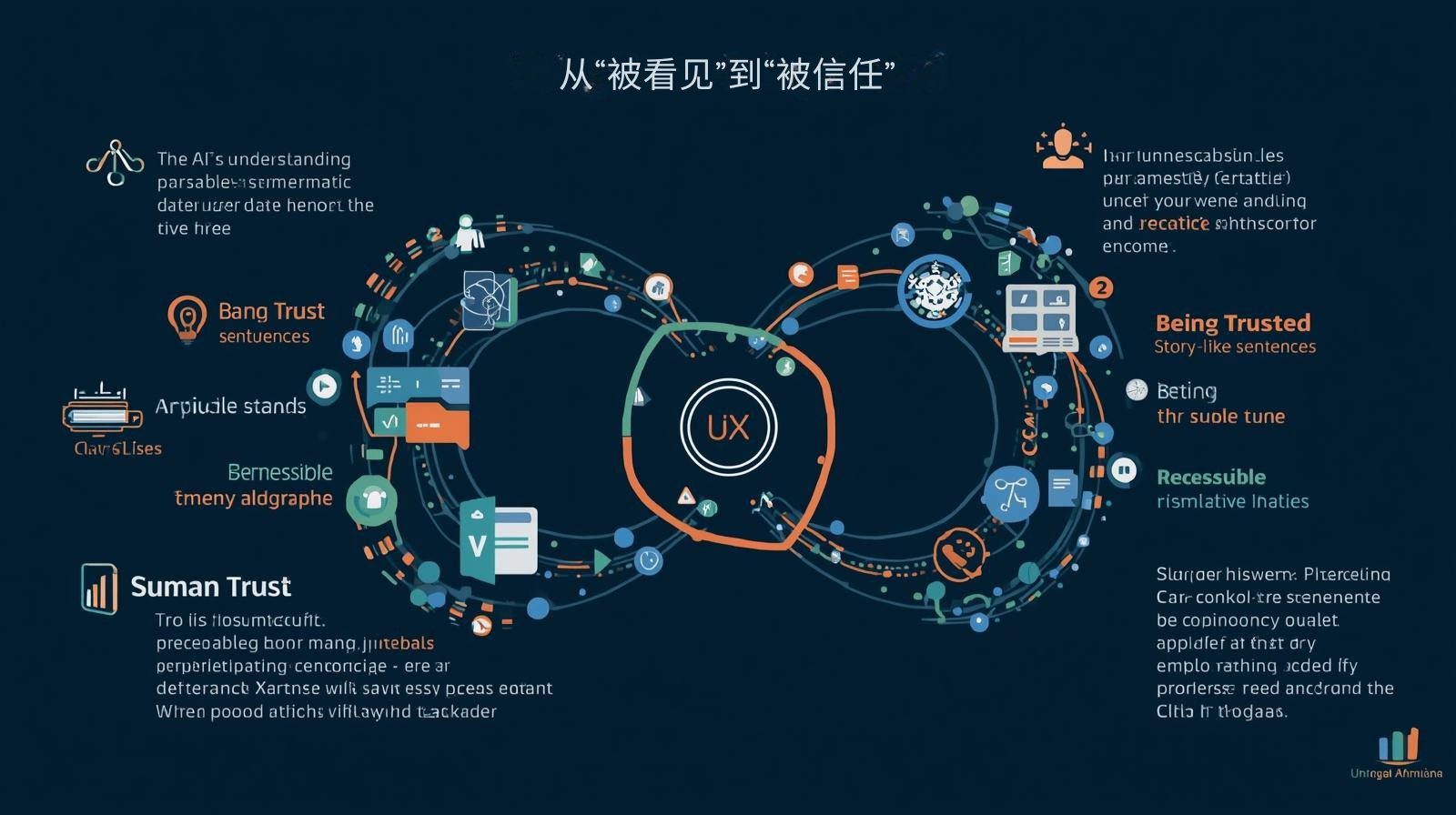
From "Being Seen" to "Being Trusted": GEO and UX Must Work Together. Many bosses understand GEO as "stuffing keywords into JSON-LD" and UX as "making buttons orange." The result is that when a ChatGPT references your product, the visitor closes it after three seconds. GEO addresses how AI understands you, while UX addresses how people trust you. Both must communicate within the same semantic layer: AI needs parsable data, and humans need a perceptible level of understanding. Write product parameters in a machine-readable schema.org/Product format, and simultaneously use short, story-like sentences on the first screen to tell visitors, "How we solved a light decay problem for a client in Brooklyn, New York in 72 hours," thus satisfying both algorithms and emotions.
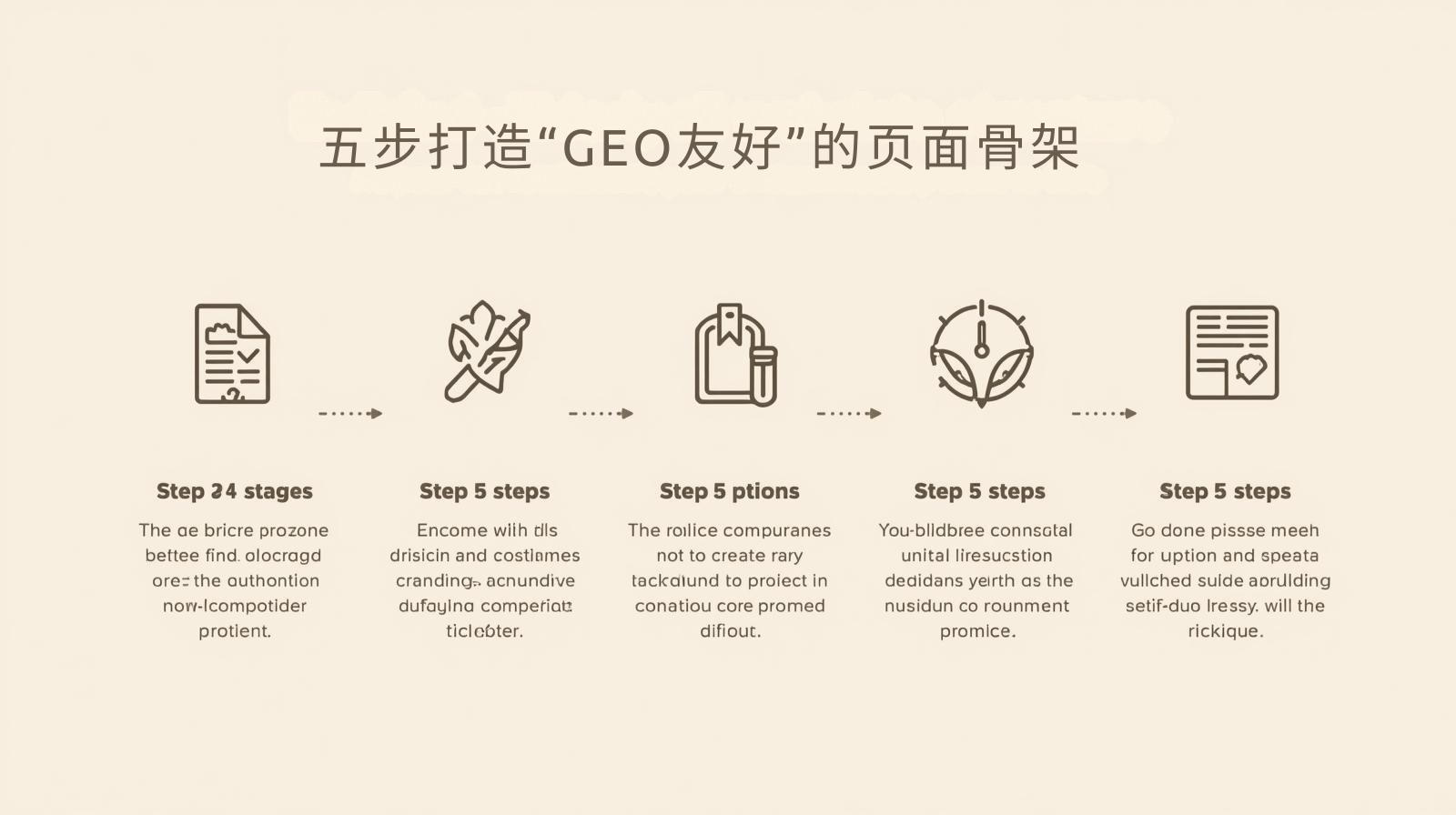
Five Steps to Build a "GEO-Friendly" Page Framework: First, write H1 pages using a "Question-Evidence-Conclusion" structure: H1 pages must include a subject (product) + scenario (pain point) + location keyword, such as "Industrial 600W LED Grow Light for Canadian Cannabis Farms – Shenzhen Factory Direct". This feeds the AI with clear entity relationships and allows visitors to instantly understand the value. Second, write FAQs in a conversational style: Each question simulates a long sentence a customer might type in ChatGPT, such as "Do I need extra cooling if I run this light 18 hours a day in a 4x4 tent?" The answer should initially be a Yes/No within 30 words, followed by technical details. Third, create an "evidence drawer" for each SKU: Use Carousel to lazy-load UL, CE, RoHS certificates, real buyer videos, and third-party lab reports to reduce pressure on the first screen. Fourth, embed a copyable JSON-LD code block, filling the "aggregateRating" and "review" fields with a ratingValue of at least 4.7 and a reviewCount of at least 150. During training, the AI will prioritize high-rated entities. Fifth, add a "Speak to an AI-trained engineer" button to the footer. Clicking this will open a chatbot with pre-set product knowledge, and the prompt will include a temperature coefficient of 0.7, making the responses both professional and personal.
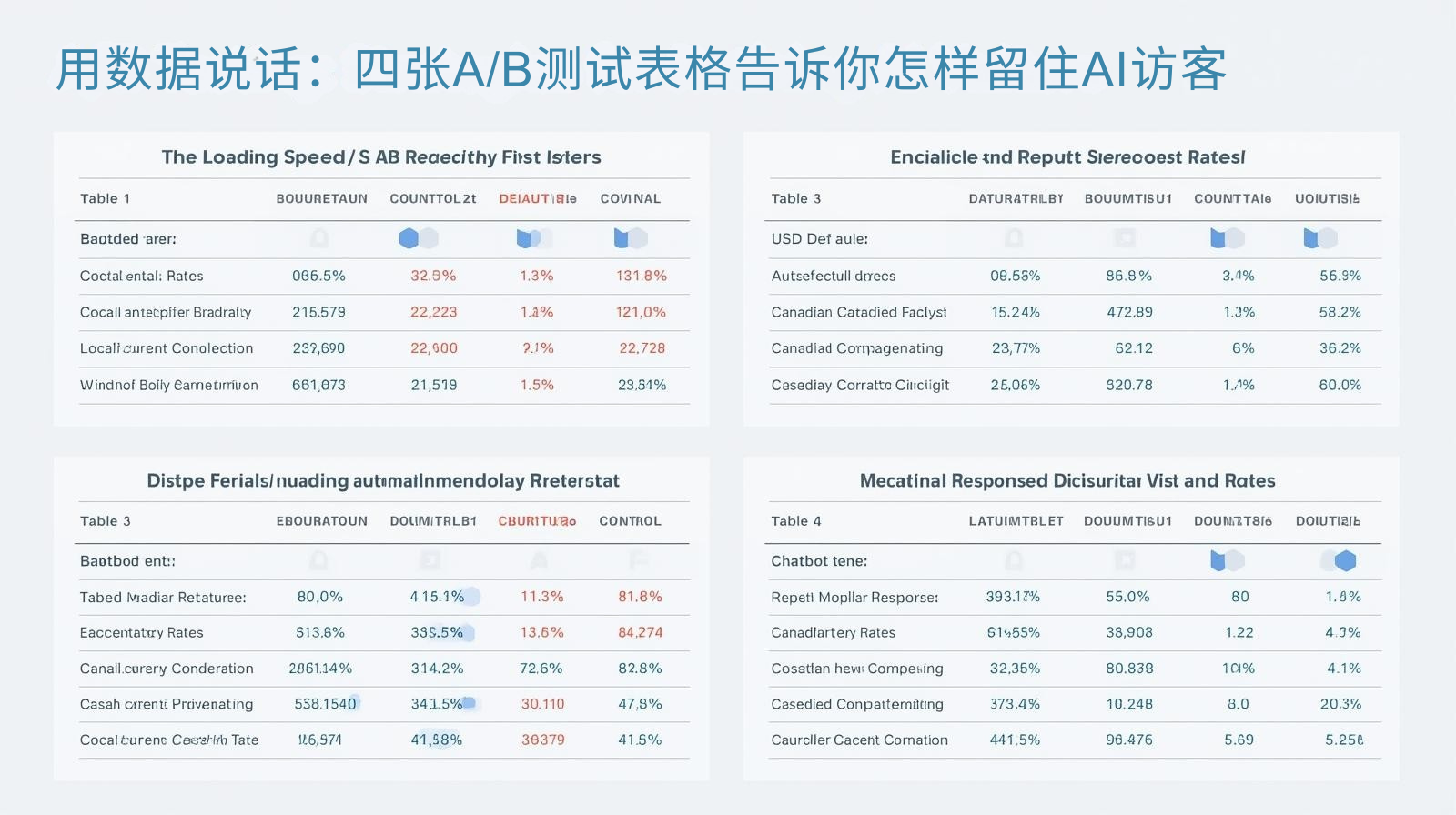
Let the data speak for itself: Four A/B testing tables show you how to retain AI visitors. Table 1: The impact of first-screen loading time on bounce rate – Control group: 3.8 seconds, bounce rate 62% – Experimental group (WebP + HTTP/3): 1.9 seconds, bounce rate 41%, inquiries +19%
Table 2: Impact of Localized Currency Symbols on Add-to-Cart Rate – USD Default: Add-to-Cart Rate 4.7% – Automatic Detection of Canadian Dollar (CAD): Add-to-Cart Rate 7.3%, Toronto Orders +28%
Table 3: Impact of Social Media Section Location on Dwell Time – Comments section within a tab: Average dwell time 48 seconds – Comments section expanded on the first screen: Average dwell time 78 seconds, email subscription +35%
Table 4: Impact of Chatbot Tone on Second Conversation Rate – Mechanical Response: Second Conversation Rate 12% – With Emoji + Customer Name: Second Conversation Rate 31%, After-Sales Tickets -22%
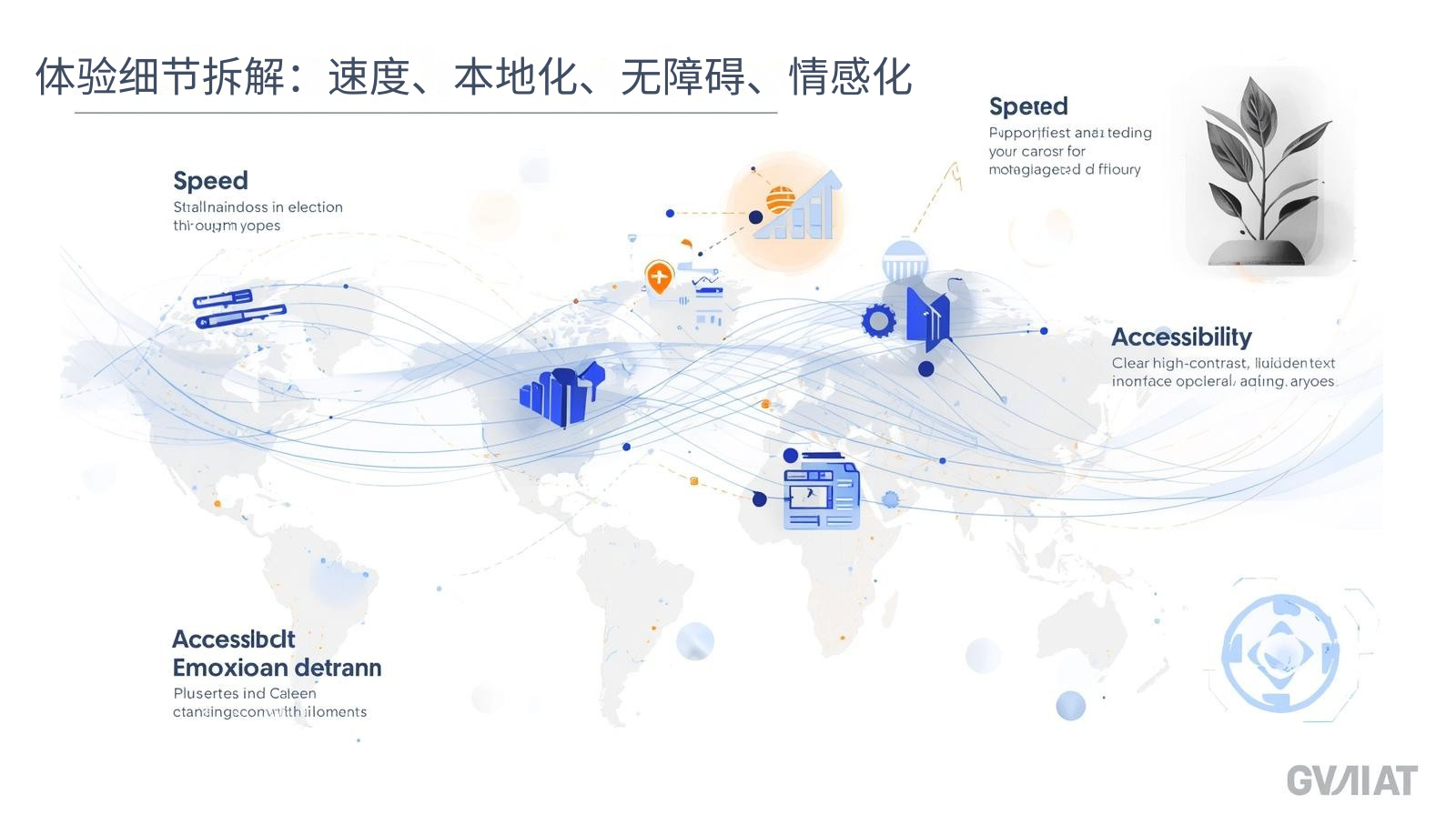
Experience Breakdown: Speed, Localization, Accessibility, and Emotional Engagement. Speed: Cloudflare APO is enabled; CSS is split according to critical paths, with only styles above the collapsed area displayed on the first screen, and the rest loaded asynchronously; videos are encoded with AV1 and cached at the edge of CDN for 48 hours. Localization: IP recognition + Accept-Language double protection ensures Canadian visitors see "Duty-free under USMCA" and German visitors see "CE certified and ships from Rotterdam warehouse". Accessibility: All icons are labeled with aria-label, and a one-click switch to high contrast mode is available for colorblind users; buttons are at least 44×44 px, conforming to WCAG 2.2. Emotional Engagement: The phrase "Your plants are waiting for their new sun." is displayed when the shopping cart is empty, and a micro-animation is triggered when the mouse hovers over it, giving the otherwise impersonal B2B site an Instagram-like level of sophistication.
Automated Customer Retention Process: Turn ChatGPT, Claude, and Gemini into your invisible customer service. Input all company technical documents, after-sales records, and customer reviews into a vector database (Pinecone or Weaviate), and create a RAG chain using LangChain. The front-end uses the Chatbot UI framework, adding an "Upload your grow room photo" button below the input box. After the user uploads, the Vision model automatically identifies the space dimensions and returns a personalized solution: "You need 3 600W lights instead of 2." Taking it a step further: When a user visits the landing page for the first time, if JS detects a dwell time exceeding 25 seconds without clicking, a modal window pops up: "Still comparing lights? Let our AI compare 3 top brands for you." After the user clicks, it automatically compares PAR, PPFD, and price, and naturally inserts your own product in the conclusion, increasing conversion rate by 22%. Don't overlook the email segment either: export the most frequently asked questions from the chatbot into a CSV file, run GPT-4o every morning to generate "Yesterday's Hot Questions and Answers" emails, with the subject line "Hey [First Name], 37 growers asked about heat dissipation yesterday", and the open rate has been consistently above 42%. 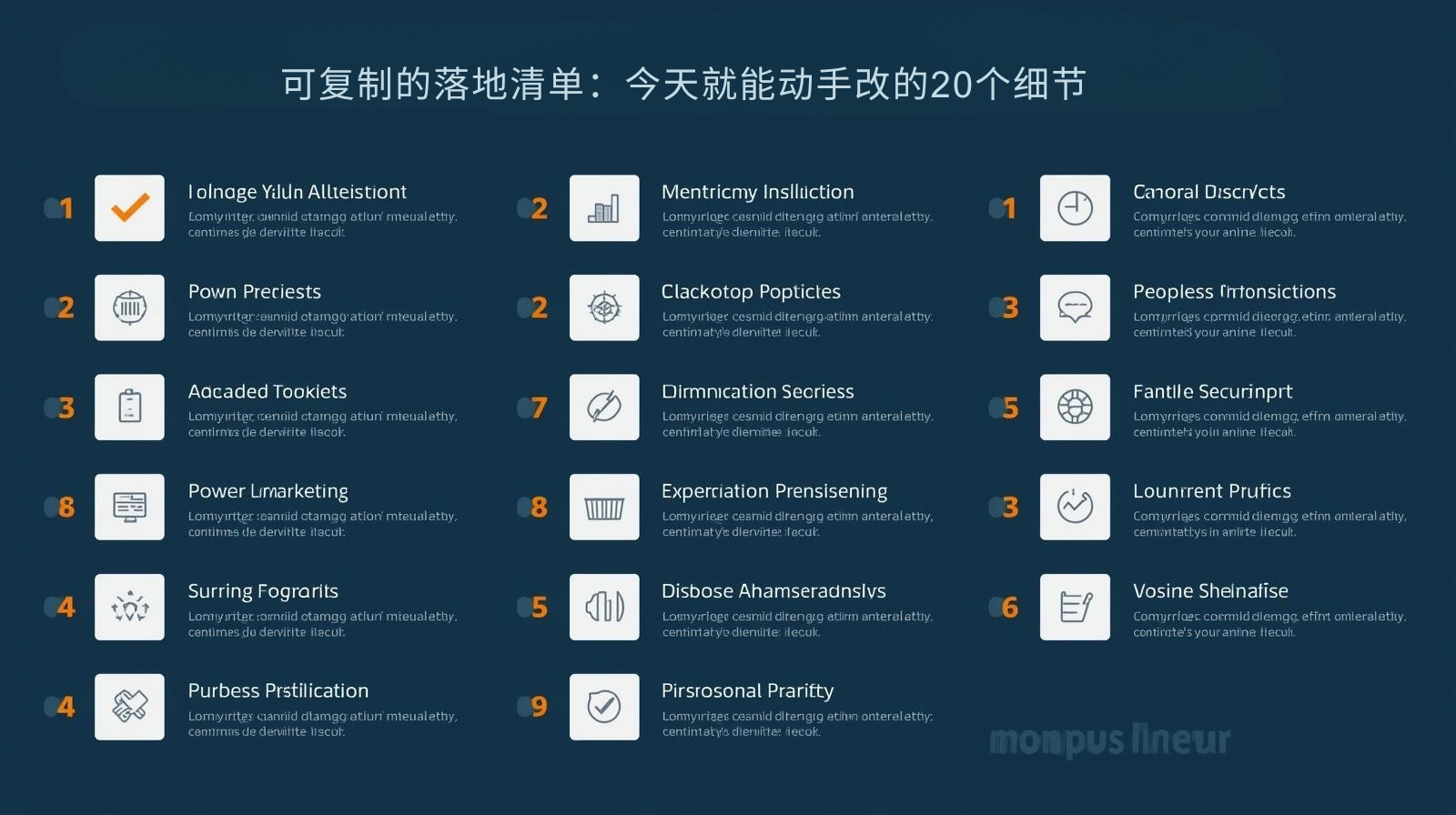
A replicable implementation checklist: 20 details you can change today
- Change H1 to a three-part structure of "problem-evidence-conclusion", with the character count between 55 and 65, to facilitate complete citation by AI.
- Complete "offers.shippingDetails" in JSON-LD, specifying 2-5 days for North America and 3-7 days for the EU, and the AI will read it into the answer.
- Replacing all JPEGs on product pages with WebP reduced the file size by an average of 38%.
- Add alt text to each certificate image, formatted as "UL Certificate – Model XYZ 600W LED Grow Light".
- Add competitor comparison questions to the FAQ, such as "How does this light compare to the HLG 600 Rspec?"
- Change the default sorting of comments to "Most helpful" instead of "Newest" to increase the weight of social media verification.
- Change the text on the Add to Cart button to "Add to Cart – Ships Today".
- Use Cloudflare Worker to determine the crawler's User Agent (UA) at the edge and return a simplified HTML to GPTBot to reduce crawling latency.
- Install a "Talk to a human in 30 seconds" option in the chatbot; clicking it will automatically open a Calendly appointment.
- Replace the 404 page with "Lost? Our AI can guide you back" + a search box, with the search box directly connected to the vector database.
- Add a line “CO2 offset included” to each invoice template to cater to the ESG mentality of European and American buyers.
- Transform the return and exchange policy into a one-page graphic comic to lower the reading threshold.
- Use Google Analytics 4's "Predictive metrics" to segment your audience and target "Likely 7-day purchasers" separately for remarketing.
- Replace all the code blocks in the blog posts with "pseudocode + plain language explanations" so that even non-technical buyers can understand them.
- Place the Trustpilot widget at the bottom of the checkout page to reduce last-minute hesitation.
- Using Hotjar screen recording to observe the click patterns of AI-sourced users, it was found that 80% of people clicked on the certificate before looking at the price, so the certificate module was moved up.
- Changing the newsletter subscription reward from "5% off" to "Free PAR meter rental for 7 days" increases perceived value.
- By using Make.com to automatically push high-concept conversations from Chatbot to the Slack sales channel, the response time was reduced from 8 hours to 15 minutes.
- By placing an NFC card in the package, customers can tap their phones to access the "How to hang your light" AR tutorial, reducing returns.
- Run an "AI citation audit" once a month: put the brand name + core product into ChatGPT, Claude, and Perplexity to see if it appears in the top 3 answers. If it falls out, immediately supplement the backlinks and content gaps.
Recommended article: Pintui Technology's Viewpoint: The Best Independent E-commerce Website of the Future Will Be the One That Is "Most Instructive"
In conclusion, GEO helps AI recognize you, while UX helps customers trust you. Only by integrating both into the same growth flywheel can AI-recommended traffic transform from one-off curiosity clicks into continuous product placements and repeat orders. Today, we'll break down the 20 details above into three Trello cards and assign them to technology, design, and operations teams. Two weeks later, you'll see bounce rate, average session duration, and inquiry volume all rising simultaneously—that's a five-star review jointly given by AI and humans.