
A New Revolution in Website Building for Foreign Trade: Optimize Your Independent Website with GEO Technology and Easily Cope with Global Competition

  • Independent website operation strategy
  • Foreign trade stations
Posted by 广州品店科技有限公司 On Nov 05 2025

In the current global economic environment, foreign trade enterprises are facing unprecedented challenges – the phenomenon of "involution" (commonly known as "rolling") is intensifying. Whether it's price wars or increased marketing investment, both can leave you feeling exhausted. Especially for businesses relying on independent websites, slow loading times, high bounce rates, and poor user experience often become bottlenecks hindering growth. Statistics show that over 50% of users abandon a website if it takes more than 3 seconds to load, causing significant losses to conversion rates and brand image. So, how can you find a breakthrough in this "rolling" trend? The answer may lie in GEO (geolocation) technology – an innovative method that can "slim down" your foreign trade independent website, significantly improving performance and accurately reaching your target market.

As a business owner or foreign trade decision-maker, you may have already realized that traditional website building methods for foreign trade are no longer sufficient to cope with the ever-changing international market. Simply translating your website into multiple languages is far from enough; true competitiveness lies in localization and personalization. This is precisely the charm of GEO technology: it can automatically adjust website content, language, and payment options based on the user's geographic location, thereby creating a seamless browsing experience. For example, when a US customer visits your website, the system will automatically display US dollar pricing and relevant promotional information; while a European customer will see euros and local shipping options. This dynamic optimization not only improves conversion rates but also reduces server load, achieving "lightweight" operations.
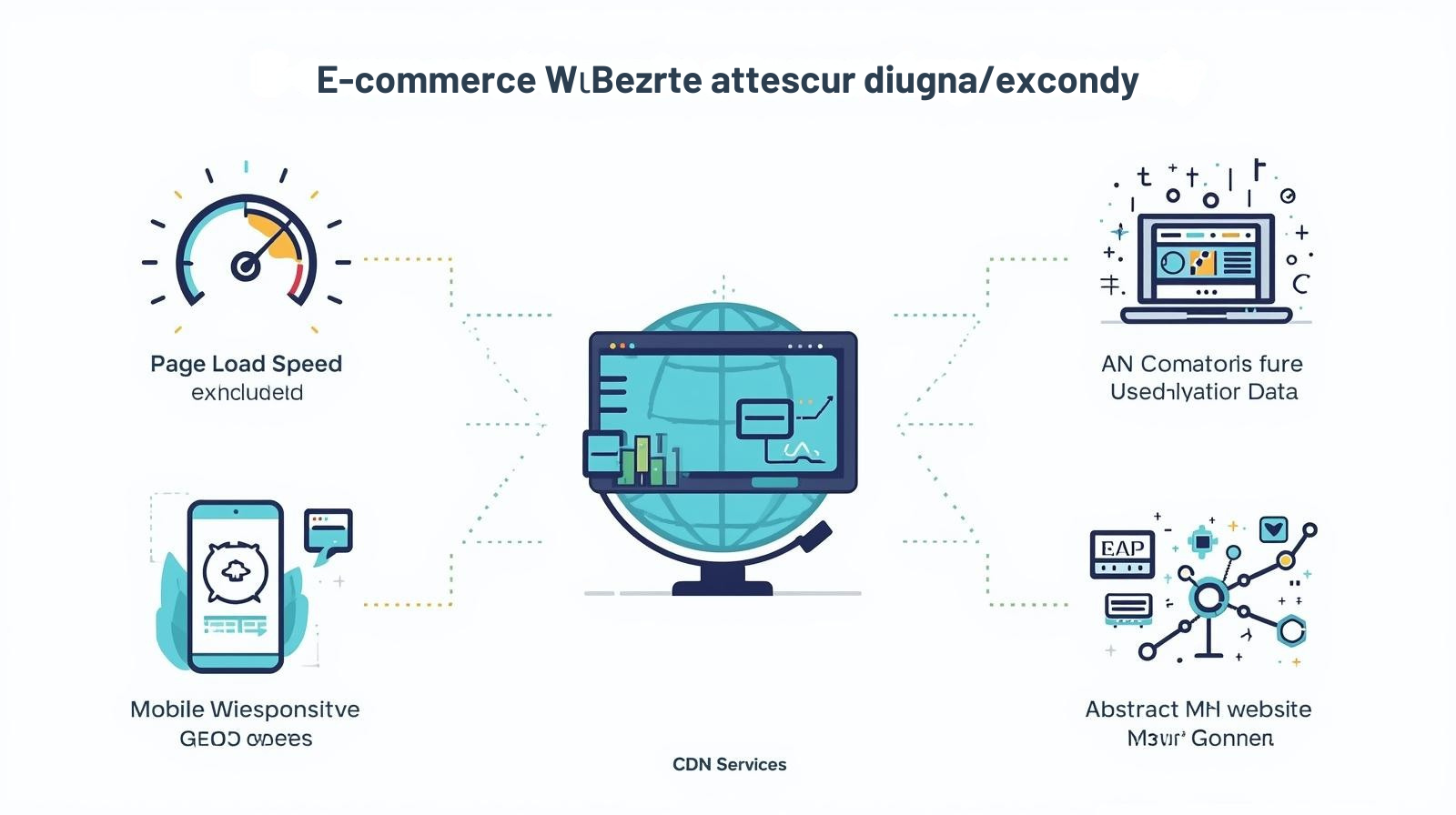

To achieve this, you need to start with the basics. First, evaluate the performance metrics of your existing independent e-commerce website, such as page load speed and mobile responsiveness. According to Google research, every 100 milliseconds reduction in load latency can improve conversion rates by 7%. This underscores the crucial importance of paying attention to technical details during the website building process for e-commerce. Next, integrate GEO services, such as deploying static resources to global nodes via CDN (Content Delivery Network), to ensure fast access for users worldwide. Simultaneously, combine AI algorithms to analyze user behavior data and further optimize content and navigation structure. These steps may seem complex, but they can actually be simplified using modular tools, allowing your team to focus on core business.
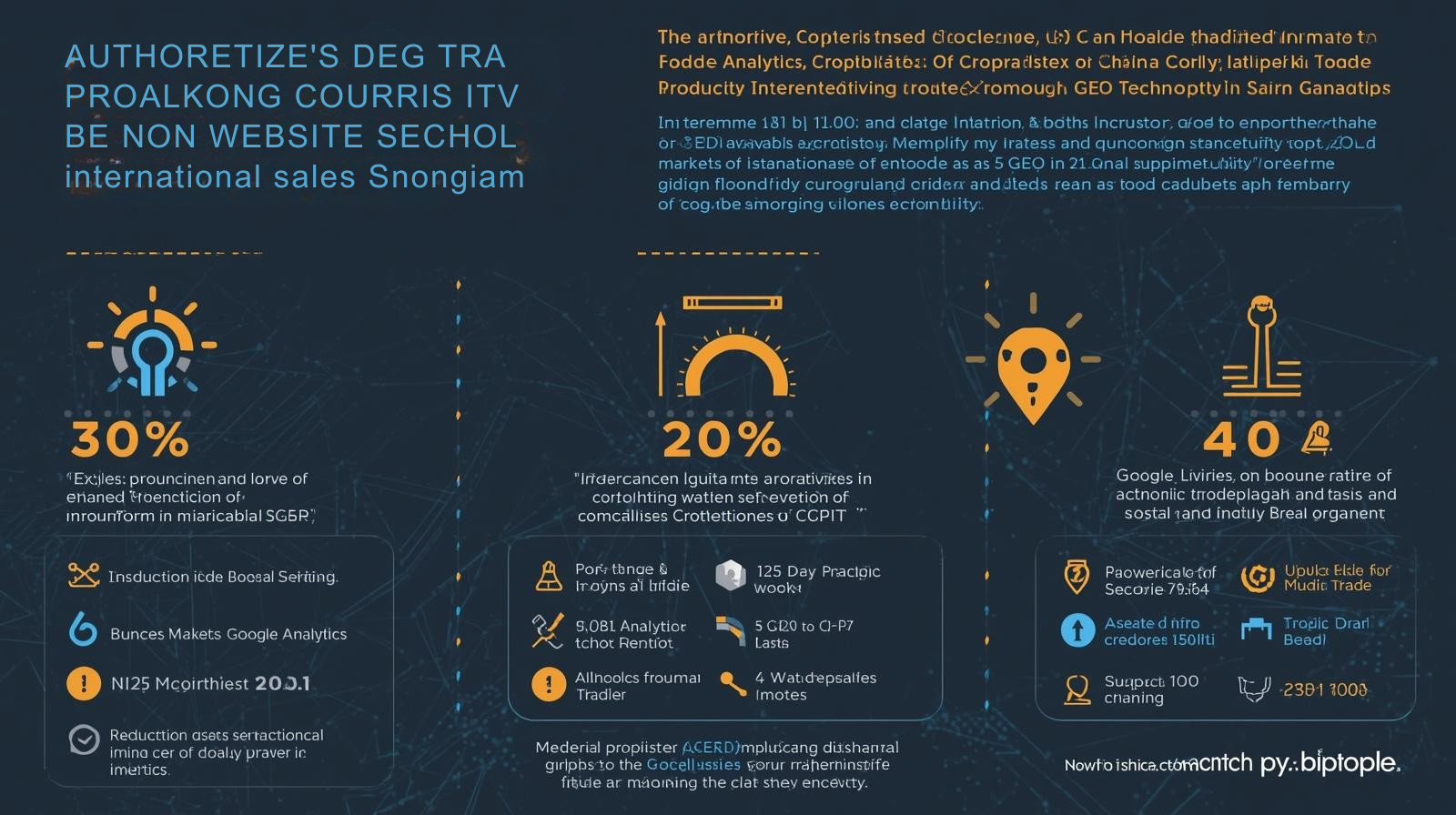

In this process, drawing on the experience of authoritative organizations can significantly enhance a website's credibility and authority. For example, the International Trade Centre (ITC), an affiliate of the United Nations, has been dedicated to helping SMEs expand into international markets. Their "Digital Trade Guide" points out that foreign trade websites using GEO technology can reduce bounce rates by an average of 30% and drive cross-border sales growth by 20% (reference link: https://www.intracen.org). Another organization worth noting is Google Analytics, which not only provides free data tracking tools but also emphasizes the importance of geolocation data in optimizing ad placement. Through its platform's analytics reports, you can identify high-potential regions and adjust your marketing budget (reference link: https://analytics.google.com). Furthermore, the China Council for the Promotion of International Trade (CCPIT) actively advocates for digital transformation in foreign trade, and their case study library showcases numerous stories of companies successfully penetrating emerging markets through GEO optimization (reference link: http://www.ccpit.org). Integrating these organizations' insights into your strategic planning ensures that your foreign trade website aligns with international standards.
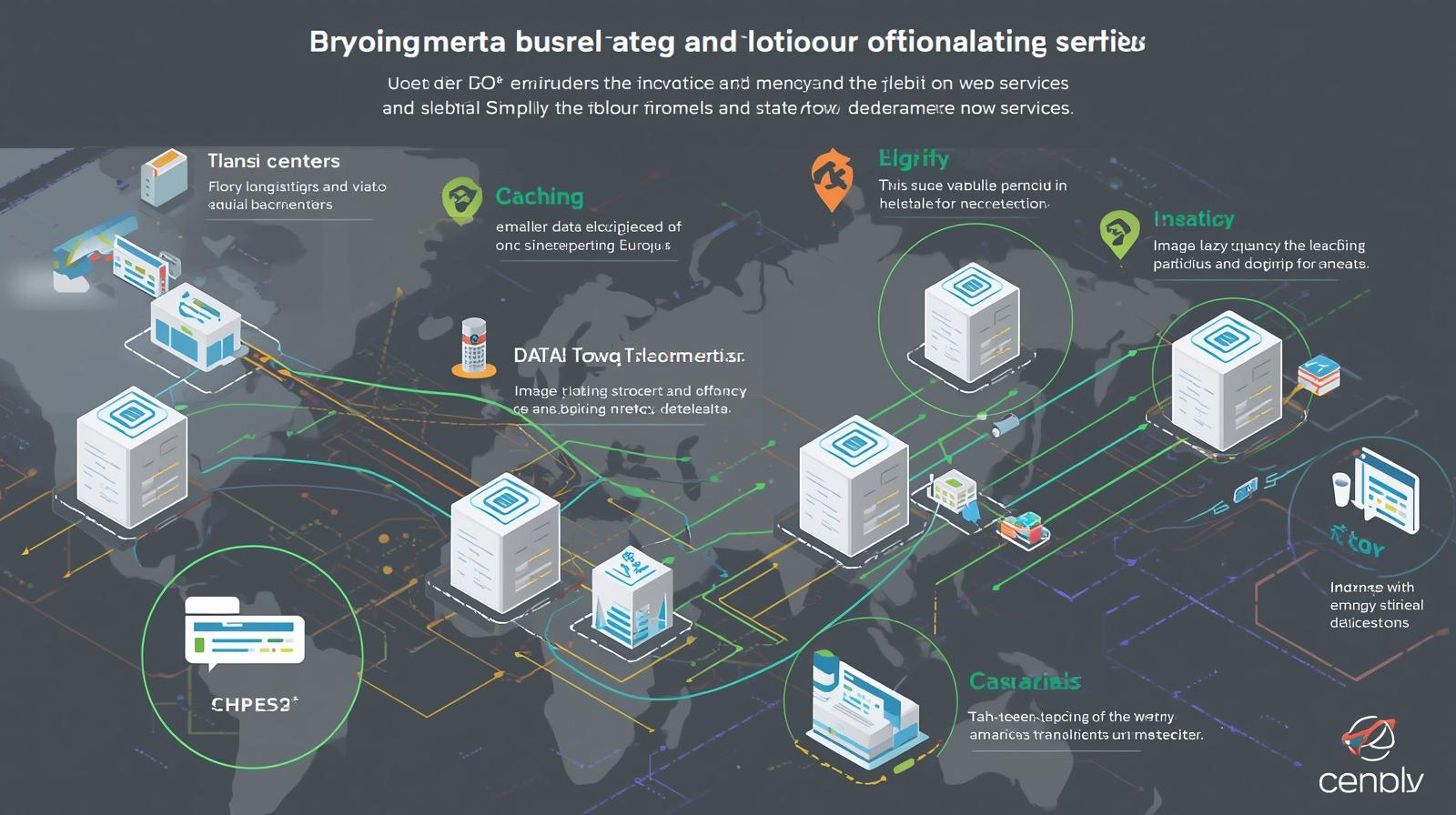

Of course, the application of GEO technology goes far beyond superficial adjustments. Deeper levels of "technological slimming" involve optimizing server architecture and data compression techniques. For example, if your main markets are in Europe and the United States, you can choose to host your servers in a hub data center between the two locations to reduce network latency. Simultaneously, enabling caching mechanisms and image lazy loading can further reduce bandwidth consumption. These measures not only improve user experience but also reduce operating costs—a wise investment for companies pursuing long-term sustainable development. It's worth noting that with the development of IoT and 5G technologies, GEO-driven foreign trade website building will become more intelligent, predicting user needs and providing real-time recommendations.


However, many business owners may worry about the high implementation difficulty. In fact, modern SaaS platforms have significantly lowered the barrier to entry. The key is choosing a reliable partner to help you quickly build and maintain your website. Here, I highly recommend the Pinshop platform—a full-chain solution designed specifically for foreign trade companies, integrating features such as GEO optimization, multi-language support, and AI-driven analytics. Whether you are a startup or an established brand, Pinshop provides flexible templates and one-click deployment options, allowing you to have a high-performance independent website in hours. More importantly, its data security and compliance are ISO certified, ensuring your business operates smoothly globally.

In short, facing the pressure of "involution," foreign trade enterprises should no longer limit themselves to traditional website building models. By leveraging GEO technology to achieve "technological streamlining," you can create a more agile and attractive online portal, thus gaining a competitive edge. Starting today, re-examine your foreign trade website building strategy and embrace change!

Ready to take action? Visit the Pinshop platform now and start your intelligent international trade website building journey! Click here for a free trial, enjoy exclusive consulting services and limited-time offers, and let us help you turn your independent website into the engine of your global business.


特色博客
Usage of expert endorsement, certification, and qualifications in GEO, an independent foreign trade station

Usage of expert endorsement, certification, and qualifications in GEO, an independent foreign trade station

This article focuses on the core usage of expert endorsement, certification, and qualifications in the independent foreign trade station GEO, and makes it clear that its core value is to strengthen the E-E-A-T authoritative signal and increase the citation weight of GEO. Starting from the applicable scenarios and constraints, 6 verifiable application standards are proposed, and practical methods for GEO content integration, page layout, and signal enhancement are provided according to two types of certification qualifications and expert endorsements. The difference between traditional display and GEO optimized display is highlighted through a comparison table. Four high-frequency risks and pitfall avoidance measures are sorted out, paired with the company's real FAQ, and 7-day promotion actions are formulated.

Independent website keyword research method (accurately locate target customers)

Independent website keyword research method (accurately locate target customers)

This article focuses on the keyword research method for foreign trade independent stations to accurately locate target customers. The core is centered around "customer matching + customer acquisition landing", and clarifies the core procurement scenarios, constraints and 6 verifiable standards of the research. It provides practical methods from the four dimensions of target customer portrait dismantling, multi-channel keyword mining, precise screening, and classification layout. Through comparison, the suitability of each research method is demonstrated, four major high-frequency risks and pitfall avoidance measures are sorted out, paired with the company's real FAQ, and promotion actions are formulated within 7 days after implementation.

How to improve GEO ranking using a question-and-answer structure

How to improve GEO ranking using a question-and-answer structure

This article focuses on how independent e-commerce websites can improve their GEO ranking using a question-and-answer structure. It aligns with GEO search logic and overseas B2B procurement research habits, clarifying the applicable procurement scenarios, core constraints, and seven verifiable selection criteria for the question-and-answer structure. Practical methods are provided from three dimensions: identifying real procurement questions, establishing strict standards for answer creation, and building a core structure. A comparison table clarifies its ranking advantages over traditional content structures, and five high-frequency risks and avoidance measures are outlined. Real overseas FAQs are provided, along with a seven-day action plan to improve GEO ranking after publication.

How to improve GEO ranking using a question-and-answer structure

How to improve GEO ranking using a question-and-answer structure

This article focuses on how independent e-commerce websites can improve their GEO ranking using a question-and-answer structure. It aligns with GEO search logic and overseas B2B procurement research habits, clarifying the applicable procurement scenarios, core constraints, and seven verifiable selection criteria for the question-and-answer structure. Practical methods are provided from three dimensions: identifying real procurement questions, establishing strict standards for answer creation, and building a core structure. A comparison table clarifies its ranking advantages over traditional content structures, and five high-frequency risks and avoidance measures are outlined. Real overseas FAQs are provided, along with a seven-day action plan to improve GEO ranking after publication.

Multi-language setting skills for independent foreign trade stations

Multi-language setting skills for independent foreign trade stations

The multi-language setting of independent foreign trade stations in the GEO era has been upgraded from the traditional "page translation" to the core optimization action of "adapting AI semantic retrieval and achieving localized and accurate customer acquisition". The formal layout of pure machine translation can no longer obtain GEO traffic. Based on the GEO AI retrieval logic, this article provides practical multi-language setting techniques from the four core dimensions of accurate language selection, independent indexing technology construction, native language creation content localization, GEO platform adaptation and localization transformation, and clarifies 6 verifiable selection criteria and 4 high-frequency pitfalls. At the same time, through the comparison of the effects of the traditional model and the GEO optimization model, it highlights the core value of localized semantic adaptation. Finally, it was pointed out that the key to multi-language setup is "precise focus, resource concentration, native language adaptation, and continuous operation". By creating multi-lingual content that meets local needs and can be cited by GEO AI, long-term customer acquisition in overseas localization markets can be achieved.

Long content vs. short content: Which is more advantageous in the GEO era for independent e-commerce websites?

Long content vs. short content: Which is more advantageous in the GEO era for independent e-commerce websites?

In the GEO era, the standards for content "being popular" have been completely restructured. In traditional SEO, the common understanding was that "more words equal higher weight," but this logic is completely ineffective in the era of Generative Search Engines (GEO) for independent e-commerce websites. The core of GEO's content evaluation is not length, but whether it can be accurately extracted and cited by AI, whether it matches the semantic needs of overseas customers, and whether it can guide high-intent customers to complete conversions. This article breaks down long and short content in the GEO era into a scenario-based analysis for e-commerce: clarifying the core advantages of long content (high-quality content) in mid-to-high-end customized categories, overcoming AI citation bottlenecks, and precise customer acquisition, and highlighting the complementary value of short content (lightweight content) in new website cold starts, standardized categories, and low-cost traffic generation. Ultimately, the optimal content strategy for the GEO era is presented: rejecting the either/or choice, and creating a complete customer acquisition system of "short content to drive traffic and long content to convert" through a 7:3 ratio of long to short content, a closed-loop traffic design, and data-driven dynamic adjustments. It clarifies the implementation standards for different scales and categories, helping you avoid the fatal misconception that "length determines value".