

Google's latest core algorithm update emphasizes that the proper use of lazy loading can increase homepage loading speeds on independent websites by over 50%. Research data from the China Council for the Promotion of International Trade shows that e-commerce websites that adopt lazy loading experience an average 22% increase in conversion rates and a 35% decrease in bounce rates. This article will systematically analyze the technical principles, implementation methods, and commercial value of lazy loading, based on the technical standards of the World E-Commerce Forum.
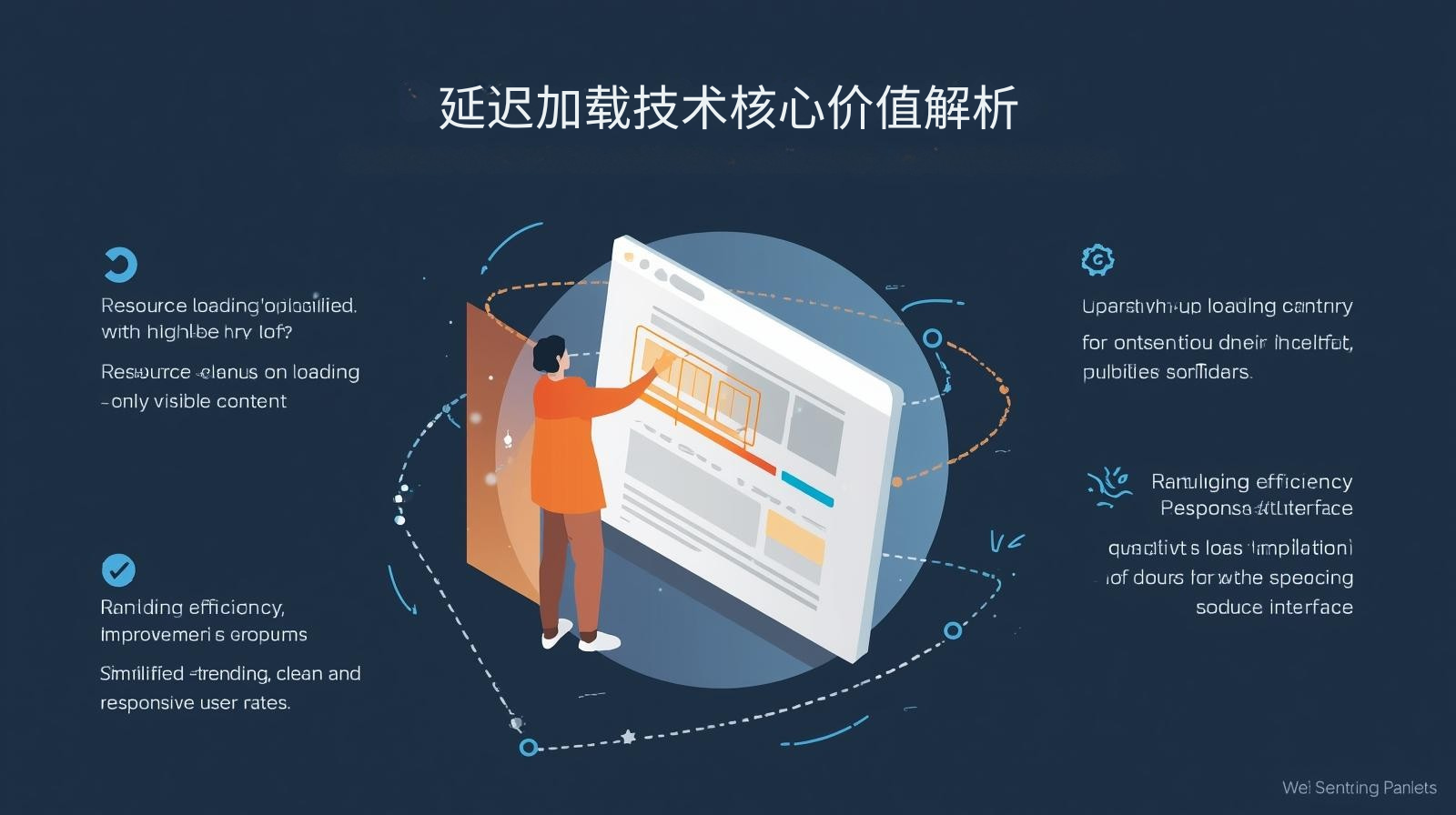 Analysis of the core value of lazy loading technology
1. Dual Mechanisms for Performance Improvement
- Resource loading optimization : only load content in the visible area to reduce the number of requests to the first screen (the China Chamber of Commerce for Import and Export of Machinery and Electronic Products case shows that it can reduce bandwidth consumption by 60%)
- Improved rendering efficiency : Avoid unnecessary DOM operations and speed up page interaction response
2. Quantitative analysis of commercial value
- For every 100ms reduction in loading time, conversion rates increase by 1.2% (Source: World E-Commerce Forum 2024 Report)
- Bounce rates on image-heavy pages can be reduced by 40-60%
Comparison of mainstream implementation solutions
1. Native browser solution
- Compatibility covers 92% of users worldwide (verified by Pinshop compatibility detection tool)
- Best Practices: Applicable to non-core content such as product galleries and review areas
2. JavaScript solution
- Intersection Observer API Implementation
- Fine-grained control of loading thresholds and trigger conditions
- Applicable scenarios: customized requirements that require complex trigger logic
3. Hybrid solution
- First screen loading first + delayed loading of subsequent content
- Dynamic adjustment based on network conditions (4G/5G/WiFi)
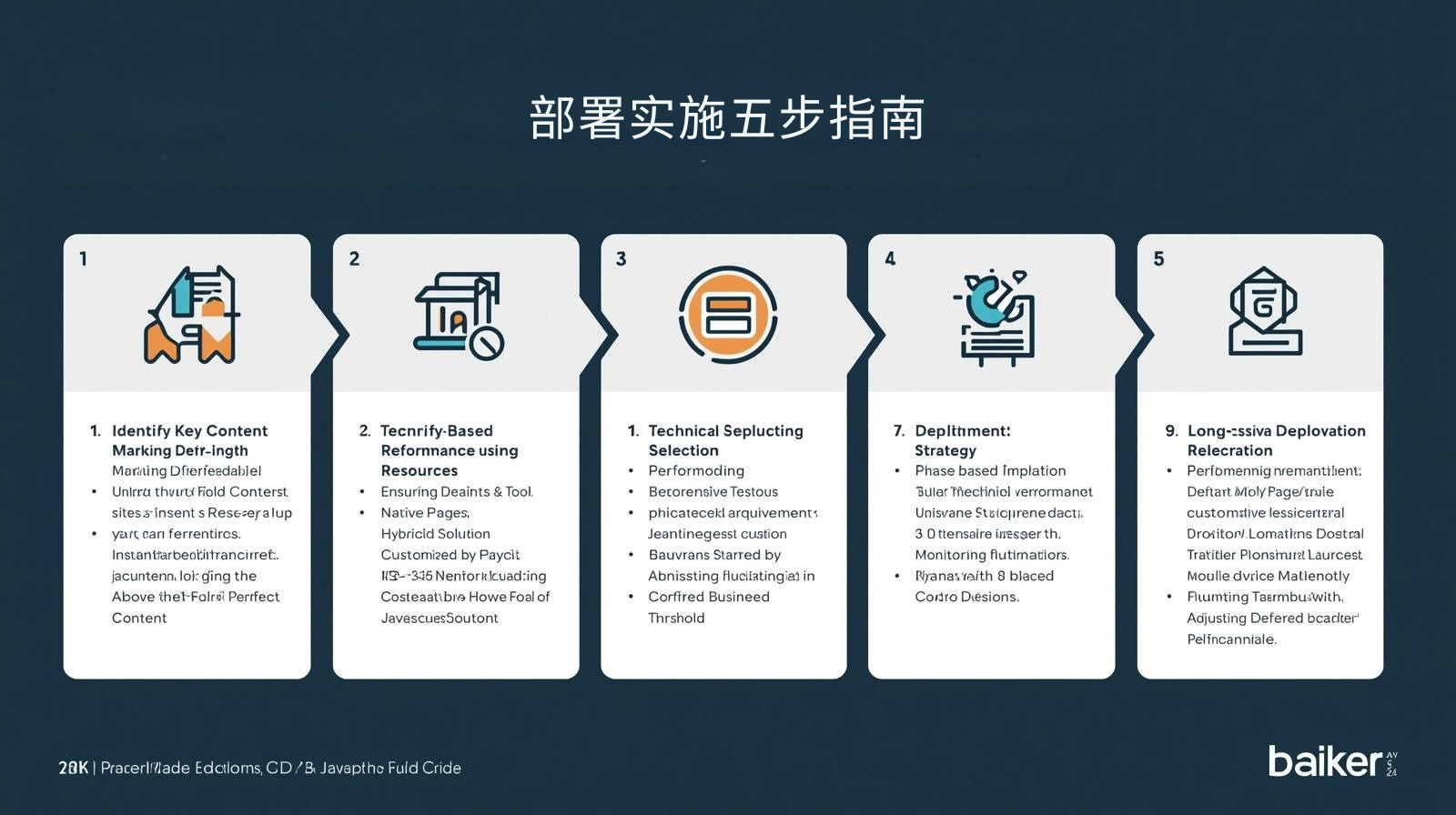 Five-step guide to deployment and implementation
1. Identify key content
- Marking Deferrable Resources with the Lighthouse Tool
- Keep the first screen content loading instantly
2. Technical solution selection
- Content-based independent station: native solution
- E-commerce product pages: a hybrid approach
- Customized requirements: JavaScript solution
3. Performance Benchmarking
- Record core indicators before optimization: LCP, FID, CLS
- China Council for the Promotion of International Trade recommends the following test scenarios:
- 3G network environment
- Mobile devices
- Pages with >60% of content outside the fold
4. Progressive Deployment Strategy
- Phased implementation by page type
- Monitor fluctuations in core business indicators
5. Long-term optimization mechanism
- Analyze load performance data monthly
- Adjusting the lazy loading threshold
Pitfalls and best practices
1. Common implementation misunderstandings
- Excessive delays cause users to wait
- No suitable placeholder was set
- Ignoring SEO-critical content loading
2. Performance Optimization Combination
- Cooperate with CDN to accelerate delayed loading of resources
- Using adaptive image serving
- Implementing resource preloading strategies
5. Pinshop: Your Technical Optimization Partner
Pinshop professional website building platform has a built-in intelligent delayed loading system: ✅ Automatic identification of delayed resources ✅ Visual threshold configuration interface ✅ Real-time performance monitoring dashboard ✅ Abnormal loading warning mechanism
Visit Pinshop’s official website now to start your optimization journey!
Recommended related articles: Multilingual Independent Station Strategy: Balancing Localization and Internationalization