

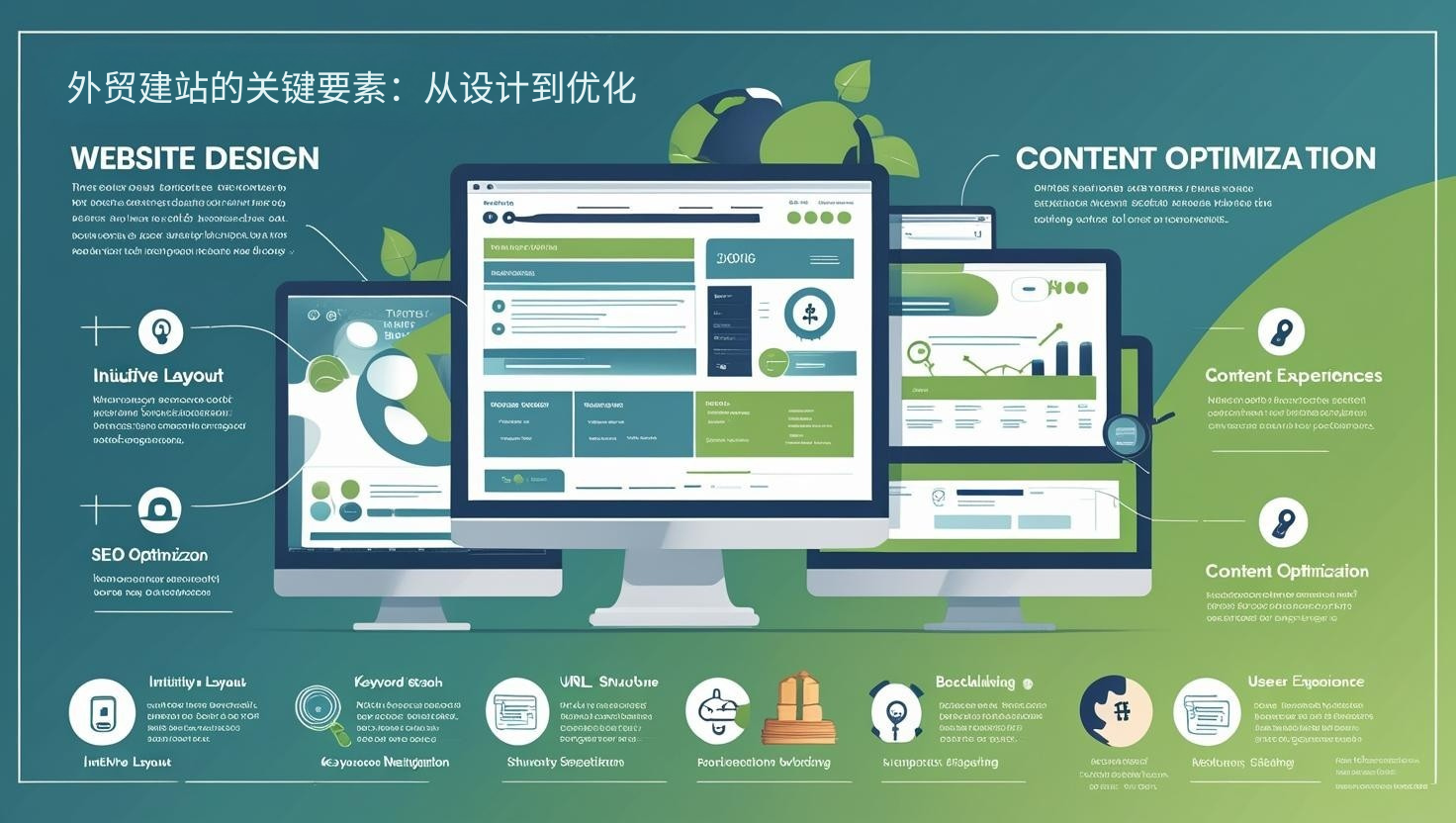
Key Elements of Website Development for International Trade: From Design to Optimization
Building a website for international trade is crucial for companies expanding into international markets, encompassing multiple steps from website design to content optimization. A successful international trade website requires more than just product display; it also features clear navigation, a positive user experience, and robust SEO optimization. By optimizing these elements, businesses can attract global customers, increase brand exposure, and ultimately achieve sales growth.
First, website design is crucial. A simple and intuitive page layout helps customers quickly find what they're looking for, thereby increasing conversion rates. Secondly, SEO optimization is key to increasing website visibility. Through keyword optimization, a clear URL structure, and internal link building, businesses can improve search engine rankings and attract more potential customers.
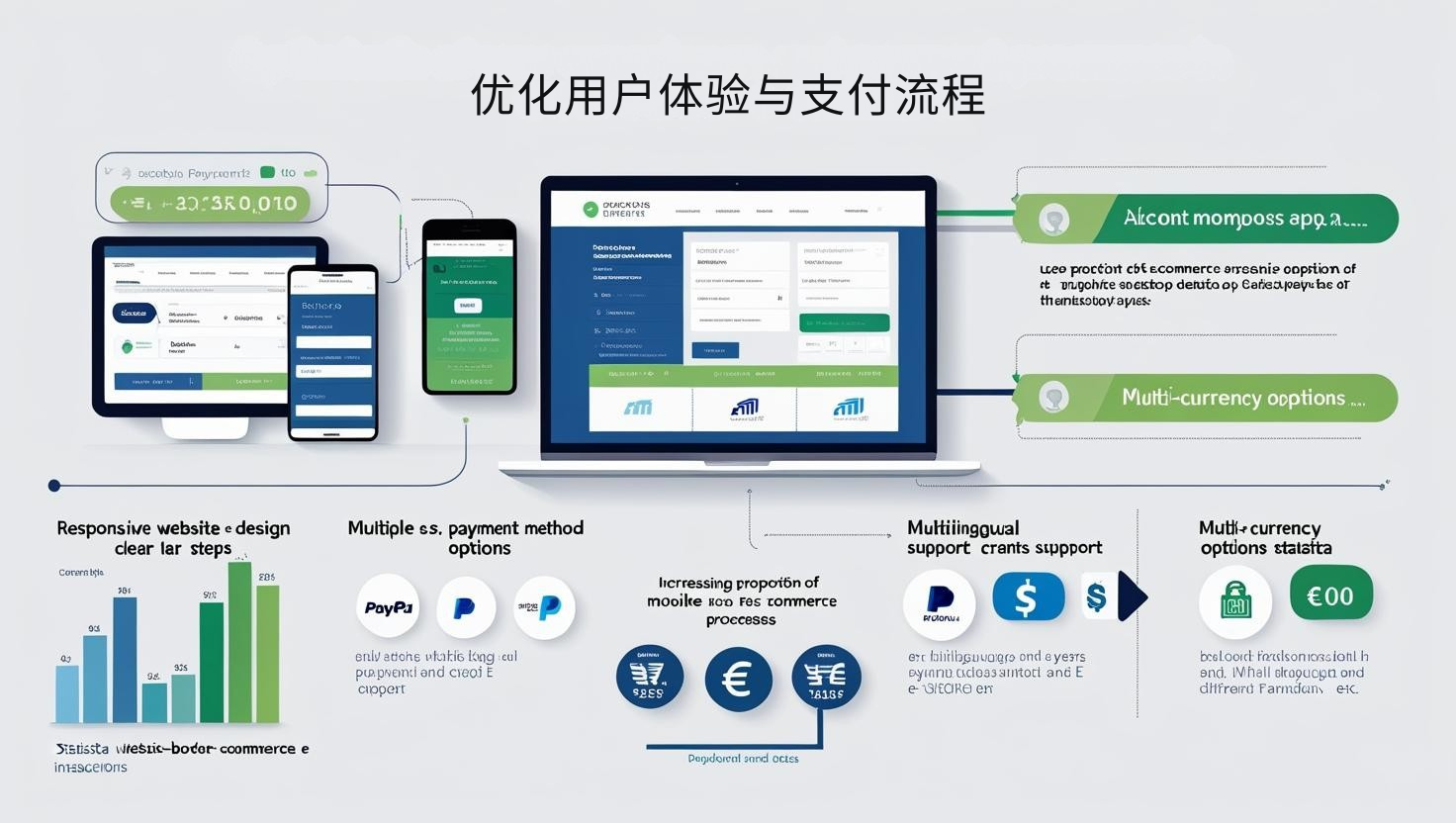
Optimize User Experience and Payment Process
User experience and payment process directly impact cross-border e-commerce conversion rates. Websites built for international trade should offer responsive design to ensure a smooth experience across devices. They should also streamline the checkout process and offer multiple payment methods to reduce customer churn. Furthermore, supporting multilingual and multi-currency payments is crucial for enhancing the purchasing experience for global customers and helping to mitigate churn caused by language and payment method restrictions. According to Statista, the proportion of mobile e-commerce transactions is increasing. Therefore, optimizing the mobile experience is a crucial step in improving conversion rates [Source: Statista].
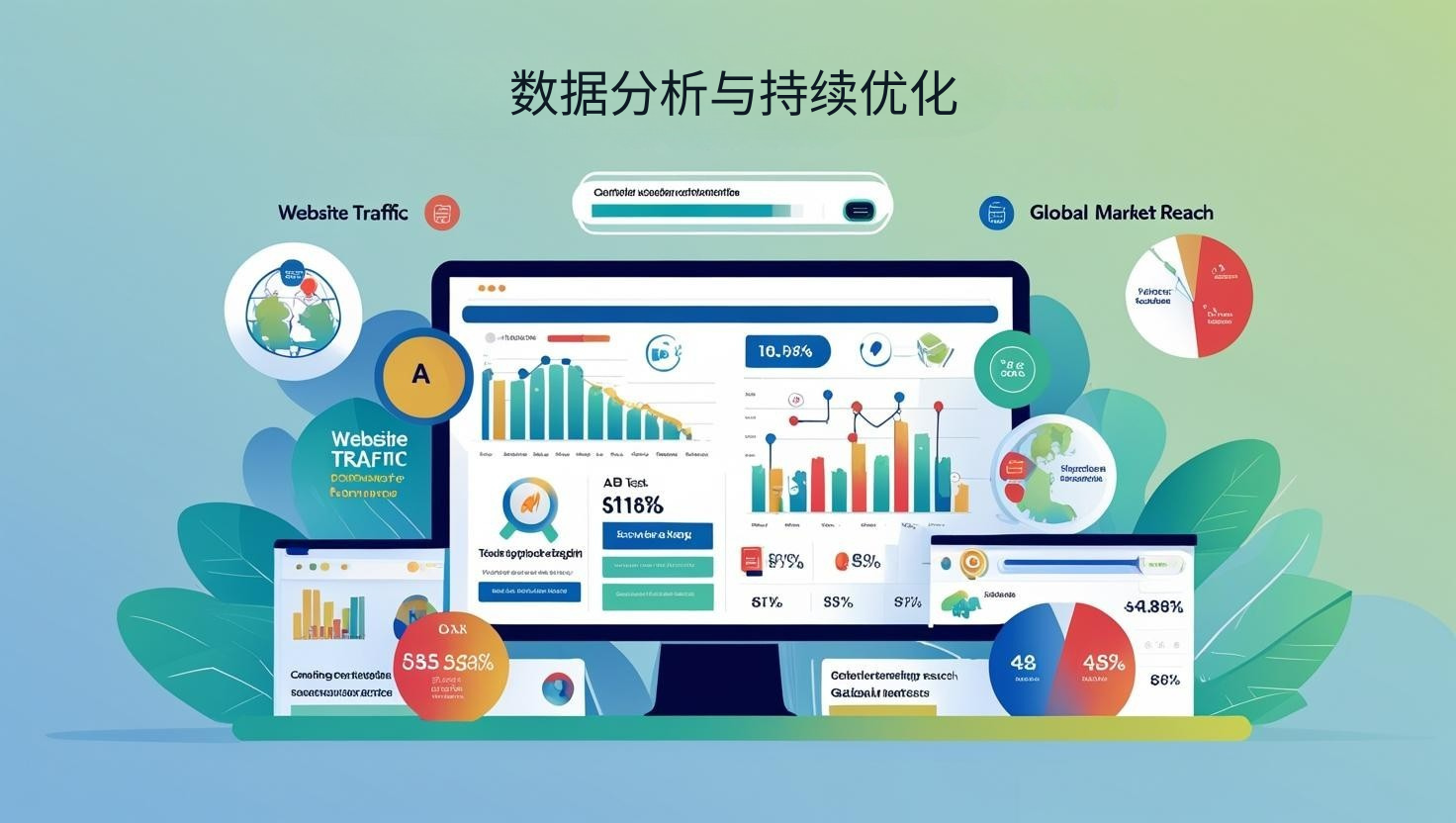
Data Analysis and Continuous Optimization
Finally, use data analysis tools (such as Google Analytics tracks user behavior, page performance, and conversion rates, allowing businesses to adjust strategies in real time and optimize website performance. Regular A/B testing allows businesses to test different page layouts, product descriptions, and marketing campaigns, thereby improving overall website conversion rates.
Continuous optimization and data-driven decision-making can help businesses maintain their advantage in the competitive global market and ultimately achieve success in cross-border e-commerce.