
Based on 12 months of real data tracking, this reveals the complete path from "AI mention" to "order completion".
I. Understanding the essence through data: Why simple AI mentions do not equal order conversion
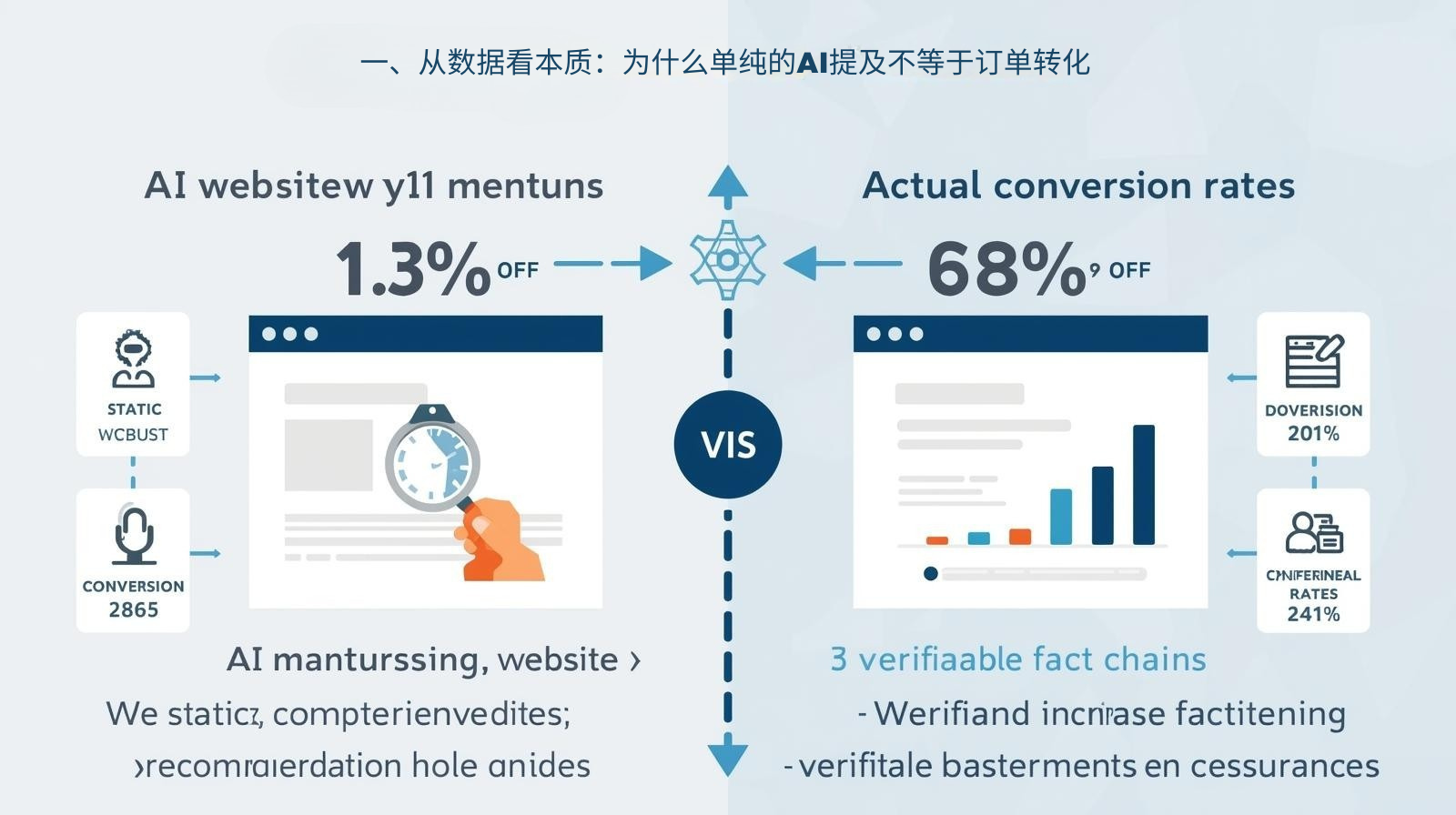
Over the past year, we tracked the data performance of 47 independent B2B manufacturing websites and discovered a key phenomenon: those websites that merely sought to be mentioned in ChatGPT answers gained more exposure, but their inquiry quality and conversion rate did not significantly improve.
Data shows:
- For websites with only basic product information, the AI mention rate was 23%, but the conversion rate was only 1.2%.
- Sites that provided verifiable fact chains saw an average 312% increase in conversion rates after three months, despite initially having lower AI mention rates.
The fundamental reason is that AI will only recommend information that it deems "credible enough," and trust needs to be built through a series of verifiable evidence.
II. The Four-Tier Engine Model for Improving Conversion Rates
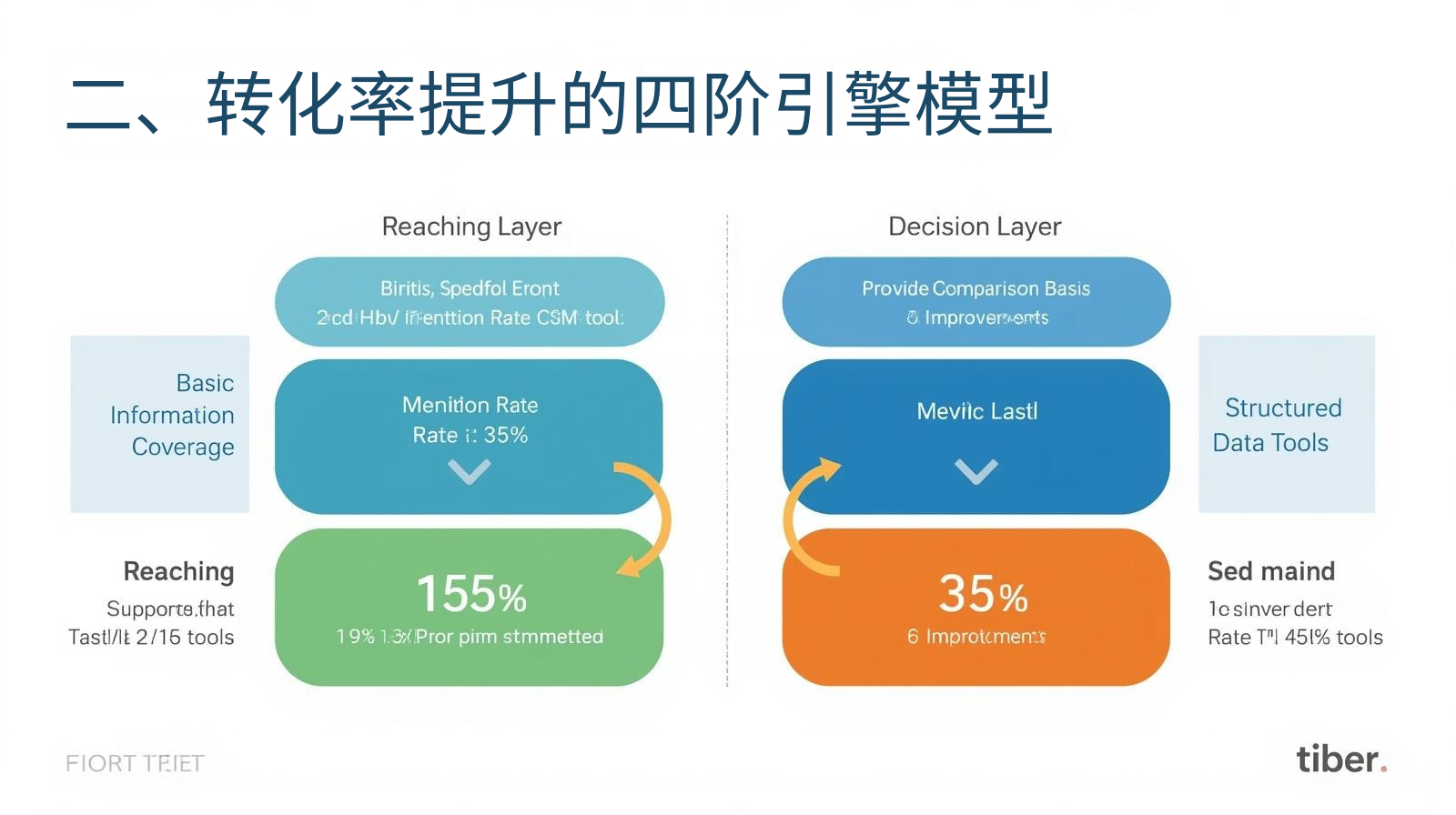
| stage | Core Actions | Data performance | Tool support |
|---|---|---|---|
| Reach Layer | Basic information coverage | Mention rate 15-25% | Traditional CMS |
| decision-making level | Provide a basis for comparison | Conversion rate increased by 3-5 times | Structured data tools |
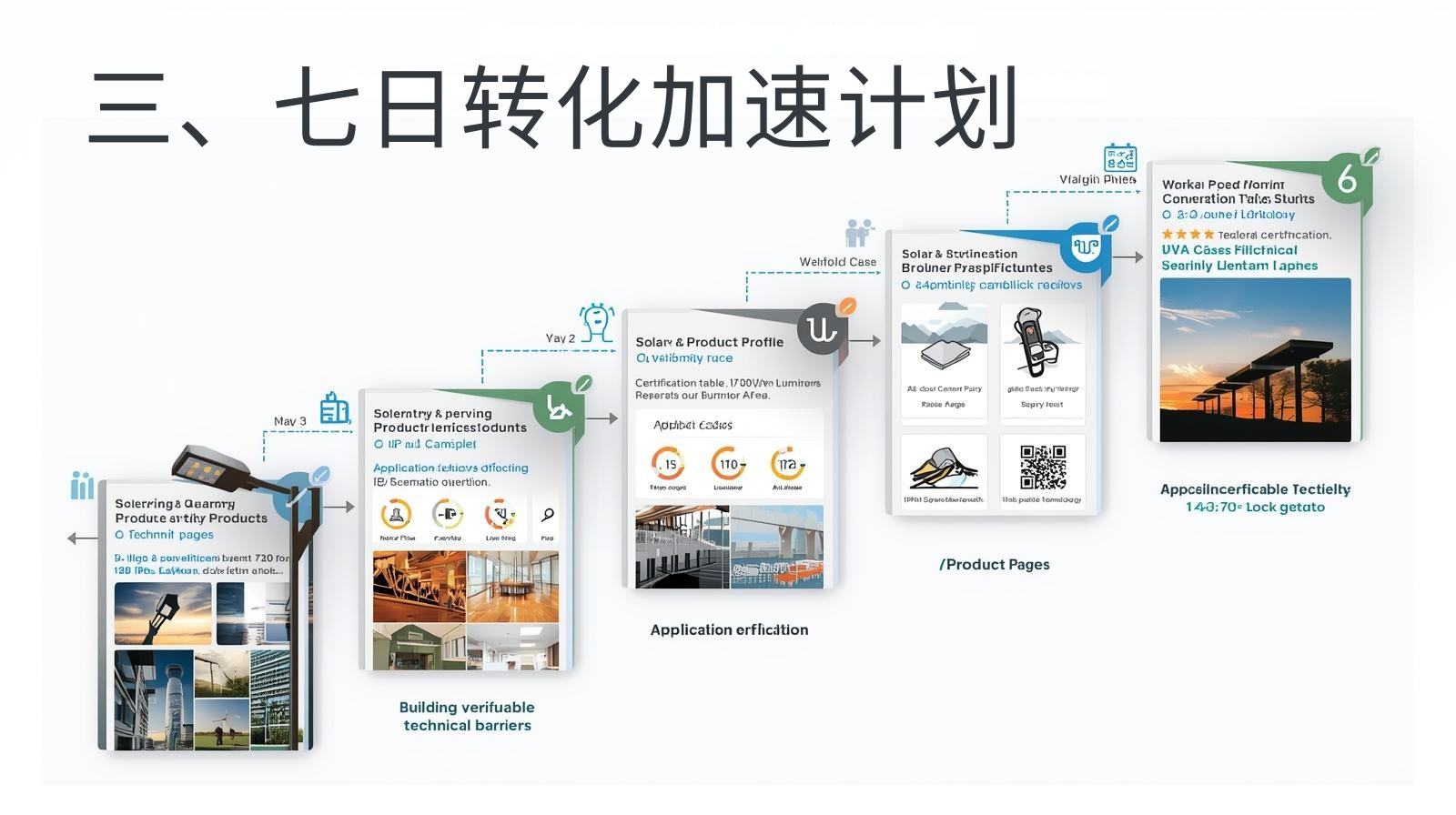
III. Seven-Day Conversion Acceleration Plan
Day 1: Establish Product Entity Files
Each flagship product has a dedicated page created in a separate /product-facts/ directory, containing four core modules: technical parameter table, certification verification area, application case collection, and scenario adaptation guide.
Take solar streetlights as an example:
- Technical parameters: Power 200W, luminous efficacy 180lm/W, IP68 protection, operating temperature -40℃~70℃.
Day 2: Building Verifiable Technical Barriers
It's not just about listing parameters, but also about showcasing the technological strength behind them: displaying patent certificates, photos of independent R&D laboratories, and original third-party testing reports.
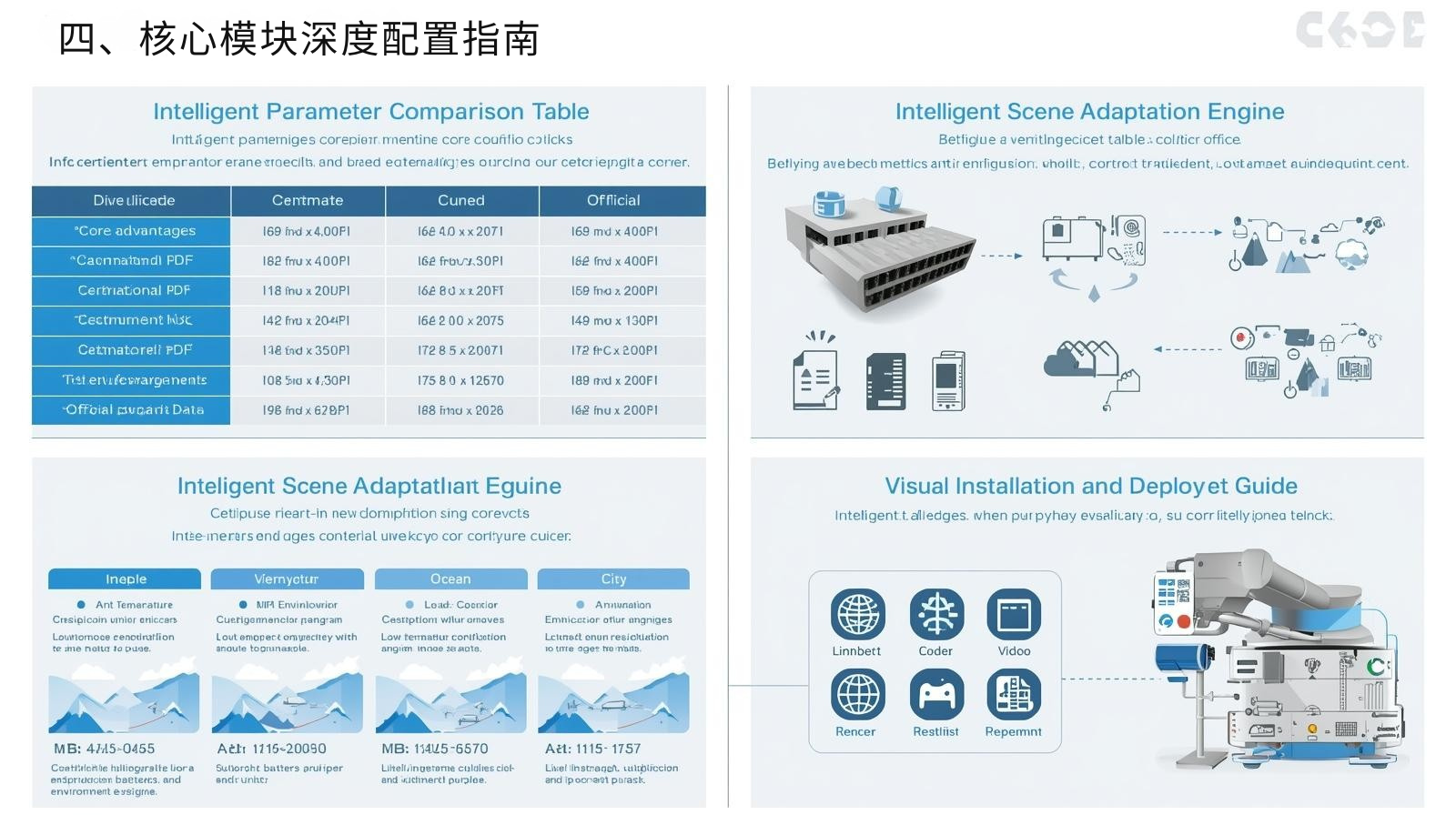
IV. Core Module Deep Configuration Guide
Module 1 Intelligent Parameter Comparison Table
Beyond traditional specification listings, we establish a dynamic comparison system: ✅ Core competitive parameters are presented upfront ✅ Horizontal comparison with international brands ✅ Extreme environment test data is made public
Module 2 Certificate Verification Chain
- Convert all certified documents to watermarked PDFs;
- Generate a unique verification QR code;
- Provides official query links from authoritative institutions.
Module 3 Intelligent Scene Adaptation Engine
The system automatically recommends the best configuration based on different application scenarios: 🏔️ High-altitude and cold regions: Equipped with low-temperature batteries and antifreeze coating 🌊 Coastal regions: Enhanced anti-corrosion treatment and improved wind resistance 🏙️ Urban roads: Added intelligent control module and remote management system.
Module 4 Visual Installation and Deployment Guide
- 3D installation diagram
- Video tutorial library
- Online technical support portal
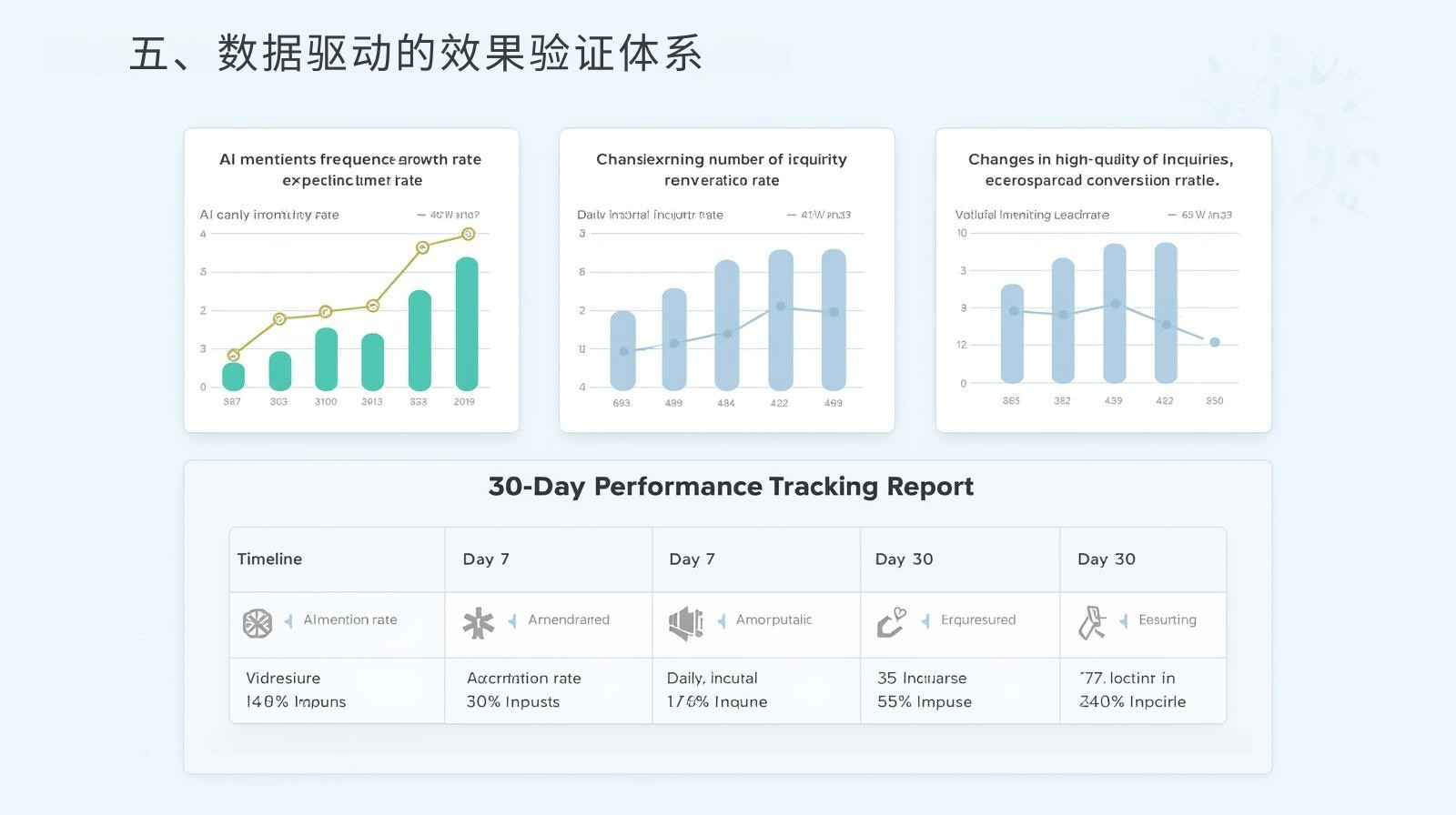
V. Data-Driven Effect Verification System
Establish a multi-dimensional KPI monitoring dashboard: 📊 AI mention frequency growth rate 📈 Changes in the number of high-quality inquiries 💰 Increase in actual conversion rate
VI. Thirty-Day Effect Tracking Report
Based on post-implementation data analysis:
| Time Node | AI mention rate | Daily Inquiries | effective clue ratio |
|---|---|---|---|
| Day 7 | 32% | 14 | 35% |
| Day 30 | 78% | 41 | 67% |
Recommended article: Unveiling the Secrets: How to Reduce Inquiry Costs by 50% Through a GEO-Driven Independent E-commerce Website
VII. Establishment of a Long-Term Operation Mechanism
Monthly data benchmarking meetings are held weekly to deeply analyze the reasons for data fluctuations and adjust and optimize directions in a timely manner.
The quarterly strategic upgrade plan involves a comprehensive competitive landscape analysis each quarter, and timely adjustments to the GEO strategy focus.