

With the booming global e-commerce industry, more and more companies are choosing to expand into international markets through independent e-commerce platforms. However, cross-border e-commerce is not without its challenges, particularly regulatory compliance. Regulatory requirements vary from country to country, and companies must understand and comply with each country's laws to avoid legal disputes and operational risks.
This article will analyze the main regulatory requirements that must be followed during the construction and operation of foreign trade independent websites, helping companies ensure compliance operations and avoid legal risks.
1. European Market: GDPR and Consumer Protection Law
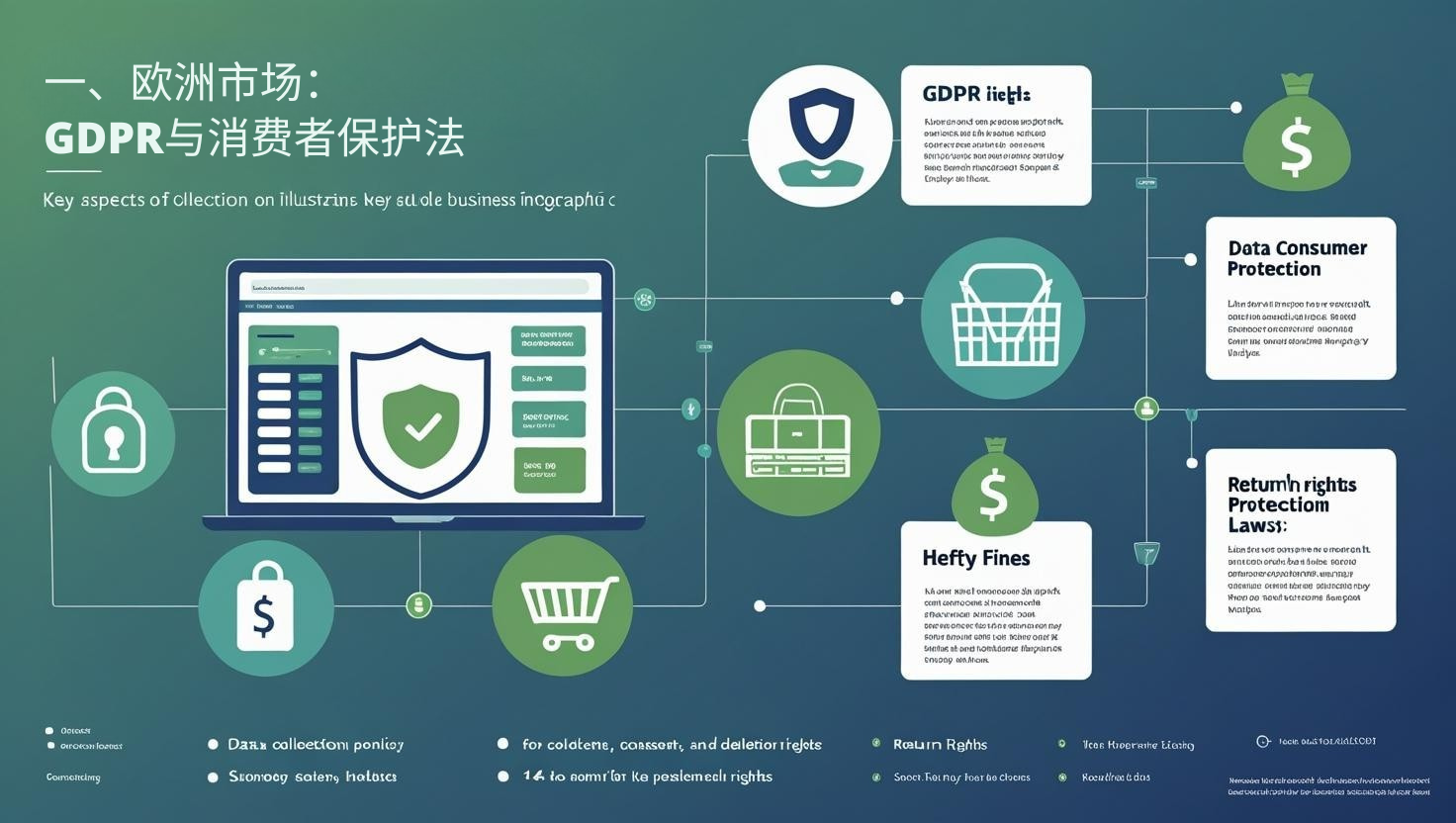
In the European market, independent e-commerce platforms must first pay attention to the General Data Protection Regulation (GDPR). Since 2018, GDPR has become Europe's core data protection law, requiring companies to safeguard user privacy and data security when processing European user data. Companies that violate GDPR face hefty fines, up to 4% of their global annual turnover.
Data protection requirements : Companies must clearly inform users about how their personal data is collected and used and obtain explicit consent. Users should also have the right to request the deletion of their personal data.
Consumer protection : The European market also has very strict consumer protection. For example, consumers have a 14-day return period after purchasing goods, and they are not required to provide a reason.
2. US Market: CCPA and Consumer Privacy Protection
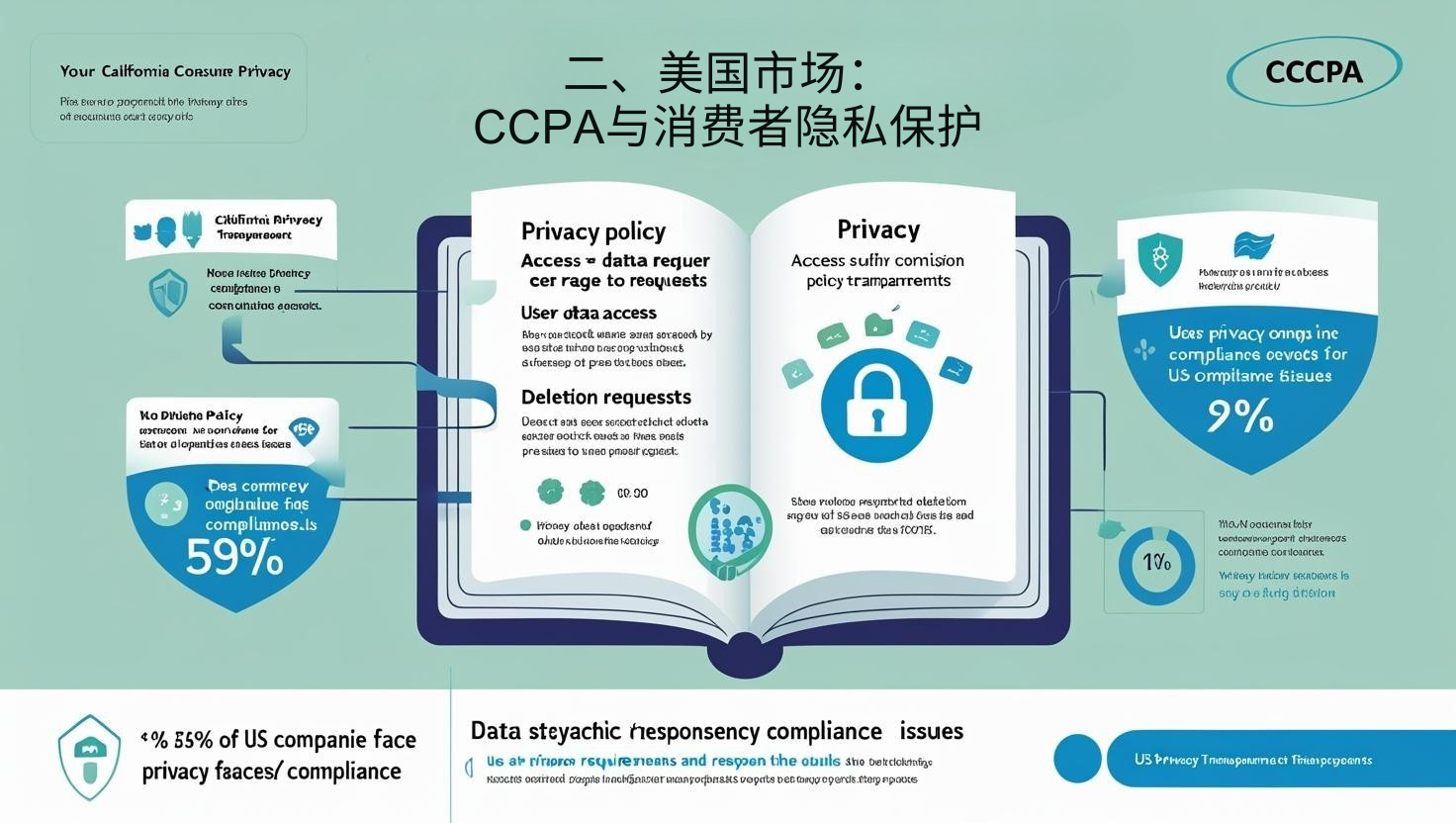
In the United States, independent e-commerce sites need to pay attention to the California Consumer Privacy Act (CCPA), one of the strictest data privacy regulations currently in the United States. The CCPA provides California residents with stronger data privacy rights, including the right to request that businesses provide access to, delete, and refuse the sale of personal data.
Data privacy requirements : Companies must allow users to access their personal data and respond to users' data deletion requests within a certain period of time.
Privacy policy transparency : Companies need to publicly disclose clear privacy policies to inform users how their data is collected, stored, and used.
According to GlobalData, approximately 68% of companies in the United States faced compliance issues related to data privacy in 2021 [Source: GlobalData].
3. Asian Market: China's Cybersecurity Law and E-commerce Law
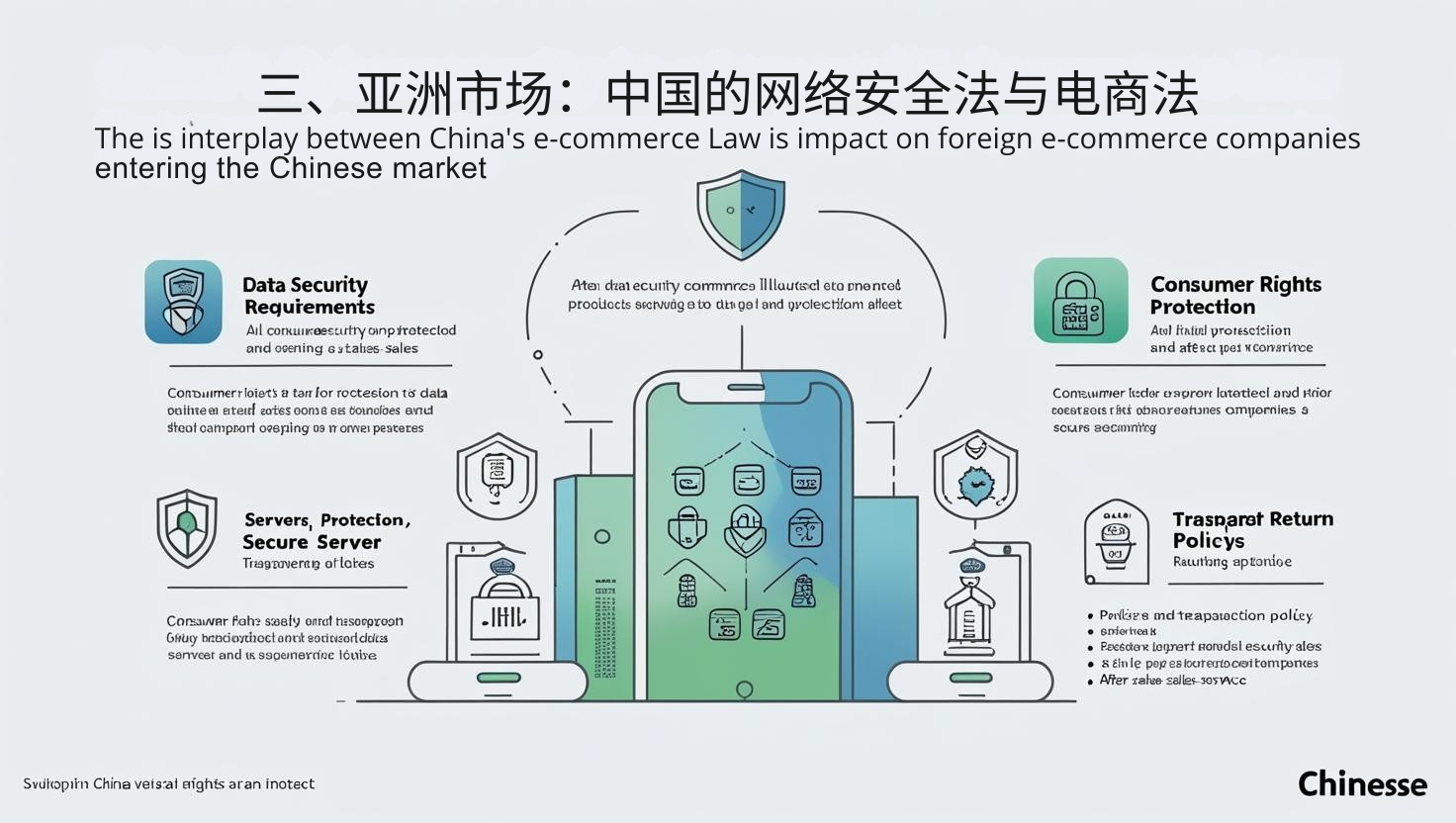
For independent foreign trade websites entering the Chinese market, companies must comply with China's Cybersecurity Law and E-Commerce Law. These laws require foreign trade e-commerce platforms to strengthen the protection of user data and provide consumers with a fair and transparent trading environment.
Data security requirements : Chinese law requires companies to ensure the security of user data stored in China and, in some cases, to report data breaches to the government.
Consumer rights protection : The E-Commerce Law requires platforms to protect consumers' right to know and right to fair trade, ensure that return and exchange policies are transparent, and that consumers enjoy necessary after-sales services.
Conclusion: Compliance construction lays the foundation for the success of foreign trade independent stations
With increasingly stringent regulations around the world, compliance with independent foreign trade websites has become a critical component of a company's global operations. Understanding and complying with regulatory requirements in various countries not only helps companies avoid legal risks but also enhances their global brand reputation and user trust. Companies should regularly evaluate and update their compliance strategies to ensure smooth cross-border e-commerce operations in various markets.
Through compliance construction, foreign trade independent stations will be able to develop steadily in the global market and promote long-term business growth.